
Florida does not do subtle when it comes to wildlife. Around every marsh, mangrove, spring, and beach, you can spot animals that look painted, polished, or lit from within.
Some are famous, some are surprisingly overlooked, and a few feel almost unreal until you see them with your own eyes. If you love color, movement, and a little wild drama, these Florida animals are impossible to forget.
Roseate Spoonbill
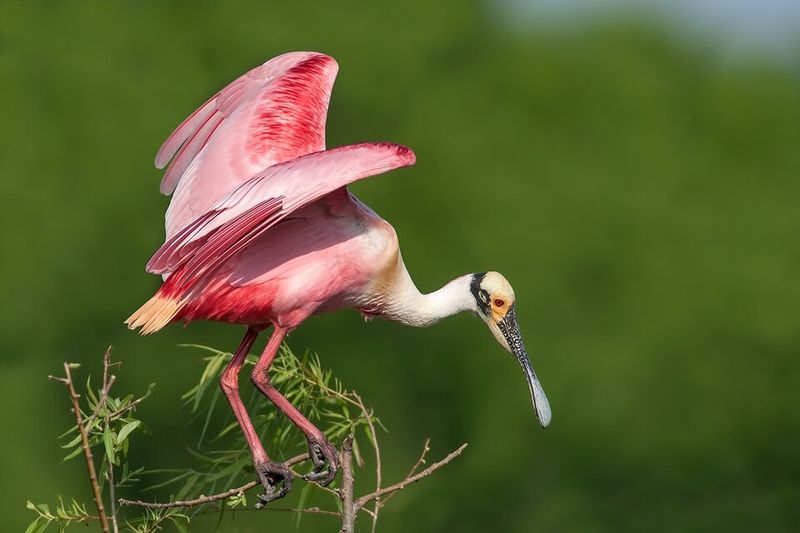
Image Credit: Alan D. Wilson.
If you ever needed proof that Florida wildlife can look completely unreal, the roseate spoonbill delivers it in one sweeping flash of pink. Its color comes from carotenoids in crustaceans like shrimp and crayfish, so the brighter the diet, the rosier the bird looks.
That spoon-shaped bill is not just decorative either, because it swings side to side through shallow water to detect prey by touch.
I love how social these birds feel when you spot several feeding together in bays, estuaries, or marshes across southern Florida. Even standing still, they seem dramatic, with long legs, layered feathers, and a silhouette that turns any wetland into a postcard.
In flight, the pink opens wider and suddenly the whole scene feels tropical.
If you catch one in early morning light, you will understand why birders talk about them like treasure. Few Florida animals look this elegant, strange, and joyfully bright at once.
Painted Bunting
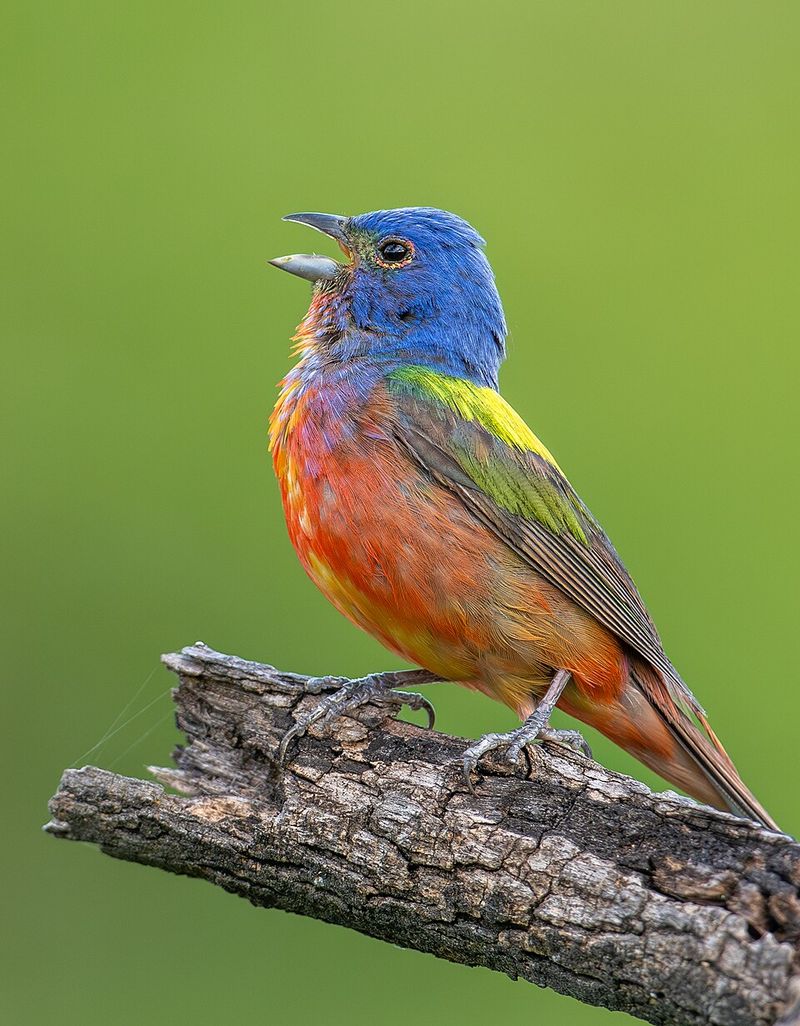
Image Credit: Dakota Lynch.
The painted bunting looks less like a real bird and more like a dropped handful of tropical paint. Males wear a blue head, green back, and red underparts, while females and young birds stay a softer yellow-green that blends beautifully into thick cover.
That contrast makes every sighting feel like a tiny reveal, especially because these birds can be shy and often stay low in dense vegetation.
In Florida, they appear in parts of the state during the cooler months, and some populations use nearby coastal areas for breeding. I think that secretive behavior somehow makes the colors feel even richer, because you usually earn the view instead of getting it handed to you.
One moment the branch looks empty, and the next it holds one of North America’s most dazzling songbirds.
If you enjoy birds that reward patience, this one is unforgettable. It is bright, compact, and so intensely colored that it almost seems lit from the inside.
Florida Panther
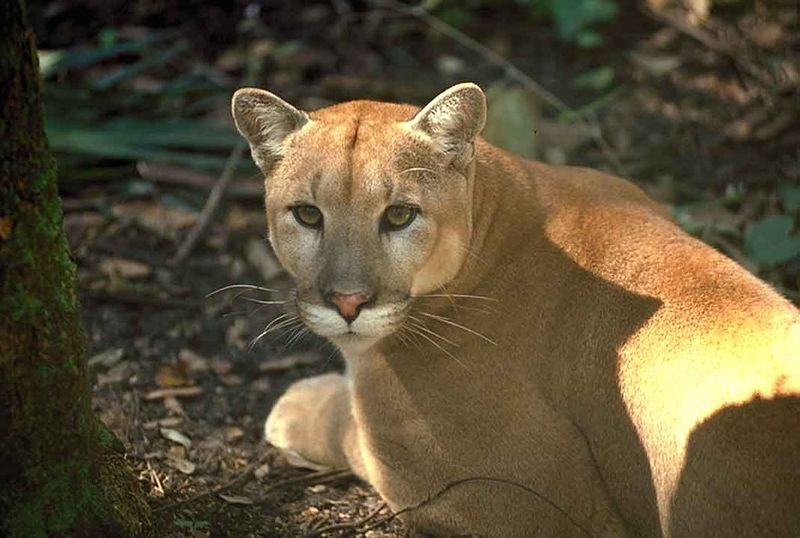
Image Credit: U.S. Fish and Wildlife Service Southeast Region
The Florida panther is not flashy in the way a pink bird or striped butterfly is flashy, but its beauty feels deeper and harder to shake. With a sleek tawny coat, muscular frame, pale underbelly, and dark tail tip, it carries the kind of quiet power that instantly changes the mood of a landscape.
When you picture one moving through pinelands, hardwood hammocks, or swamp forest, Florida suddenly feels wilder.
This endangered cat survives mostly in the southern tip of the peninsula, with roughly 200 individuals left in the wild as of 2024. That rarity makes every photograph and every verified sighting feel important, because you are looking at one of the state’s most iconic survivors.
Adults are large, long-bodied, and intense without needing any showy pattern to stand out.
I think the panther belongs on this list because beauty is not only about color. Sometimes it is about grace, tension, and the feeling that a place still has secrets.
West Indian Manatee
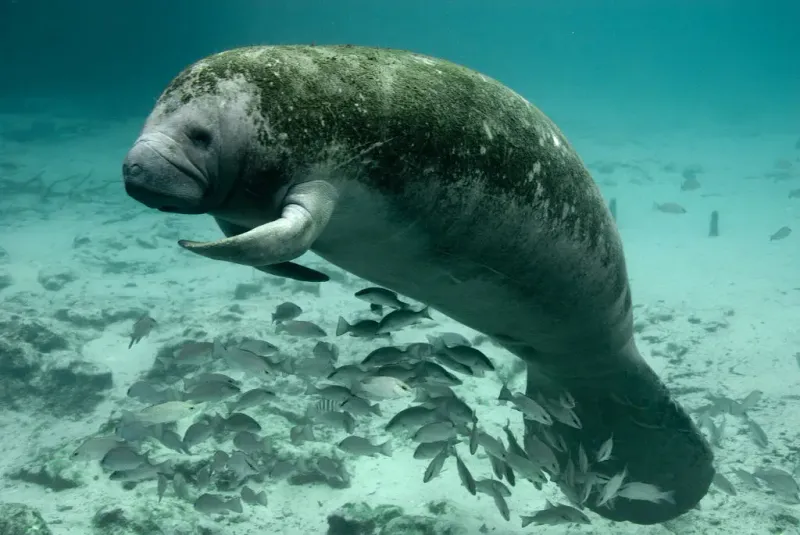
Image Credit: U.S. Fish and Wildlife Service Headquarters.
The West Indian manatee wins you over in a completely different way than Florida’s brighter birds and insects. Its wrinkled gray body, paddle tail, and slow underwater drift create a gentle kind of beauty that feels calming the second you see it.
Instead of sharp colors, you get soft light, rounded shapes, and a quiet presence that suits Florida’s springs perfectly.
These large marine mammals depend on warm water refuges in winter, especially natural springs and some power plant outflows, because prolonged cold can be dangerous for them. I always think that detail makes a manatee sighting feel more intimate, as if you are catching an animal in one of the few places where it can truly rest.
Their peaceful movements make the water seem slower around them.
Manatees may not look dramatic at first glance, but give them a minute and they absolutely do. In clear water, their grace becomes the whole show, and you start noticing every turn, breath, and floating pause.
American Flamingo
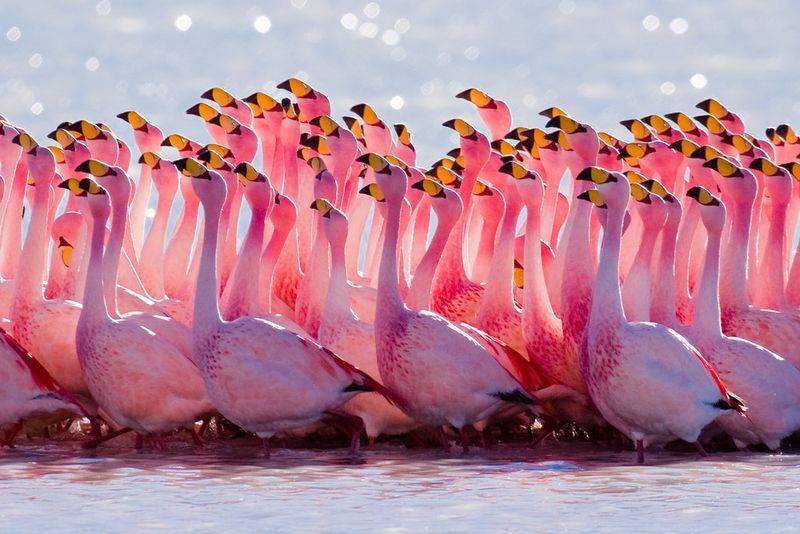
Image Credit: Pedro Szekely.
The American flamingo feels like Florida showing off. With vivid pink to red feathers, long legs, an elegant neck, and a black-tipped bill, it turns any shoreline into something cinematic.
Its bright color comes from pigments in algae and aquatic prey, which means even its most famous feature is tied directly to the watery habitats it depends on.
Once treated mostly as a rare visitor, flamingos are now being seen more regularly in South Florida and the Keys. That shift has made them feel less like a rumor and more like a thrilling possibility, especially in southern wetlands and around the Everglades.
I love that a bird so globally recognizable can still feel surprising here, as if the state keeps revealing a wilder version of itself.
What makes the flamingo unforgettable is not just the color, though that certainly helps. It is the posture, the height, and the sheer confidence of a bird that seems designed to be noticed from very far away.
Eastern Bluebird
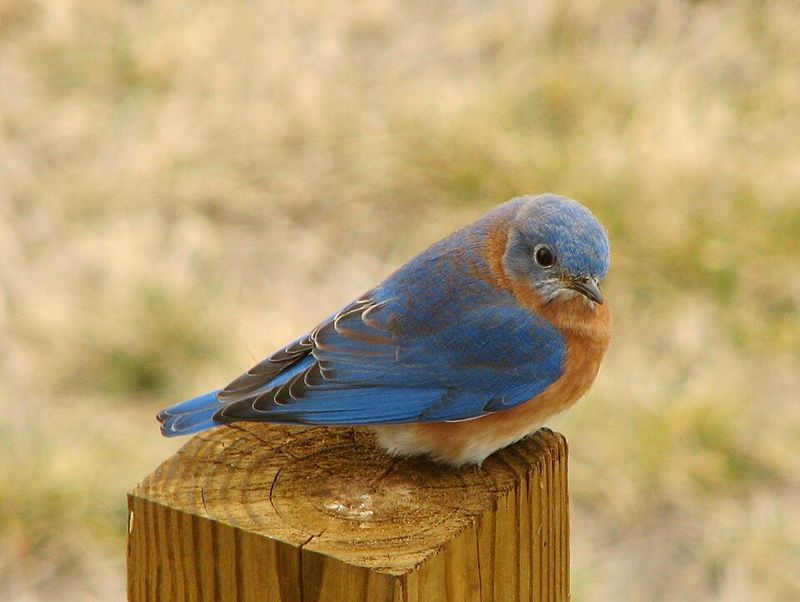
Image Credit: Dehaan.
The eastern bluebird brings a softer, sweeter kind of color to Florida, but it is still impossible to overlook once sunlight catches that blue. Males show off bright blue upperparts with a warm rusty-orange throat and chest, while females wear gentler tones that still look refined and lovely.
There is something cheerful about them that instantly makes a park, pasture, or roadside fence feel more welcoming.
You will often spot bluebirds in open woodlands, rural landscapes, and parks, especially in central and north Florida. I think part of their charm comes from how familiar they can feel without ever becoming boring.
They perch neatly, watch the ground with alert posture, and then drop down with precision before popping back into view like a tiny burst of color.
Because they rely on cavities or nest boxes, bluebirds also connect beauty with stewardship in a satisfying way. When you see one, it feels like proof that everyday habitats can still hold something bright, graceful, and deeply worth protecting.
Rainbow Scarab
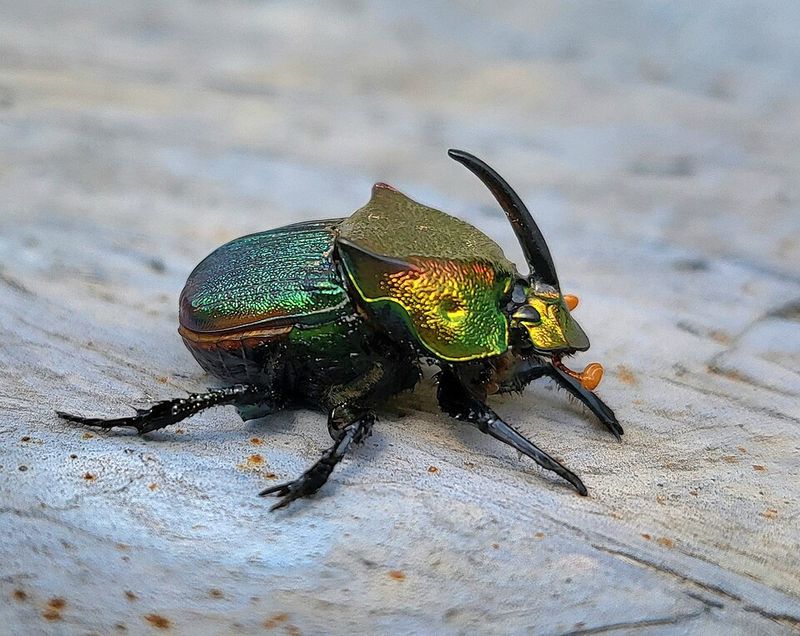
Image Credit: (c) Curtis Burke.
The rainbow scarab is the kind of insect that makes you stop and question whether you are looking at a jewel with legs. Its shell flashes metallic green, blue, copper, and even hints of gold when the light hits just right, creating a living mirror effect that feels far too luxurious for a dung beetle.
Then you notice the bulky oval shape, and in males, the dramatic backward-curving horn that adds an almost mythic look.
Found across much of the eastern United States, including much of Florida outside the Keys and Everglades, this species proves beauty can show up in unexpected jobs. I genuinely love that one of the state’s most eye-catching creatures is also a recycler working quietly at ground level.
That tension between glamour and grit makes it more memorable than many prettier but less surprising animals.
If you only picture colorful wildlife as birds or butterflies, the rainbow scarab will happily correct you. In sunlight, it gleams like polished metal and steals the entire scene.
Green Treefrog
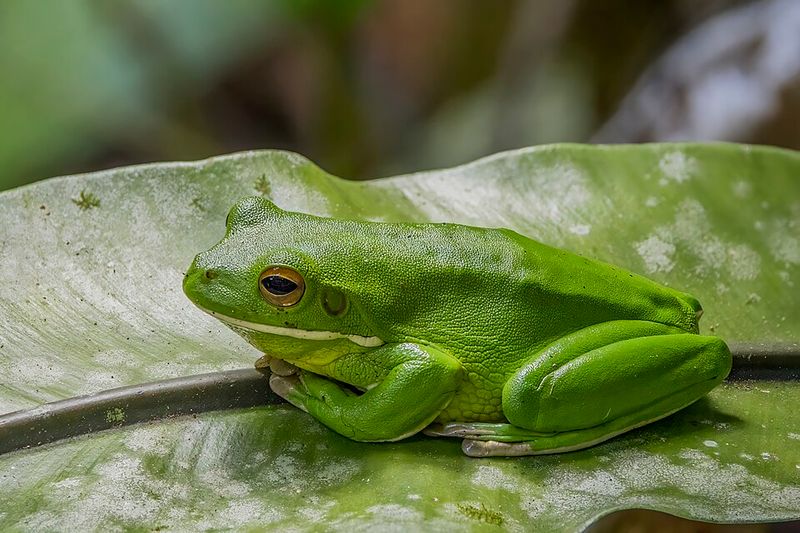
Image Credit: Charles J. Sharp.
The green treefrog is one of those small Florida animals that keeps earning a second look. Its bright green body and pale side stripe make it feel clean, crisp, and almost cartoon-perfect against dark leaves, bark, or wet porch screens.
Because it often appears near lights at night, you do not even need deep wilderness to appreciate how striking this state amphibian can be.
These frogs live around ponds, wetlands, shrubs, and trees across Florida, and their color can shift from grayish green to darker tones depending on season and condition. I find that flexibility oddly charming, as if the frog is always adjusting its outfit to match humidity, temperature, and mood.
During breeding periods, some can even take on a more yellowish cast, which adds to their bright appeal.
What makes the green treefrog beautiful is the balance between simplicity and freshness. It is small, familiar, and easy to miss, yet once you really notice that luminous green, it becomes one of Florida’s prettiest little regulars.
Zebra Longwing
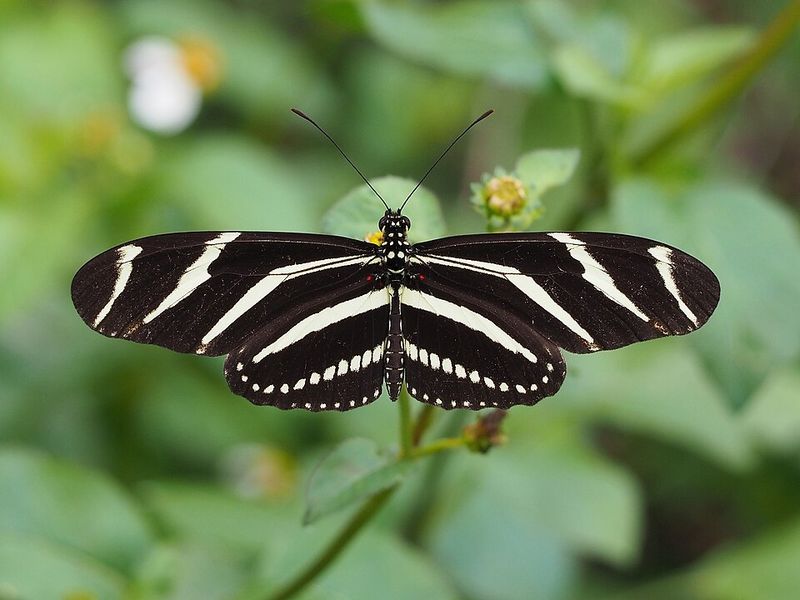
Image Credit: Nosferattus.
The zebra longwing looks like it was designed by someone who understood that black and yellow never go out of style. Its long dark wings are crossed by clean yellow stripes, giving it a graphic elegance that stands out in gardens, hammocks, and forest edges across Florida.
Instead of flitting nervously, it often glides, which somehow makes the pattern look even more refined.
As Florida’s official state butterfly, it also has habits that make it more interesting than the average quick-lived garden visitor. Adults feed on both nectar and pollen, which helps them live longer than many butterflies and gives you more chances to admire them.
I love seeing one drift through dappled light because it feels less like a random insect passing by and more like a small, deliberate performance.
The zebra longwing proves brightness does not always mean neon color. Sometimes beauty comes from contrast, movement, and a pattern so balanced that it looks perfect from every possible angle.
Great Blue Heron
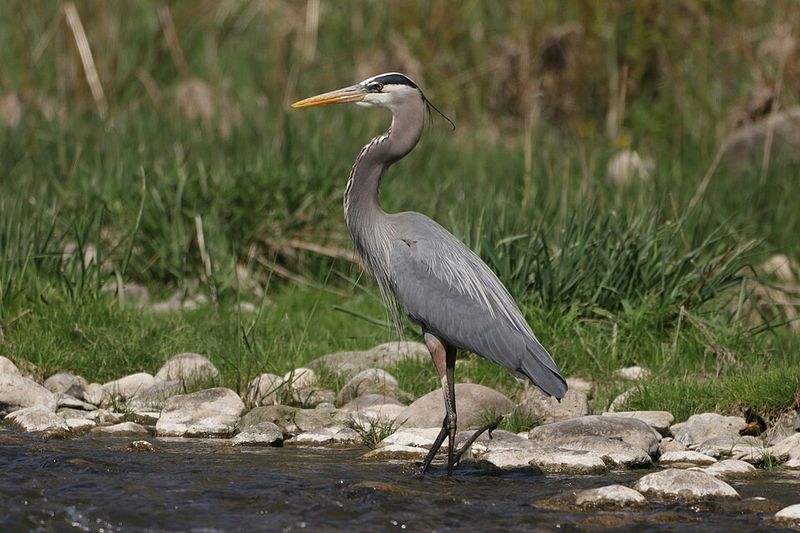
Image Credit: DallasPenner.
The great blue heron has a cool, composed beauty that feels almost architectural. Its blue-gray body, long legs, dagger bill, and elegantly folded neck give it a shape that looks impressive even from a great distance.
Then it moves, slowly and deliberately, and suddenly the whole marsh feels quieter, as if everything else has agreed to let it have the stage.
These herons live across Florida along coasts, freshwater edges, and marshes, and they can stand more than four feet tall with an enormous wingspan. I think their color is especially beautiful because it changes with the weather, looking silver in bright light, steel-blue under clouds, and nearly smoky at dusk.
In flight, the neck tucks into an S-curve while the legs trail behind, creating one of the cleanest silhouettes in American birdlife.
The great blue heron is not flashy, but it is deeply elegant. If you love quiet drama instead of loud color, this bird may end up being your favorite on the whole list.
Loggerhead Sea Turtle
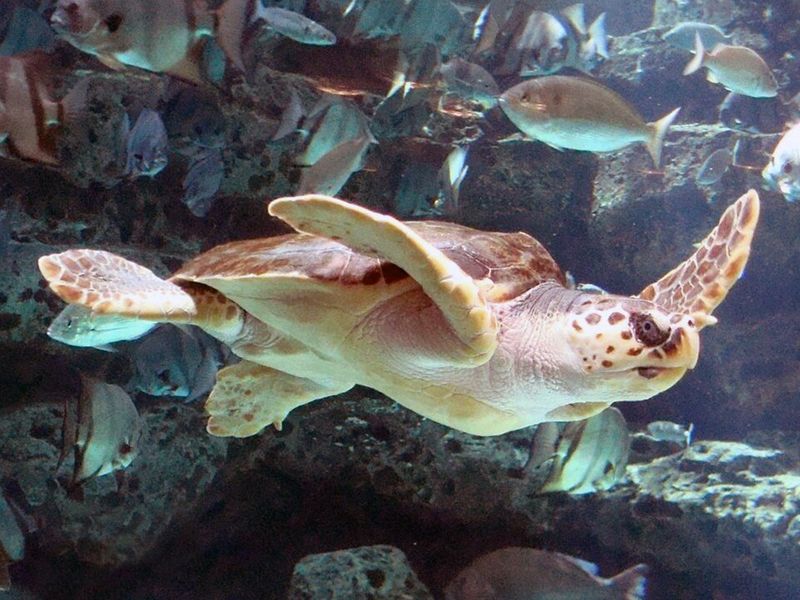
Image Credit: Mike Gonzalez (TheCoffee).
The loggerhead sea turtle carries its beauty in a sturdier, more ancient way than many of Florida’s brighter creatures. Its reddish-brown shell, massive head, and strong flippers create a look that feels weathered, purposeful, and built for epic travel.
When you see one underwater, the combination of power and calm is hard to forget, especially knowing how far these turtles migrate.
Florida supports one of the world’s largest nesting populations, with females returning to beaches every few years to lay multiple nests during nesting season. That loyalty to place makes the loggerhead feel woven into the state’s coastline in a very real way.
I think the shell color is particularly beautiful because it picks up warm tones in sunlit water and on sand, giving the turtle a grounded, almost earthy glow.
Part of the loggerhead’s appeal is the sense of time it carries. It looks like a survivor from another era, yet every successful nest on a Florida beach feels immediate, hopeful, and worth celebrating.
Northern Parula
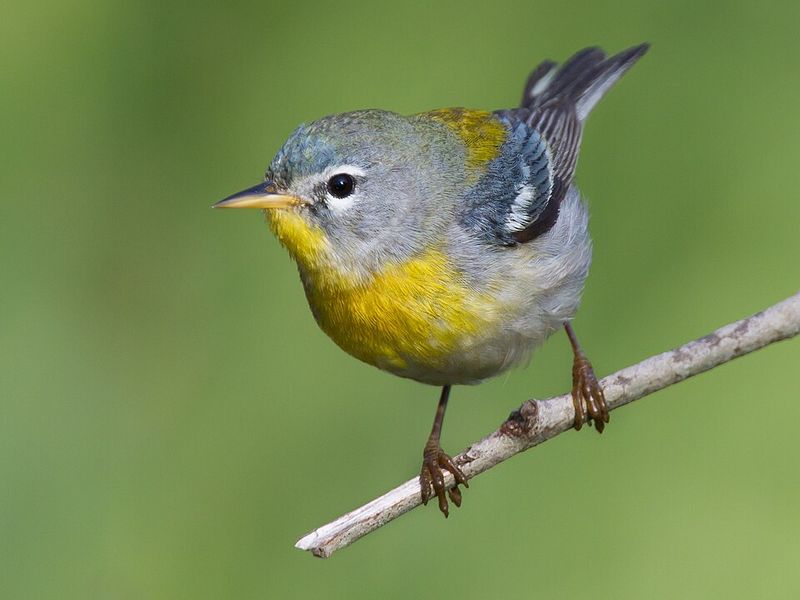
Image Credit: Dan Pancamo.
The northern parula may be tiny, but it is dressed with remarkable confidence. Blue-gray upperparts, a yellow throat and chest, greenish back tones, white wing bars, and bright eye crescents all come together in a bird that seems almost too carefully detailed for its size.
It is the sort of warbler that makes you appreciate how much color and pattern can fit into something so light.
In Florida, northern parulas are especially associated with forests draped in Spanish moss or beard lichens, which somehow makes them feel even more atmospheric. I love that their setting is already beautiful before the bird even arrives, because once one starts moving through that hanging silver-green backdrop, the whole scene becomes layered and dreamlike.
They are active, vocal, and often easier to hear than to fully see.
When you finally get a clear look, the effect is immediate. The northern parula feels like a woodland accent mark, small but vivid, adding brightness exactly where a mossy Florida forest needs it most.
Queen Angelfish
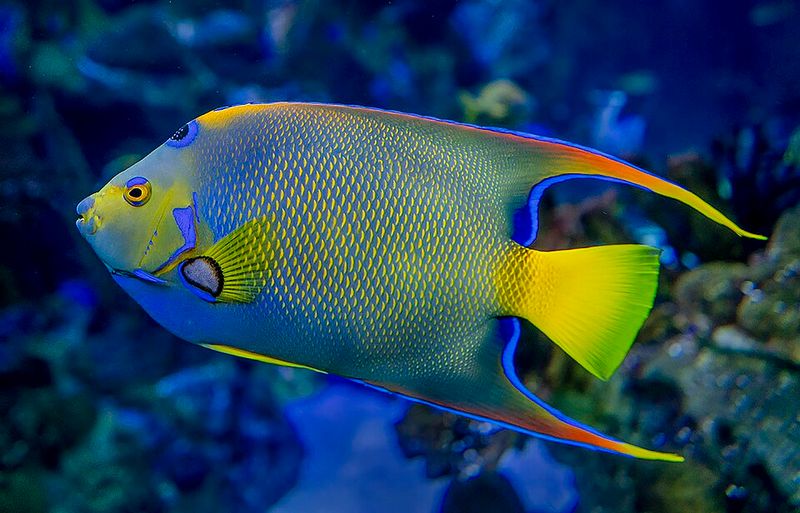
Image Credit: Pedro Lastra.
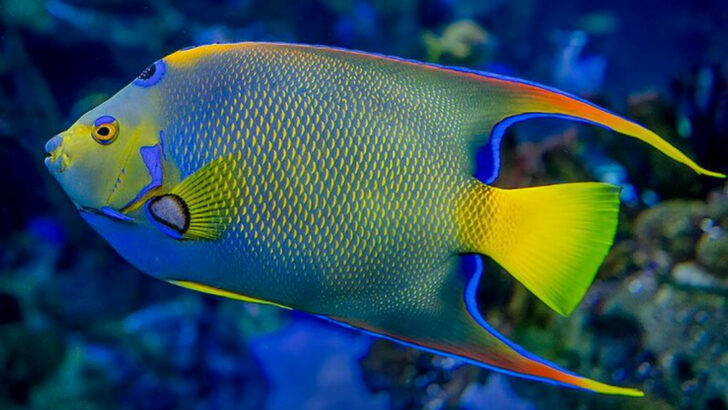
The queen angelfish might be the most regal animal on this list, and it absolutely knows it. Electric blue edging, yellow scales, a bright yellow tail, and that distinctive crown-like spot on the forehead give it a look that seems almost intentionally ornamental.
In clear Florida reef water, those colors become even richer, turning the fish into a moving piece of stained glass.
You will find queen angelfish around coral reefs and rocky ledges in warm waters from Florida through the Caribbean. I think their beauty is especially satisfying because it is layered rather than simple, with blues, turquoise, and yellows arranged in patterns that keep revealing new details the longer you stare.
Even among other reef fish, they manage to look polished and slightly theatrical.
This is one of those animals that makes marine Florida feel every bit as dazzling as its wetlands and beaches. If you have ever needed an excuse to appreciate the state’s underwater world more seriously, the queen angelfish is a perfect one.
White Ibis
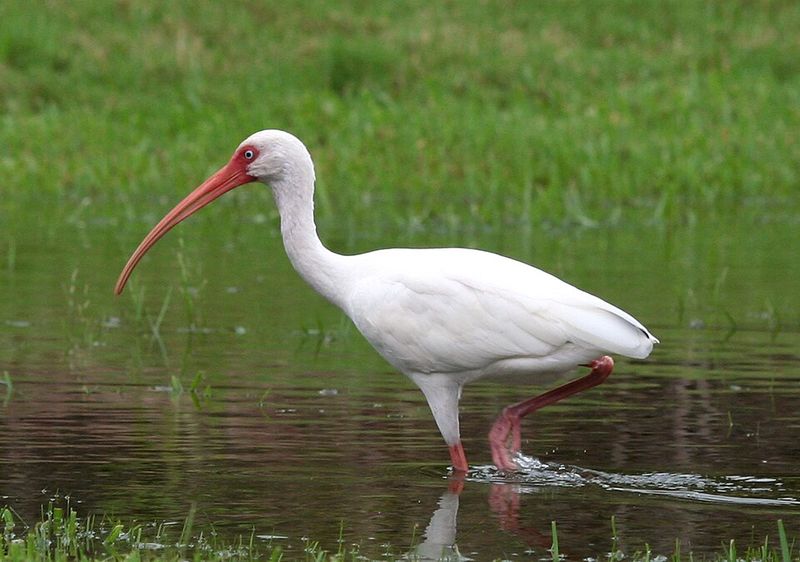
Image Credit: Terry Foote.
The white ibis proves that a mostly white bird can still bring serious color to Florida. Its bright plumage looks clean and almost glowing in sunshine, while the red-orange bill and legs add the bold accent that makes the whole bird pop.
During breeding season, those facial tones intensify, and suddenly a familiar wetland bird looks even more vivid and polished.
White ibises are common in marshes, parks, golf courses, and neighborhood ponds, which means you do not have to travel far to enjoy them. I like that they often forage in groups, probing mud or grass with their curved bills in a way that feels busy, social, and oddly coordinated.
When they take flight, the black tips on the wings appear, adding a surprise contrast that many people miss when the bird is standing.
Because they are so accessible, white ibises can become background scenery if you let them. Look a little closer, though, and you will see one of Florida’s neatest combinations of elegance, brightness, and everyday wild charm.