
Hawaii does not just have beautiful beaches and volcanoes – it shelters some of the most unusual creatures on Earth. On these islands, evolution took familiar animals and pushed them in wonderfully strange directions.
Some glow, some grin, and some carry deep cultural meaning that makes every sighting feel bigger than wildlife alone. If you want a look at the wild side of Hawaii that many visitors barely notice, these species are unforgettable.
Nēnē
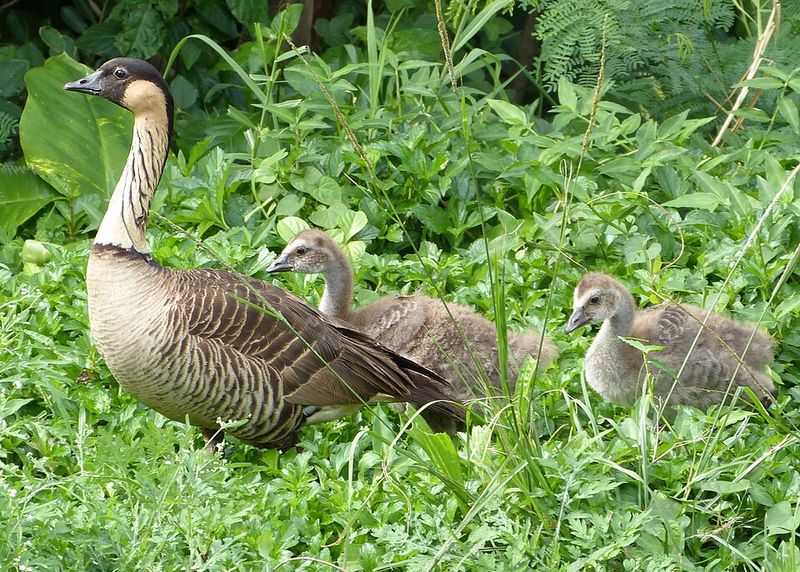
Image Credit: Mike’s Birds from Riverside, CA, US.
If you spot a nēnē beside a lava field or even near a golf course, you are looking at Hawaii’s official state bird and one of its great survival stories. I love that this goose did not stay goose-like in the usual way.
Over thousands of years, it adapted to rugged volcanic ground with stronger legs and less webbing.
That small physical shift tells a huge island story. Descended from Canada geese that likely arrived long ago, the nēnē became more comfortable on land than most of its relatives, browsing grasses, seeds, leaves, flowers, and fruit across surprisingly varied habitats.
You could find it from coastal dunes to upland shrublands, which makes every sighting feel a little unexpected.
By the 1950s, only about 30 birds remained, and that number still feels shocking. Captive breeding and reintroduction programs helped pull the species back from the edge, and today several thousand survive.
Even so, seeing one still feels special, like Hawaii quietly showing you how persistence can grow feathers.
Hawaiian Monk Seal
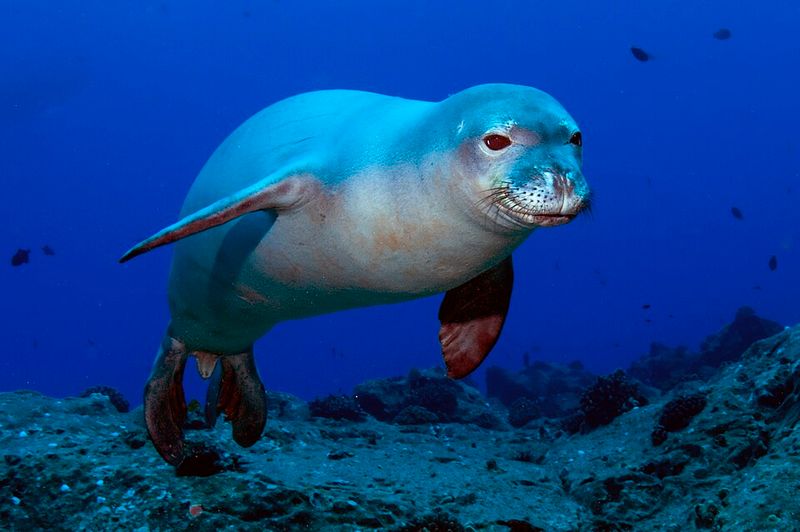
Image Credit: N3kt0n.
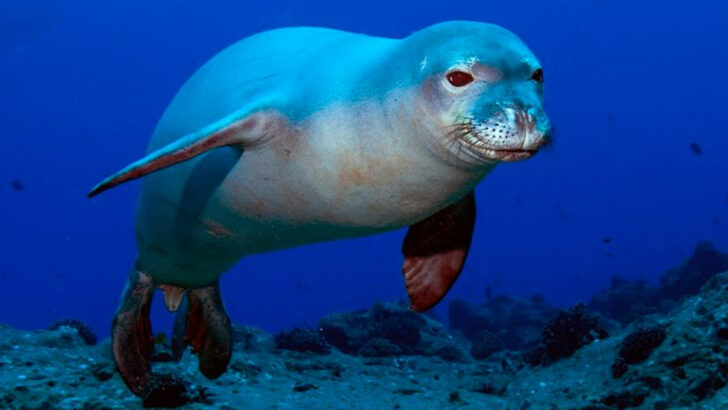
The Hawaiian monk seal has a sleepy look that can fool you into thinking it lives an easy life. Then you learn it is one of the rarest marine mammals in the world, found only in Hawaii, and every beach nap starts to feel heroic.
When you see one stretched across sand or dark volcanic rock, the right reaction is simple admiration from a respectful distance.
These seals spend much of their lives at sea, diving and hunting fish, octopus, and crustaceans along the ocean floor. They can hold their breath for impressive stretches and forage deep below the surface, yet they also need quiet shorelines to rest, molt, and raise pups.
That mix of toughness and vulnerability makes them especially compelling.
Protection has mattered here. Once listed as endangered and still closely watched, the species has shown encouraging improvement, with a population around 1,600 and a growing presence in the main islands.
Still, each seal feels less like a common animal sighting and more like a rare, living reminder that recovery is possible.
Green Sea Turtle
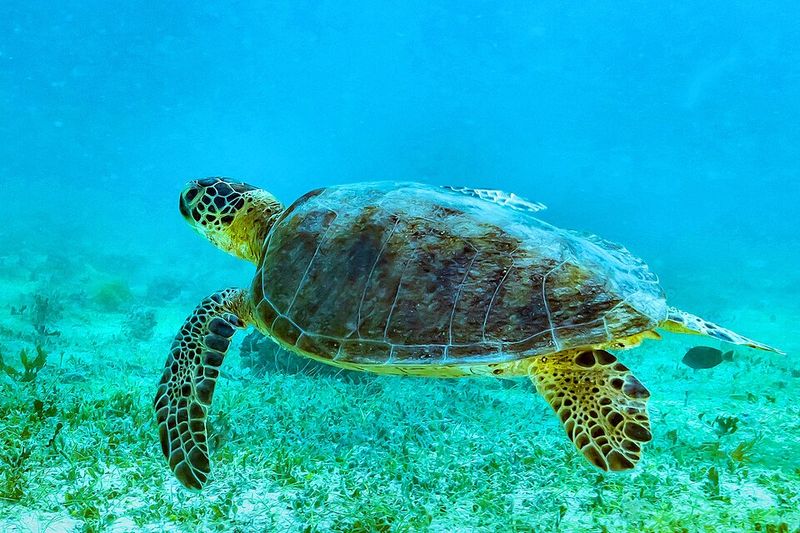
Image Credit: RobertoCostaPinto.
Seeing a honu in Hawaii can make the whole ocean feel calmer. The green sea turtle moves with a slow confidence that seems almost ceremonial, and that probably helps explain why it carries so much cultural meaning across the islands.
Wisdom, guidance, protection, and resilience all seem believable when you watch one drift over a reef.
Adult green sea turtles are mostly herbivores, grazing on algae and seagrass in shallow coastal waters. Younger turtles eat more broadly before shifting toward a plant-focused diet, and that diet even contributes to the greenish color of their body fat.
They can live for decades, grow large, and sometimes bask right onshore, which feels unusual for sea turtles.
Because they are protected under federal and state law, your role is wonderfully straightforward: appreciate, do not approach. Keeping a respectful distance helps these animals stay wild and undisturbed.
In Hawaii, that little pause between you and a turtle becomes part of the experience, almost like the islands are teaching you that reverence can be a form of sightseeing too.
Hawaiian Hoary Bat
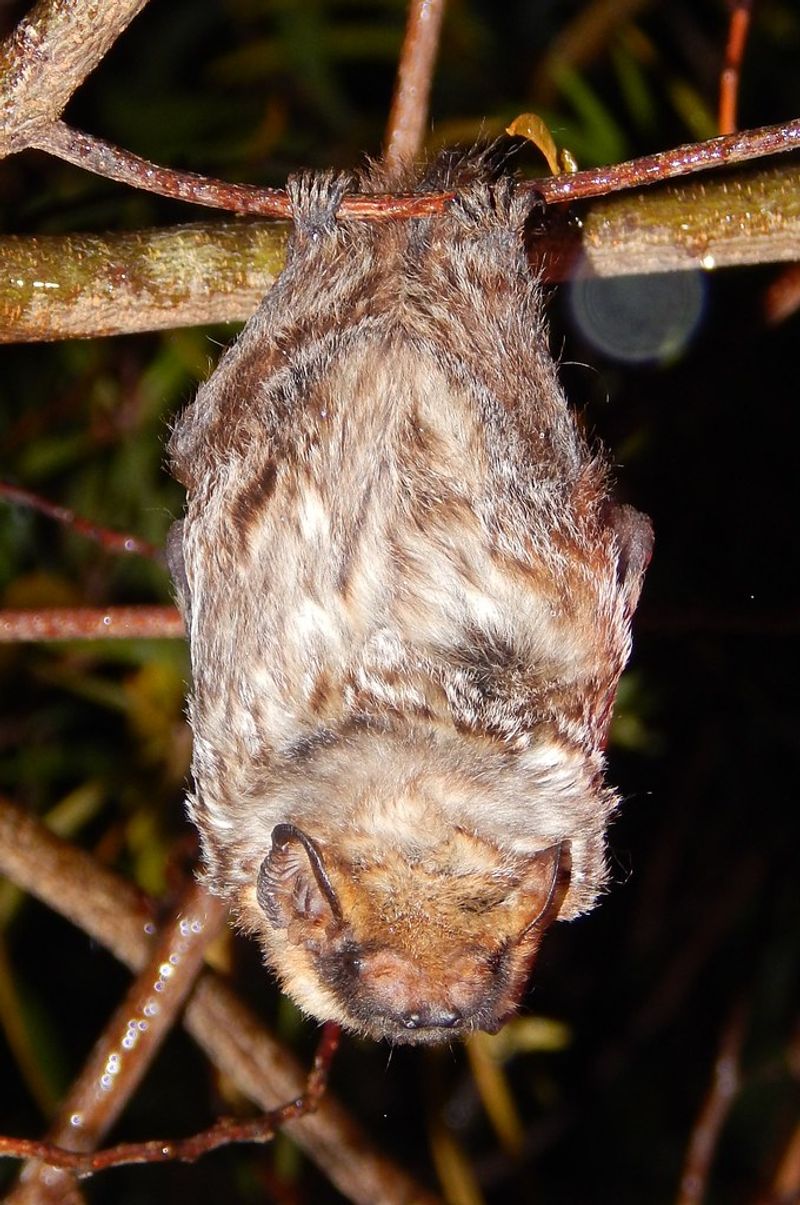
Image Credit: Forest Starr and Kim Starr
The Hawaiian hoary bat is the kind of animal that makes Hawaii feel even stranger in the best way. Most people do not expect the islands’ only native land mammal to be a small, solitary bat drifting through the evening sky.
If you are outside at dusk and notice quick, silent flight overhead, you might be sharing the hour with an ʻōpeʻapeʻa.
During the day, these bats usually roost in tree foliage rather than caves, which already breaks the usual bat stereotype. At night, they hunt flying insects with echolocation across forests, grasslands, farms, and even urban areas, showing an adaptability that is easy to admire.
Their range from sea level to volcanic elevations gives them a surprisingly broad island footprint.
They are also endangered, and that changes how I think about an ordinary sunset. Wind turbines, habitat loss, and shrinking insect prey all add pressure to a species many visitors never realize exists.
That invisibility may be part of what makes the ʻōpeʻapeʻa unforgettable – it is hidden, native, and quietly holding its place in Hawaii’s night air.
Hawaiian Short-Eared Owl
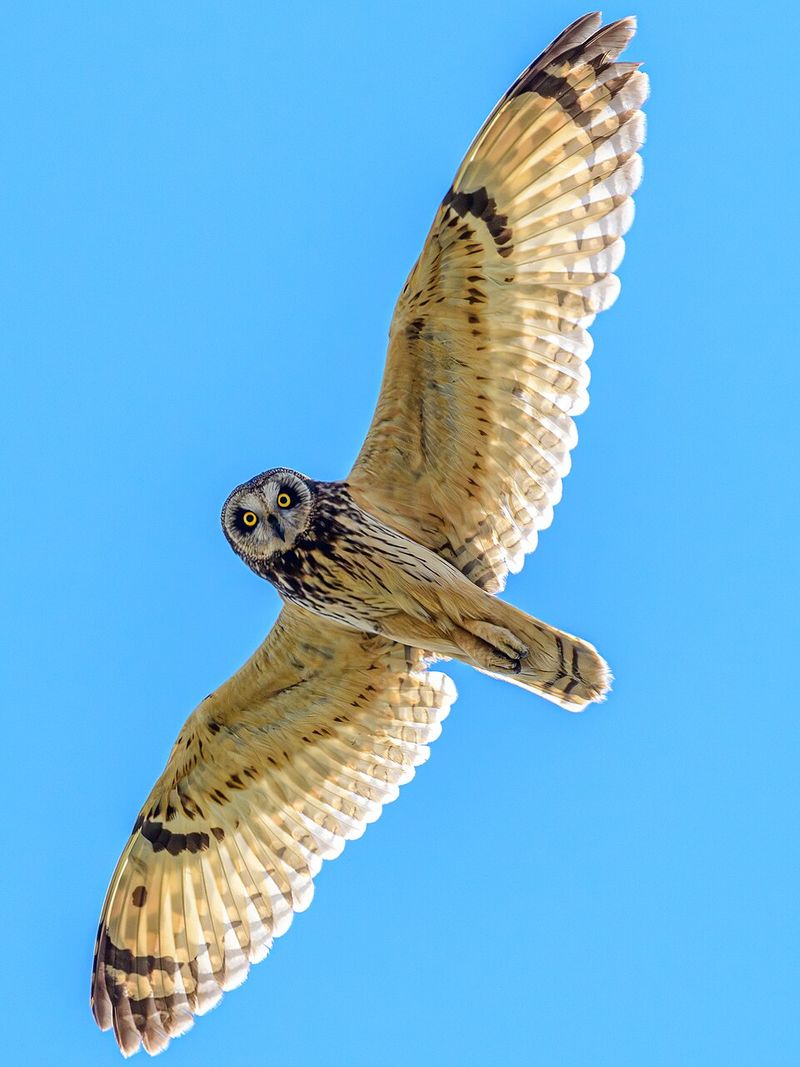
Image Credit: Stephan Sprinz.
The pueo does not behave like the owl many people picture. Instead of hiding strictly in darkness, this Hawaiian short-eared owl often appears in daylight or at twilight, gliding low over open land with a steady, searching focus.
That surprise alone makes it memorable, but its deeper cultural meaning makes it even more powerful.
In Hawaiian tradition, the pueo is often linked with protection, guidance, and ancestral presence. Knowing that changes the feeling of a sighting.
What might have been a quick birdwatching moment starts to feel charged, as if the landscape itself is paying attention while this owl scans grasslands, shrublands, pastures, and coastal plains for prey.
Unlike many owls, pueo nest on the ground, which leaves them vulnerable in a modern world full of cars, predators, and altered habitats. They help control rodents and insects, yet they remain at risk on several islands, especially Oahu.
If you ever see one perched in open country, the best response may be simple stillness – let the pueo keep its mystery.
ʻIʻiwi
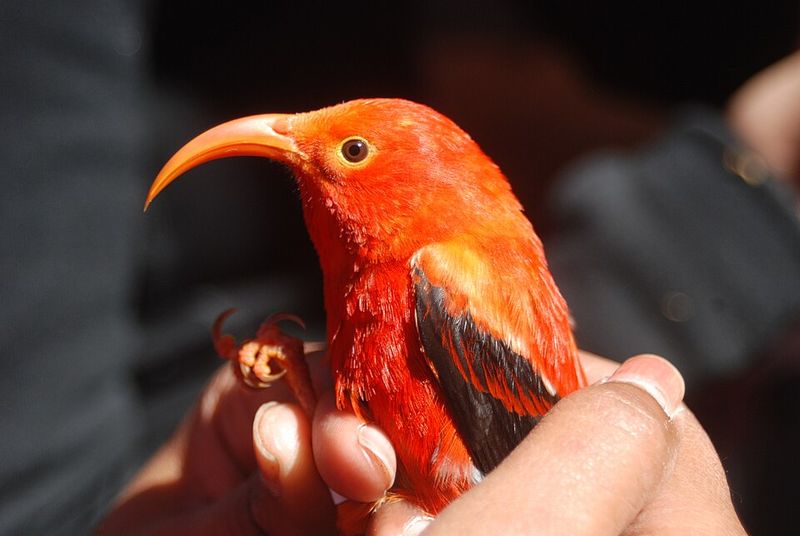
Image Credit: (c) Loren Cassin Sackett.
The ʻiʻiwi looks almost too brilliant to be real. Its scarlet feathers and long curved bill give it the kind of dramatic silhouette that seems designed for legends, not forests.
When you imagine Hawaii’s native birds at their most iconic, this honeycreeper often lands near the top of the list.
That bill is not just beautiful. It is specialized for nectar feeding, especially from native blossoms such as ʻōhiʻa lehua, and the bird helps pollinate the very plants that shape high island forests.
Historically, its feathers were treasured in royal regalia, so the ʻiʻiwi carries both ecological importance and a deep cultural imprint.
What makes it more moving is how much pressure it faces. Avian malaria spread by introduced mosquitoes has pushed many ʻiʻiwi into higher, cooler forests where mosquitoes are less common, but climate change is narrowing that refuge.
Habitat loss adds more strain. If you ever hear or see an ʻiʻiwi in misty elevation, you are not just spotting a bird – you are witnessing a living fragment of old Hawaii still holding on.
Hawaiian Happy-Face Spider
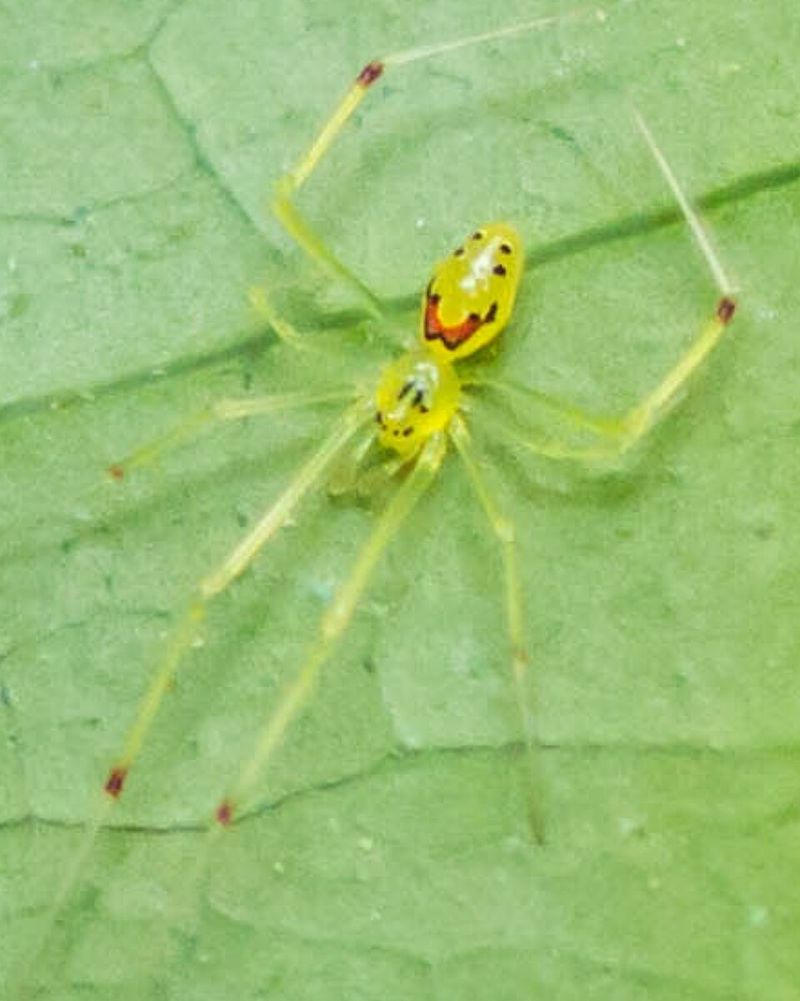
Image Credit: Melissa McMasters.
The Hawaiian happy-face spider sounds made up, which is exactly why it is so delightful. This tiny rainforest spider can display markings that look uncannily like a smiling face, though some look more puzzled than cheerful.
No two patterns are exactly alike, so every individual feels like nature improvising with a very small paintbrush.
Found only in Hawaii, this species lives on the undersides of leaves in wet forests, usually emerging at night to hunt tiny insects. Scientists think the unusual markings may help confuse predators or provide camouflage, which is a wonderfully practical use for something so whimsical.
It is harmless to humans, but that does not make it any less extraordinary.
What I find most surprising is that the females actively care for their young, guarding eggs and helping spiderlings survive. That tenderness does not fit most people’s spider stereotypes, and maybe that is the point.
The happy-face spider rewards closer attention, showing that Hawaii’s rarest marvels are not always big, flashy, or easy to spot – sometimes they are smaller than your fingernail and still impossible to forget.
Kamehameha Butterfly
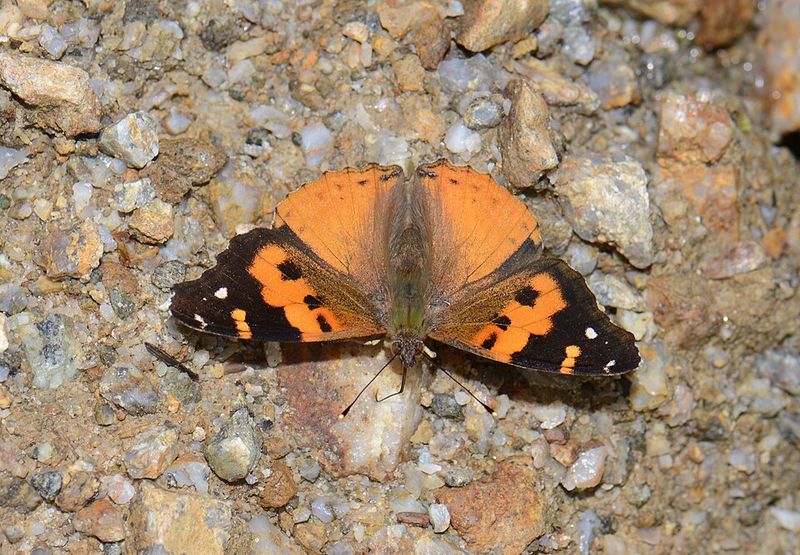
Image Credit: Pavel Kirillov.
The Kamehameha butterfly feels like a royal detail hidden in plain sight. Named for Hawaii’s royal family and recognized as the state insect, it carries a sense of ceremony even while fluttering through forests and gardens.
If you catch one landing long enough to study its orange, black, brown, and white patterning, it is hard not to feel briefly enchanted.
This butterfly is one of only two species native to Hawaii, which already makes it rare in spirit. Its caterpillars rely on native māmaki and related plants, while adults often feed from koa sap and native flowers.
That specialized relationship with local plants means the butterfly is tied closely to the health of Hawaiian forests.
Although you can still see it across the major islands, populations have declined and are now more concentrated in higher elevations. Habitat loss, invasive predators, and shrinking host plants all complicate its future.
That gives this species an unusual emotional weight. It is light, bright, and graceful, yet it also reminds you that even delicate beauty can become a conservation story if people stop paying attention.
Hawaiian Bobtail Squid
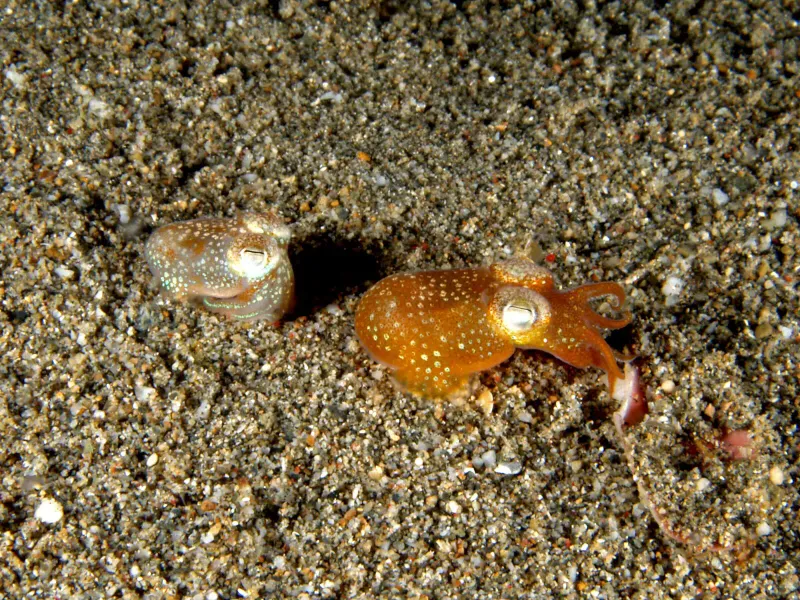
Image Credit: Nhobgood Nick Hobgood.
The Hawaiian bobtail squid is proof that some of Hawaii’s strangest residents are nearly invisible. Only a few inches long, this small cephalopod spends its daytime buried in sand, then emerges at night with a secret weapon that sounds more like science fiction than marine biology.
It glows, but not by itself.
Inside a specialized light organ, bioluminescent bacteria produce light that helps the squid blend with moonlight and starlight from above. This trick, called counter-illumination, hides its shadow from predators looking upward and gives it cover while hunting small crustaceans.
The partnership is so precise that young squid must acquire the right bacteria from seawater soon after birth.
That relationship has made the species famous in research, but it is also just deeply cool on its own terms. A tiny animal, a built-in lantern, and a nightly routine of vanishing in plain sight is hard to top.
If you want a species that captures Hawaii’s weird brilliance, the bobtail squid may be the most unconventional star on the list.
Yellow Tang
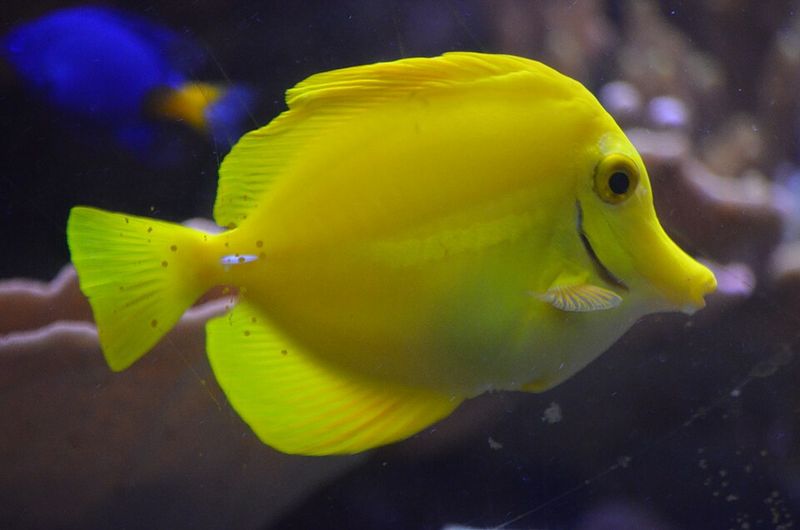
Image Credit: Samsmachado.
The yellow tang looks like someone dropped a piece of living sunshine onto a reef. Its solid lemon-yellow body is so bright and clean-looking that even non-divers recognize it immediately.
In Hawaii, that color is not just pretty – it belongs to one of the reef’s most important maintenance workers.
Yellow tangs spend their days grazing algae from reef surfaces, helping prevent seaweed from overrunning slower-growing corals. That constant nibbling keeps reef ecosystems more balanced, which means this eye-catching fish is also doing practical ecological labor all day long.
At night, its color shifts darker and a pale band appears, giving it a surprisingly different look once the reef settles down.
There is also a tough side to all that brightness. Near the base of the tail sits a sharp spine used for defense, a reminder that reef beauty often comes with built-in attitude.
Heavy collection for the aquarium trade and reef degradation have raised concerns, so seeing yellow tangs where they belong feels especially satisfying. They are dazzling, useful, and a little fiercer than they first appear.
Reef Triggerfish
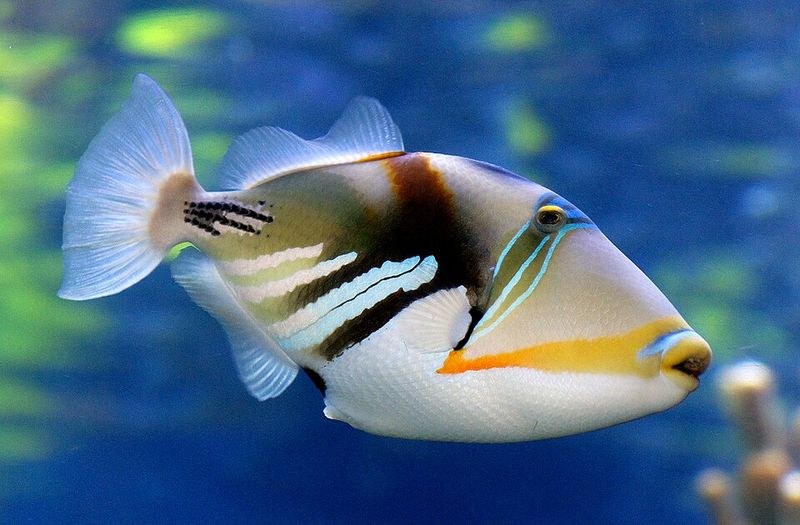
Image Credit: Bernard Spragg. NZ.
No list of extraordinary Hawaiian species feels complete without the humuhumunukunukuāpuaʻa. Yes, the name is glorious, and yes, saying it is part of the fun, but this reef triggerfish earns attention even before you learn the pronunciation.
Its bold patches of yellow, blue, white, and black make it look as if a reef artist got unusually ambitious.
As Hawaii’s official state fish, it has both visual fame and cultural weight. Snorkelers love its curious behavior, but this is not a purely decorative fish.
It roots through sand, blasts jets of water to uncover prey, grazes algae, and snaps up invertebrates with the focused confidence of something that knows the reef belongs partly to it.
It also has a clever defense. A stout dorsal spine can lock upright, helping the fish wedge itself into rocky crevices where predators cannot easily pull it free.
During nesting season, it may even confront intruders, which gives this cartoon-bright fish a surprisingly assertive personality. Honestly, that balance of beauty, oddity, and attitude feels very Hawaiian: unforgettable at first glance and even better once you look closer.