
Wyoming looks wide open until something streaks across it faster than your eyes can settle. From high plains runners to cliff-diving hunters, this state hosts an incredible cast of animals built for speed.
Some explode in short bursts, while others seem engineered to keep going forever. If you want to picture Wyoming as a living racetrack, these 11 animals make the case beautifully.
Pronghorn
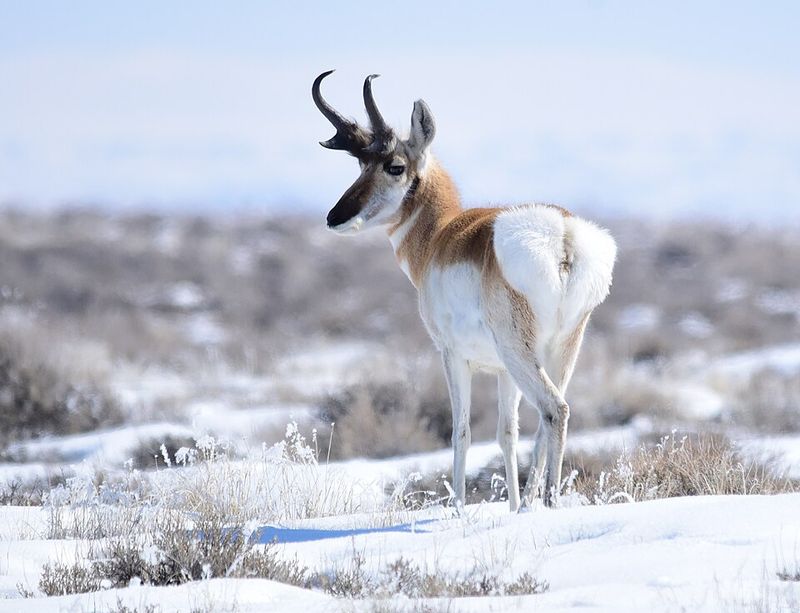
Image Credit: USFWS Mountain-Prairie.
If Wyoming had an undisputed speed icon, this would be it. The pronghorn can hit roughly 55 to 60 mph, and some observations push that number even closer to 61.
What really amazes you, though, is not just the burst but the endurance.
Unlike many sprinters that fade quickly, pronghorns are built to hold fast speeds over long distances. That makes perfect sense in Wyoming, where open country seems to stretch forever and escape often depends on stamina as much as acceleration.
It is the fastest land animal in North America and one of the fastest land mammals anywhere.
Wyoming also holds the continent’s largest pronghorn population, with herds moving through places like the Red Desert and Yellowstone ecosystems. Some migrations cover more than 150 miles one way, which makes their speed feel even more impressive.
When you picture movement shaped by landscape, nothing captures Wyoming better than a pronghorn flying low over sagebrush.
Peregrine Falcon
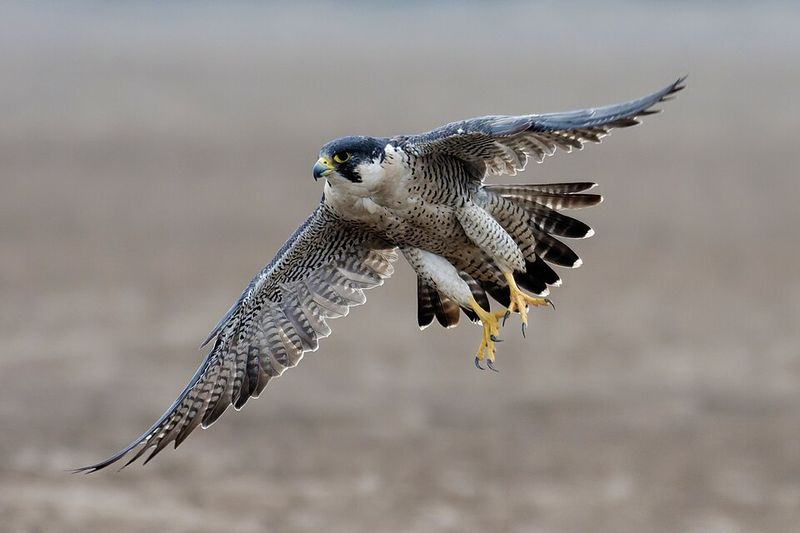
Image Credit: Shiv’s fotografia.
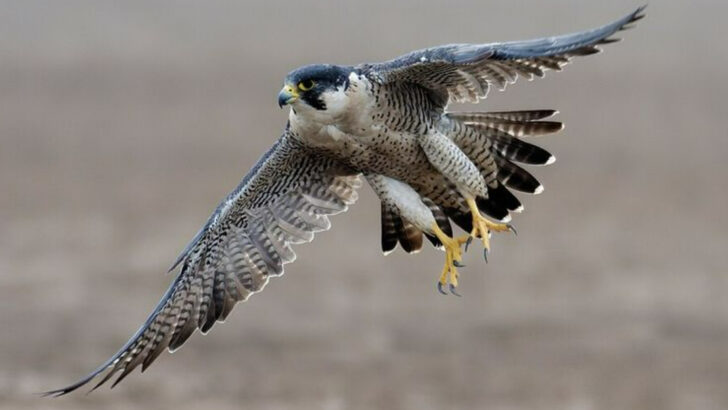
The peregrine falcon turns Wyoming’s sky into a racetrack, but only when it decides the race is over. In level flight it is already quick, yet its real legend comes during the hunting stoop, when it can exceed 200 mph.
That makes it the fastest animal on Earth, not just in the state.
You can imagine the advantage this gives a hunter patrolling cliffs, river canyons, and open valleys. A peregrine folds its wings, drops like a thrown blade, and turns gravity into breathtaking speed with startling precision.
The result is less a chase and more a sudden ending.
Wyoming’s rugged landscapes give these falcons ideal launch points and broad visibility. From a distance, the dive can look unreal, almost like a feathered meteor aimed with intention.
If the pronghorn owns the ground, the peregrine owns the vertical, proving that the wildest speed in Wyoming may come from above rather than across the plains below.
Golden Eagle
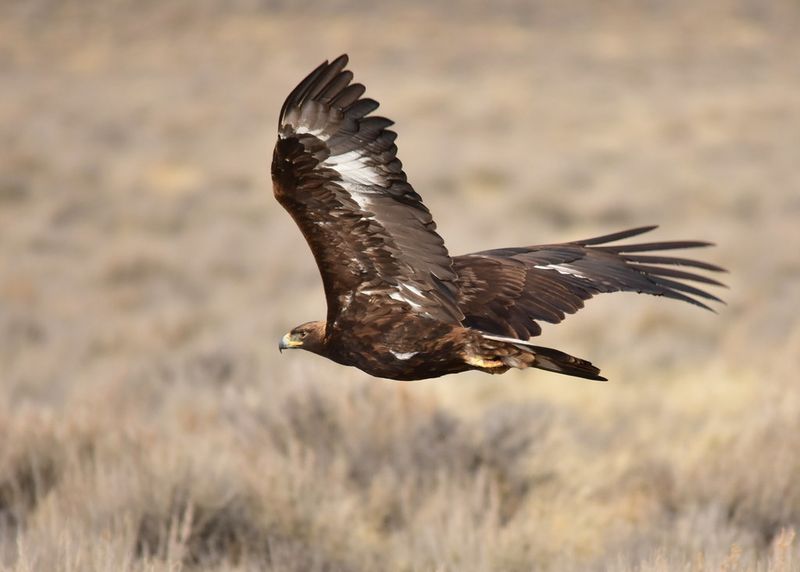
Image Credit: USFWS Mountain-Prairie.
The golden eagle carries speed with a different kind of drama. It is not just fast, but powerful, using broad wings and fierce control to dive at 80 mph or more when hunting.
Watching one in Wyoming, you get the sense that every motion has purpose.
These birds thrive across mountains, foothills, and wide plains, where their astonishing eyesight lets them spot prey from far above. Once they commit, the dive is direct and forceful, a rush of muscle, air, and accuracy.
Speed here is not flashy for the sake of it. It is a tool sharpened by hunger.
What makes the golden eagle memorable is the contrast between its calm soaring and sudden acceleration. One minute it seems to float, almost lazy against the huge Wyoming sky.
The next, it becomes a descending hunter with enough velocity to make the landscape feel smaller, proving that speed can look majestic right up until the moment it turns lethal.
Mule Deer
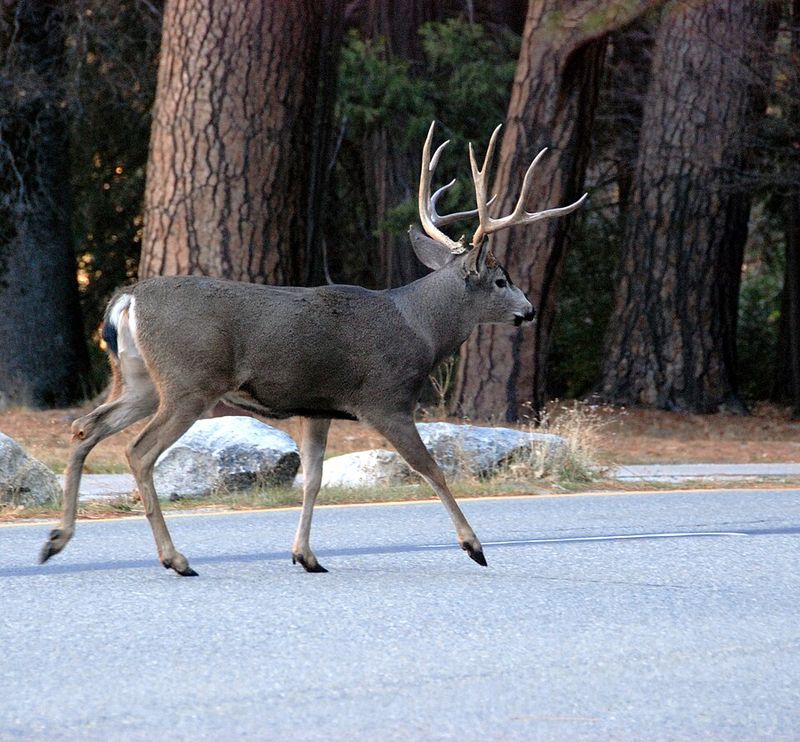
Image Credit: Constantine Kulikovsky.
Mule deer may not get top billing in speed conversations, but they deserve real respect. These common Wyoming residents can sprint to around 45 mph, and their signature bounding gait helps them cross rough country with surprising ease.
It is a style of movement that looks almost spring-loaded.
Instead of simply running flat and straight, mule deer use strong legs and remarkable coordination to cover uneven terrain fast. That matters in a place filled with draws, brush, rocky slopes, and sudden obstacles.
If you have ever watched one vanish uphill in seconds, you know speed is only part of the story. Agility finishes the job.
There is also something distinctly Wyoming about how mule deer move through big, broken spaces without seeming hurried until danger appears. Then the calm disappears and the animal becomes all reflex and escape.
They may not wear the crown like pronghorns, but in the daily reality of dodging predators, mule deer are among the state’s most effective fast movers.
Coyote
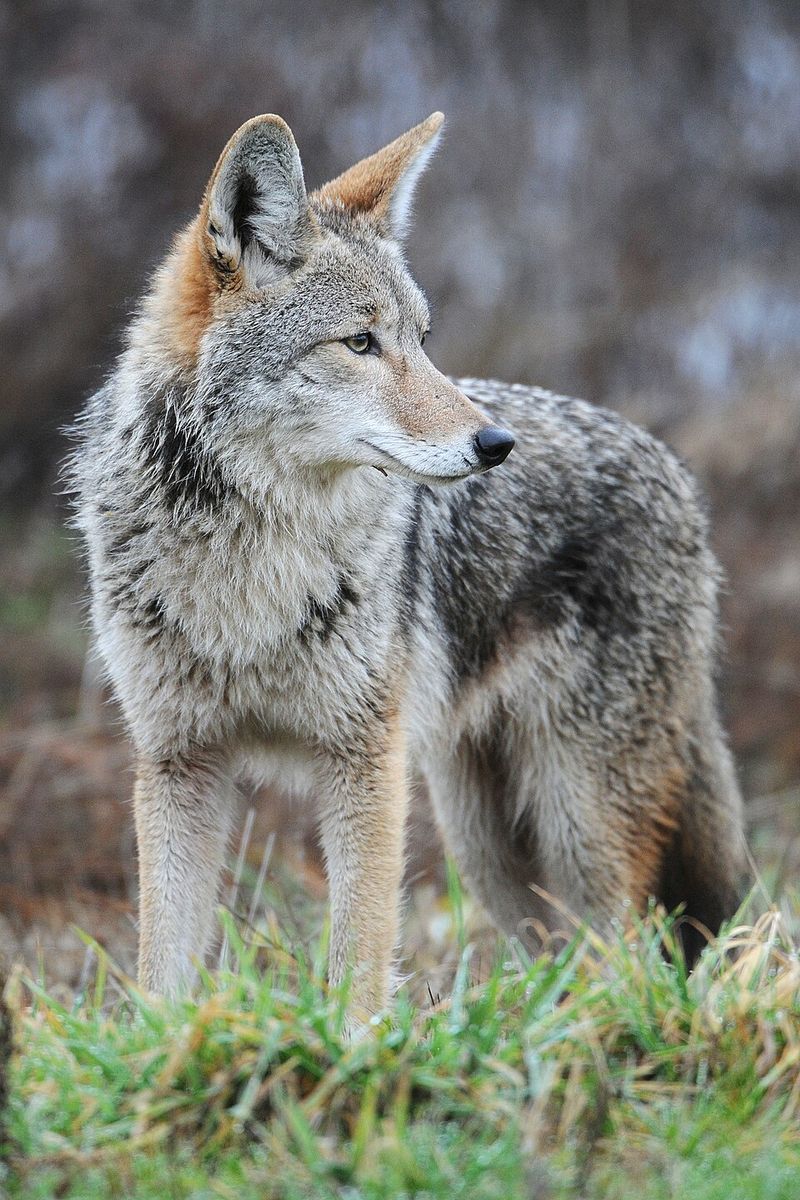
Image Credit: Rebecca Richardson (Red~Star).
The coyote is Wyoming speed in a lean, clever package. It can reach about 40 to 43 mph during short chases, but raw top speed tells only part of the story.
What makes coyotes impressive is how well they combine quickness with stamina, strategy, and adaptability.
In open country, they can cover serious ground without wasting effort, weaving through sage flats, meadows, and snow-fringed edges with practiced confidence. A coyote does not always need to be the fastest creature in the field if it can outlast, outthink, or outmaneuver what it wants.
That efficiency gives their movement a quiet kind of menace.
You also notice how well this animal fits Wyoming’s mixed terrain and unpredictable conditions. It can shift from a playful trot to a committed sprint in a heartbeat, whether chasing prey or escaping trouble.
Coyotes may not arrive with the glamorous reputation of falcons or eagles, but their blend of speed and endurance makes them one of the state’s most capable everyday racers.
American White Pelican
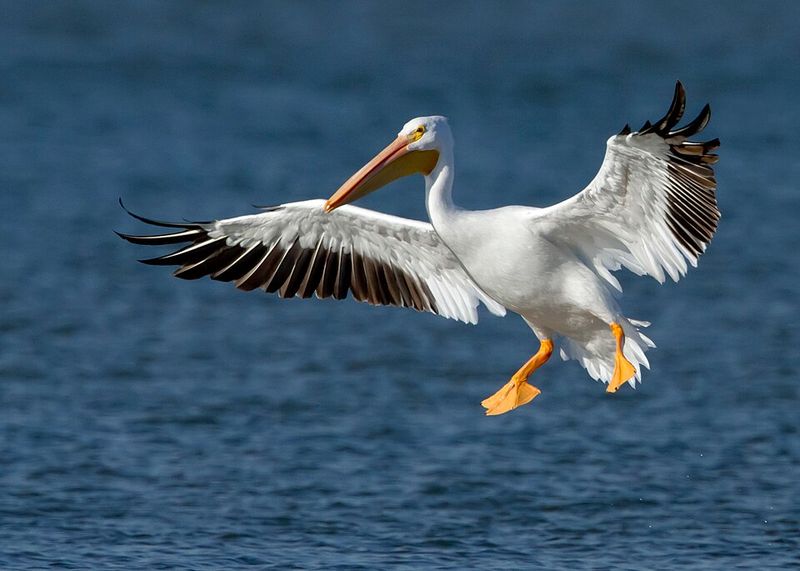
Image Credit: Manjith Kainickara.
The American white pelican feels like an unconventional entry on a fastest animals list, which is exactly why it belongs here. These enormous birds are better known for grace than urgency, yet they can travel at about 30 to 35 mph in steady flight.
In Wyoming, that speed carries them efficiently between feeding waters and nesting areas.
Because they are so large, their motion can seem almost impossible at first glance. Then you watch a flock lift, settle into formation, and start cutting cleanly across the sky with purposeful rhythm.
It is not dramatic like a falcon’s dive, but there is a quiet athleticism in covering distance so smoothly.
Pelicans add a different texture to Wyoming’s speed story by reminding you that velocity is not always explosive. Sometimes it is measured, economical, and surprisingly elegant.
Over lakes and wetlands, their broad wings turn air travel into a kind of floating commute, proving that even one of the state’s most stately birds can still move faster than many people would ever guess.
Mountain Lion
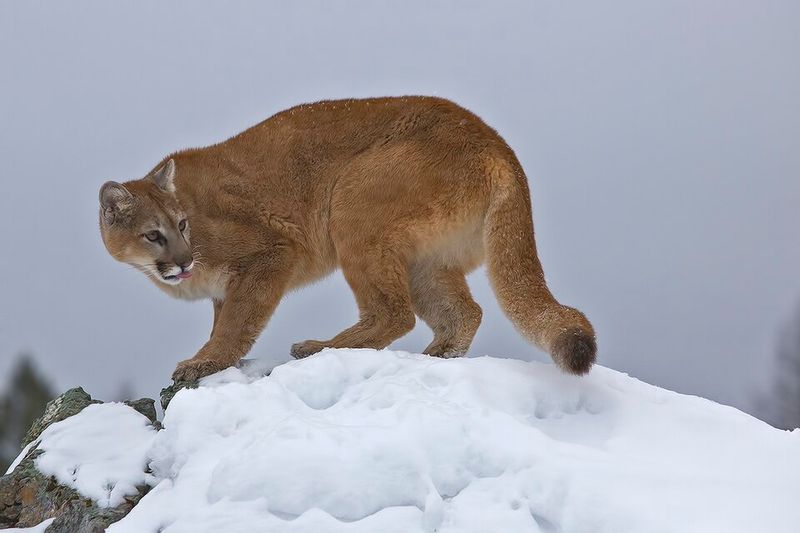
Image Credit: Elaine R. Wilson.
The mountain lion is the kind of fast that feels personal, immediate, and a little unsettling. Also called the cougar, it can burst to roughly 40 to 50 mph over short distances, usually when a sudden ambush matters more than a long chase.
In Wyoming, that speed turns stealth into a decisive weapon.
Most of the time, this predator wins by staying unseen until the last possible moment. It moves through timber, rimrock, and brushy slopes with controlled patience, then releases a brief, muscular explosion of power.
That sprint is not built for show. It is built for closing distance before prey has time to react.
What stands out is how compact and efficient the whole performance can be. A mountain lion does not need open prairie theatrics to prove its speed.
In rough terrain, a few seconds of acceleration are often enough to change everything. If Wyoming’s fastest animals tell different stories, the cougar’s version is simple, silent, and powered by perfectly timed violence.
Elk
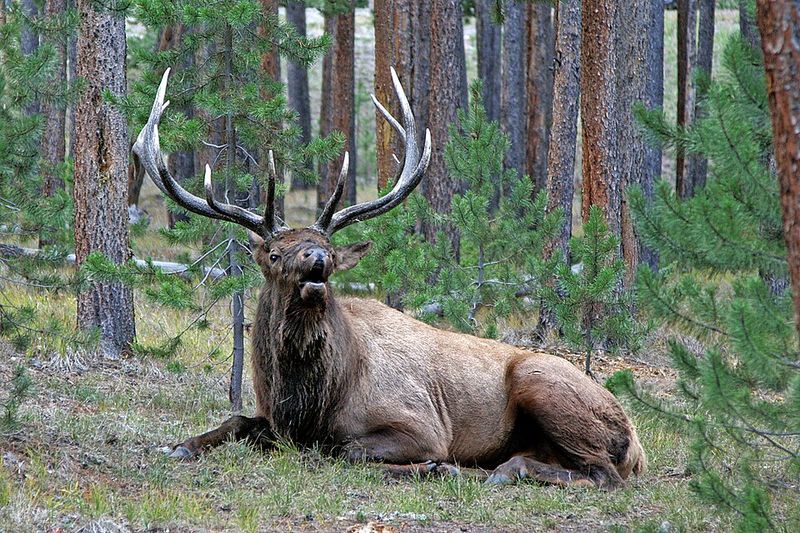
Image Credit: Flicka.
Elk look too large to move the way they do, which makes their speed especially impressive. Adults can run up to about 40 mph, and when they commit, the ground seems to answer with pure thunder.
In Wyoming’s forests, meadows, and foothills, that combination of size and pace is hard to ignore.
You might expect such a heavy animal to be powerful but slow, yet elk often prove the opposite. Long legs, strong muscles, and efficient movement let them cover terrain quickly while staying balanced over surprisingly uneven ground.
In a herd, the effect is even more dramatic, with multiple bodies flowing together like a moving weather system.
Elk also show that speed in the wild is often about survival rather than spectacle. A fast getaway can mean escaping predators, crossing exposed areas, or keeping up with seasonal movement.
They may not be Wyoming’s sleekest racers, but their ability to carry so much mass at such speed gives them a special category all their own, something like heavyweight champions of the plains.
Greater Sage-Grouse
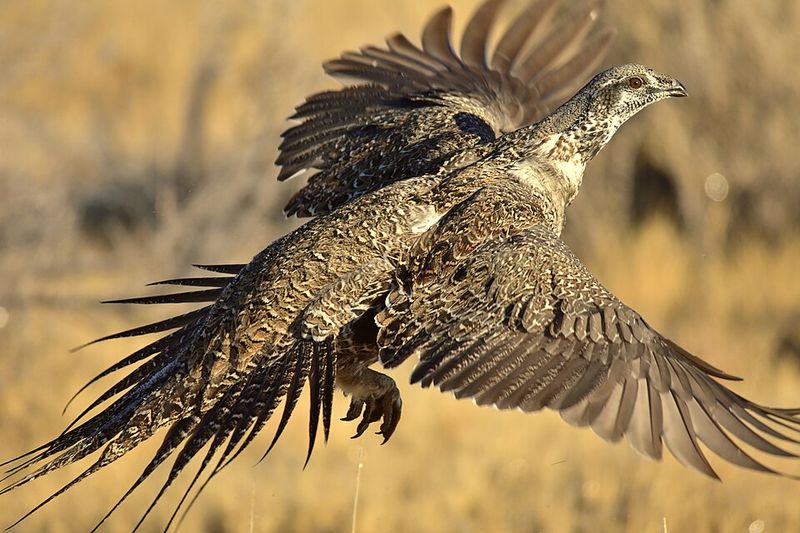
Image Credit: USFWS Mountain-Prairie.
The greater sage-grouse is not the first animal most people imagine when they think about speed. That is exactly what makes it such a fun Wyoming contender.
When danger hits, this bird can reach flight speeds of around 45 mph, turning a seemingly grounded, cautious presence into a sudden rush of wings.
Because sage-grouse spend so much time in sagebrush country, their quick escape matters more than glamorous long-distance performance. They need enough acceleration to break from cover and enough speed to put space between themselves and predators fast.
In that moment, their awkward reputation disappears completely.
Wyoming holds one of the largest populations of greater sage-grouse, so this burst of hidden athleticism is part of the state’s everyday wildlife story. I like that they represent a less obvious form of speed, one you might miss unless you startle one and watch it launch.
It is a reminder that on the Wyoming landscape, even the birds known for courtship dances and soft camouflage can become genuine racers when survival calls.
Rocky Mountain Bighorn Sheep
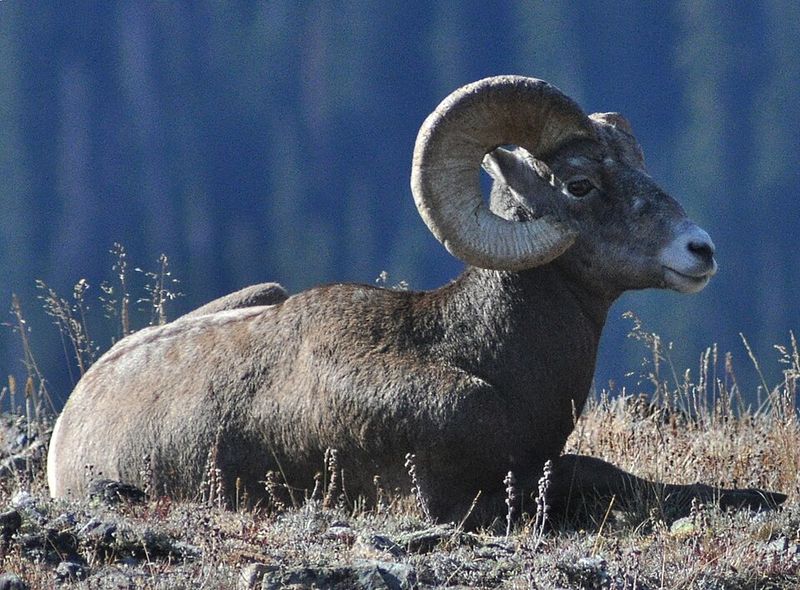
Image Credit: dw_ross.
Rocky Mountain bighorn sheep make speed look inseparable from balance. They can run around 30 mph, which may sound modest next to pronghorns and falcons, until you remember they do it on steep, broken terrain that would stop most animals cold.
In Wyoming, that turns them into specialists of fast, confident escape.
Their talent is not just about how quickly they move, but where they can move quickly. Narrow ledges, loose rock, sudden climbs, and cliff faces become workable pathways under those sure feet.
Watching a bighorn surge uphill is like seeing gravity politely ignored for a few seconds.
That unusual blend of velocity and agility gives them a place on this list that feels both traditional and a little wild. They are not racing across flat prairie.
They are negotiating a vertical obstacle course at speeds that would terrify most creatures. If Wyoming’s fastest animals reveal how landscape shapes athleticism, bighorn sheep make the point beautifully by treating mountainsides like a track designed just for them.
Black-Tailed Jackrabbit
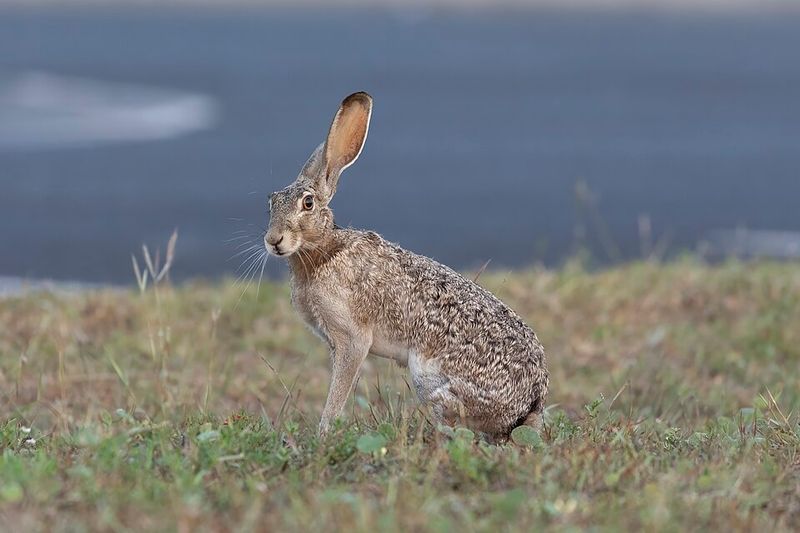
Image Credit: Chuck Homler d/b/a Focus On Wildlife.
The black-tailed jackrabbit brings a jittery, unpredictable style of speed to Wyoming’s open spaces. It can reach about 40 mph, but what really saves it is the combination of rapid acceleration and sudden direction changes.
This is not just running. It is evasive choreography written in panic and precision.
Long legs and oversized ears give the jackrabbit a memorable silhouette, yet its real signature is how hard it is to predict once it starts moving. A straight chase rarely stays straight for long.
Sharp turns, quick leaps, and abrupt zigzags force predators to guess wrong at exactly the worst moment.
That makes the jackrabbit one of the state’s most entertaining fast animals to picture in motion. It does not dominate through raw power or dramatic size.
Instead, it survives by being explosively quick and frustratingly hard to catch. On Wyoming’s sagebrush flats, that skill can be the difference between becoming dinner and disappearing into distance, proving that smaller racers often bring the smartest tricks to the track.