
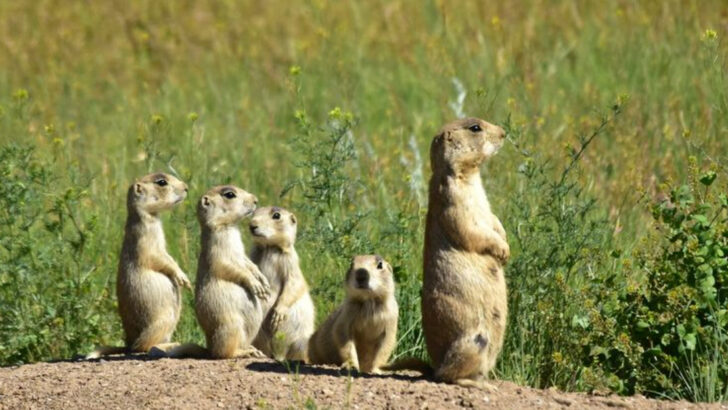
Winter in Colorado is not just about snow-packed peaks and frozen trails – it is also the season when some of the state’s wildest residents seem to vanish. Beneath rocks, inside dens, and deep in hidden burrows, animals across Colorado ride out the cold in surprisingly different ways.
Some truly hibernate, some slip into torpor, and others brumate with barely a twitch. If you have ever wondered where the wildlife goes when the temperature drops, these twelve animals tell a fascinating story.
Black Bear
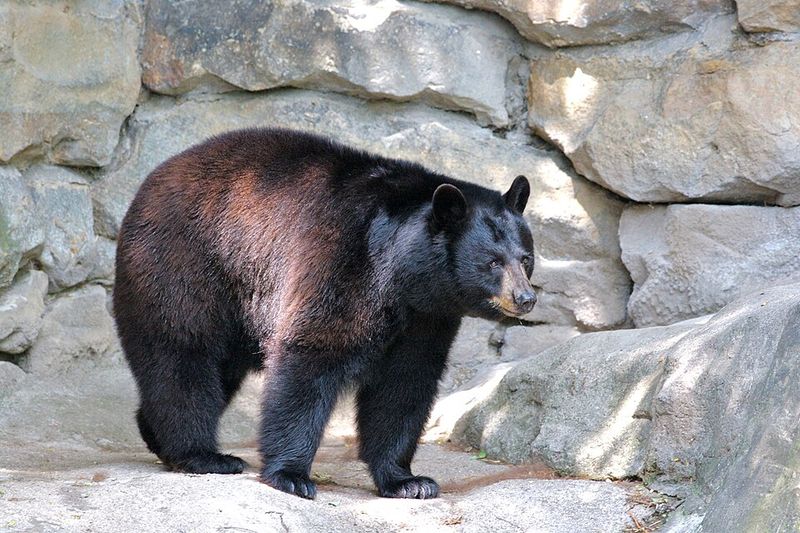
Image Credit: Ryan E. Poplin.
If you picture a Colorado black bear sleeping through winter like a furry statue, the truth is a little more interesting. These bears enter torpor, not true hibernation, which means their body temperature drops only slightly and they can wake more easily than you might expect.
Still, they spend months denned up, usually from November into March or April, surviving entirely on stored fat.
What amazes me is how complete that shutdown becomes. During denning, a black bear does not eat, drink, urinate, or defecate, sometimes for close to 200 days, yet it comes through the season alive by recycling nutrients and conserving energy with incredible efficiency.
In milder weather, some bears may briefly rouse and even search for food.
That flexibility makes Colorado’s black bear feel like a practical winter strategist. Instead of disappearing completely, it simply turns the volume of life way down until spring opens the pantry again.
Yellow-Bellied Marmot
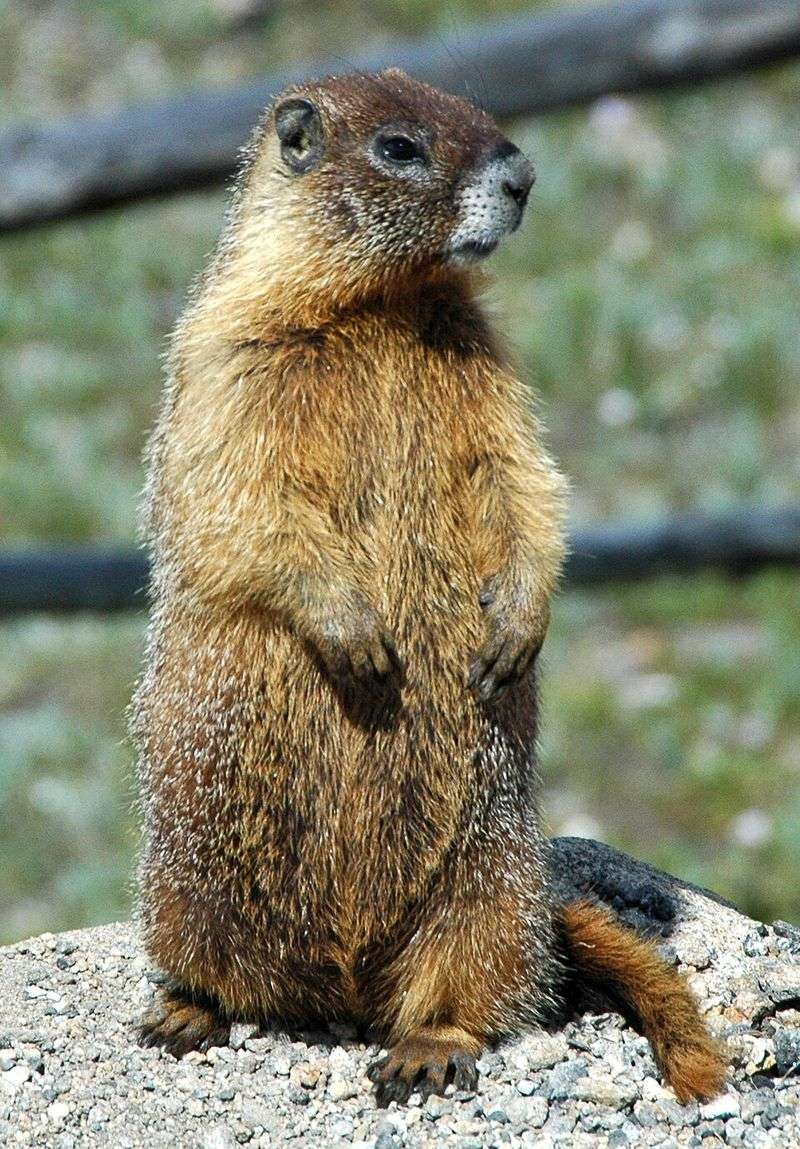
Image Credit: James St. John.
The yellow-bellied marmot might be Colorado’s champion sleeper, and honestly, it earns the title. Living in alpine and subalpine country where warm weather is brief, this chunky ground squirrel spends summer eating with purpose, then disappears underground for seven to eight months.
By the time snow settles in, its whole year becomes a lesson in timing.
During hibernation, the marmot’s body enters a dramatic slowdown. Heart rate can plunge from around 180 to 200 beats per minute to roughly 30, breathing slows to just a breath or two each minute, and body temperature falls near 41 degrees Fahrenheit.
All of that helps preserve the fat reserves it packed on during its short feeding season.
I love how completely this animal commits to the alpine schedule. It can lose nearly half its summer weight before emerging in spring, proving that in Colorado’s high country, sleeping is not laziness – it is survival written in fur.
Least Chipmunk
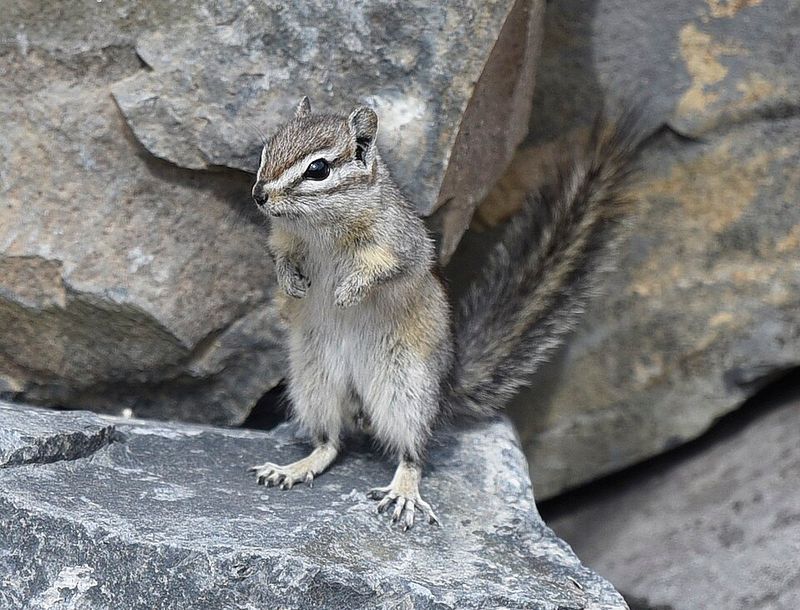
Image Credit: VJAnderson.
The least chipmunk does not treat winter like one long nap. Instead, this tiny Colorado resident uses a stop-and-start strategy, slipping into torpor for stretches, then waking inside its burrow to snack on cached food before bedding down again.
That rhythm lets it survive cold months without staying fully active or fully asleep.
I think that makes the least chipmunk one of the smartest winter planners on this list. Rather than gambling on finding food under snow, it spends the warmer months collecting seeds and other snacks, storing them where it can reach them when temperatures plunge.
Through winter, those supplies become the difference between a clever plan and a fatal mistake.
Because it wakes periodically, this species feels more like a careful household manager than a classic hibernator. You can imagine the burrow as a tiny pantry with a sleeping nook attached, where life continues in brief, efficient bursts until Colorado finally starts to thaw.
Golden-Mantled Ground Squirrel
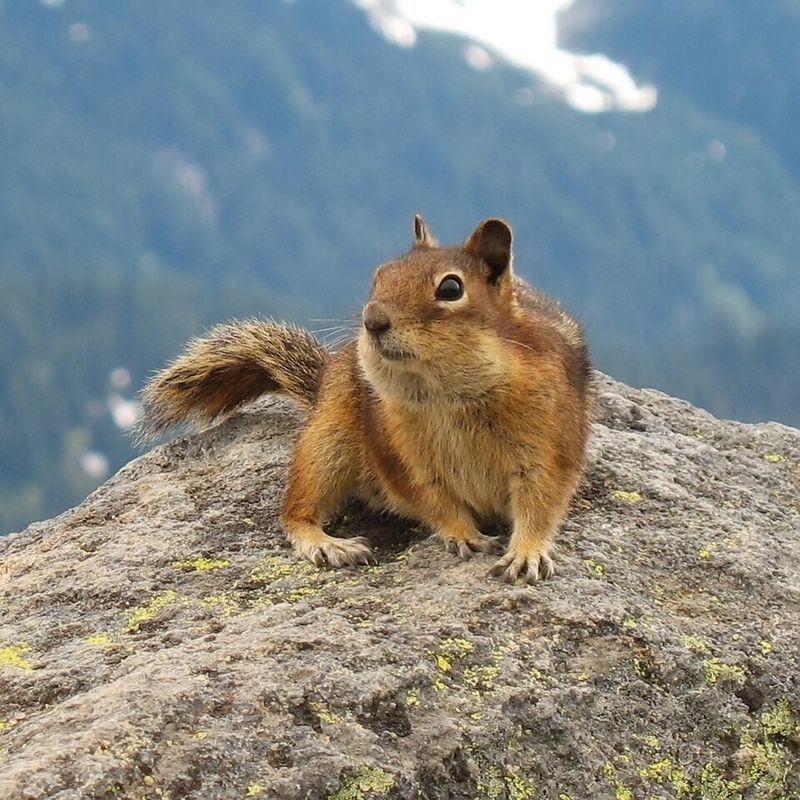
Image Credit: K.lee.
If you have ever mistaken a golden-mantled ground squirrel for an oversized chipmunk, you are not alone. Unlike a chipmunk, though, this Colorado animal is a true hibernator, built for a long seasonal disappearance.
By late summer it is eating heavily, building body fat that may reach 35 to 40 percent before it retreats underground.
Depending on elevation, it may vanish into its burrow from late August through November, then remain hidden until spring warmth returns. Its core temperature drops near the temperature of the burrow, and its metabolism slows sharply, helping it stretch precious energy over months of inactivity.
Some individuals also keep food stored below ground for use during brief awakenings or right after emergence.
I like this squirrel because it looks bright and alert in summer, then becomes a master of stillness in winter. In Colorado’s high country, that switch from frantic foraging to deep hibernation is one of nature’s neatest seasonal transformations.
White-Tailed Prairie Dog
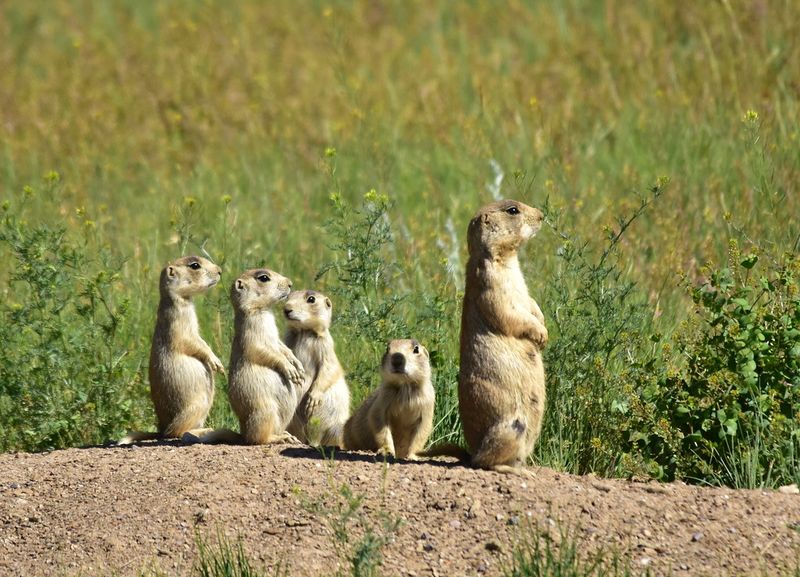
Image Credit: Tom Koerner/USFWS
Prairie dogs are usually cast as busy, noisy town dwellers, so the white-tailed prairie dog feels like a surprising exception. In Colorado’s western valleys and sagebrush country, this species is a true hibernator, spending the coldest months tucked below ground instead of standing watch above its colony.
That seasonal retreat sets it apart from black-tailed prairie dogs, which stay active year-round.
White-tailed prairie dogs generally head underground around October and may remain there until March. Males often emerge first in late winter, with females following a couple of weeks later, which turns spring into a carefully staggered return to surface life.
Their burrow systems offer protection from freezing temperatures and harsh weather while their metabolism slows enough to conserve energy.
I find that contrast fascinating because it changes the whole feeling of a prairie dog town. In summer the colony seems chatty and animated, but in winter it is almost as if the neighborhood has gone dark and locked the doors until thaw.
Wyoming Ground Squirrel
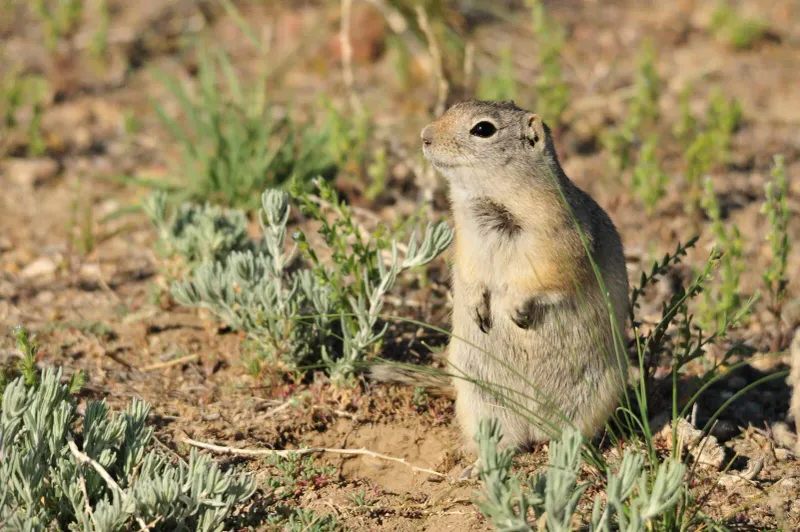
Image Credit: Tom Koerner/USFWS
The Wyoming ground squirrel lives on a schedule that feels almost upside down. In parts of Colorado, adults may head into hibernation by late July or early August, long before most people start thinking about winter.
Juveniles often stay out a bit longer, but even they usually disappear underground by September.
That means this animal can spend far more of the year asleep than awake, especially in high plains or mountain meadow populations. It remains below ground until March or April, with males often emerging one to three weeks before females.
During those hidden months, hibernation helps it endure cold weather and food scarcity in habitats that can be open, exposed, and unforgiving.
I think that early retreat is what makes this squirrel feel so unconventional. While other animals are still enjoying late summer, it is already wrapping up business and heading for bed, as if it understands better than anyone how short Colorado’s growing season can really be.
Little Brown Bat
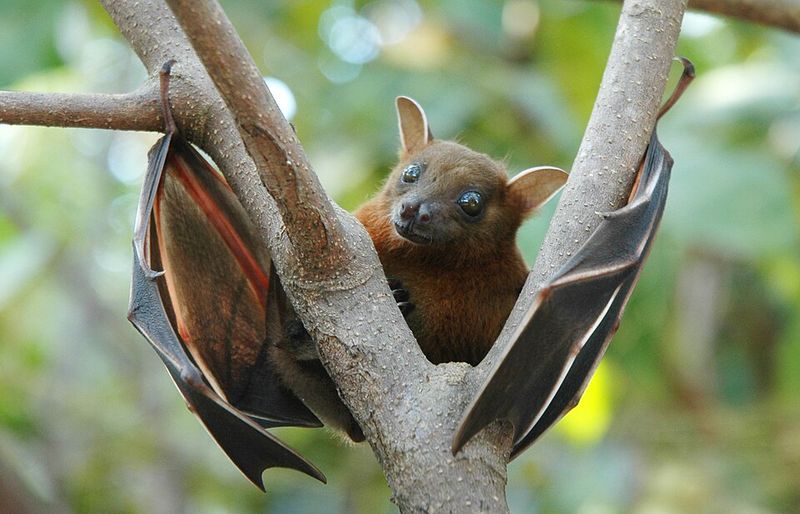
Image Credit: Anton 17.
The little brown bat spends summer chasing insects through Colorado evenings, then vanishes into a very different world when winter arrives. It hibernates in cool, stable, humid places such as caves, mines, rock crevices, and even snow-covered talus slopes.
There, clustered with others, it lowers its metabolism enough to survive on stored fat until flying insects return.
What stands out to me is how delicate that winter balance really is. A hibernating bat may seem asleep beyond concern, but if it is disturbed and forced to wake, it can burn through vital fat reserves far too quickly.
In shelters kept around 35 to 40 degrees Fahrenheit, conserving every bit of energy becomes the whole game.
This makes the little brown bat feel both tough and vulnerable at the same time. It can endure months of scarcity in a dark hidden refuge, yet its success depends on stillness, humidity, and the simple good fortune of making it to spring without too many interruptions.
Big Brown Bat
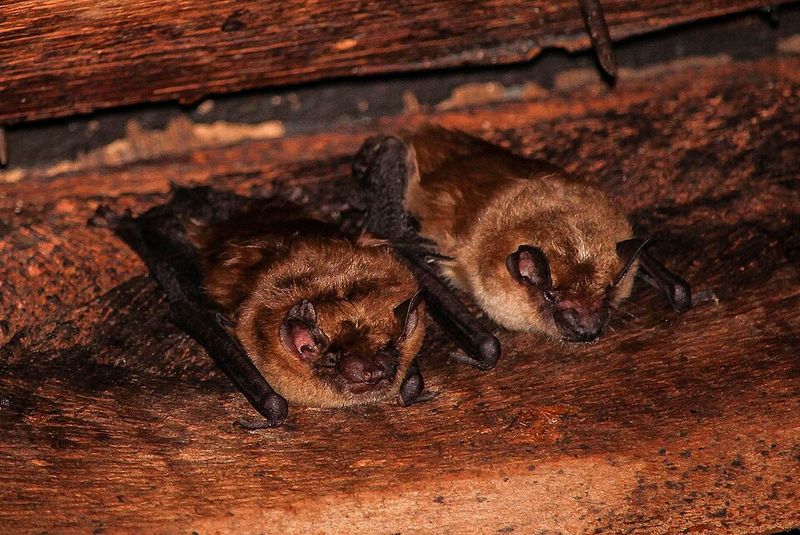
Image Credit: Connor Long.
The big brown bat is one of those animals that makes winter survival look adaptable rather than dramatic. In Colorado, it often hibernates in places closer to people than many other bats do, including attics, barns, storm sewers, rock crevices, caves, and mines.
It tolerates colder hibernation sites than a lot of bat species, which gives it a wider range of shelter options.
Before winter, these bats can build fat reserves equal to roughly 30 percent of their body weight. That stored energy becomes essential once they settle into a state of lowered metabolism, waiting out the insect-free months in a place with relatively constant conditions.
Their winter hideouts may not look glamorous, but consistency matters more than comfort.
I like the big brown bat because it feels practical, almost blue-collar in its choices. While other animals seek dramatic dens or deep burrows, this bat may simply tuck itself into the nearest dependable structure and trust biology, patience, and a good fat reserve to do the rest.
Prairie Rattlesnake
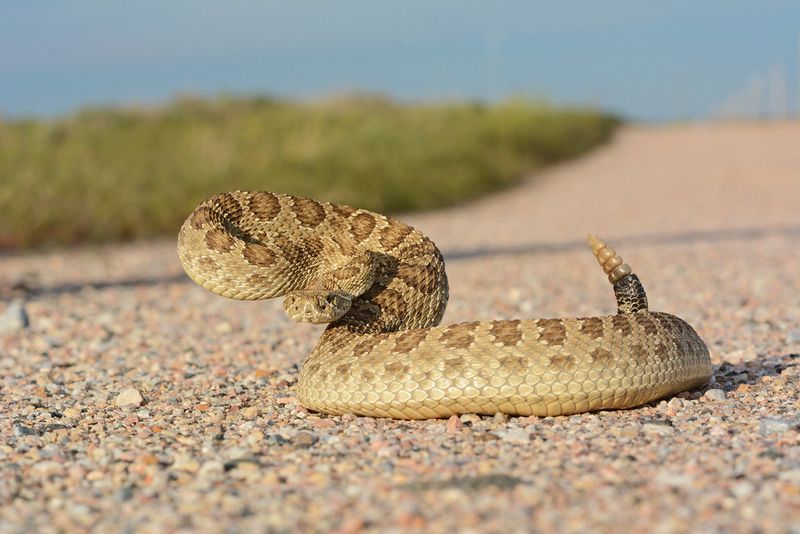
Image Credit: Andrew DuBois
The prairie rattlesnake does not hibernate the way mammals do, but it absolutely slows life down for winter. In Colorado, this snake brumates, which means its metabolism drops, feeding stops, and activity nearly disappears as cold weather settles in.
To survive, it heads below the frost line into communal dens called hibernacula.
Those dens can be surprisingly crowded. Dozens or even hundreds of snakes may gather in rocky fissures, caves, talus slopes, or abandoned prairie dog burrows, sometimes sharing space with other reptiles, amphibians, or small mammals.
On warmer winter days, a few may briefly emerge to bask, but for the most part they remain sluggish and sheltered until late March or early April.
I think the communal aspect makes this animal especially compelling. The same rattlesnake that seems solitary and intimidating in summer can become part of a tightly packed underground winter congregation, proving that even a famously independent reptile sometimes survives best by choosing the right neighbors.
Boreal Toad
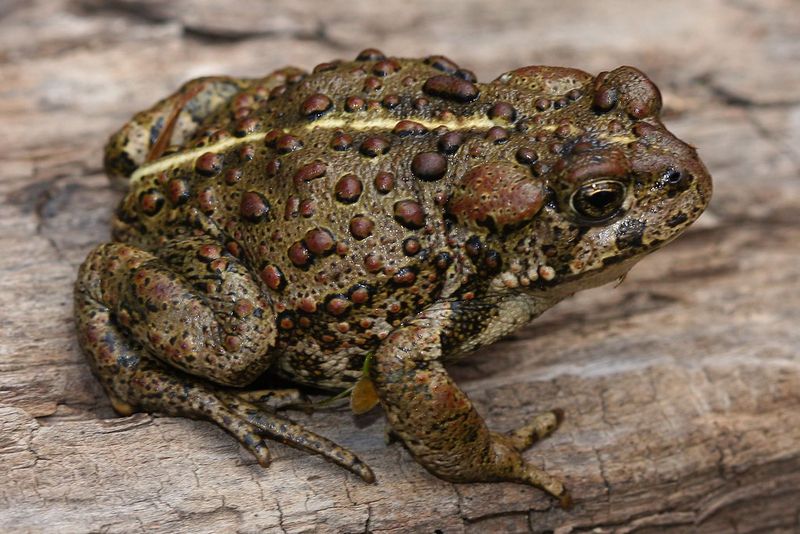
Image Credit: J. N.
The boreal toad is one of Colorado’s rarest high-country amphibians, and winter is one more challenge in its already difficult life. Found in montane wetlands between roughly 8,000 and 12,000 feet, it survives the cold by brumating in places that stay moist but do not freeze solid.
That can mean burrows, rodent tunnels, spaces under logs, rock chambers near streams, or even beaver dams.
I find that choice of shelter especially striking because amphibians are so tied to moisture. Unlike a furry mammal that can rely on insulation, the boreal toad must locate a winter refuge where cold is tolerable and dehydration is avoided at the same time.
Once settled, its metabolism slows dramatically and remains low until snowmelt and spring warming revive the landscape.
This toad feels like a quiet specialist in endurance. You may never see it tucked away under winter cover, yet its hidden survival story is one of the most impressive in Colorado’s mountain wetlands.
Ornate Box Turtle
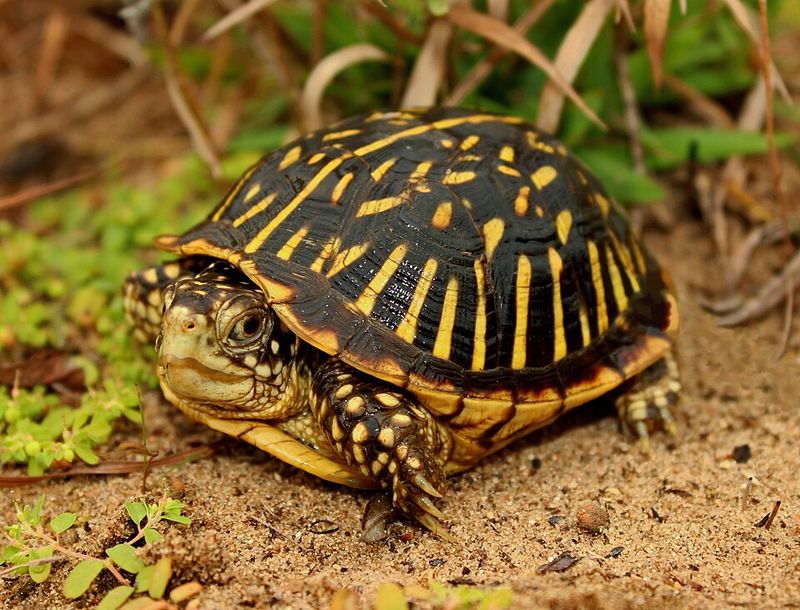
Image Credit: Peter Paplanus.
The ornate box turtle brings a slower, earthier kind of winter survival to Colorado’s eastern plains. Instead of finding a den or cave, this terrestrial turtle digs into loose, well-drained soil, often several feet deep, until it reaches a level below the frost line.
There it brumates, letting its metabolism drop until warmer weather returns.
I like how direct that strategy feels. In prairie grasslands and sandhills, the ground itself becomes both shelter and insulation, protecting the turtle from freezing while it waits out months when food is scarce and temperatures are unreliable.
It usually resurfaces in spring, often around April, though favorable conditions can coax an earlier appearance.
The ornate box turtle makes winter seem less like a dramatic battle and more like a careful burial in patience. You can imagine it tucked beneath the plains, completely still while wind skims the grass above, trusting soil depth, slow breathing, and timing to carry it safely into another season.
Striped Skunk
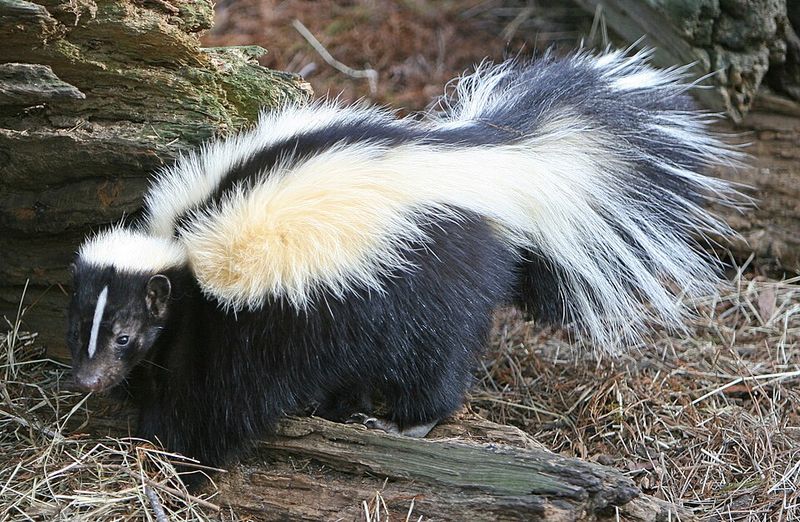
Image Credit: http://www.birdphotos.com.
The striped skunk does not truly hibernate, but it definitely knows how to take winter down a notch. During Colorado’s coldest stretches, it enters torpor, denning in burrows, hollow logs, rock crevices, brush piles, or sheltered spots under buildings, porches, and decks.
Sometimes several skunks, especially females, share a den for warmth.
That communal side surprises a lot of people because skunks are usually remembered for their dramatic personal space. In winter, though, practical needs take over, and stored fat from autumn becomes the fuel that helps them through long inactive periods.
On milder days they may wake, leave the den, and forage before settling back in as temperatures fall again.
I think the striped skunk earns a place on this list because its winter behavior is flexible rather than absolute. It does not vanish for one continuous sleep, but it still spends part of the year living in a low-energy, tucked-away mode that feels perfectly tuned to Colorado’s unpredictable cold.