
Oregon is basically a living laboratory where rainforests, rivers, mountains, surf, and sagebrush all test animals in different ways. The species that succeed here are not just lucky – they are brilliantly equipped for the job.
Some wear winter camouflage, some breathe through slick skin, and some practically turn their wings into scuba gear. If you love creatures that seem custom-built for their landscapes, these ten are impossible to forget.
Banana Slug
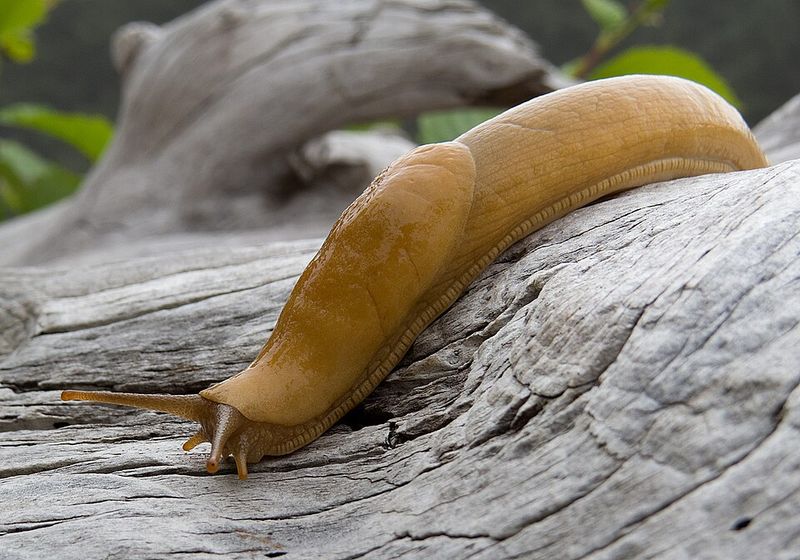
Image Credit: Ralph Arvesen.
If you have ever walked through an Oregon forest after rain, you know the banana slug looks like a slow little miracle sliding through a world of needles, bark, and dripping fern shadows. Its thick mucus is the secret weapon, helping it glide over rough debris without tearing delicate skin.
That slime also locks in moisture, which matters because this animal breathes through its skin and can dry out quickly when conditions shift.
What makes the slug even wilder is that the mucus can discourage predators by numbing the mouth or throat of anything that tries a bite. During drier weather, it can produce granules of mucus that absorb water and help the body stay hydrated.
Some even aestivate, wrapping themselves in a protective coating with forest litter until the damp returns.
In Oregon’s cool woods, that gooey toolkit turns an exposed mollusk into a surprisingly resilient survivor you cannot help but admire.
Roosevelt Elk
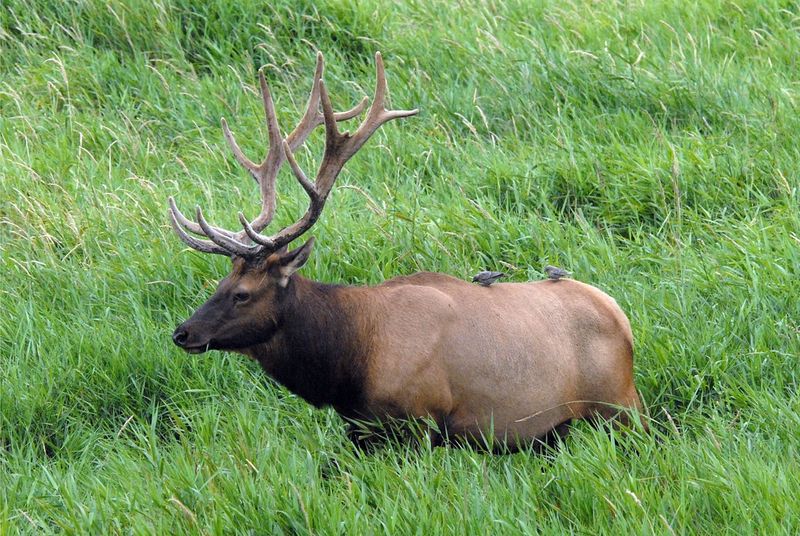
Image Credit: Dan Dzurisin
Roosevelt elk feel made for Oregon’s soggy grandeur, especially where coastal forests open into meadows and river valleys. Their sheer size is one of their biggest advantages, because a large body holds heat more efficiently during wet, chilly winters.
When you picture life in dense timber, constant drizzle, and muddy ground, that built-in thermal stability starts to look like genius.
These elk also thrive by adjusting where they spend time through the year, though migration patterns vary by area. In some places they move between higher summer range and lower winter habitat to track food and shelter as conditions change.
They feed on grasses, sedges, and other herbaceous plants, then shift toward woody browse when winter limits better options.
What I find most impressive is how calm and deliberate they seem in such demanding landscapes. Oregon does not hand out comfort easily, but Roosevelt elk meet the challenge with mass, mobility, and a flexible menu that keeps them going strong.
American Dipper
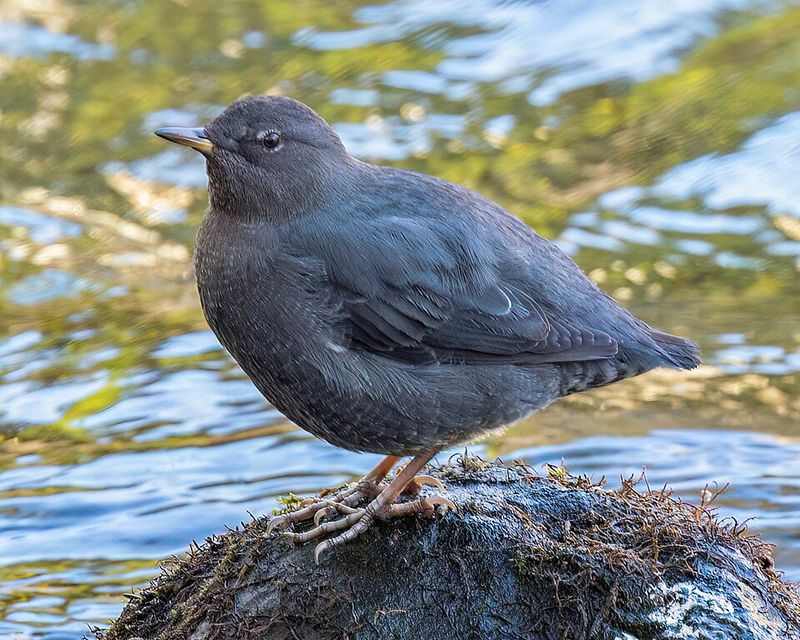
Image Credit: Polinova.
The American dipper looks plain at first glance, but in Oregon’s rushing mountain streams it behaves like a tiny gray superhero. This is North America’s only truly aquatic perching bird, and nearly every part of its body is tuned for cold, turbulent water.
Its bones are denser than those of many birds, which helps reduce buoyancy when it dives and walks along the streambed.
A nictitating membrane slides over the eye like built-in goggles, letting it see underwater while hunting aquatic insects. Short, muscular wings act almost like flippers, powering it through current that would shove many animals downstream.
Dense feathers and plenty of oil from an enlarged preen gland keep the bird insulated and remarkably dry even in frigid rivers.
You can watch one bob on a rock and think it seems modest, then suddenly it disappears beneath whitewater like that is the most normal thing in the world. In Oregon, that odd combination of songbird and diver works beautifully.
Pacific Giant Salamander
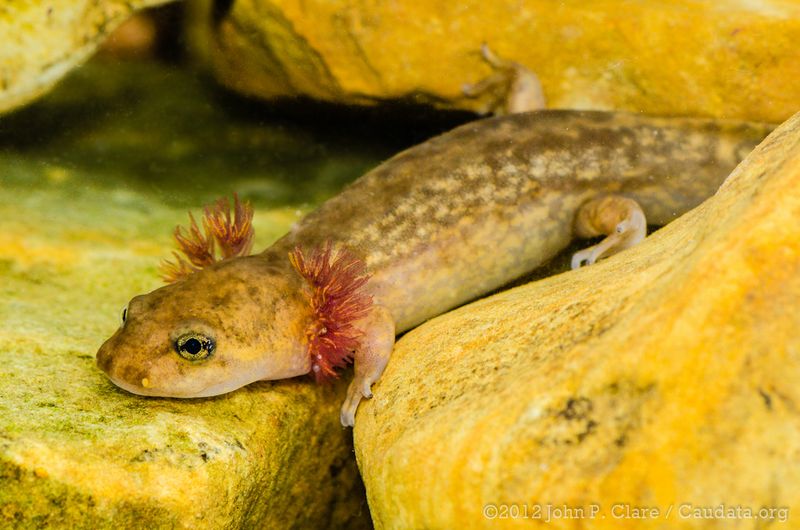
Image Credit: John P Clare.
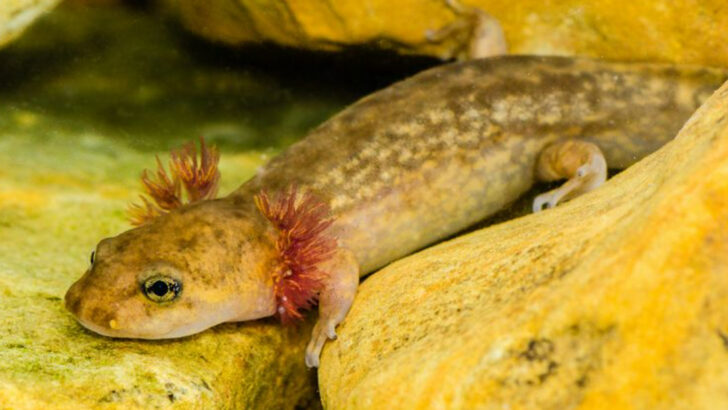
The Pacific giant salamander thrives in Oregon by refusing to commit to just one lifestyle. Some individuals metamorphose into land-dwelling adults, while others stay in a permanently aquatic larval form with external gills, a phenomenon called neoteny.
That flexibility lets the species use cold streams and surrounding forests in ways many amphibians cannot.
If a mountain stream remains stable and productive, staying aquatic can be a smart move because the salamander keeps exploiting that habitat without fully transforming. Those neotenic adults can even reproduce while retaining larval traits, which sounds almost unreal until you realize Oregon’s cool waters make it possible.
In other places or conditions, metamorphosis opens access to life on land, expanding the species’ options across varied forest terrain.
I love animals that seem to hedge their bets, and this salamander does exactly that. Instead of being trapped by one developmental path, it can match its body plan to local conditions, which is an elegant answer to Oregon’s patchwork of streamside environments.
Northern Flying Squirrel
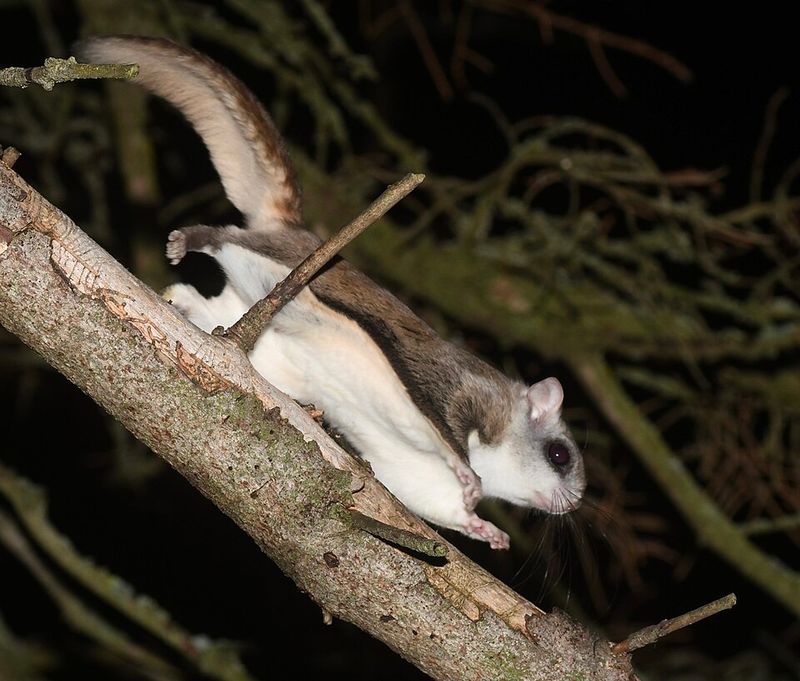
Image Credit: Henrique Pacheco.
The northern flying squirrel survives Oregon’s forests by turning the space between trees into a nighttime highway. It does not truly fly, but a furry membrane called a patagium stretches between its limbs and lets it glide with impressive control.
In dense conifer woods, that means less time dropping to the ground where predators may be waiting.
Its adaptation is not just about movement, though that alone is dramatic enough to feel almost magical. This squirrel also eats underground fungi, especially truffles, and later spreads the spores through its droppings as it travels.
That makes it an important forest partner, because those fungi help trees absorb water and nutrients more efficiently.
So when you think about what keeps Oregon’s forests functioning, this small nocturnal glider deserves more credit than it usually gets. It is not merely surviving among the trees – it is helping sustain the hidden relationships beneath them, all while gliding through the dark like a scrap of living forest itself.
Tufted Puffin
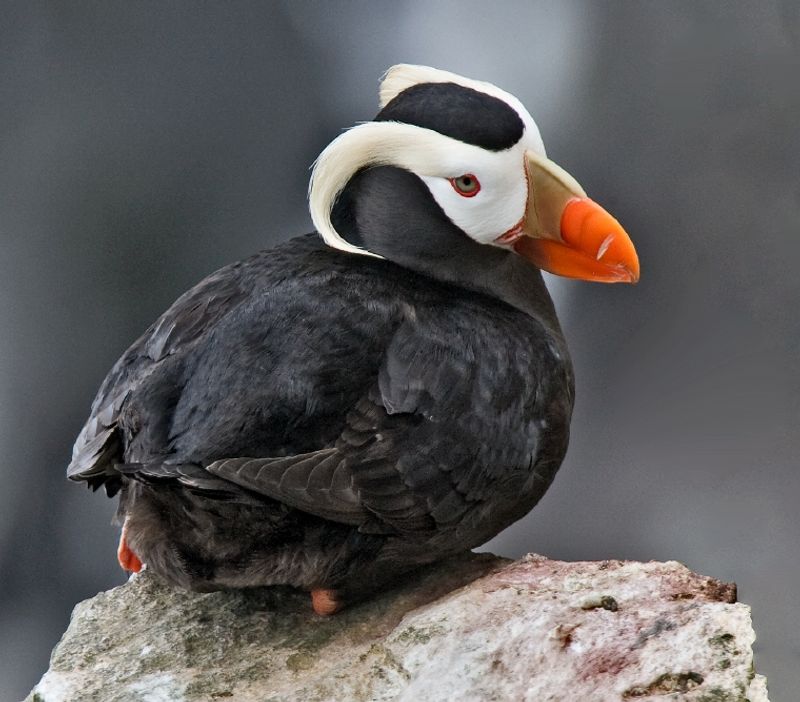
Image Credit: Alan D. Wilson.
Tufted puffins look almost toy-like on land, but along Oregon’s rough coast they are built for a hard double life in air and sea. Their dense, waterproof feathers trap warmth and keep icy ocean water from stealing body heat too quickly.
Even better, their wings are shaped to do two jobs, carrying them in flight and then powering them underwater like compact propellers.
That underwater agility lets puffins chase fish by effectively flying beneath the surface, sometimes reaching impressive depths. During breeding season, the oversized bill becomes even flashier as ornamental plates grow, while bright legs and long golden tufts sharpen the bird’s dramatic appearance.
After the season ends, some of that color and ornamentation is shed, showing how closely the puffin’s body tracks the demands of the year.
You might first notice the bill because it is impossible to ignore, but the real story is efficiency. On Oregon’s cliffy, windy coastline, the tufted puffin succeeds by being both insulated diver and agile flyer at once.
Snowshoe Hare
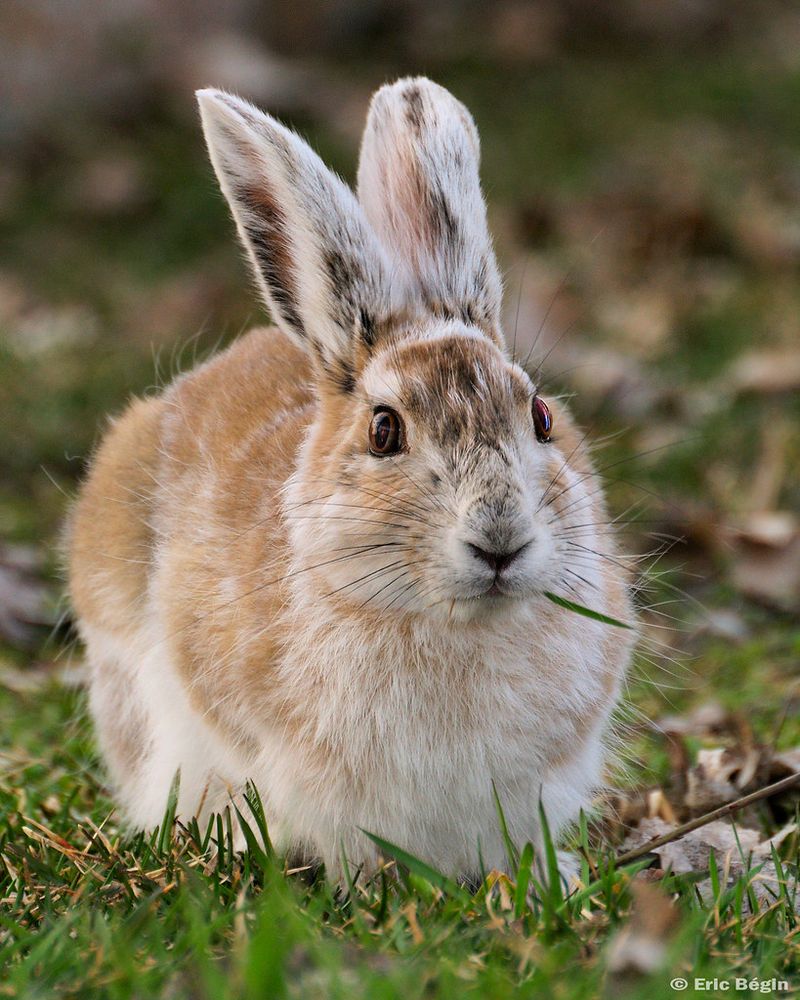
Image Credit: Eric Bégin
The snowshoe hare handles Oregon’s snowy forests with two adaptations that feel almost too perfect to be real. First, its coat changes color with the seasons, turning brown in summer and white in winter as day length shifts.
That camouflage can mean the difference between vanishing into the landscape and becoming an easy target for hungry predators.
The second advantage is right under you if you notice its oversized hind feet. Those broad, fur-padded feet spread the hare’s weight across soft snow, acting like natural snowshoes and helping it run over surfaces that bog down other animals.
In a chase, that extra flotation can buy precious distance, especially when deep snow turns the forest floor into uneven, exhausting terrain.
I think this hare is a great example of how survival can depend on timing as much as toughness. It does not dominate winter by brute force.
Instead, it matches the season visually and physically, blending in above and skimming across the snow below with impressive, finely tuned efficiency.
American Pika
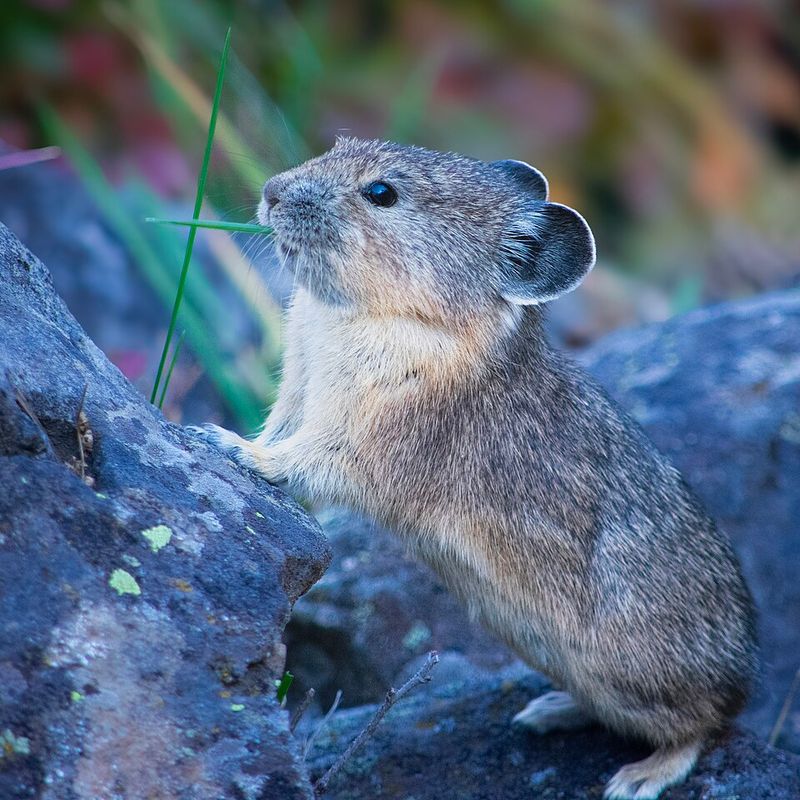
Image Credit: Matthew.j.mcgraw.
The American pika thrives high in Oregon’s mountains by treating summer like a deadline. Instead of hibernating, it spends warm months racing around talus slopes gathering flowers, grasses, and stems, then drying them into haypiles for winter food.
If you ever wanted to see what relentless preparation looks like in mammal form, this tiny alpine specialist is it.
Its body is also built for the cold it calls home. Dense fur and a naturally high body temperature help it handle frigid conditions, while snowpack can act like insulation over the rocky spaces where it shelters.
During hotter periods, pikas retreat into cool crevices beneath boulders, using the mountain itself as climate control.
What makes the pika so compelling is that it survives not through sleep or migration, but through planning and microhabitat mastery. Oregon’s high elevations can be beautiful and brutally exposed at once, yet this round-eared little forager manages the extremes by storing summer, hiding from heat, and enduring winter with astonishing discipline.
Sea Otter
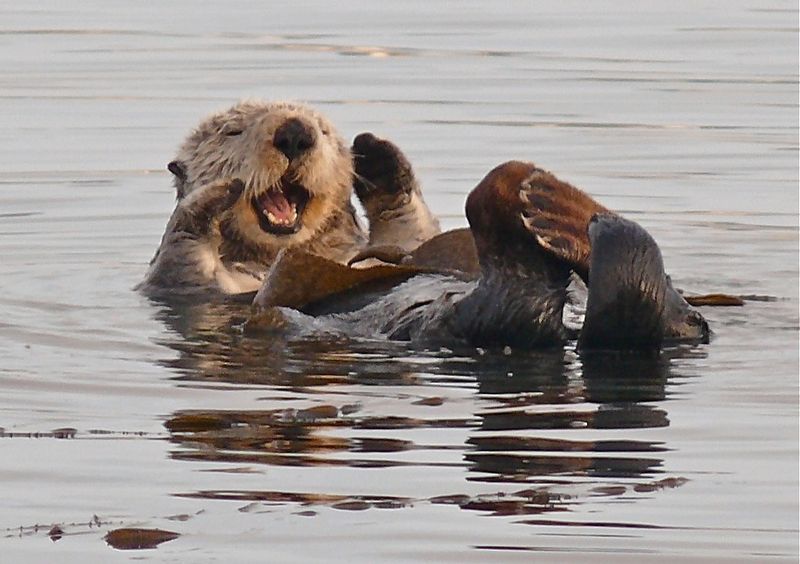
Image Credit: Linda Tanner
Sea otters survive Oregon’s cold coastal waters with an adaptation that seems almost unbelievable once you learn the numbers. Instead of relying on blubber like many marine mammals, they depend on the densest fur on Earth, with up to a million hairs per square inch.
That remarkable coat traps a layer of insulating air against the skin, helping keep the animal warm in frigid Pacific water.
Because that fur has to stay effective, sea otters groom constantly, maintaining the air-trapping structure that keeps them insulated. They are also famous for using rocks as tools, cracking open shellfish while floating on their backs.
In marine mammals, that kind of tool use is rare, and it adds another layer of adaptability to an already specialized animal.
You can think of the sea otter as a combination of luxury insulation and practical problem-solving. Along Oregon’s coast, where cold water and hard-shelled prey define the challenge, dense fur and clever behavior make an elegant survival package that still feels wonderfully surprising.
Pronghorn
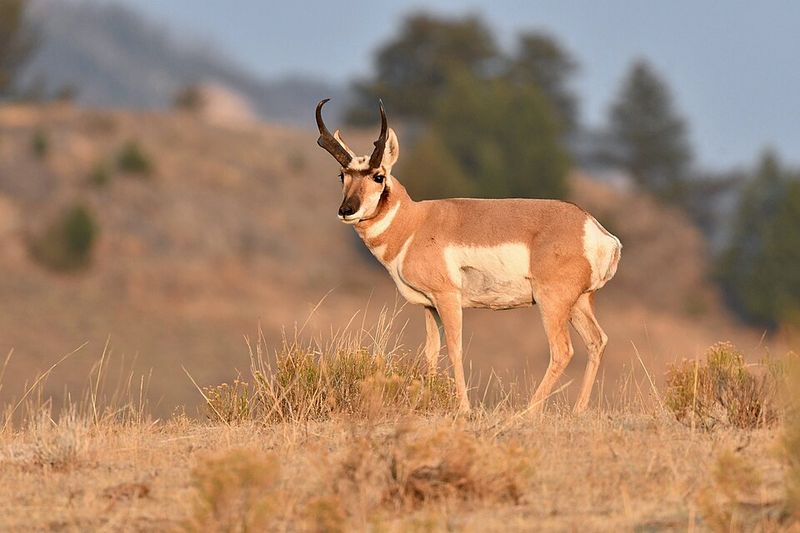
Image Credit: Larry Lamsa.
Pronghorn thrive in eastern Oregon’s high desert by treating open space like an invitation to outrun almost everything. Their bodies are engineered for speed and endurance, with oversized lungs, a large heart, and a broad windpipe that move oxygen efficiently during long, fast runs.
When the landscape offers little cover, being able to see danger and leave it behind quickly is a tremendous advantage.
They are not just sprinters, either, which is what makes them so impressive. Pronghorn can sustain high speeds longer than most land mammals, and their lightweight build supports that performance across wide sagebrush country.
Hollow, air-filled hair helps with insulation during cold nights and winters, while also assisting with temperature management during hot desert days.
I like to think of the pronghorn as a weatherproof endurance machine shaped by distance, exposure, and extremes. Oregon’s desert can swing sharply from chilly dawns to warm afternoons, but this animal meets those shifts with respiratory power, efficient insulation, and the kind of speed that turns vulnerability into confidence.