
Washington is full of animals that seem to carry maps, calendars, and grocery lists in their heads. From mountain birds that recover seeds beneath snow to whales that remember family calls for decades, memory shapes survival in surprising ways.
Some of these species are familiar backyard regulars, while others roam rivers, cliffs, and the open Pacific. If you have ever wondered which wild neighbors are secretly mental athletes, this list is worth your time.
Clark’s Nutcracker
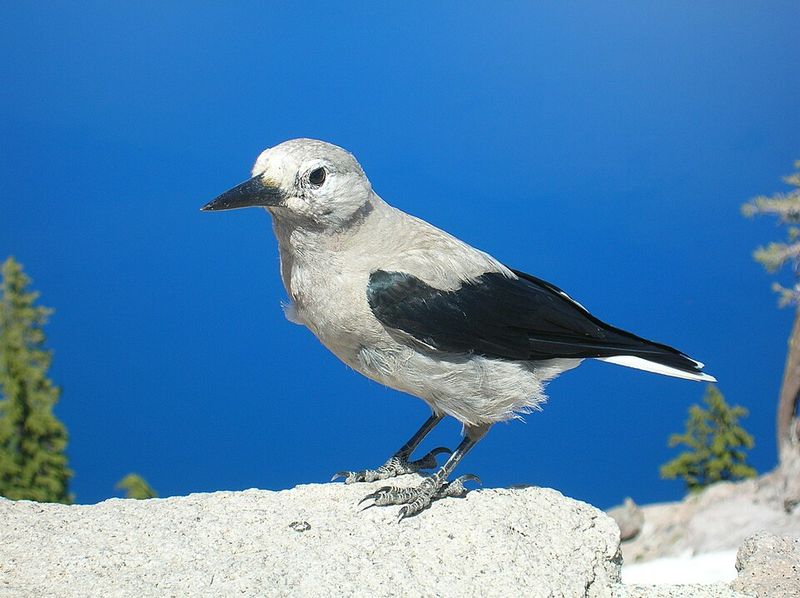
Image Credit: Oregon Department of Fish & Wildlife.
When you think about elite memory in Washington wildlife, Clark’s nutcracker deserves a top spot. This pale gray mountain bird spends late summer and fall caching pine seeds across alpine forests, often tucking away thousands of small meals in scattered hiding places.
What makes it remarkable is not just the effort, but the recall, because many of those caches are remembered months later, even when winter buries the landscape in snow.
If you hike the Cascades or Olympic high country, you are looking at the stage for one of nature’s boldest memory tests. A single bird may create an astonishing number of seed caches, then relocate many of them using sharp spatial memory and mental landmarks.
That skill keeps the nutcracker alive through lean seasons, and it also helps pine forests regenerate when forgotten seeds sprout into new trees, turning memory into an ecosystem service you can actually see.
Steller’s Jay
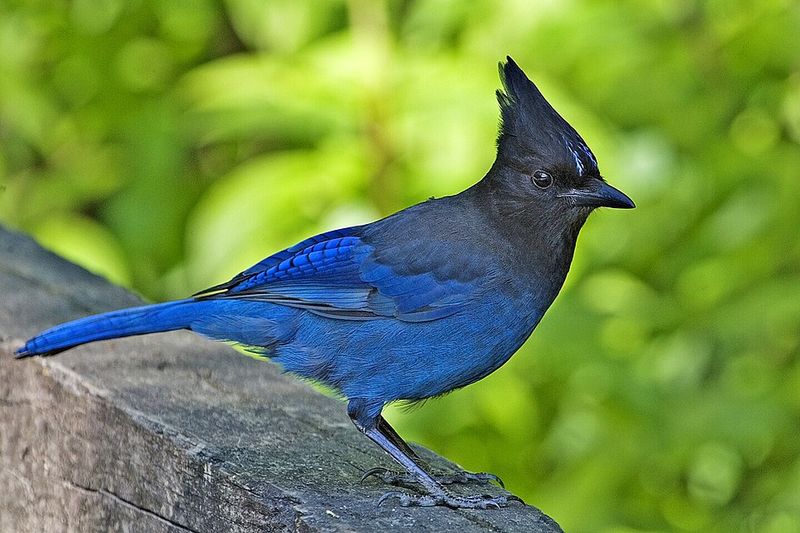
Image Credit: Alan D. Wilson.
Steller’s jays look flashy, but their real superpower is memory. Around Washington forests, campgrounds, and mountain neighborhoods, these bold blue birds gather acorns, seeds, and insects, then hide them in scattered spots for later.
You might watch one disappear behind a log or dart into brush, and what seems random is actually part of a careful caching strategy backed by excellent spatial recall.
Researchers have found that food-caching birds like Steller’s jays can relocate hidden items weeks or even months after storing them. That means a jay moving through a messy forest is not guessing as much as it appears to be consulting a detailed mental map.
In Washington, where seasons shift fast and snow can erase obvious visual clues, that memory matters. It helps these birds ride out colder periods, spread seeds through forgotten caches, and thrive in places where being clever is just as important as being quick.
American Crow
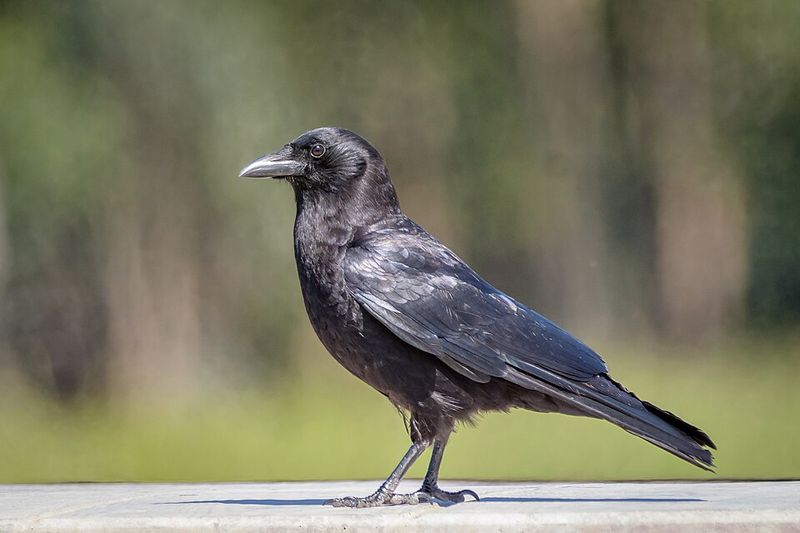
Image Credit: Becky Matsubara.
American crows in Washington have a memory style that feels almost personal. These birds are famous for recognizing individual human faces, and research connected to the University of Washington showed they can remember who treated them as a threat for years.
If that sounds dramatic, it should, because a crow can carry a social file on you long after a single bad encounter.
What makes this even more striking is that memory does not stay with one bird alone. Crows communicate danger to each other, and younger birds can learn to react to specific people by observing older flock members.
So when you see crows gathering, scolding, or watching from wires, you may be witnessing shared long-term memory in action. In cities, parks, and farmlands across Washington, their intelligence helps them avoid risk, exploit opportunities, and navigate a human world with a level of recognition many people never expect from a wild bird.
Black-Capped Chickadee
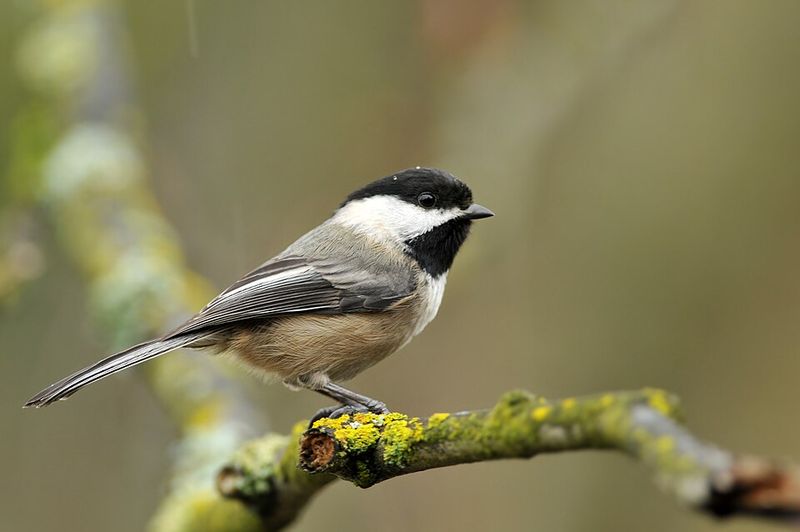
Image Credit: Minette Layne.
The black-capped chickadee is proof that a tiny bird can carry a giant memory workload. In Washington, these cheerful year-round residents hide seeds, insects, and other food items across their territory during fall, creating a scattered pantry that helps them survive winter.
Each cache is small, but the total number can be enormous, which makes their ability to recover many of them feel almost unbelievable.
What is especially fascinating is that chickadees do this with brains that look tiny to us, yet support sophisticated spatial recall. Scientists have found seasonal changes in the brain regions tied to memory, suggesting these birds are finely tuned for the demands of caching season.
When snow covers bark crevices and familiar textures disappear, chickadees still return to hidden food with surprising accuracy. If you hear one calling in a Washington backyard or woodland, you are listening to a little survival expert whose winter plan depends on remembering hundreds of secret locations.
Gray Squirrel
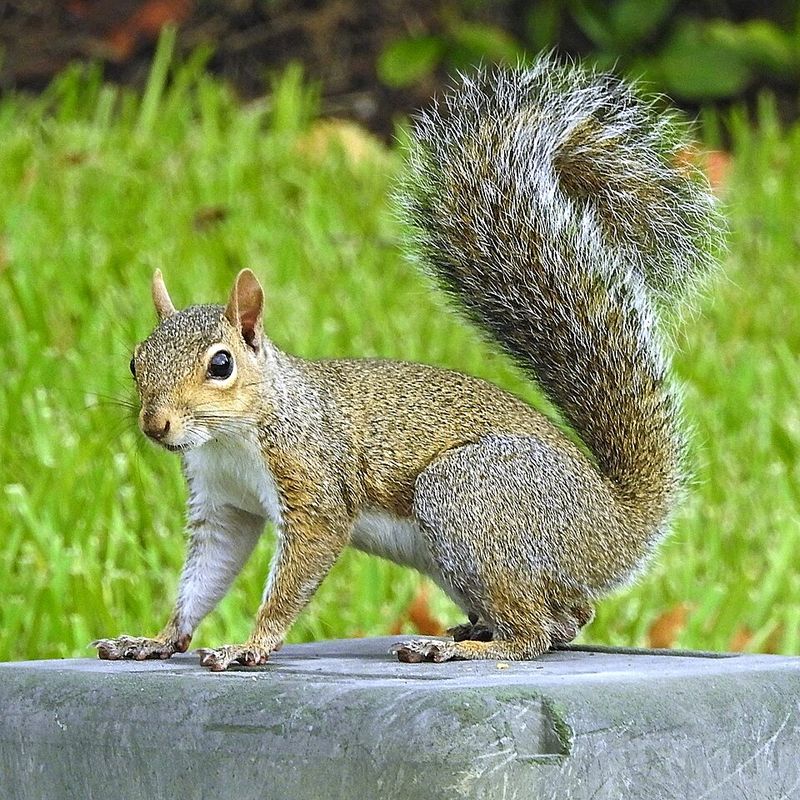
Image Credit: JeffreyGammon.
Gray squirrels in Washington may look frantic, but their food-hoarding system is smarter than it seems. Whether you spot an eastern gray in town or think about the native western gray squirrel, these animals bury nuts and seeds in scattered caches, then rely heavily on spatial memory to recover them later.
They are not simply sniffing around at random, because landmarks and habitat features help organize where those hidden meals are stored.
That means a squirrel can treat a patchwork of lawns, forest edges, and tree bases like a coded map. Studies suggest squirrels combine memory with smell, but memory often does the heavier lifting when they return to their own buried food.
In Washington, where autumn abundance has to stretch into colder, leaner months, this mental filing system becomes a daily survival tool. Next time you see one pause, dig, and cover a nut with theatrical seriousness, you are probably watching a future appointment being entered into a very furry GPS.
Northern Elephant Seal
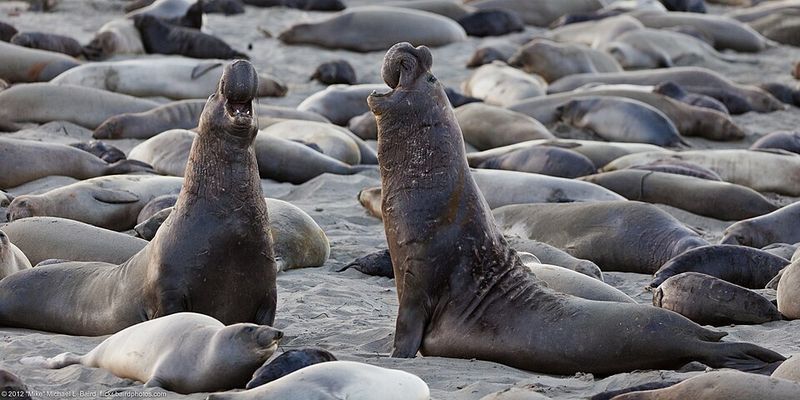
Image Credit: Mike Baird.
Northern elephant seals do not show off their memory in a backyard way. Instead, they reveal it across the open Pacific, where they make immense migrations and still return to familiar breeding or molting places with impressive consistency.
For an animal traveling thousands of miles through a feature-poor ocean, that kind of navigation suggests a powerful blend of orientation and spatial memory.
Along Washington’s coast and in regional waters, juvenile elephant seals sometimes haul out during parts of their life cycle, and some individuals have shown loyalty to particular sites over time. Imagine leaving on a months-long journey across a moving, shifting seascape, then finding your way back to the right stretch of shoreline.
That is the kind of challenge elephant seals handle. Their memory is less about one hidden snack and more about retaining large-scale geographic information that supports migration, survival, and repeated return.
It is the marine version of keeping a home address while crossing an oceanic wilderness.
Chinook Salmon
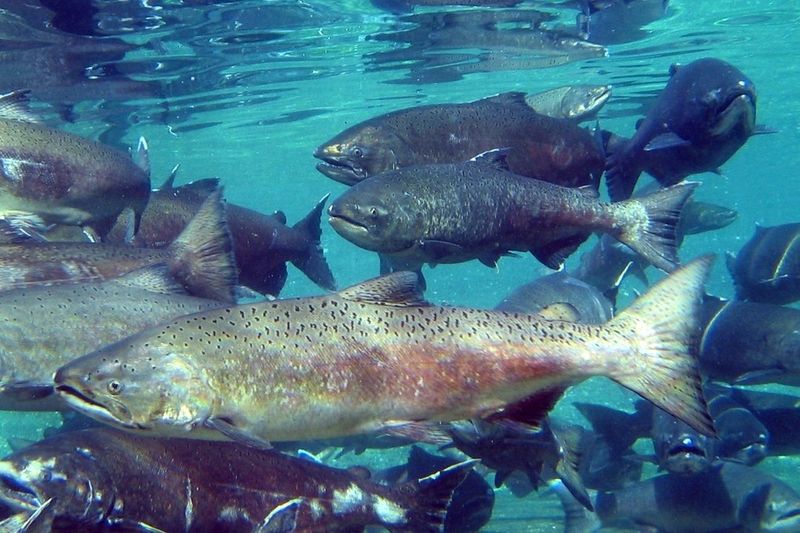
Image Credit: Pacific Northwest National Laboratory – PNNL.
Chinook salmon carry one of Washington’s most famous memory stories. After spending years growing in the Pacific Ocean, they return to the rivers and streams where they began life, often with astonishing precision.
That journey is not a lucky guess, because salmon combine long-distance orientation with a remembered chemical signature of home waters learned when they were young.
You can think of it as a two-part guidance system. Out at sea, they use broad navigational cues such as the Earth’s magnetic field, then once they near the coast, smell takes over and leads them toward the exact watershed that shaped their earliest days.
In Washington, where Chinook are deeply tied to ecosystems, fisheries, and culture, this memory-driven homing behavior is one of the state’s great natural dramas. Every upstream push past current, rock, and obstacle reflects a remembered destination, proving that memory is not only about food and danger, but also about returning to the place where life first started.
Orca
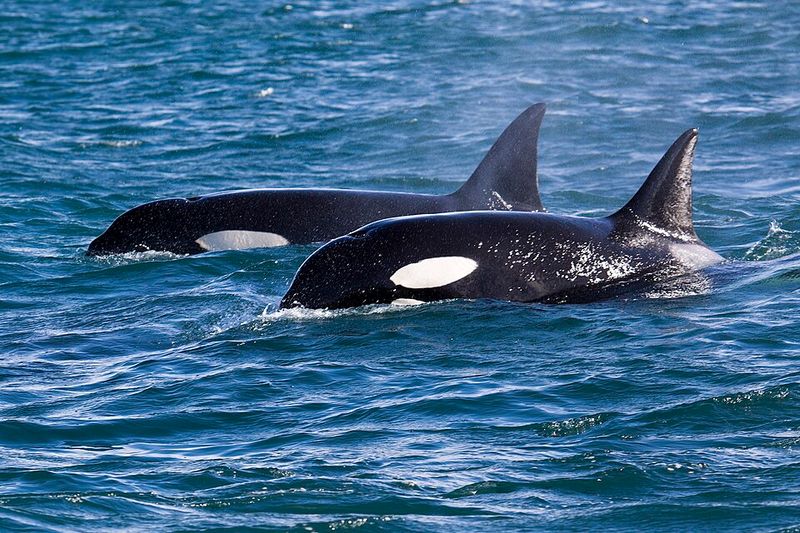
Image Credit: Maarten Visser.
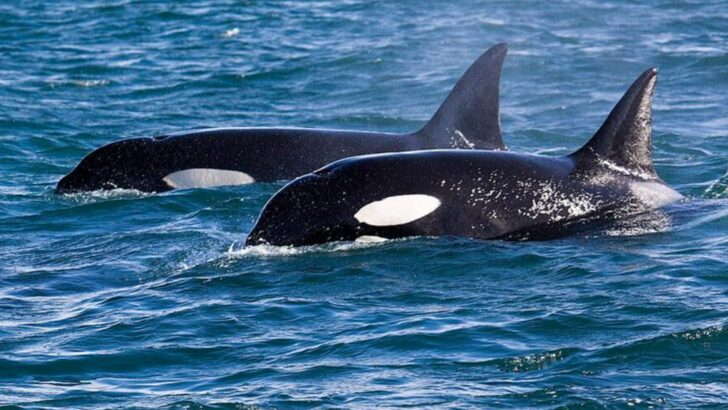
Washington’s orcas show memory on a family scale that feels almost cultural. In the Salish Sea, resident killer whales live in tightly bonded groups where older individuals help preserve knowledge about hunting areas, salmon timing, and the sounds that define each pod.
Their memory is not just individual recall, but a living archive passed across generations.
That matters because survival in the ocean depends on more than strength. Orcas remember productive feeding grounds, travel routes, and vocal traditions that keep family groups coordinated over time.
Matriarchs can be especially important during lean years, when experience helps guide relatives toward food. If you imagine a pod moving through Washington waters, you are also imagining layers of remembered information traveling with them, from prey patterns to social calls.
This is one reason orcas fascinate so many people: they remind you that memory in the wild can look like wisdom, inheritance, and community all at once, not just a clever trick performed by one animal alone.
Mule Deer
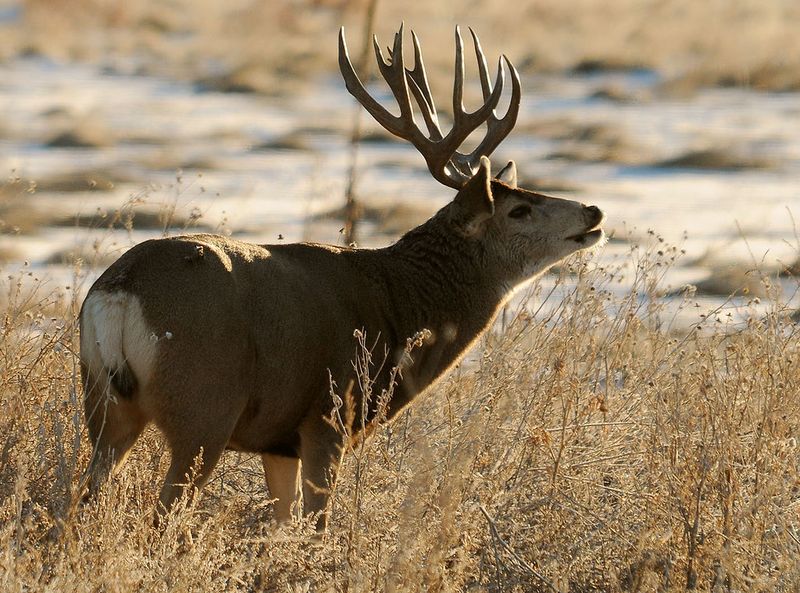
Image Credit: Rich Keen / DPRA.
Mule deer use memory in a way that is easy to miss because it looks like routine movement. Across Washington landscapes, many herds follow the same migration routes year after year, traveling between seasonal ranges with striking consistency.
These pathways are not just instinctive lines on a map, because adults learn terrain, timing, and safe passage through repeated experience.
Even more interesting, mothers help pass that information to younger deer. Fawns traveling alongside experienced adults learn where to cross, when to move, and which routes connect summer feeding areas to winter ground.
Over time, those journeys become traditions shaped by memory and social learning rather than pure reflex. In a state with mountains, valleys, roads, and changing weather, that remembered knowledge can make the difference between efficient migration and costly wandering.
So when a mule deer appears on a familiar slope at a familiar season, it is not just repeating a habit. It is following a remembered route that may have been taught and refined across generations.
Black Bear
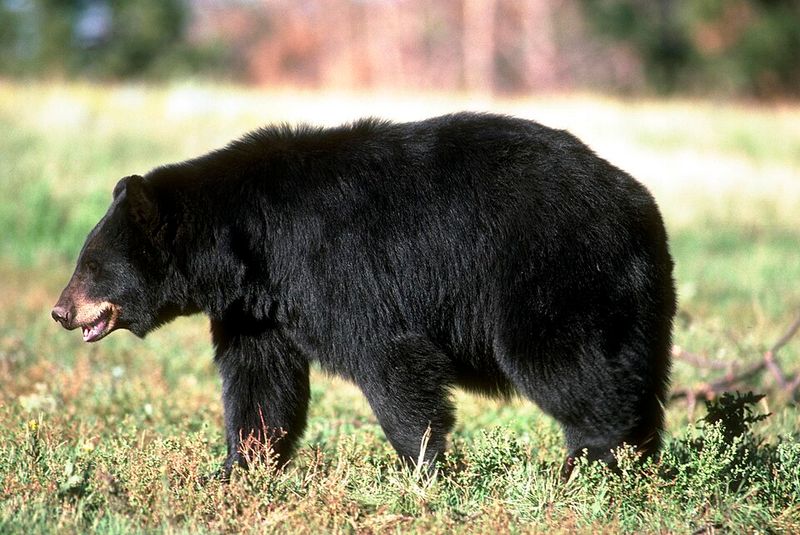
Image Credit: California Department of Fish and Wildlife from Sacramento, CA, USA.
Black bears in Washington have the kind of memory that turns the landscape into a seasonal buffet calendar. They remember productive berry patches, fruit trees, salmon streams, and other food hotspots, then return when those resources are available again.
For a wide-ranging animal that must constantly balance energy and opportunity, that recall is a serious advantage.
You can also see why bear managers worry about human food. Once a black bear learns that a campsite, trash area, or backyard feeder offers easy calories, it may remember that location and check it again later.
That is great evidence of how strongly food experiences stick. In forests, river corridors, and mountain foothills, this memory helps bears move efficiently instead of searching blindly.
They are not just wandering through Washington’s wild spaces hoping for luck. They are often revisiting a network of known places, guided by past success, seasonal timing, and a brain that is very good at remembering where the next valuable meal might appear.
Pacific Harbor Seal
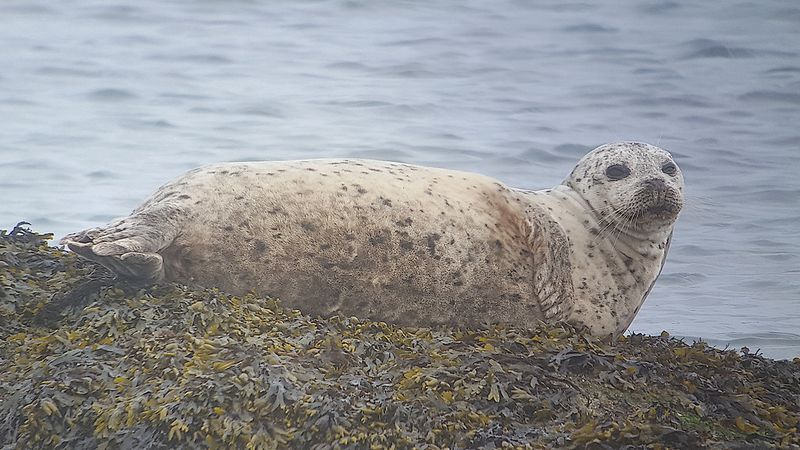
Image Credit: Don Henise.
Pacific harbor seals may seem relaxed when they sprawl on rocks and beaches, but their daily routines depend on a solid memory of place. Along Washington’s coastline, bays, and inland marine waters, they repeatedly return to familiar haul-out sites used for resting, warming, and raising pups.
That regularity suggests a dependable spatial awareness of local shorelines and nearby feeding areas.
For an animal living between land and water, location matters all the time. A seal has to know where it can safely rest, where tides will leave usable space, and where fish are likely to be found without unnecessary travel.
When the same individuals keep showing up on known docks, sandbars, or rocky outcrops, you are seeing the practical value of memory in motion. It may not look dramatic like a transoceanic migration, but it is still impressive.
Harbor seals turn Washington’s complex coastal geography into a familiar neighborhood, using repeated knowledge of reliable spots to make everyday survival more efficient and predictable.
Mountain Goat
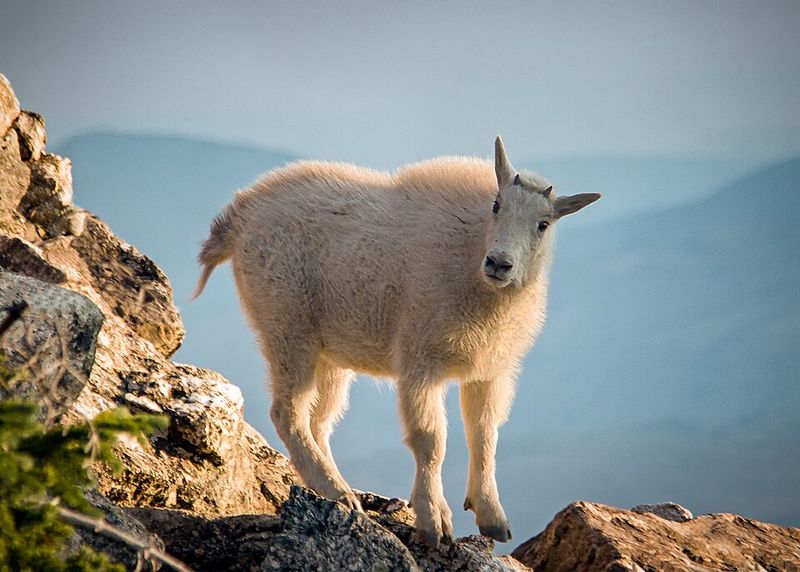
Image Credit: Eric Johnson.
Mountain goats make memory look like fearless balance. In Washington’s alpine country, these sure-footed climbers move across cliffs, ledges, and broken rock that would stop most animals and many people instantly.
To do that repeatedly, they rely on detailed knowledge of safe routes, escape options, and seasonal access to feeding spots or mineral licks.
If you have ever looked up at a near-vertical slope and wondered how anything could travel there, a mountain goat is your answer. Their movements suggest a strong spatial memory for terrain, including which narrow passages connect ridges and which paths reduce risk from predators or bad footing.
In the Olympics and Cascades, where weather, snow, and steep topography can change the margin for error fast, that remembered route network is essential. It lets goats move with efficiency instead of hesitation.
What looks to you like a chaotic wall of stone likely feels to a goat more like a memorized staircase, built from experience and trusted one careful step at a time.
Great Blue Heron
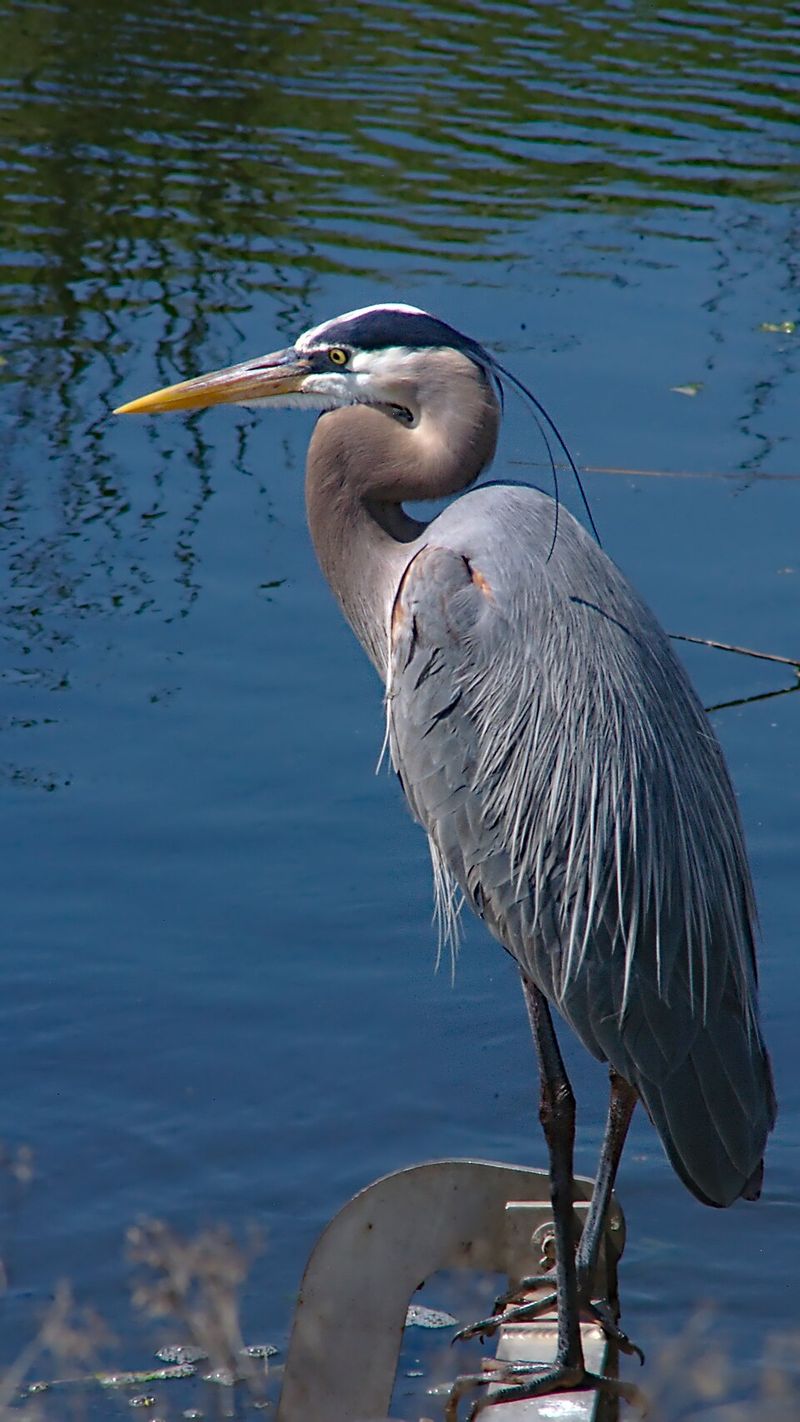
Image Credit: Alpinekid.
Great blue herons bring a quieter kind of memory to Washington wetlands. These tall, patient hunters do not need speed as much as they need consistency, and that includes remembering which shorelines, marsh edges, or tidal flats reliably produce fish, frogs, and other prey.
A good fishing spot is valuable, and herons seem to know when a location is worth revisiting.
That helps explain their calm, deliberate style. A heron can stand nearly motionless, but beneath that stillness is an informed choice about where to spend time.
Productive habitat is not spread evenly, so remembering water depth, cover, and prey-rich corners can save energy and improve hunting success. In Washington, where estuaries, lakes, and sloughs shift with season and tide, this practical memory makes a real difference.
The next time you see a great blue heron waiting like a statue at the edge of the water, consider that it may not simply be patient. It may be standing exactly where experience has already told it the odds are best.
River Otter
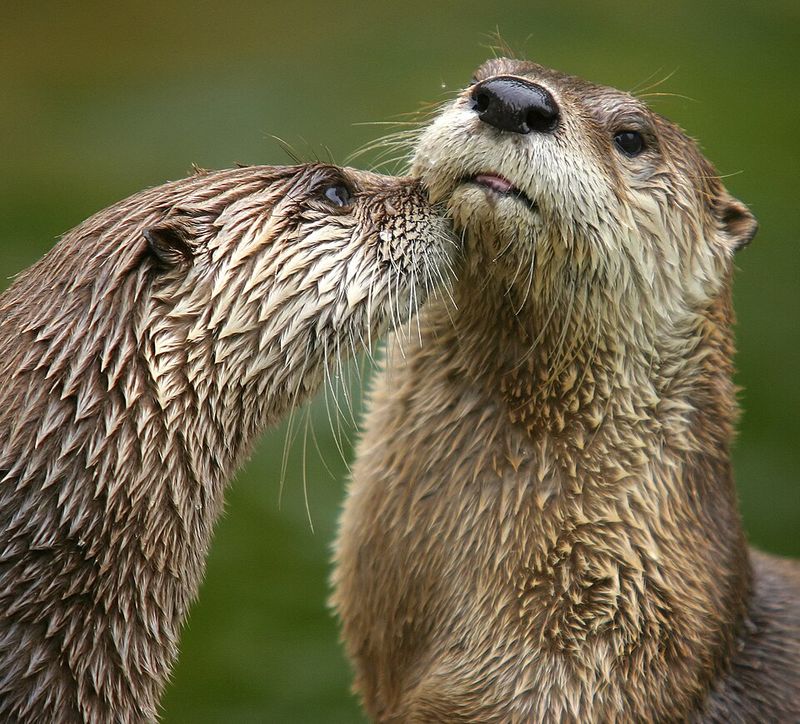
Image Credit: Dmitry Azovtsev.
River otters combine playfulness with a memory system that keeps their waterways organized. In Washington, they move through rivers, lakes, marshes, and even coastal inlets while revisiting favored fishing holes, den sites, slides, and resting spots.
That repeated use of a wide territory suggests a strong mental map, not just impulsive wandering through wet habitat.
Memory also shows up in how efficiently otters solve problems linked to food. Studies on otters have found they can remember successful foraging solutions over long periods, which fits perfectly with an animal that must keep track of where prey is abundant and where shelter is secure.
In a braided river system or a shoreline full of inlets, that kind of recall saves time and energy. It also helps otters move confidently between resources that may be spread far apart.
So while they often look carefree when rolling, diving, or sliding, river otters are navigating Washington with a smart internal guide to places that have paid off before.