
If you think you can identify Maine wildlife at a glance, the seasons might prove you wrong. Some animals here look so different from summer to winter that they seem like two separate species sharing the same woods, coast, or sky.
A bright beak can fade, a brown coat can turn white, and a sleek body can fluff into a cold-weather version almost overnight. Once you know what to watch for, every month in Maine feels like a fresh round of animal spotting.
Snowshoe Hare
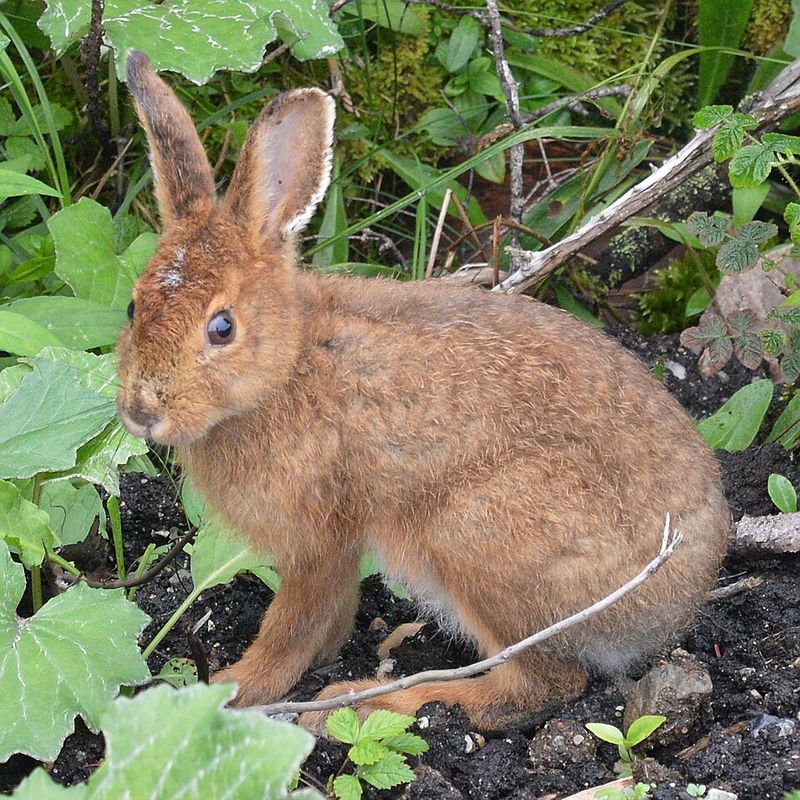
Image Credit: Ryan Hodnett.
If you spot a snowshoe hare in July and then again in January, you might swear you are looking at two different animals. In summer, this hare wears a rusty brown coat that blends into leaf litter, bark, and low brush across Maine’s forests.
By winter, that same animal turns a startling white, with only dark ear and nose tips still standing out against the snow.
What fascinates me most is that this makeover is driven mostly by changing daylight, not just cold weather. The winter coat is also more insulating than the summer one, which helps the hare survive brutal conditions while staying hidden from hungry predators.
Even its oversized hind feet feel like part of the illusion, acting like built-in snowshoes as it skims across powder.
Come spring, the white slowly gives way to brown again in a patchy, awkward transition that somehow makes the whole animal even more charming. If you love dramatic before-and-after wildlife moments, this one is unbeatable.
American Ermine
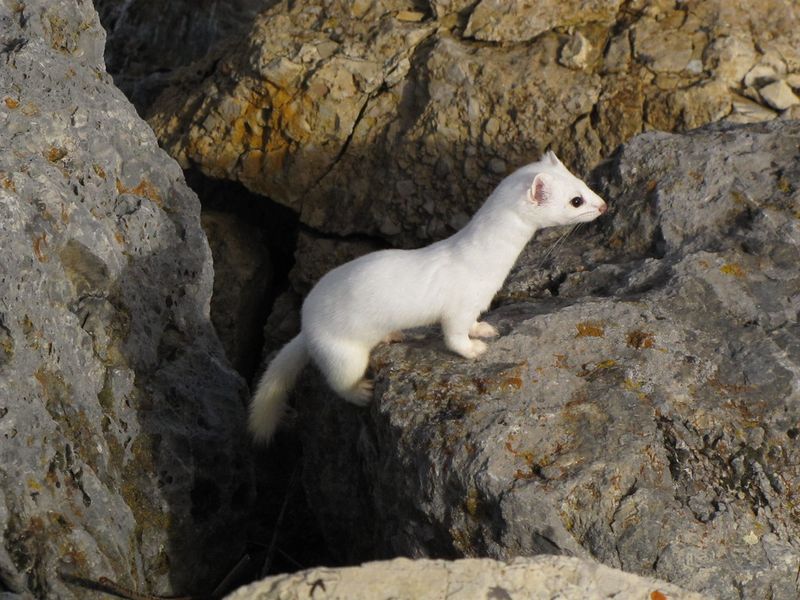
Image Credit: Bryant Olsen.
The American ermine is one of those tiny Maine predators that seems to enjoy a dramatic wardrobe change. In the warmer months, it is sleek and sharp-looking, with rich brown fur on top and a pale white underside that helps it vanish through roots, logs, and summer undergrowth.
When winter settles in, the coat shifts to almost pure white, turning this fast hunter into a ghost gliding over snow.
The black tip on the tail stays year-round, which feels like the one clue nature left behind for anyone trying to identify it. I love that even with such a complete color change, that little tail flag remains stubbornly visible.
Like the snowshoe hare, the transformation is tied to shortening daylight, giving the ermine camouflage when Maine’s woods become a white world.
Seen in summer, it looks earthy and fierce. Seen in winter, it looks almost delicate until it darts after prey and reminds you it is still a fearless, efficient hunter with an entirely different seasonal costume.
Moose
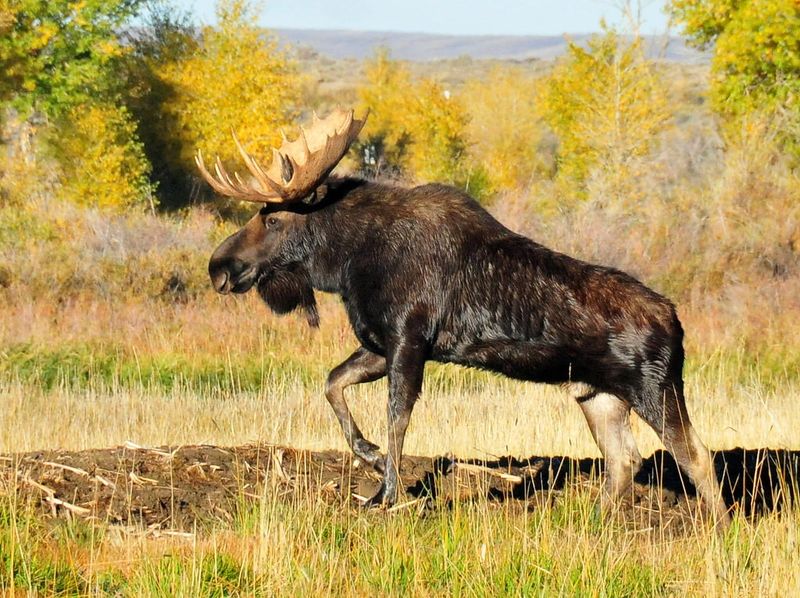
Image Credit: Tom Koerner/USFWS.
Maine’s moose already look unforgettable, but their seasonal changes make them even more impressive. In summer, their coat appears shorter and a bit sleeker, while bulls begin growing enormous antlers covered in soft velvet.
By winter, the whole animal looks darker, shaggier, and heavier, as if it has been built again for cold weather from the outside in.
That dense winter coat is no small upgrade. It includes insulating underfur and hollow guard hairs that trap warmth, which helps a moose stand through wind, snow, and bitter temperatures without looking remotely bothered.
Then there are the antlers, one of the wildest annual transformations in Maine, growing through spring and summer, hardening by fall, and eventually dropping after the rut, often around February.
I think that is what makes moose so fascinating to watch through the year. One season gives you a velvet-crowned giant in the wetlands, and another gives you a dark, rugged winter machine that seems made entirely for silence, snow, and survival.
White-Tailed Deer
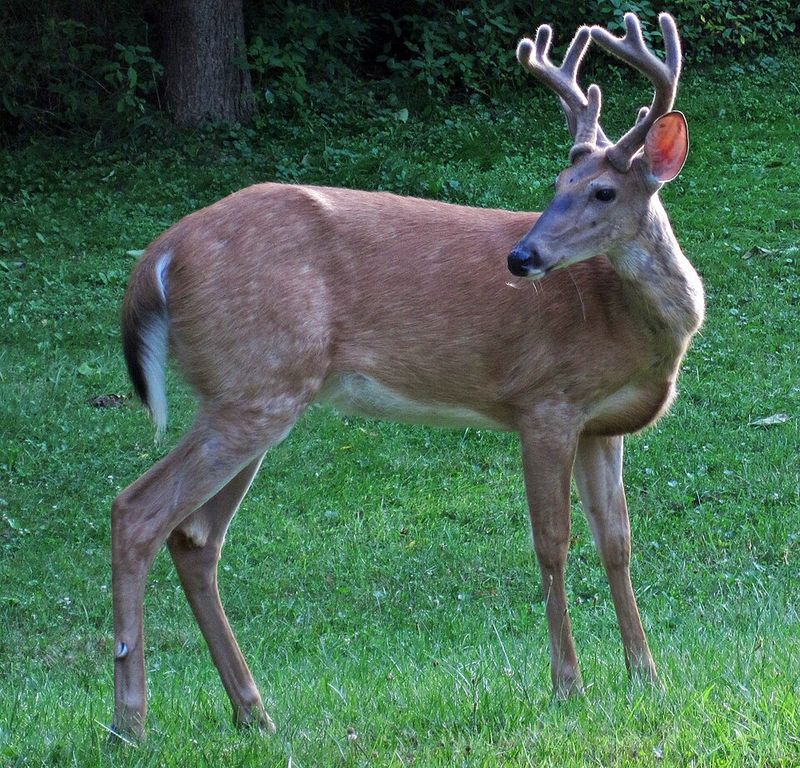
Image Credit: James St. John.
White-tailed deer may seem familiar, but in Maine they quietly reinvent themselves as the year rolls on. Summer deer wear a lighter, reddish-brown coat that looks smooth and breathable, perfect for warm fields, forest edges, and long evenings of feeding.
By the time winter arrives, that color shifts toward grayish brown, and the fur becomes noticeably thicker, fluffier, and better built for holding heat.
Bucks add an extra layer of seasonal drama with their antlers. In spring, new antlers begin sprouting under velvet, then expand through summer into impressive crowns that harden before the fall rut.
After breeding season, those antlers are shed in late winter or early spring, which means the same buck can look regal one month and oddly bareheaded the next.
If you only picture deer as static woodland background, Maine will change your mind fast. A sleek red summer deer, a gray winter survivor, and a velvet-antlered buck all tell different stories, even when they belong to the exact same animal.
Ruffed Grouse
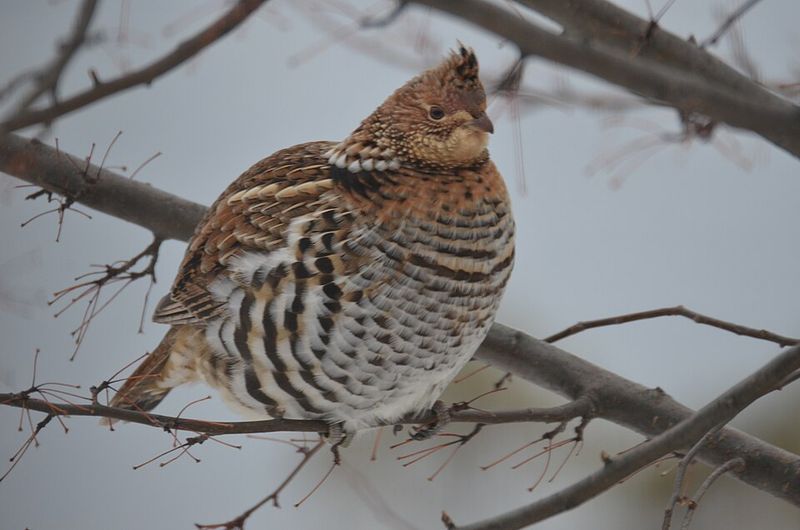
Image Credit: Corvair Owner.
The ruffed grouse is not the flashiest bird in Maine, which might be why its winter transformation feels like such a fun secret. In warmer months, it blends into the forest floor with mottled brown plumage that already looks expertly designed for disappearing among leaves and bark.
But when winter arrives, this bird puffs up into a fuller, fluffier version of itself and gains one of the strangest seasonal accessories in the woods.
Along the sides of its toes, the grouse develops comb-like fringes that work like tiny snowshoes. Those seasonal projections help it walk on top of soft snow and grip icy surfaces, which is an incredible adaptation for a bird that spends so much time close to the ground.
Its denser winter feathers also improve insulation, and in deep snow it can even burrow into a sheltered snow cave.
I love animals that solve problems with weird design choices, and this bird absolutely qualifies. Seen in winter, the ruffed grouse looks less like a plain game bird and more like a feathered snow specialist.
Harbor Seal
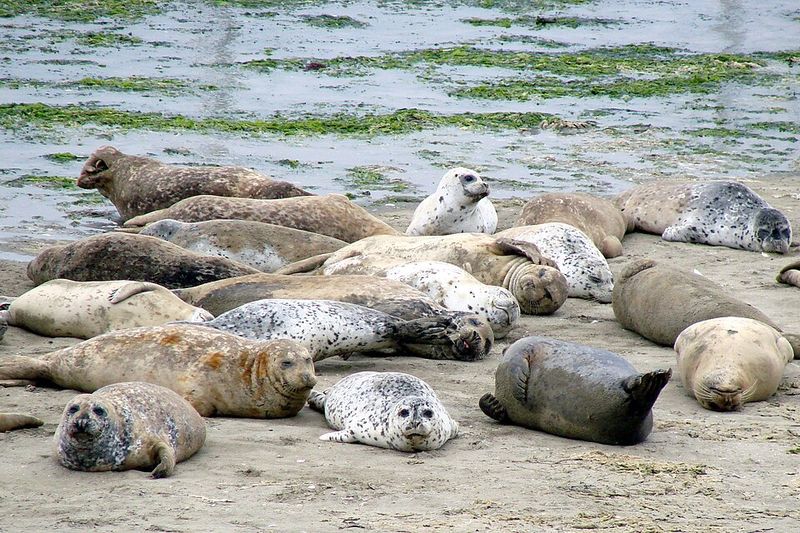
Image Credit: *~Dawn~* .
Harbor seals do not switch colors as dramatically as a hare or ermine, but their yearly makeover is still surprisingly noticeable. Around Maine’s coast, the same seal can look sleek one season, then patchy, worn, or freshly renewed in another as it moves through its annual molt.
Add changes in body condition and the amount of time it spends hauled out on rocks, and the difference becomes easier to spot than you might expect.
The molt usually happens in mid to late summer, often around August, and can last for weeks. During that time, seals replace old fur with a fresh coat and tend to haul out more often, creating some of the best chances to observe them from a respectful distance.
Early summer can also feel different because pupping season brings new behavior and a different coastal rhythm.
I think that is what makes harbor seals so interesting in Maine. They are year-round residents, but they never feel visually static, and if you visit the coast often enough, you start noticing the subtle but real ways the seasons reshape them.
Atlantic Puffin
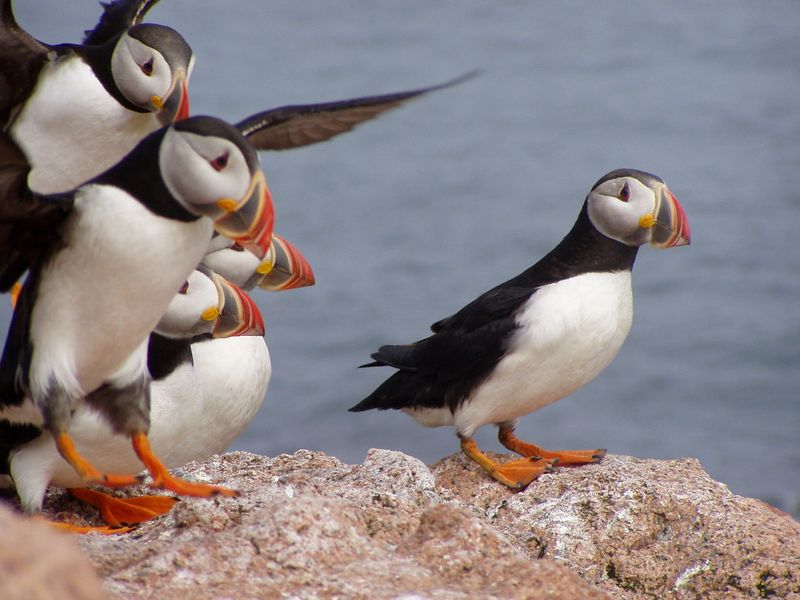
Image Credit: U.S. Fish and Wildlife Service Northeast Region.
Atlantic puffins might be the ultimate proof that Maine animals know how to make an entrance. During the breeding season on coastal islands, they show off bright orange beaks with red and yellow accents, crisp black-and-white plumage, and bold facial markings that make them look almost illustrated.
Then fall arrives, and the glamour fades in a way that can be genuinely surprising.
The colorful outer plates of the beak are shed after breeding, leaving the puffin with a smaller, duller version that changes its whole expression. Winter also softens the bird’s overall look, with less contrast and a grayer, more subdued appearance suited to life at sea.
If you only know puffins from summer photographs, the off-season version feels like meeting their quieter, less theatrical twin.
I love that this transformation is not just subtle feather wear but a full shift in personality. Summer puffins look like tiny celebrities on the rocks, while winter puffins feel practical, weathered, and built for ocean life beyond the tourist postcards everyone expects.
American Goldfinch
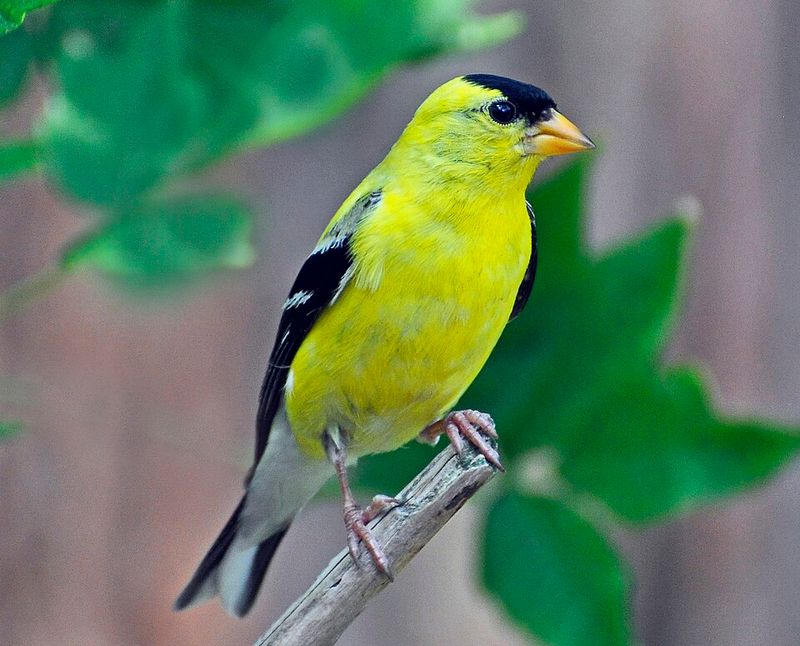
Image Credit: Rodney Campbell.
The American goldfinch is one of those birds that can make your backyard feel completely different depending on the month. In summer, the male is bright lemon yellow with a black cap, dark wings, and a clean, high-energy look that practically glows against green leaves.
By autumn and winter, that same bird tones down into a muted olive-brown version that blends into dried weeds and pale fields with ease.
This is not just a little fading around the edges. Goldfinches undergo a complete molt in late summer to early fall, replacing all their feathers and creating a much softer, less flashy appearance for the colder season.
Then, from late winter into spring, the males begin another shift, molting body and head feathers until that brilliant yellow returns in time for breeding.
I always think this bird feels like a living calendar. If the feeder is full of subdued olive birds, winter is in charge, but when those intense yellow males reappear, you know Maine is tipping back toward warmth, song, and longer afternoons.
Snow Bunting
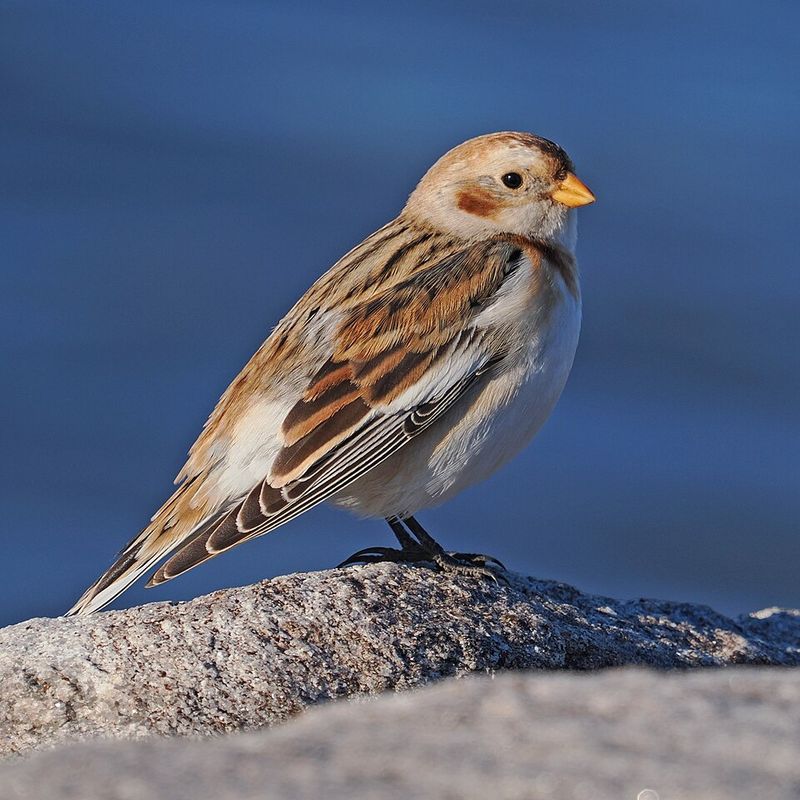
Image Credit: Judy Gallagher.
Snow buntings bring a kind of moving winter weather to Maine, and their seasonal transformation is easy to underestimate until you really compare it. During the colder months, they arrive in soft buff, brown, and white plumage that blends beautifully into stubbly fields, dunes, and snowy open ground.
They already look elegant, but they are not yet wearing their most dramatic look.
As the breeding season approaches, males shift toward a striking black-and-white pattern that feels much bolder and sharper. Part of that change comes from feather wear, as pale brown tips gradually wear away and reveal darker black coloration underneath.
It is a clever reminder that seasonal appearance is not always about growing brand-new colors from scratch.
I think snow buntings are especially fun because they turn winter birding into a treasure hunt. One flock can look soft and frosted from a distance, but closer observation reveals a species in transition, quietly preparing for another season with a completely different style waiting just under the surface.
Red Fox
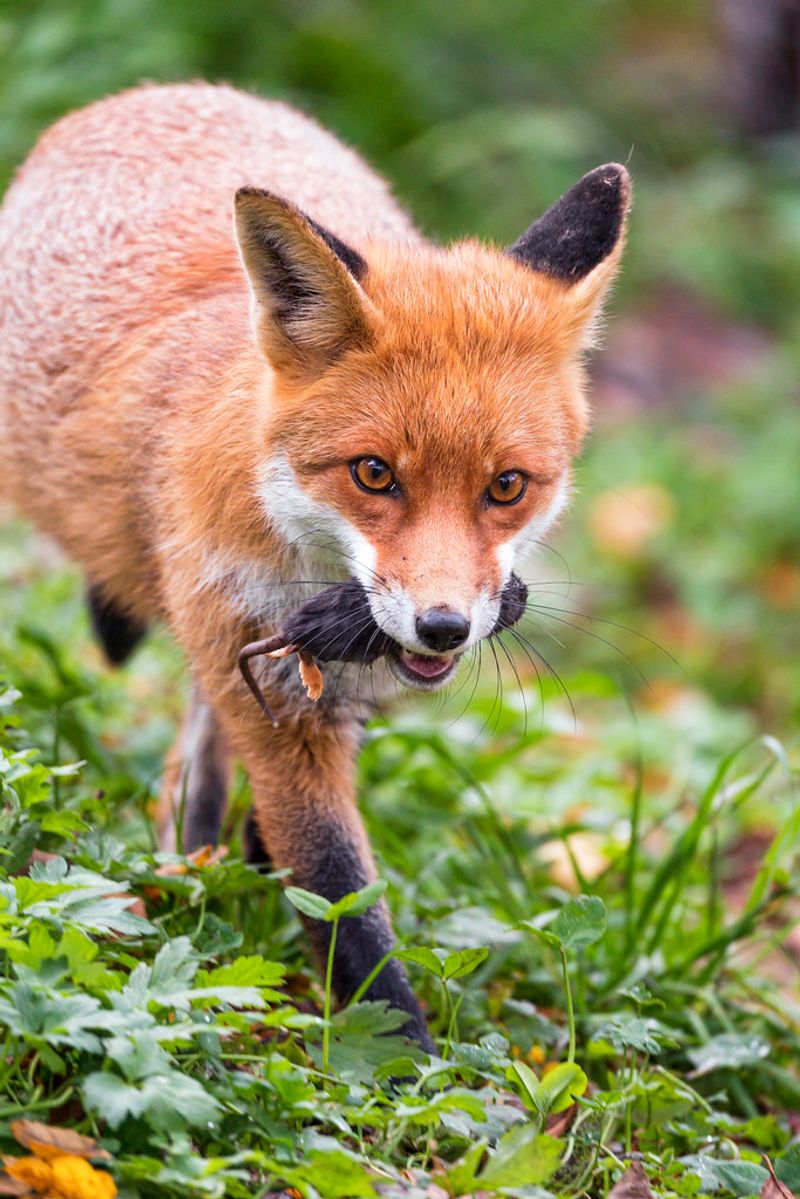
Image Credit: Tambako The Jaguar.
A red fox in summer and a red fox in winter can look like relatives rather than the same animal. Warm-weather foxes appear leaner, longer-legged, and a bit more angular, with a shorter coat that reveals their athletic build.
Once cold weather settles into Maine, that outline changes dramatically as the fur thickens and the tail swells into the kind of brushy plume that seems almost exaggerated.
The winter coat is dense enough to make the fox look substantially larger than it really is. That extra insulation matters, especially when the animal curls up in the open and wraps its tail around its nose and footpads for warmth.
By spring, much of that luxurious fur is shed, and the fox returns to a sleeker profile that feels fast, alert, and summer-ready.
I like this transformation because it is obvious even from a distance. The winter fox looks plush and storybook-perfect, while the summer fox looks streamlined and sly, reminding you that seasonal change is not always about color alone.
Sometimes silhouette tells the whole tale.
Common Loon
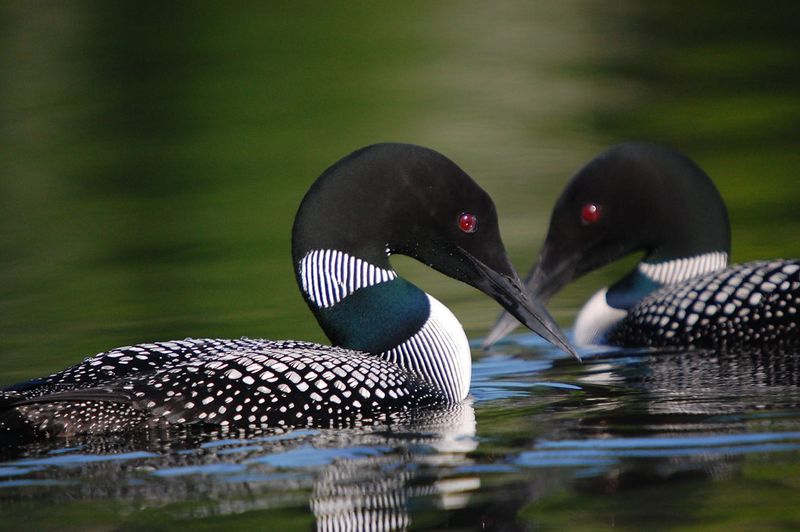
Image Credit: Gary J. Wege/USFWS.
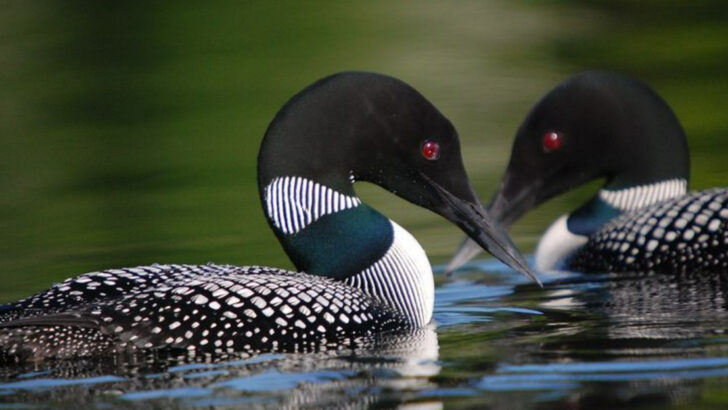
The common loon is one of Maine’s most beloved birds, but it does not keep that famous look all year. In summer on inland lakes, adults wear a striking black-and-white checkered pattern, glossy black head and neck, red eyes, and a dark bill that makes them look instantly recognizable even from far away.
By fall and winter, that dramatic style gives way to something much plainer.
After breeding season, loons molt into a subdued gray-and-white appearance that helps them blend in while spending winter along the coast. Their bill lightens to gray, and the eye color looks duller too, which changes the whole mood of the bird.
If you are used to iconic summer loon imagery, the winter version can feel unexpectedly understated.
That contrast is part of why I find loons so memorable. Summer loons seem almost ceremonial, like they were designed to be admired on a still lake at dusk, while winter loons feel practical and seaworn, carrying a stripped-down elegance that suits cold Atlantic water and a quieter season.