California is famous for beaches, redwoods, and dramatic mountains, but some of its most remarkable residents are slipping away in plain sight. From towering scavengers to tiny fish hidden in murky wetlands, these animals reveal how fragile the state’s ecosystems have become.
If you care about wild places, this list makes the stakes feel immediate and personal. Each species tells a different story, and together they show why protection cannot wait.
California Condor
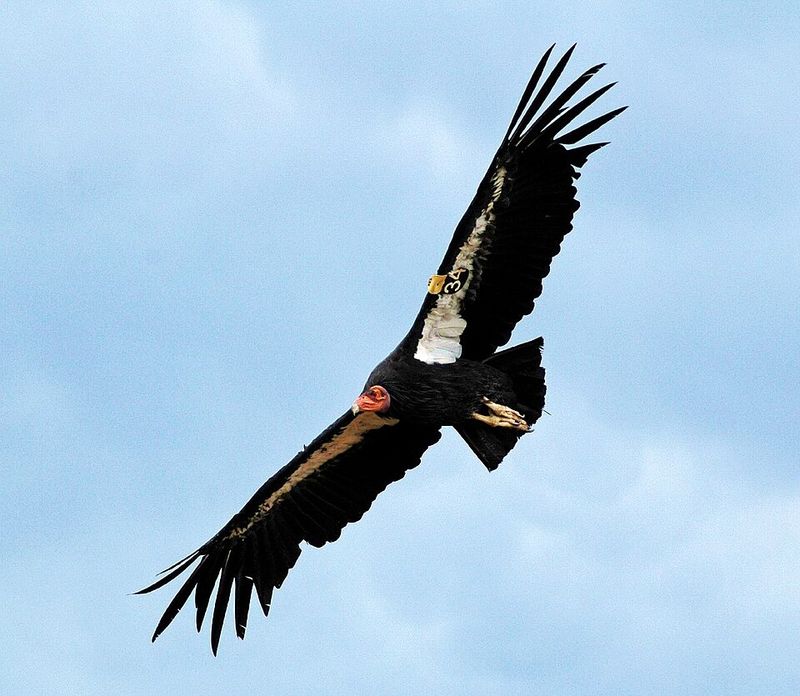
Image Credit: Don Graham.
If you ever want proof that conservation can pull a species back from the edge, the California condor is it. This enormous bird, North America’s largest flier, once fell to just 22 individuals in the 1980s before every remaining wild bird was brought into captivity.
Thanks to breeding and release programs, condors fly again over parts of California, but their comeback is still painfully fragile.
Lead poisoning remains the biggest threat because condors feed on carcasses and can swallow bullet fragments left behind by hunters. They also face habitat loss, power line collisions, wind energy hazards, and microtrash that adults sometimes feed to chicks.
Even one poisoned meal can undo months of careful recovery work.
What makes the condor feel especially urgent is how much human effort it takes to keep wild populations going. Biologists monitor nests, test blood, and release trained birds into risky landscapes.
If you want a symbol of California worth defending, this black-winged giant belongs near the top.
San Joaquin Kit Fox
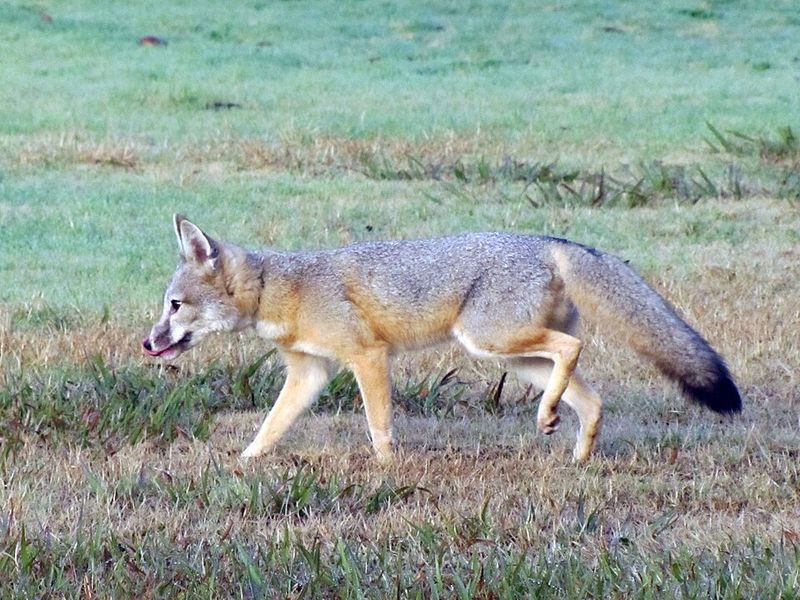
Image Credit: California Department of Fish and Wildlife.
The San Joaquin kit fox looks almost too delicate for the harsh Central Valley, yet it is brilliantly built for it. Its oversized ears help release heat and detect prey moving underground, while its light frame lets it slip through arid grasslands and scrub with ease.
That charm hides a grim reality: fewer than 3,000 may remain, and the number is still falling.
This fox has lost huge stretches of habitat to farming, housing, roads, and even utility-scale solar development. Fragmented land leaves animals isolated, more vulnerable to vehicles, disease, pesticides, and predators.
In some urban areas, mange has added another pressure to already stressed populations.
I think the kit fox matters because it represents a quieter kind of loss, the disappearance of common-looking open land that actually supports rare life. Protecting this species means protecting whole working landscapes, not just postcard wilderness.
If California cannot save one tiny fox adapted to its own heartland, that says something unsettling about our priorities.
Tidewater Goby
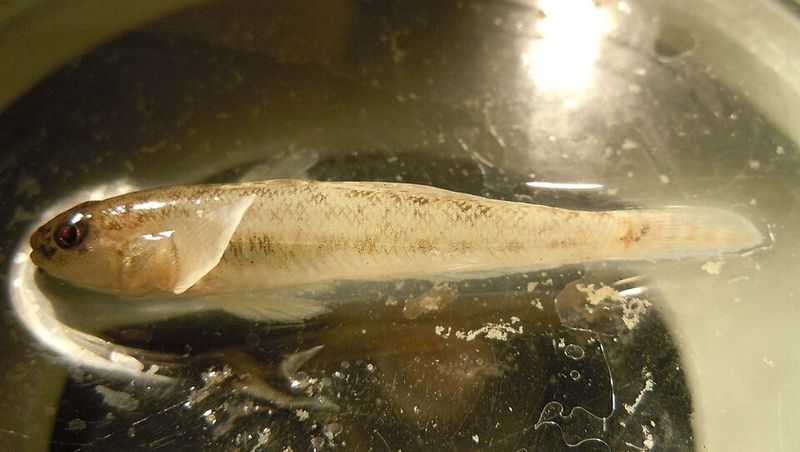
Image Credit: Yuriy Kvach.
The tidewater goby is the kind of endangered animal you could easily overlook, and that is exactly why it deserves more attention. This tiny fish lives in coastal lagoons, marshes, and estuaries along California’s shoreline, where freshwater and saltwater create fragile nurseries for life.
It may only be a few inches long, but it helps tell you whether those wet places are still functioning.
Water diversions, pollution, channelized waterways, and wetland alteration have erased or degraded many of the habitats gobies need. Artificial breaching of lagoons can suddenly change salinity, while invasive predators and trampling in muddy shallows add more pressure.
Drought and climate change make everything worse by shrinking and destabilizing the shallow systems this fish depends on.
I like thinking of the tidewater goby as California’s hidden alarm bell. When a species this small starts disappearing, the damage is rarely small.
Protecting gobies means restoring wetlands that also buffer storms, filter water, and support countless birds, insects, and other fish you are much more likely to notice.
Sierra Nevada Bighorn Sheep
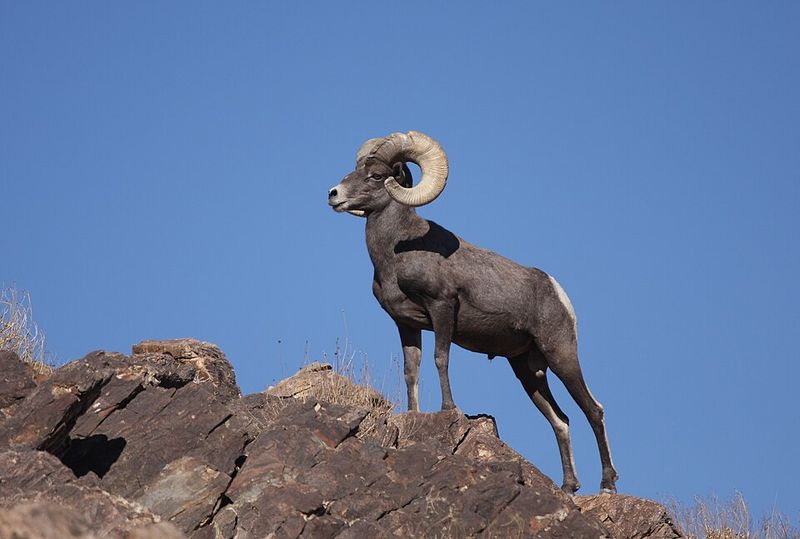
Image Credit: Magnus Kjaergaard.
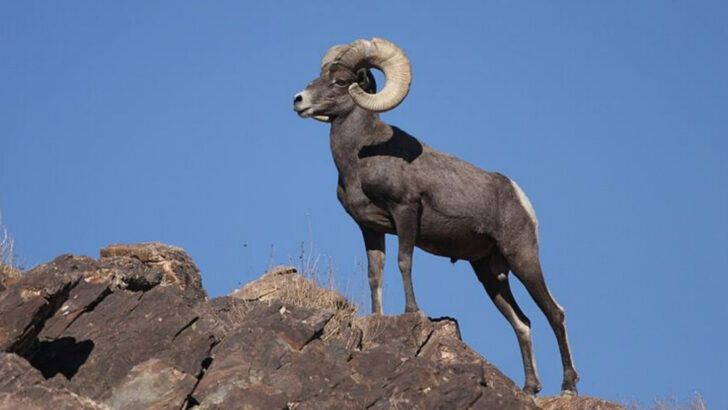
High in the Sierra Nevada, these bighorn sheep move across cliffs that look impossible to climb, turning bare rock into a kind of elevated highway. The rams carry heavy curled horns and crash together in fierce breeding contests, but toughness has not made them immune to decline.
In the 1990s, the population dropped to around 100 animals, and even after recovery gains, recent setbacks have been serious.
Disease from domestic sheep and goats remains one of the biggest dangers, especially pneumonia that can sweep through small herds. Mountain lion predation, severe winters, avalanches, and the risks of inbreeding all hit harder when populations are already limited.
Recent numbers have swung downward again, a reminder that recovery is not a straight line.
What makes this animal unforgettable is its setting. These sheep are part of California’s highest, wildest terrain, and losing them would change the spirit of the range itself.
Protecting them means careful monitoring, smart predator management, and stronger separation from domestic livestock that can carry deadly pathogens uphill.
Southern Sea Otter
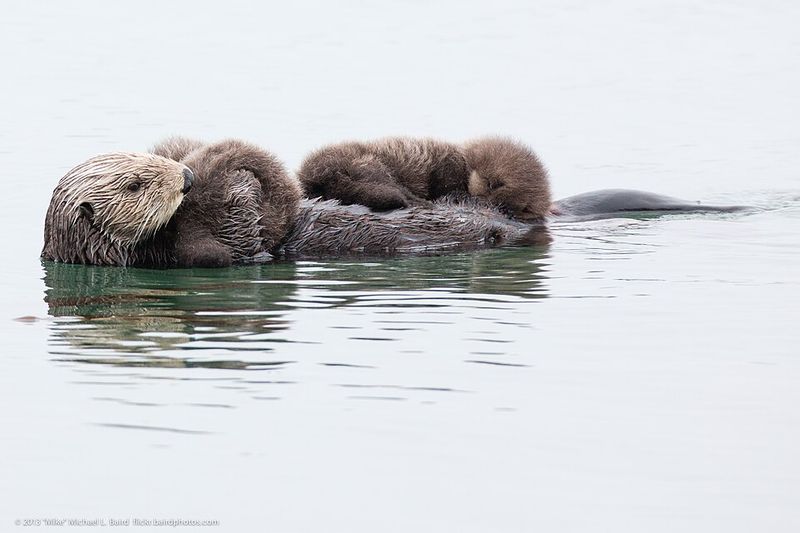
Image Credit: Mike Baird.
Southern sea otters have a way of making people smile instantly, especially when they float on their backs and crack shellfish with rocks balanced on their chests. But their appeal is more than cute behavior.
They are a keystone species, helping kelp forests stay healthy by keeping sea urchin populations from mowing everything down.
That ecological importance makes their threats especially troubling. Oil spills are devastating because otters rely on dense fur, not blubber, for warmth, and contamination ruins that insulation.
They also face disease, entanglement, harmful algal blooms, limited prey, and frequent shark bites that slow population recovery along the central coast.
I think sea otters are one of the clearest examples of how connected California’s ecosystems really are. When otters struggle, kelp forests, fisheries, and shoreline biodiversity feel it too.
Protecting them means cleaner water, safer coastal management, and real preparation for spills before disaster strikes, not after heartbreaking images of oil-soaked fur force everyone to pay attention.
California Red-Legged Frog
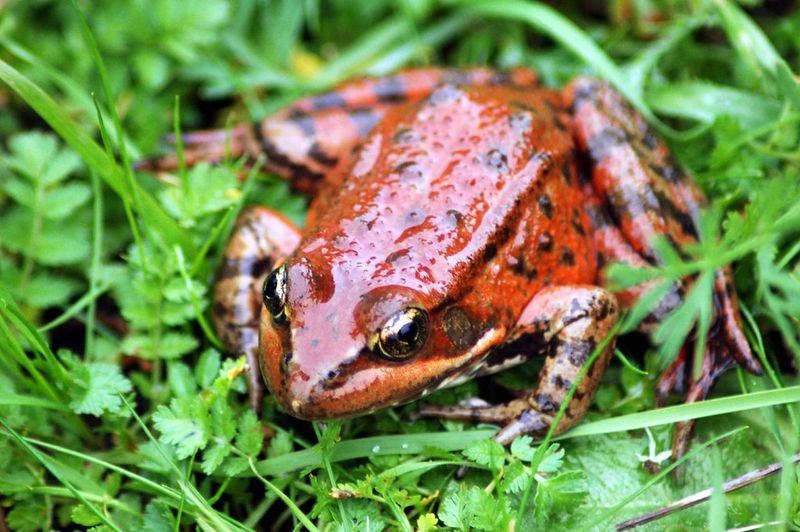
Image Credit: kqedquest.
The California red-legged frog carries a bit of literary fame thanks to Mark Twain, but its real story is far less playful. This is the largest native frog in the western United States, once widespread in ponds, marshes, and slow streams across much of California.
Today it has vanished from more than 70 percent of its historic range, which makes every remaining wetland feel more precious.
Wetland destruction, water diversion, agriculture, and urban growth have steadily erased the shallow habitats this frog needs to breed and hide. Invasive bullfrogs prey on young frogs and compete for resources, while drought and pollution make survival harder year after year.
A species built for seasonal water is now trapped in a state where water itself is increasingly contested.
I love that this frog reminds you endangered wildlife is not always exotic or remote. Sometimes it is a familiar, mud-splashed animal that disappears because ordinary places stop being ordinary enough to support life.
Protecting it means restoring ponds, limiting invasive species, and treating wetlands as essential infrastructure, not disposable vacant land.
Desert Tortoise
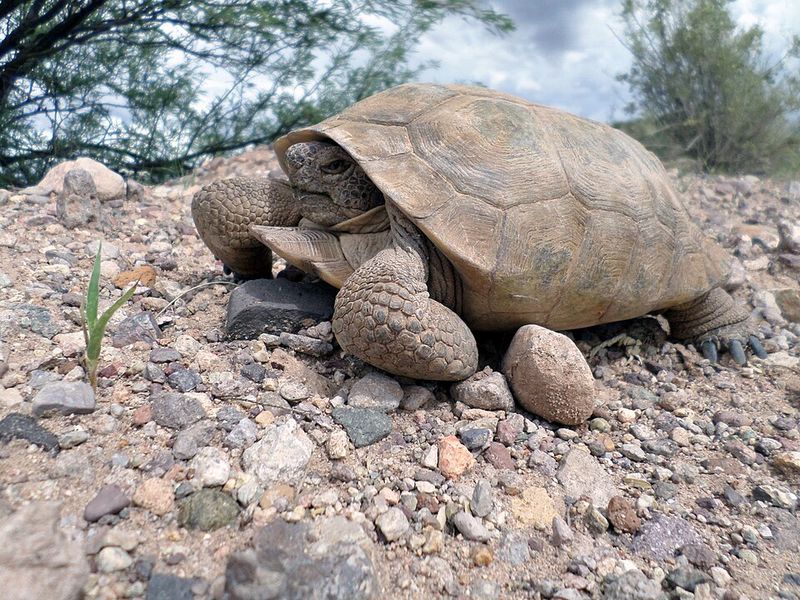
Image Credit: California Department of Fish and Wildlife.
The Mojave desert tortoise lives at a pace that almost feels rebellious in modern California. It spends much of its life in burrows, escaping brutal heat and waiting for the right conditions to feed on grasses, flowers, and cacti.
That slow, durable lifestyle once worked beautifully in the desert, but today it is colliding with roads, sprawl, and relentless habitat fragmentation.
This species has declined sharply, and California recently elevated its status to endangered under state law. Urban growth, renewable energy development, military activity, off-road vehicle use, wildfire fueled by invasive plants, disease, and climate-driven drought all chip away at survival.
Even released pet tortoises can spread illness to wild populations.
The desert tortoise matters because it exposes a myth people still carry about the Mojave, that empty-looking land is somehow empty of consequence. It is not.
Protecting tortoises means safeguarding wide connected desert spaces, managing recreation responsibly, and recognizing that slow-growing species cannot simply bounce back after repeated disturbance, no matter how tough their shells may look.
California Tiger Salamander
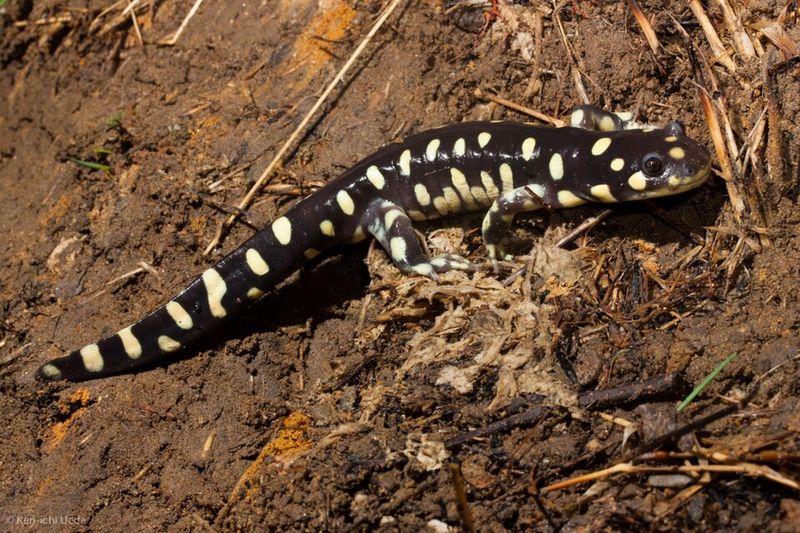
The California tiger salamander looks like something a fantasy illustrator would invent: a dark, chunky amphibian marked with bold yellow or cream patterns. For much of the year, adults stay hidden underground in burrows, then move toward seasonal ponds after winter rains to breed.
That secretive cycle is part of the problem, because a species can fade fast when the temporary habitats it relies on keep disappearing.
Vernal pools and other ephemeral wetlands have been drained, plowed, developed, or altered across huge parts of California. Roads cut through migration routes, while bullfrogs, non-native fish, crayfish, and even hybridizing salamanders create extra pressure in breeding ponds.
Drought and contaminated runoff can turn a successful breeding season into a total failure.
I find this species especially compelling because it depends on both water and dry land, and both have to stay connected for its life cycle to work. Protecting the salamander means saving not just scenic ponds, but surrounding grasslands, burrows, and migration corridors.
In other words, it forces conservation to think like an ecosystem.
Western Snowy Plover
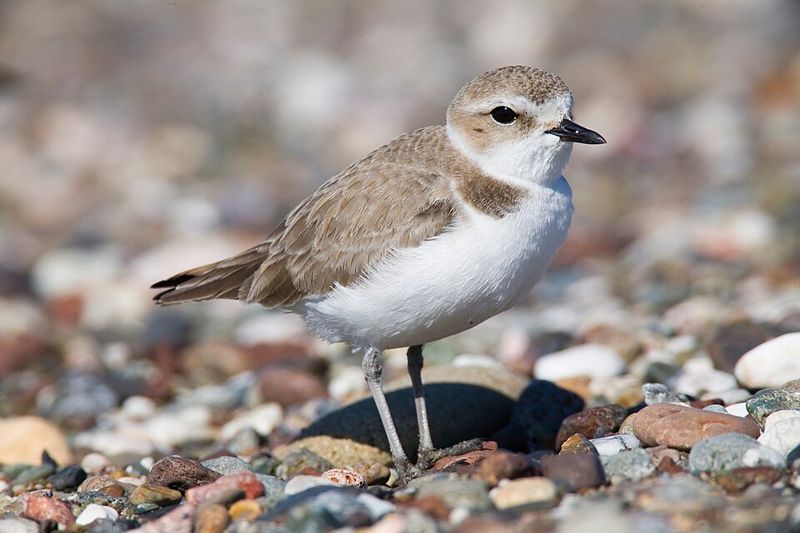
Image Credit: Mike Baird.
The western snowy plover nests in one of the most exposed places imaginable: open sand. Its eggs and chicks blend beautifully into beaches, but that camouflage only works until people, dogs, vehicles, or predators come too close.
Once you know these tiny shorebirds are trying to raise families right where everyone wants to spread a towel, the beach feels different.
Coastal development has reduced suitable habitat, and heavy recreation can crush nests or repeatedly flush adults from their eggs. Predators thrive around altered shorelines, while loose pets and unattended food scraps make bad situations worse.
Seasonal fencing and beach closures may seem inconvenient at first, but they often give plovers the breathing room they need to nest successfully.
I appreciate the snowy plover because it challenges the idea that conservation only happens far from human life. Sometimes it happens exactly where people jog, surf, picnic, and take sunset photos.
Protecting this bird asks for modest restraint from us, and that makes it one of the most practical, visible tests of whether Californians will share their coast.
Delta Smelt
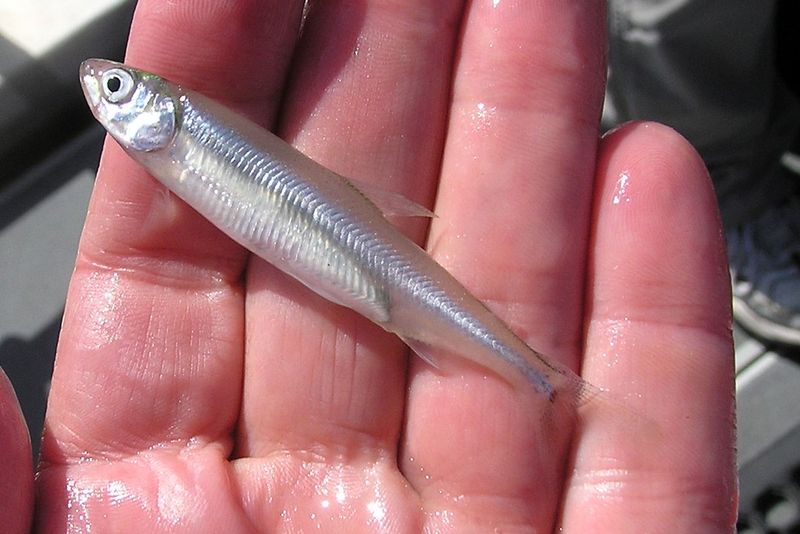
Image Credit: USFWS/Peter Johnsen.
The delta smelt is not flashy, and maybe that is part of its tragedy. This small, translucent fish lives only in California’s Sacramento-San Joaquin Delta, where it has long served as a sensitive indicator of ecosystem health.
When the smelt crashes, it tells you something is deeply wrong with the water system millions of people and countless species depend on.
Water diversions have altered flows and salinity, invasive species have disrupted food webs, and pollution plus warming conditions have pushed the fish to the brink. Recent surveys found no wild delta smelt for multiple years, leading many experts to describe it as functionally extinct in the wild.
Hatchery programs may keep the species alive, but they cannot replace a working estuary.
This fish can feel abstract until you realize it sits at the center of one of California’s fiercest water conflicts. Protecting delta smelt means making difficult decisions about how rivers are managed, not just mourning a species after it disappears.
If California cannot keep a native fish alive in its most important estuary, that failure will echo far beyond one species.
Least Bell’s Vireo
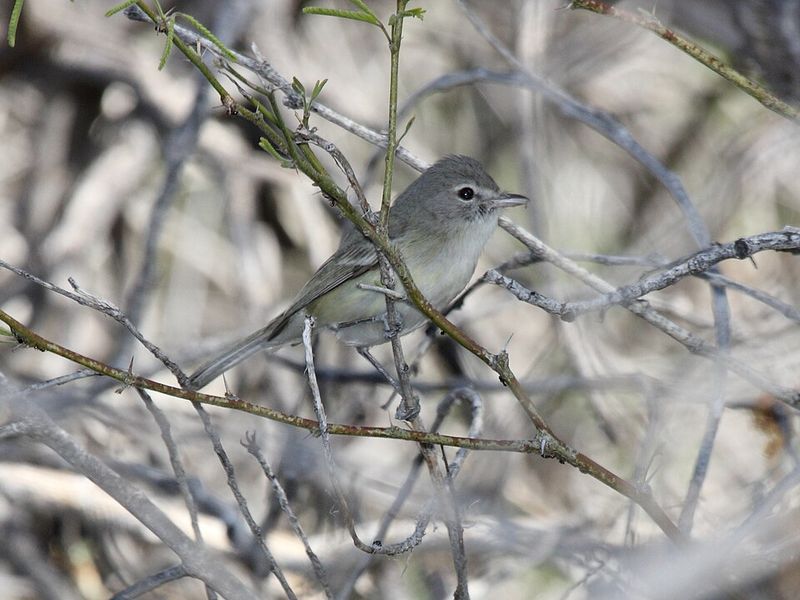
Image Credit: dominic sherony.
The least Bell’s vireo is easy to miss visually, but once you hear its lively song in streamside vegetation, it feels like a pulse returning to damaged places. This small bird nests in dense riparian habitat in Southern California, the kind of green corridor that also shelters insects, mammals, and countless migratory species.
Its decline was tied closely to the loss of those ribbons of life along rivers and creeks.
Urban development, agriculture, channelization, grazing, and water projects stripped away much of the tangled habitat vireos need to breed. Brown-headed cowbirds added another blow by laying eggs in vireo nests, reducing the bird’s already fragile nesting success.
The hopeful part is that restoration and cowbird management have helped populations rebound dramatically in some areas.
I like including this species because it proves recovery can happen when protection is specific and persistent. Healthy riparian corridors are not glamorous compared with giant forests or alpine peaks, yet they hold extraordinary biodiversity.
Saving the least Bell’s vireo means valuing messy, brushy stream edges that many people once treated as expendable.
Island Fox
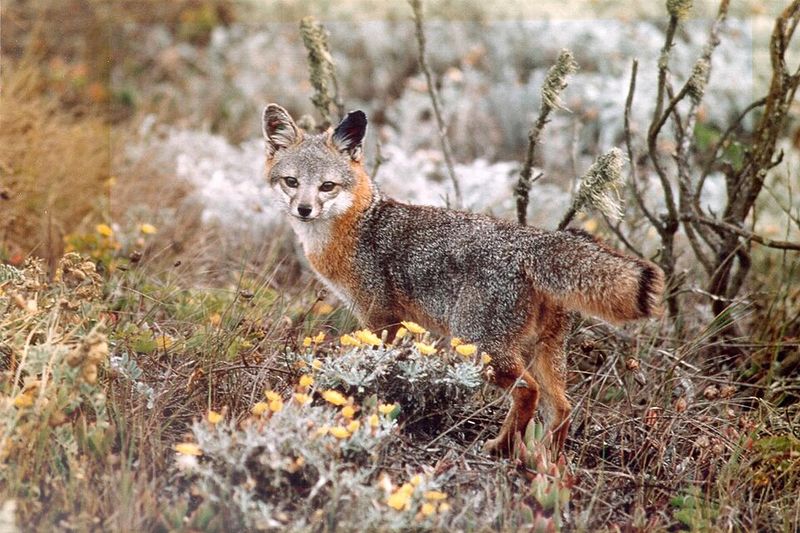
Image Credit: Pacific Southwest Region USFWS.
The island fox feels almost storybook-small, but its conservation history is one of California’s boldest success stories. Found only on six Channel Islands, these foxes evolved separately on each island, making every population genetically unique.
That means losing one island population is not like losing a local group – it erases an irreplaceable branch of evolution.
Several fox populations crashed because of disease and predation by golden eagles, a problem tied to wider ecological disruption on the islands. On Santa Catalina, canine distemper was devastating, while golden eagles surged after changes involving pigs and the earlier loss of bald eagles.
Intensive action, including captive breeding, vaccination, eagle translocation, and ecosystem restoration, produced one of the fastest recoveries of any endangered mammal in the country.
I find the island fox inspiring because it shows what happens when conservation is ambitious instead of timid. Still, recovery is not permission to relax.
These islands remain vulnerable systems, and continued monitoring matters if you want this rare little fox to stay more than a miracle from the recent past.