
Once Pennsylvania warms up, the air starts buzzing, flashing, biting, and fluttering in every direction. Some of these insects are beloved signs of summer, while others feel like they run the whole state by sheer annoyance alone.
From glowing fireflies to crop-stressing invaders, these tiny rulers shape backyards, trails, gardens, and evenings more than you might expect. If you have ever swatted, admired, or nervously sidestepped a winged visitor in July, this list will feel very familiar.
Eastern Cicada
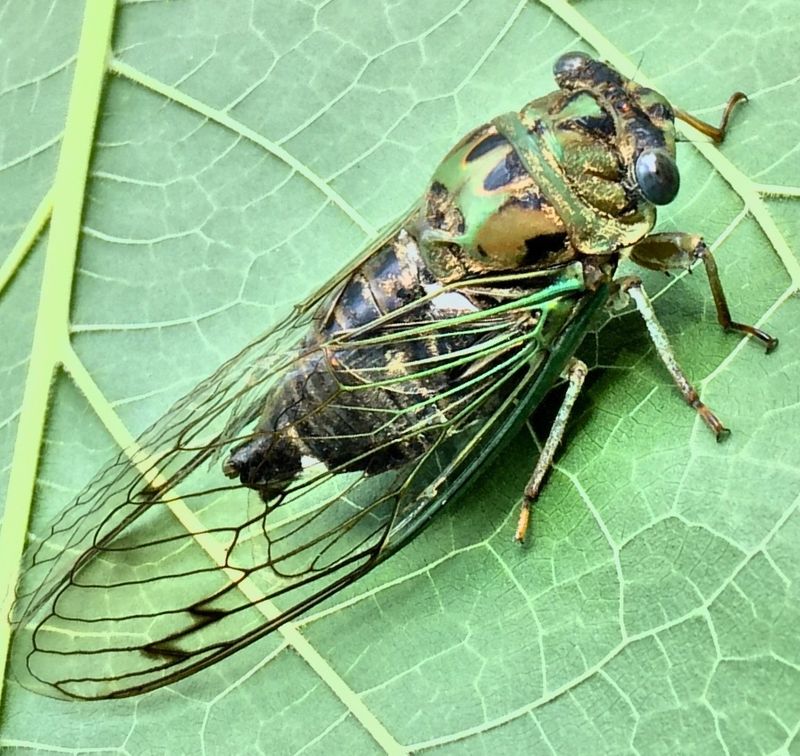
Image Credit: Ken Kneidel.
If you spend even one hot afternoon in Pennsylvania, the eastern cicada can feel like the season’s unofficial sound system. Their buzzing rises from neighborhoods, parks, and woodlots with such confidence that you almost stop noticing it, until the noise suddenly swells again.
Males make those loud calls to attract females, turning ordinary trees into vibrating summer stages.
What makes cicadas especially wild is how much of their lives happen out of sight underground. As nymphs, they feed on fluids from tree roots for years before emerging, climbing upward, shedding their skins, and becoming the brief, noisy adults you recognize.
Annual cicadas appear every year, while periodical cicadas in parts of Pennsylvania emerge in dramatic thirteen or seventeen year waves that feel almost unreal.
Adults usually live only a few weeks, which gives their whole performance a frantic, last-chance energy. Females cut slits into twigs to lay eggs, and then the cycle starts again.
For you, that means one thing – summer has officially arrived.
Spotted Lanternfly
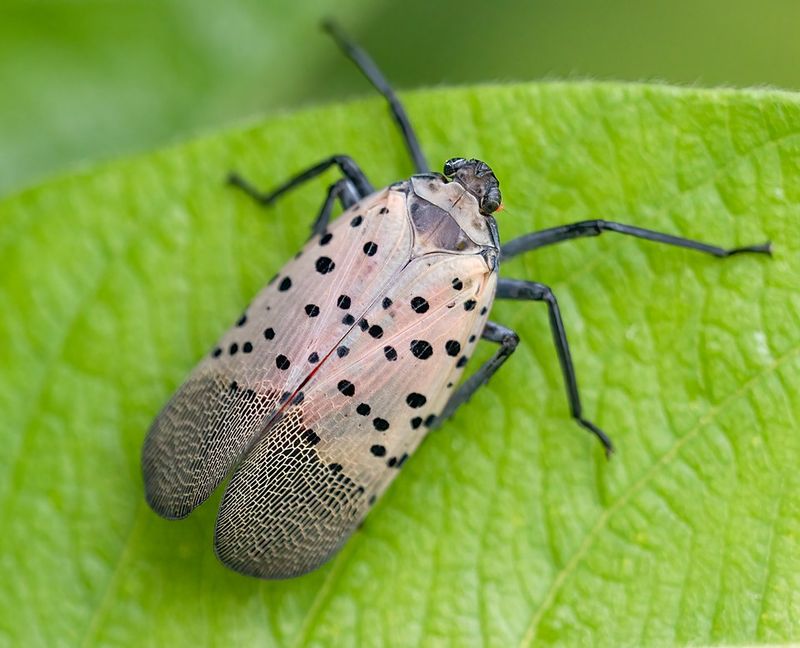
Image Credit: Rhododendrites.
The spotted lanternfly does not just show up in Pennsylvania – it takes over conversations, patios, vineyards, and tree trunks with startling speed. First detected in Berks County in 2014, this invasive planthopper quickly became one of the state’s most infamous warm-weather pests.
Once you notice their spotted wings and hopping movements, you start seeing them everywhere.
They feed by piercing plants and sucking sap from grapes, maples, fruit trees, and dozens of other species. Heavy infestations can weaken vegetation, cause wilting and dieback, and leave behind sticky honeydew that coats leaves, decks, cars, and outdoor furniture.
That sugary mess also encourages black sooty mold, which makes affected spaces look grimy and stressed.
What makes lanternflies especially frustrating is that they feel both dramatic and relentless. They gather in large numbers, move from host to host, and create visible damage that is hard to ignore.
If you live in Pennsylvania, you have probably become unwillingly familiar with them already.
Mosquito
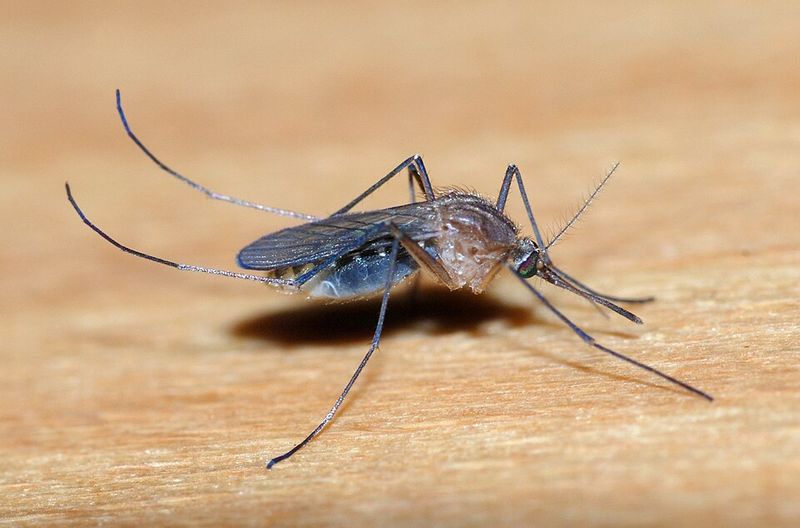
Image Credit: Alvesgaspar.
Few insects control a Pennsylvania summer evening quite like the mosquito. You can have the perfect backyard setup, a calm sunset, and a cold drink in hand, and then the whining starts near your ear.
Within minutes, the mood changes from peaceful to defensive, with everyone swatting the air and checking their ankles.
Only female mosquitoes bite because they need blood to help develop their eggs. They breed in standing water, which means birdbaths, clogged gutters, buckets, and forgotten containers can quietly become nurseries right outside your door.
Their bites leave itchy welts, but the bigger concern is disease, especially West Nile virus and, in some areas, Eastern Equine Encephalitis.
Humans and horses are considered dead-end hosts for those viruses, yet prevention still matters a lot. Repellent, long sleeves, and eliminating stagnant water can make a huge difference during the warmer months.
In Pennsylvania, mosquitoes are tiny, persistent reminders that summer comfort is never entirely free.
Japanese Beetle
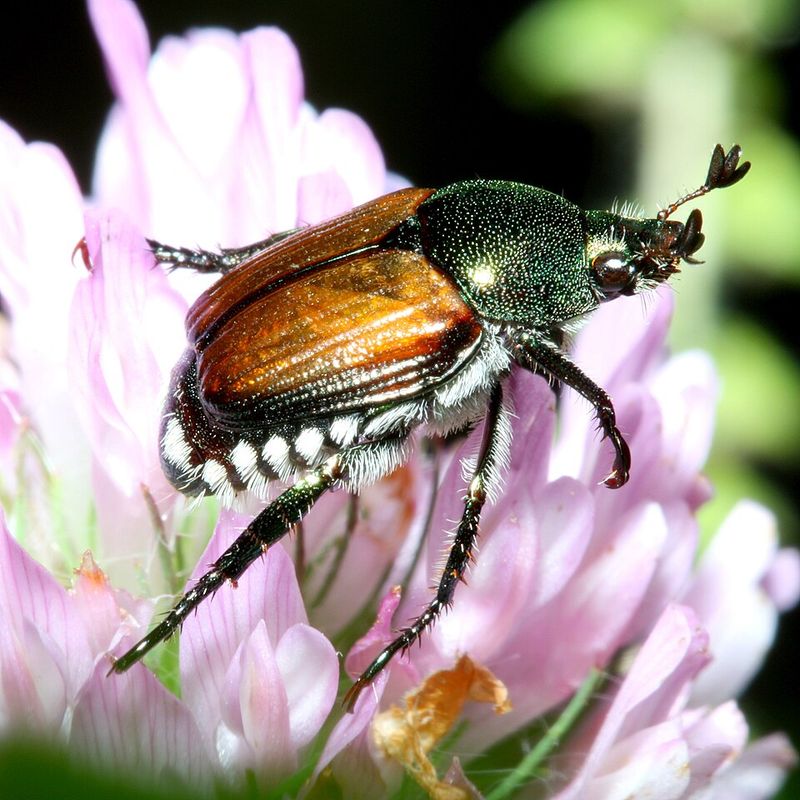
Image Credit: Bruce Marlin.
Japanese beetles look almost too polished to be pests, with metallic green bodies and coppery wing covers that shimmer in the sun. Then you notice what they leave behind.
Roses, grapevines, fruit trees, and ornamental plants can end up looking lacey and exhausted after these beetles skeletonize the leaves between the veins.
In Pennsylvania, their numbers usually peak from late June into early August, which makes midsummer gardens feel like an all-you-can-eat buffet. Adults feed on more than 300 plant species, often clustering together in a way that makes the damage expand fast.
Below the surface, their larvae, known as white grubs, chew on grass roots and can contribute to thinning, weakened lawns.
That double life cycle gives them an unfair edge, because they can trouble both gardens and yards in different forms. You may first spot them because of their flashy color, but the real giveaway is the mess they create.
Once Japanese beetles arrive, your plants rarely get a quiet week.
Monarch Butterfly
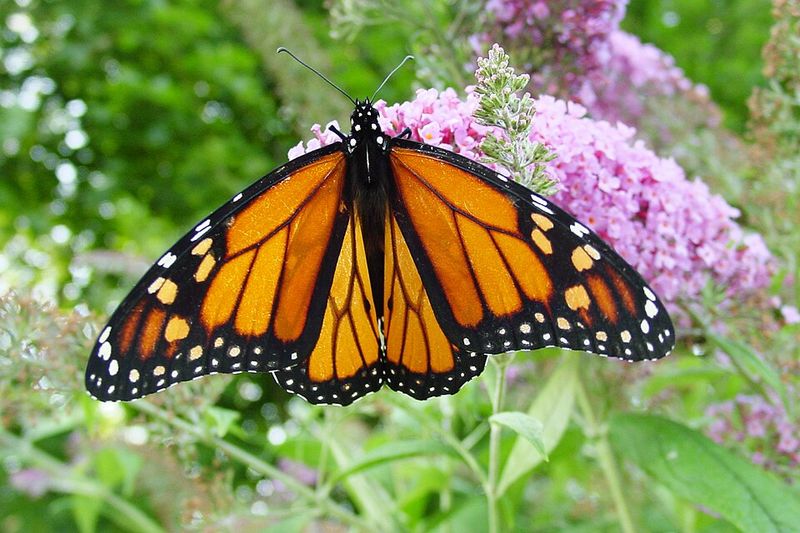
Image Credit: Captain-tucker.
The monarch butterfly feels like one of Pennsylvania’s gentler rulers, drifting through meadows and gardens with a kind of calm authority. Its orange and black wings are instantly recognizable, and spotting one can make an ordinary walk feel a little cinematic.
Even people who ignore most insects usually stop for a monarch.
Their story becomes even more impressive when you learn that monarch caterpillars feed exclusively on milkweed. In Pennsylvania, native milkweeds such as common, swamp, and butterfly milkweed support the early stages of this insect’s life.
By late summer and fall, a special super generation emerges, living far longer than the summer generations and preparing for the long migration to central Mexico.
That journey stretches thousands of miles, which makes every backyard monarch seem much bigger than it looks. Planting milkweed and nectar flowers can give them a needed boost during their seasonal travels.
When monarchs appear in Pennsylvania, they bring color, movement, and one of nature’s most astonishing migration stories.
Eastern Tiger Swallowtail
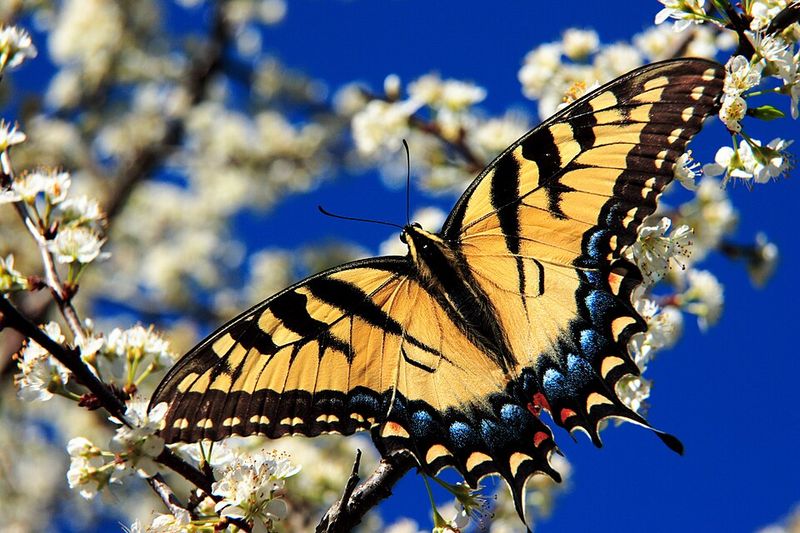
Image Credit: Jay Williams.
The eastern tiger swallowtail is the kind of butterfly that makes you look twice, even if you were not planning to notice insects that day. Its large yellow wings crossed with black stripes seem designed to stand out against Pennsylvania’s green summer backdrop.
When one glides through a yard or meadow, it does not just pass by – it stages an entrance.
Adults visit many kinds of wildflowers for nectar, helping pollinate the landscape while showing off one of the region’s boldest wing patterns. Males are typically yellow, while females can be yellow or a striking dark morph that surprises people expecting the classic look.
Their caterpillars feed on native trees such as black cherry and tulip tree, tying them closely to local habitats.
Many people assume this butterfly is Pennsylvania’s official state butterfly, but the state does not actually have one. Official title or not, it still feels like royalty in late spring and summer.
If you catch one drifting past, your day instantly gets brighter.
Bumble Bee
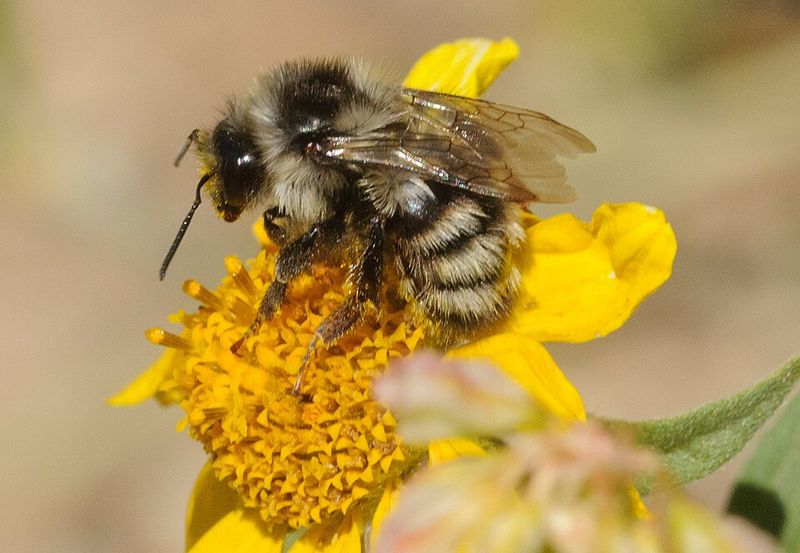
Image Credit: (c) Rolf Lawrenz.
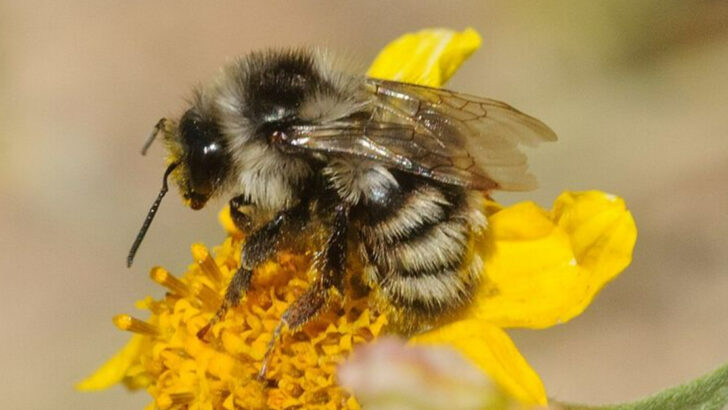
Bumble bees have a way of making a garden feel busy, productive, and slightly magical all at once. Their fuzzy bodies, low buzzing flight, and determined flower-to-flower routine make them some of Pennsylvania’s most recognizable warm-season pollinators.
You can watch one work for a minute and come away feeling like you witnessed a tiny professional at peak efficiency.
Pennsylvania is home to numerous social bumble bee species, including the common eastern bumble bee. Queens emerge in spring, establish nests, and build colonies that become highly active through summer as workers gather nectar and pollen from a wide range of flowers.
Their hairy bodies are excellent at carrying pollen, which helps wildflowers, fruits, and vegetables reproduce more successfully.
That ecological role is hard to overstate, especially when some species face steep declines. The American bumblebee, for example, has become threatened in Pennsylvania with very low numbers.
So while a bumble bee may seem ordinary in the moment, it is actually one of summer’s most valuable and hardworking rulers.
Dragonfly
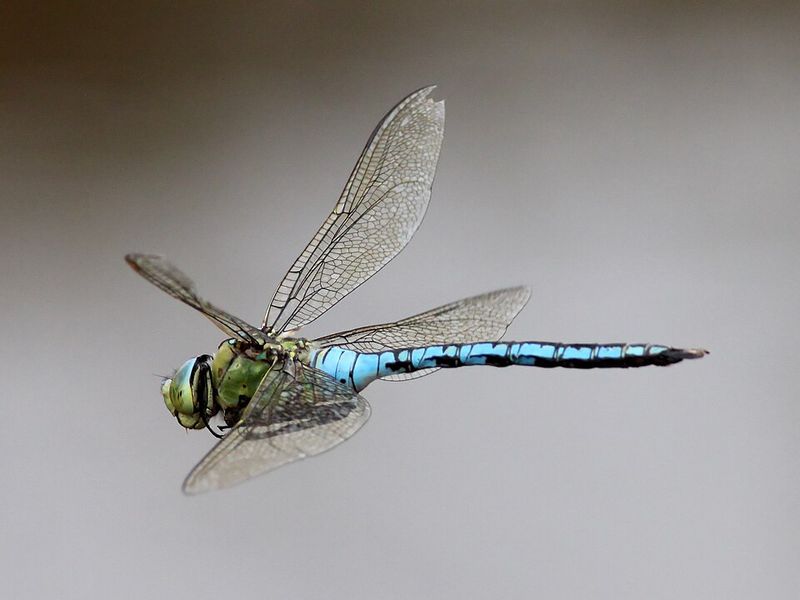
Image Credit: Ken Billington.
Dragonflies patrol Pennsylvania’s ponds, lakes, and slow streams like tiny helicopters with attitude. They zip, hover, pivot, and dart so smoothly that you almost forget how predatory they are.
If an insect kingdom had air superiority, dragonflies would absolutely claim it.
More than a hundred species occur in Pennsylvania, and many become highly visible during the warmer months around freshwater habitats. Their huge eyes provide exceptional vision, and their flight control lets them catch mosquitoes, flies, gnats, and other insects right out of the air.
Even their young are formidable, because dragonfly nymphs live underwater for months or years and prey on other aquatic creatures before emerging as adults.
That double life makes them both fascinating and useful, especially if you are happy to have fewer mosquitoes nearby. Their presence often points to healthy wetland or pond conditions, which gives them ecological importance beyond their flashy acrobatics.
Best of all, dragonflies do not sting, so you can simply watch them rule the shoreline in peace.
Firefly (Lightning Bug)
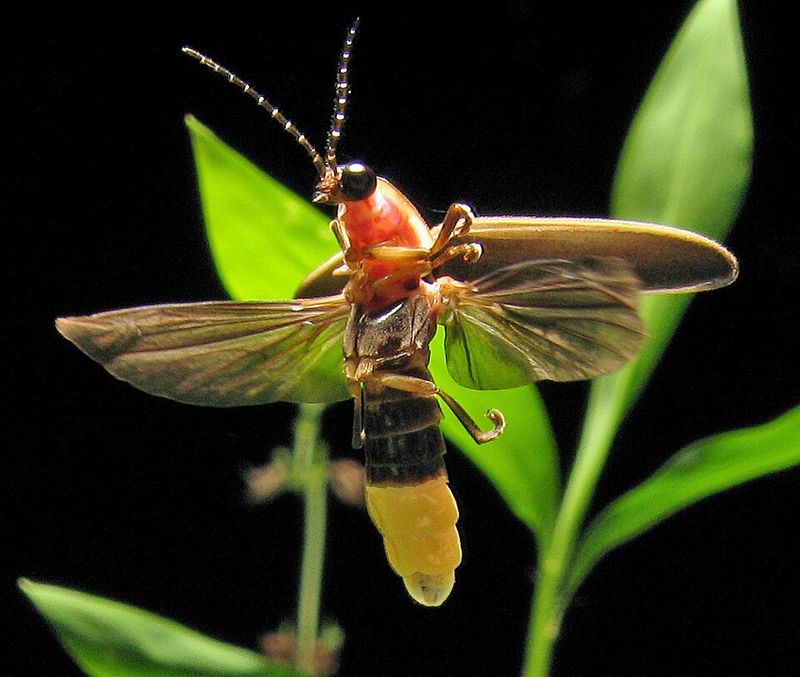
Image Credit: art farmer.
Few insects capture Pennsylvania summer nostalgia better than the firefly, also called the lightning bug. Once the sun drops and the air turns soft, those tiny flashes begin appearing over lawns, fields, and garden edges like floating punctuation marks.
It is one of the state’s most familiar warm-weather spectacles, and it still feels a little magical every time.
Pennsylvania officially recognizes a firefly, Photuris pensylvanica, as its state insect. The glow comes from bioluminescence, a chemical reaction involving luciferin and luciferase, and those blinking patterns mostly function as mating signals between adults.
Even the larvae can glow, which is why they are sometimes called glow worms.
Fireflies rule not by annoyance or destruction, but by atmosphere. They make suburban yards feel enchanted, turn ordinary parks into memory-making places, and remind you that nighttime insects are not all bad news.
If your summer evenings include a few steady flashes above the grass, Pennsylvania is doing exactly what it does best.
Wheel Bug
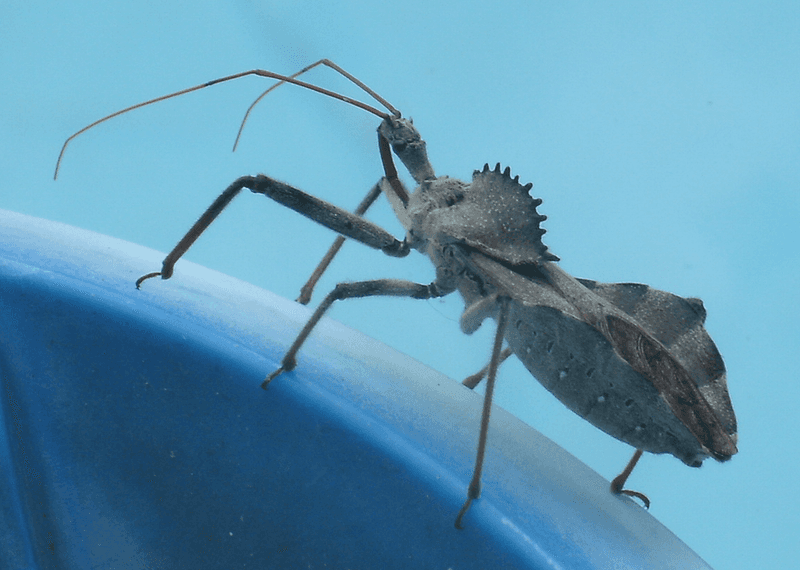
Image Credit: Marmelmm.
The wheel bug looks like something a costume designer invented after being told to create the most intimidating garden insect possible. Its long body, strong legs, and strange gear-like crest make it one of Pennsylvania’s most unforgettable warm-weather bugs.
The moment you spot that spiny wheel on its back, you understand why it has such a dramatic name.
Despite the sinister appearance, this assassin bug is actually beneficial in many gardens. It hunts caterpillars, beetles, and other insects, using a piercing beak to inject toxic saliva that paralyzes prey before feeding.
In other words, it is a highly effective natural predator that helps keep some pest populations in check.
The catch is that wheel bugs should never be handled casually. If threatened, they can deliver a very painful bite that may cause intense pain and temporary numbness, even though it is not considered medically serious for most people.
So yes, it is helpful, but it absolutely prefers respect over admiration.
Green Darner
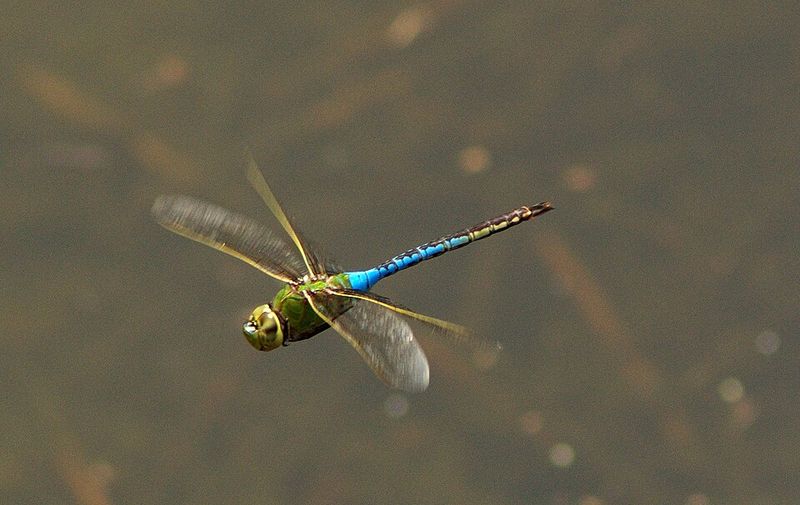
Image Credit: Mike Ostrowski.
The green darner feels like the dragonfly version of a long-distance athlete, and in Pennsylvania it earns that reputation easily. Large, streamlined, and constantly in motion, it often cruises over wetlands with the confidence of something that knows it owns the airspace.
If you notice a dragonfly that seems especially big and fast, this may be the one.
Common green darners are among the largest dragonflies in North America, reaching about three inches long with wingspans near four inches. They are also migratory, which adds another layer of fascination to an insect already known for strong flight and sharp aerial hunting skills.
Around ponds, marshes, and other wetlands, they spend much of the day catching mosquitoes, gnats, and similar flying insects.
That combination of size, speed, and appetite makes them one of the most commanding insect presences of the warmer months. You get the beauty of an elegant flier and the practical benefit of a mosquito hunter at the same time.
Pennsylvania wetlands would feel quieter without them.
Horse Fly
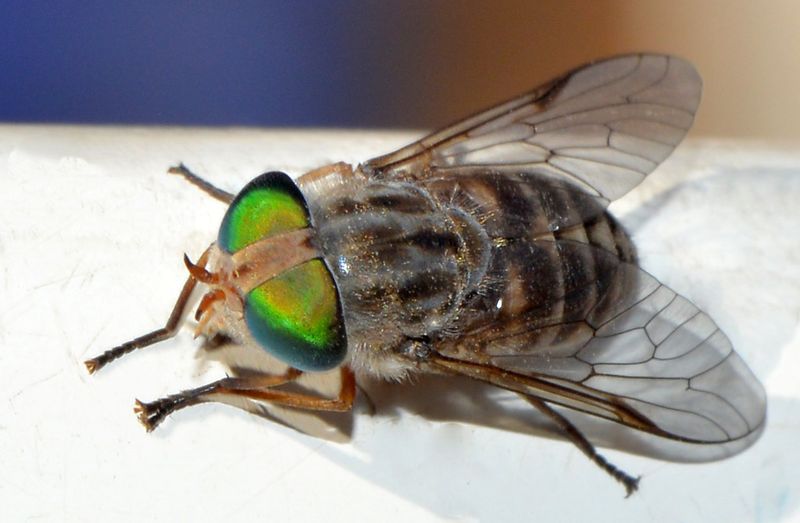
Image Credit: Jean and Fred Hort.
Horse flies rule by intimidation, plain and simple. They are bigger than many people expect, loud enough to notice before they land, and infamous for bites that feel more like tiny cuts than simple stings.
On hot Pennsylvania days near wetlands, farms, or wooded trails, they can turn a peaceful outing into a tense scanning mission.
Female horse flies feed on blood because they need it for egg production, while males mostly consume nectar and plant juices. The females use sharp mouthparts to slice the skin of mammals, including people, horses, cattle, and deer, which is why their bites can bleed and linger.
Their larvae develop in moist soil or vegetation near water, so those muggy summer habitats are prime horse fly territory.
Large eyes, robust bodies, and relentless persistence make them hard to forget once encountered. Most bites are simply painful and irritating, though some people can experience stronger reactions or secondary infections.
If any Pennsylvania insect understands how to ruin a sweaty afternoon, it is the horse fly.
Praying Mantis
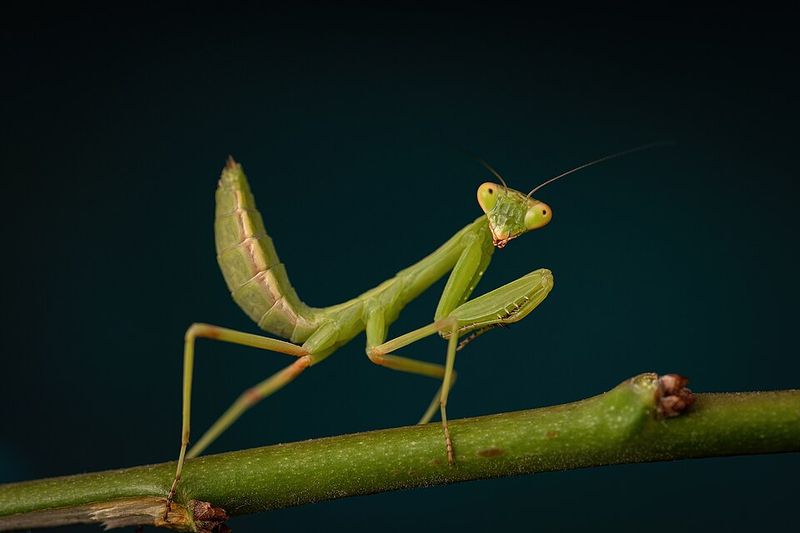
Image Credit: Mihai C. Popa.
The praying mantis rules through patience, not noise. While other summer insects announce themselves with buzzing, flashing, or biting, a mantis simply waits, blending into leaves and stems until prey wanders too close.
That calm stillness makes it one of Pennsylvania’s most quietly dramatic warm-weather hunters.
Mantises use lightning-fast forelegs to snatch flies, moths, grasshoppers, and other insects before the victim has any real chance to react. Larger individuals have even been observed taking small vertebrates such as frogs, salamanders, and very small birds, which sounds almost absurd until you see their precision up close.
In Pennsylvania, several mantid species occur, but only the Carolina mantis is native, while others such as the Chinese and European mantises were introduced.
Because their camouflage is so effective, you often discover one only after it moves. That surprise factor adds to their mystique and makes gardens feel like tiny hunting grounds.
They are not endangered or protected in Pennsylvania, yet they still carry an air of rare, almost ceremonial authority.
Carpenter Ant
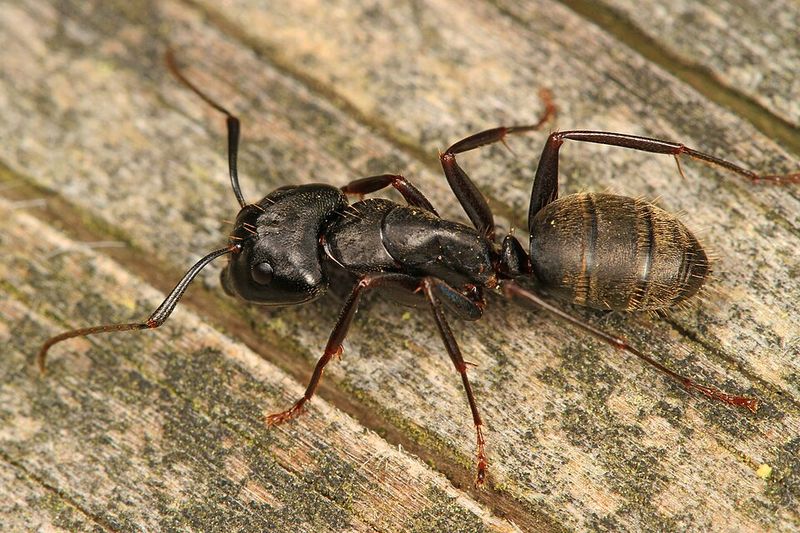
Image Credit: Judy Gallagher.
Carpenter ants do not inspire the instant drama of a lanternfly or the cinematic glow of a firefly, but they absolutely know how to take over a space. During Pennsylvania’s warmer months, workers become more noticeable as they trail across decks, kitchens, porches, and foundations in search of food.
Seeing a few may seem minor, yet they can signal a much bigger hidden colony nearby.
Unlike termites, carpenter ants do not actually eat wood. Instead, they excavate damp, decaying, or sometimes even sound wood to create tunnels and galleries for nesting, leaving behind a sawdust-like material called frass.
Over time, large colonies can weaken structural wood and lead to costly repairs, especially when moisture problems go unaddressed.
They are also impressively sized compared with many other household ants, which makes them harder to dismiss. Warm weather brings more foraging activity, so summer is often when people first realize they have a problem.
For an insect that works mostly behind the scenes, the carpenter ant can rule a house very effectively.
Katydid
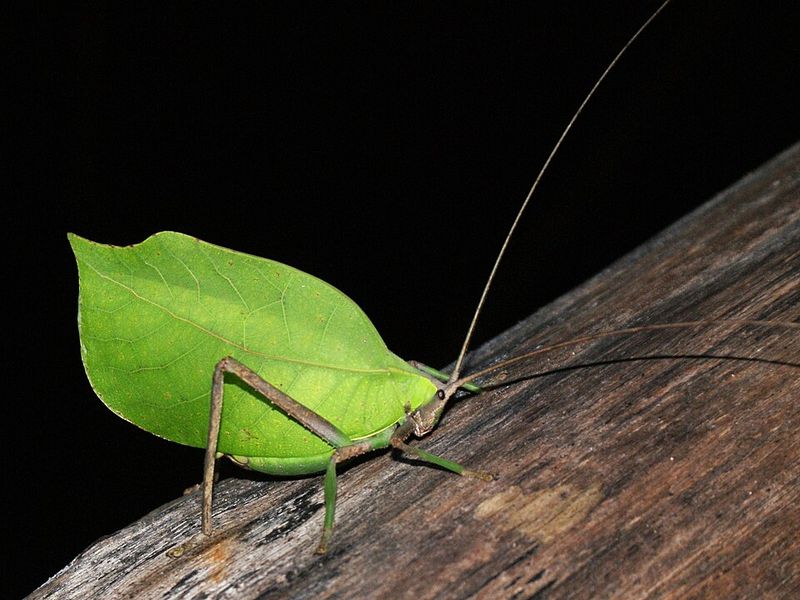
Image Credit: Roadnottaken (talk).
The katydid rules Pennsylvania nights with a voice that seems much bigger than its body. By late summer, their rhythmic calls spill from trees, thickets, and weedy field edges until the darkness feels stitched together by sound.
You may not see them often, but once the chorus starts, you definitely know they are there.
Katydids are masters of camouflage, using green, leaf-like wings to disappear among vegetation, especially in deciduous trees and dense summer growth. Males produce their familiar calls by rubbing specialized parts of the forewings together, and each species has its own pattern and timing.
Those songs are all about attracting mates, but to you they become part of the seasonal soundtrack, almost as expected as crickets and cicadas.
They are especially common in parks, rural areas, grassy fields, and wooded margins where habitat remains suitable. Their hidden presence gives warm Pennsylvania nights a layered, living texture that would feel oddly empty without them.
Katydids may stay invisible, but acoustically, they run the place.