
Minnesota is full of wild partnerships that feel surprisingly familiar. Across marshes, forests, frozen lakes, and even farm country, some animals stick with their mates or families for years at a time.
Their loyalty is not sentimental fluff – it helps them survive brutal weather, raise young, and defend precious territory. If you love wildlife with real staying power, these devoted species are worth knowing.
Trumpeter Swan
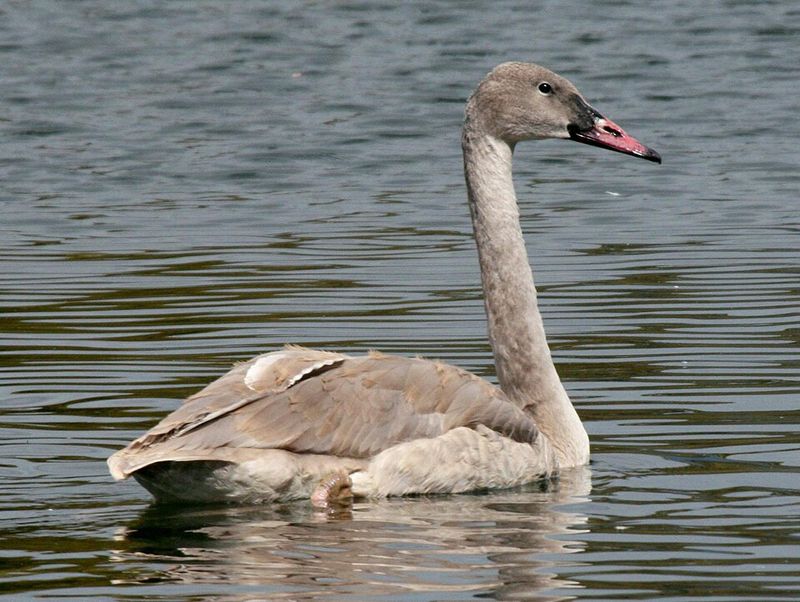
Image Credit: Dick Daniels.
When you spot a pair of trumpeter swans gliding across a Minnesota marsh, you are looking at one of the state’s most devoted wildlife partnerships. These huge white birds often keep the same mate for many years, and sometimes for life, returning in late March or early April to begin nesting.
Their bond is practical as much as beautiful, because raising cygnets takes serious teamwork.
Together they build oversized nests that can stretch 6 to 12 feet across, usually from marsh plants piled onto shallow water platforms or old muskrat and beaver structures. The female incubates about 4 to 6 eggs for 33 to 37 days, while the male stands guard and aggressively protects a wetland territory that may cover up to 100 acres.
You can almost feel how coordinated they are.
After hatching, the young stay with both parents through their first winter. That long family season helps cygnets learn feeding areas, safe routes, and migration patterns.
In a state shaped by water, few love stories look this steady.
Bald Eagle
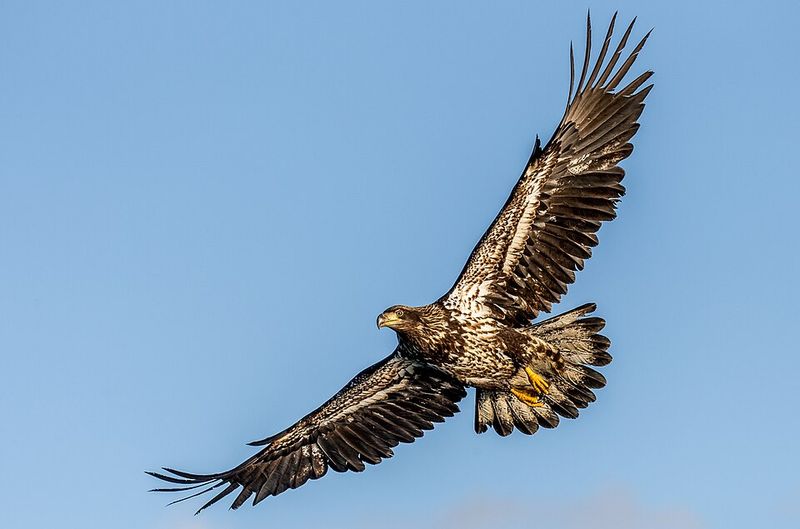
Image Credit: Andy Morffew.
Bald eagles in Minnesota are not just symbols of power – they are also impressive long-term partners. Many mated pairs reunite each breeding season, often returning to the same nesting territory and sometimes the very same giant stick nest.
In a state with one of the largest breeding populations in the Lower 48, that loyalty plays out on a grand scale.
Their nests can weigh more than a ton and measure around 6 feet across and over 6 feet tall, usually wedged near the top of the biggest trees by lakes or rivers. Nesting often starts in March, and both adults share incubation duties after the female lays one to three eggs.
You are seeing a partnership built on repetition, trust, and impressive construction skills.
Once the eaglets hatch about 35 days later, both parents continue the work by bringing food and defending the site. Young birds leave the nest at roughly 10 to 12 weeks.
Some pairs even maintain multiple nests, switching between them from year to year.
Canada Goose
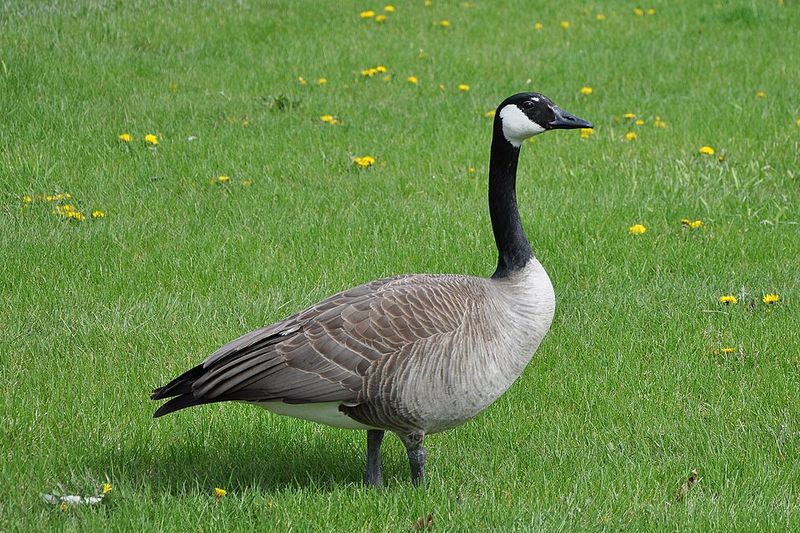
Image Credit: Joe Ravi.
Canada geese may be common in Minnesota, but their loyalty still deserves a second look. These familiar birds typically form pair bonds that can last for life, and some partnerships may continue for up to 25 years.
If you have ever noticed two geese moving in perfect sync across a pond, you were probably watching a long-running team.
They stay close through the year, not just during nesting season, which makes their bond especially easy to recognize in parks, wetlands, and neighborhood lakes. During spring, that devotion turns fierce as pairs choose nesting areas and defend goslings with loud calls, lowered heads, and the confidence of birds that know exactly who has their back.
You do not have to be deep in the wilderness to witness it.
What makes geese interesting is how ordinary and committed they seem at the same time. Their partnership is not flashy, but it works.
In a state filled with water and changing seasons, sticking together gives them a real advantage when raising young and guarding space.
Gray Wolf
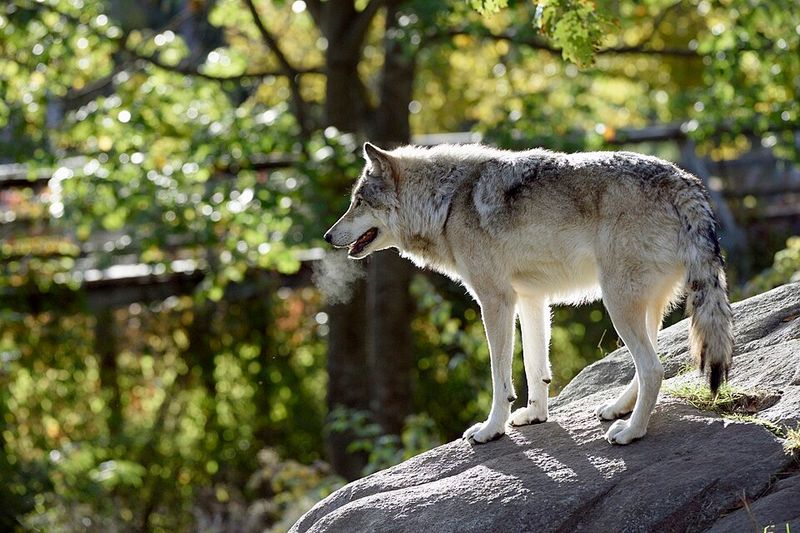
Image Credit: Bert de Tilly.
Gray wolves are one of Minnesota’s clearest examples of loyalty built around family. Packs are usually anchored by a breeding pair that often remains together for many years, and sometimes for life, creating a stable center for the rest of the group.
That bond matters because wolves do almost everything cooperatively, from hunting to defending territory to caring for pups.
Breeding in Minnesota usually happens from February to March, with pups later born in a den and watched over by more than just their parents. Older pack members may help feed, guard, and socialize the young, turning loyalty into a full family system instead of a simple pair relationship.
If you imagine wolves as solitary loners, Minnesota’s packs tell a different story.
The pair at the center helps keep order through experience and consistency. Their long connection strengthens communication during hunts and territorial encounters, where confusion can be costly.
In the deep forests of the north, staying together is not just romantic – it is one of the smartest survival strategies around.
Beaver
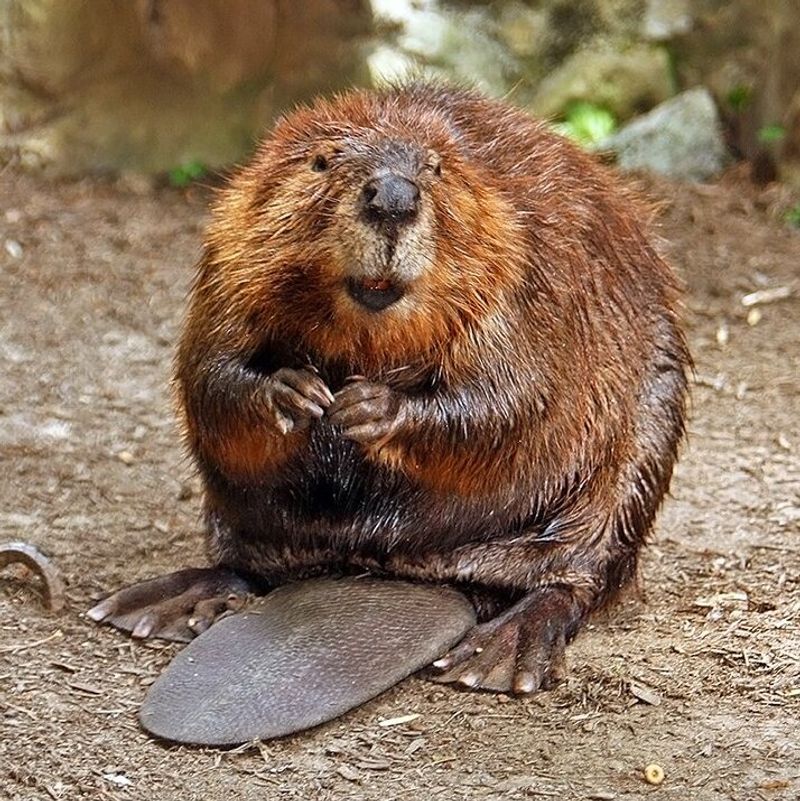
Image Credit: Steve.
Beavers might be Minnesota’s most hardworking loyal couple, and honestly, they make commitment look productive. These animals are known for long-lasting, socially monogamous partnerships, often mating for life while managing a busy family colony that includes kits and older offspring.
Their bond shows up in action, not display, which somehow makes it even more impressive.
A mated pair works side by side to build and repair dams and lodges, shaping entire wetlands branch by branch. They also maintain social ties through mutual grooming, a quiet habit that says a lot about how bonded they are.
In Minnesota, they usually begin mating at about two years old, with the season running from November to March.
What really stands out is the family structure around them. A colony often includes the parents, the current year’s kits, and young from the previous year, all sharing the same watery home base.
You could call it an engineering project, a nursery, and a multigenerational neighborhood all at once, held together by a steady pair.
Sandhill Crane
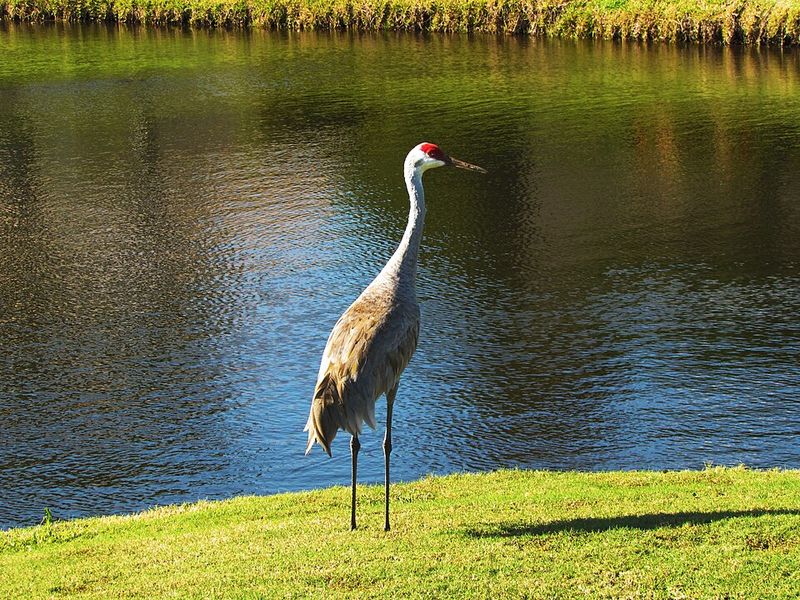
Image Credit: Kyletracysrs.
Sandhill cranes bring a little theater to Minnesota loyalty, and their spring courtship is hard to forget. These tall birds often stay with the same mate for life, returning to wetlands and open landscapes year after year once they are old enough to breed.
Their connection is renewed through ritual, not routine, which makes them feel almost ceremonial.
Bonded pairs reinforce their relationship with dances that include bowing, wing spreading, bouncing, beak touching, and even tossing twigs into the air. It looks joyful, but it also helps confirm the pair bond before nesting begins.
On the ground or in shallow water, they build nests from grasses and other vegetation, and the female usually lays two eggs.
Both adults care for and defend the young, which is part of what makes their partnership so effective. You can admire the elegance, but there is also grit behind it.
In Minnesota’s broad marshes, loyalty is not just a private matter for cranes – it is something they perform, strengthen, and then live out together.
Common Loon
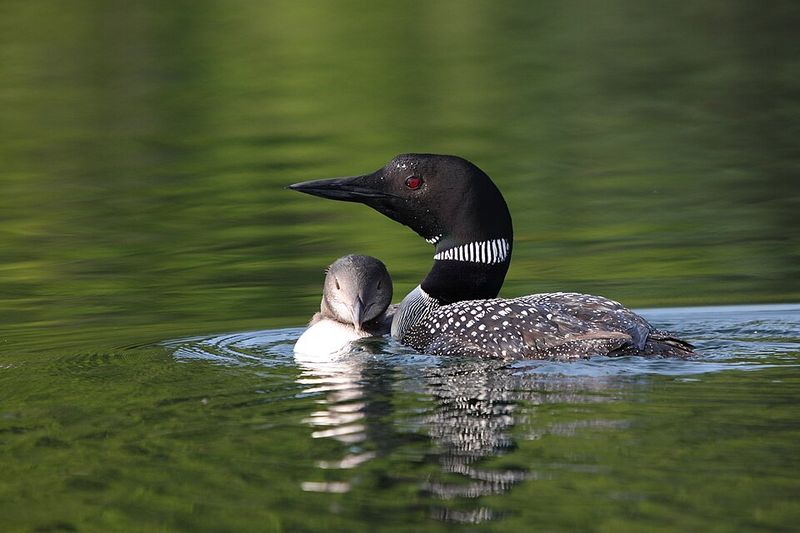
Image Credit: Cephas,.
The common loon gives Minnesota one of its most haunting sounds, but its family life is just as memorable. Loon pairs do not always stay together for life, yet many reunite across multiple breeding seasons and return to the same territories year after year.
In other words, their loyalty is often tied as much to place as to partnership.
Minnesota holds the largest population of common loons in the continental United States, with more than 10,000 adults, so these returning pairs are a major part of the state’s summer identity. Together they build a nest near the water’s edge, usually a mound of dead marsh grasses, and both parents share incubation of one or two eggs for about 28 to 30 days.
Their teamwork is constant and visible.
After hatching, chicks can swim almost immediately, though they are often carried safely on a parent’s back. That image alone explains why people feel attached to loons.
Their bonds may shift over time, but their dedication to raising young and defending territory is unmistakably strong.
Barn Owl
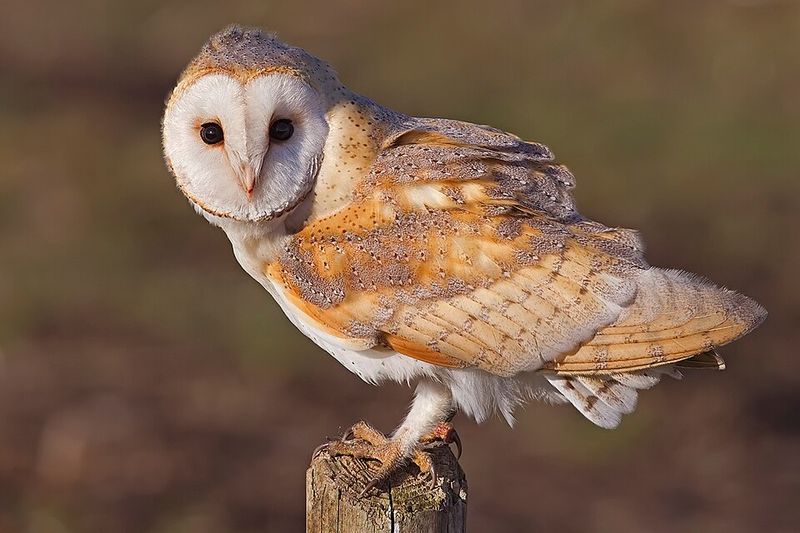
Image Credit: Steven Ward.
Barn owls are the wildcard on this list, because in Minnesota they are extremely rare. Fewer than 10 nestings have been recorded in the state, and most sightings come from the southern edge of Minnesota, though an occasional bird turns up farther north.
Still, where suitable habitat exists, these ghostly owls can form long-term pair bonds that are quietly impressive.
Their division of labor is especially strong during nesting season. The female usually incubates 5 to 10 eggs for about 29 to 34 days, while the male provides much of the food, delivering prey with remarkable consistency.
They often nest in buildings, cavities, or caves, turning overlooked spaces into family headquarters.
What makes barn owls feel unconventional here is that they live at the edge of their range, so every nesting attempt matters more. Some pairs can even raise two families in a single breeding season if conditions allow.
In Minnesota, loyalty from a barn owl pair feels rare, fragile, and unexpectedly resilient all at once.
Red Fox
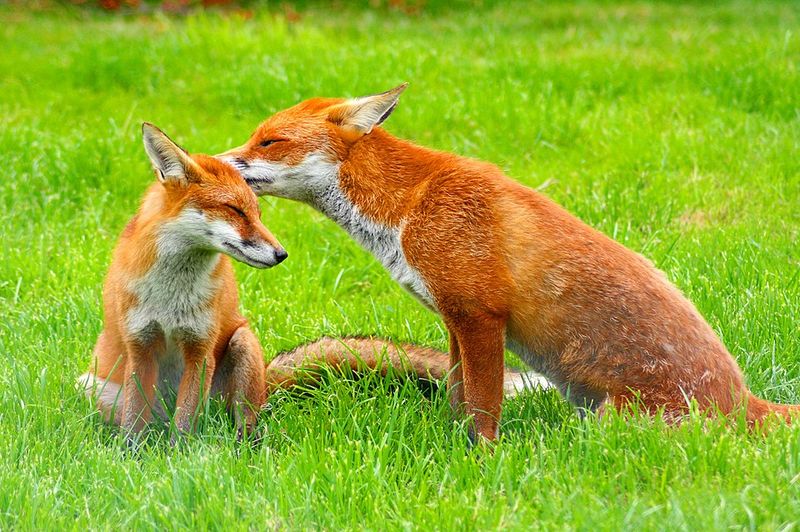
Image Credit: Keven Law.
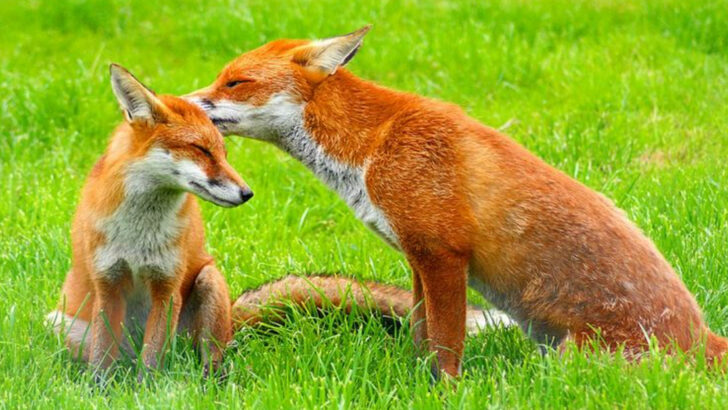
Red foxes bring a more subtle kind of loyalty to Minnesota, and it often starts in the middle of winter. They are generally monogamous and often stay with the same mate for life, though local conditions can affect how strict that pattern remains.
Even with that flexibility, many pairs work together closely when it matters most, which is during the long process of raising kits.
Mating usually happens in February in Minnesota, and pups are born about 52 days later. The male often brings food to the female while she stays in or near the den, and both parents help care for the litter through summer.
Some families even get help from a sister or daughter from a previous litter, which gives their household a surprisingly cooperative feel.
Red foxes live in a wide range of habitats across the state, from open country to woodland edges. You may never witness their family life directly, but it is there behind the scenes.
Their loyalty is not loud or dramatic – it is practical, patient, and deeply tied to parenting.
American Crow
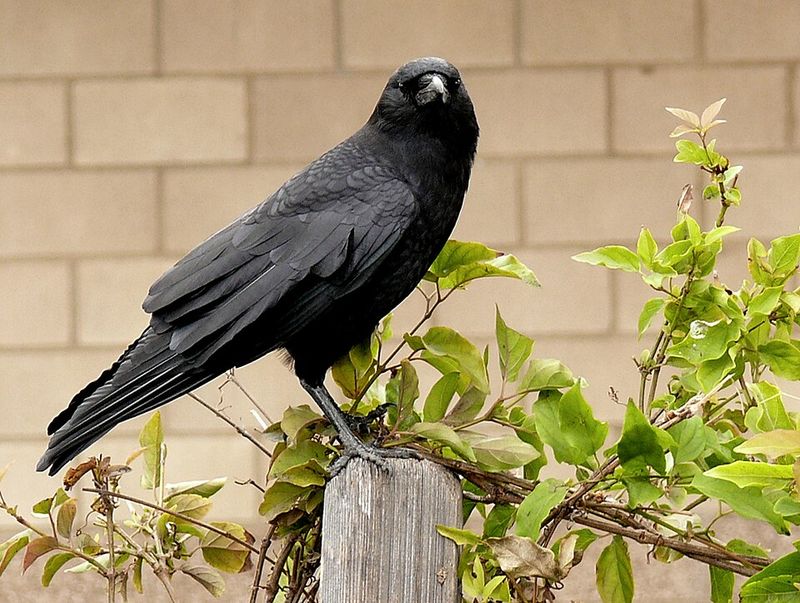
Image Credit: Linda Tanner.
American crows are smarter, more social, and more loyal than many people realize. Pairs frequently maintain long-term bonds and may stay together for life, even when surrounded by the chaos of large winter flocks.
Their relationships do not end with mating either, because crow families often grow into cooperative groups that keep helping one another.
Older offspring sometimes delay leaving home so they can help raise younger siblings, creating a family structure that feels almost startlingly organized. Both parents share incubation and chick care, and mated pairs actively defend their territory from rivals and threats.
If you have ever heard a crow commotion in spring, you may have been listening to a family operation in progress.
What I find most fascinating is how their loyalty scales up from two birds to an entire support system. A bonded pair anchors the group, but the family can extend across generations for a while.
In Minnesota neighborhoods, farm fields, and woodlots, crows prove that sticking together can be both strategic and deeply social.
Black-Capped Chickadee
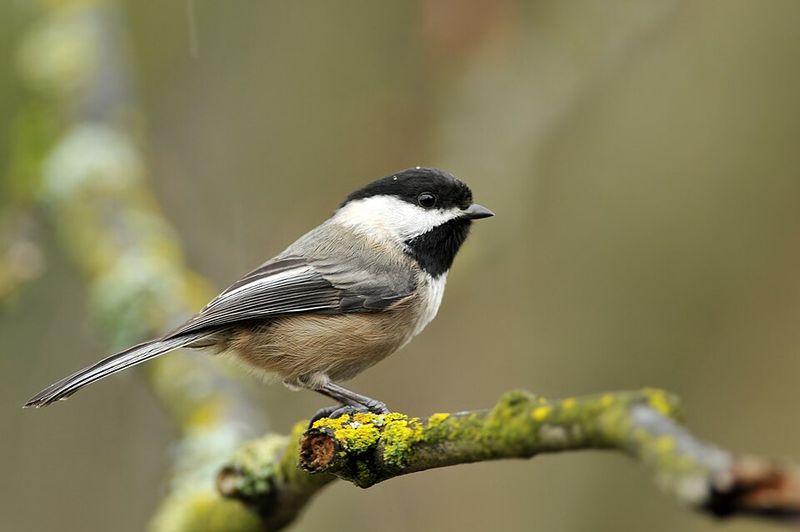
Image Credit: Minette Layne.
The black-capped chickadee may be tiny, but its social life is built on dependable bonds. These year-round Minnesota residents usually form monogamous breeding pairs that can stay together for several years, which is especially impressive when you consider how much energy survival takes in northern winters.
Loyalty here is compact, efficient, and absolutely essential.
During breeding season, pairs become solitary and territorial. Both birds excavate a cavity in a tree, though the female builds the nest and incubates the eggs while the male regularly brings her food.
That division of labor keeps the nesting cycle moving smoothly, and it is one reason these little birds thrive across the state.
Winter reveals another layer of commitment. Chickadees often join stable mixed-species flocks with nuthatches and woodpeckers, gaining extra eyes for predators and more chances to find food.
They also cache seeds and can lower their body temperature overnight to conserve energy. For such a cheerful bird, survival is serious business, and reliable companions make it possible.
Mute Swan
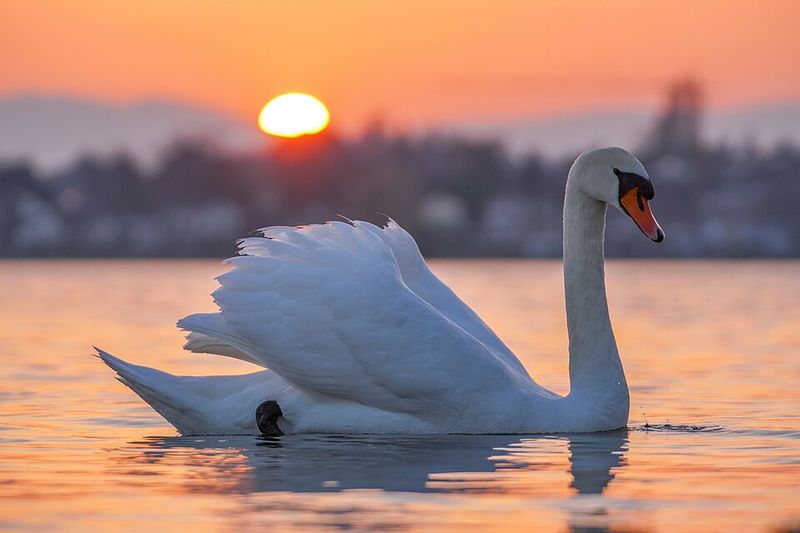
Image Credit: Giles Laurent.
Mute swans are not native to Minnesota, but their reputation for devotion is very real. Many remain with the same mate for life, and if one partner dies, the survivor may eventually remate rather than stay alone.
Divorce is uncommon among successful breeding pairs, which helps explain why they are often held up as symbols of romantic loyalty.
That said, their story in Minnesota comes with complications. Mute swans are a regulated invasive species introduced from Europe and Asia, and pairs can be extremely territorial during breeding season, sometimes displacing native birds such as loons and trumpeter swans.
The male begins a platform nest of vegetation, the female finishes the cup, and both parents raise the young together.
You can admire their dedication while also understanding the ecological problem they pose. They aggressively defend nesting areas and can uproot large amounts of aquatic vegetation, reducing habitat quality for native species.
So yes, they are loyal, but they are also a reminder that not every devoted partnership is good news for Minnesota’s wetlands.