
Most people picture Michigan swimming talent in terms of fish, loons, and maybe the occasional labrador launching off a dock. But the state’s woods, wetlands, and shorelines are full of furry and feathered animals that can handle the water far better than you’d guess at first glance.
Some paddle quietly across backcountry ponds, while others cross rivers, bays, and island channels with shocking confidence. If you think swimming and wildlife only overlap in obvious ways, these 13 animals are about to humble you.
Moose
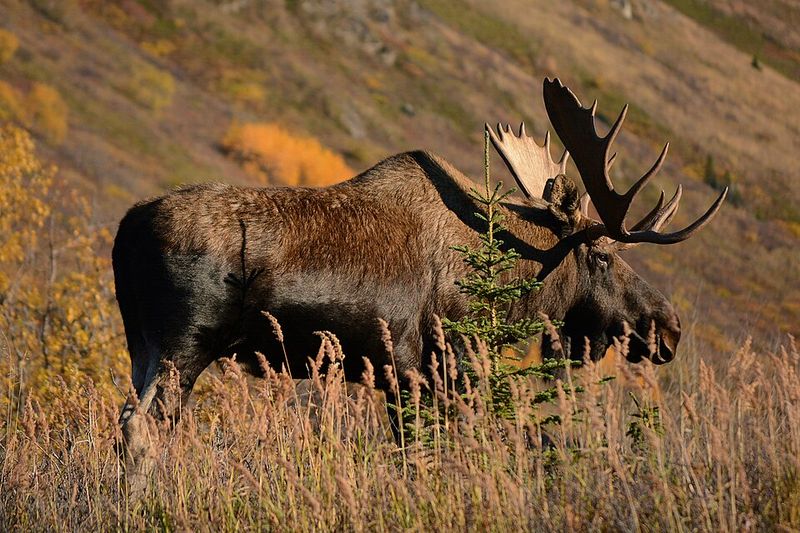
Image Credit: Paxson Woelber.
If you ever needed a reminder that moose are built like floating cabins with legs, watch one enter a Michigan lake. Upper Peninsula moose can swim for miles, using those long legs like slow, powerful paddles that barely seem to strain.
What looks awkward on land becomes strangely graceful once the water takes some weight off that giant frame.
They are not just crossing for convenience, either. Moose often head into the water to feed on aquatic plants, and they can dive more than 18 feet below the surface to grab a meal.
Their hollow hair helps with buoyancy and insulation, which is a wonderful trick if your summer plan involves cold lakes and annoying biting insects.
I love that the same animal that seems almost too large for dry ground can disappear into deep water without hesitation. Moose swim to cool off, escape pests, travel, and forage, and they do it with calm authority.
If Michigan handed out wilderness swim trophies, this giant would deserve serious hardware.
White-Tailed Deer
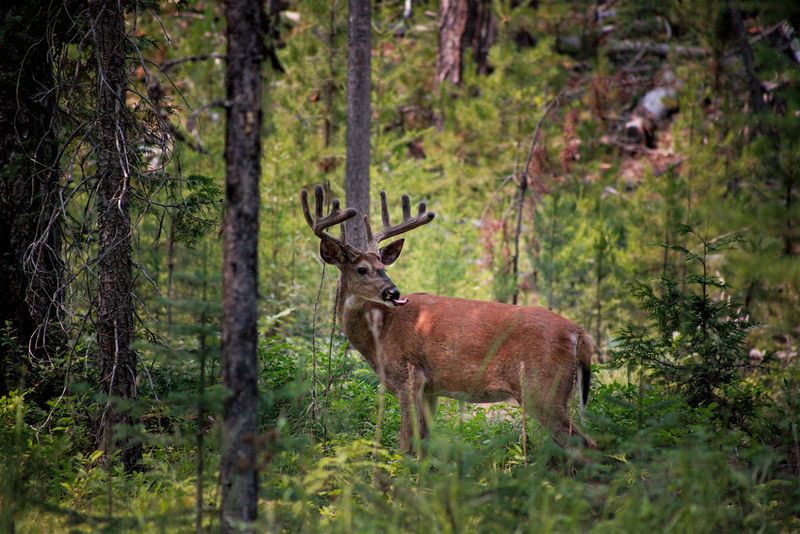
Image Credit: GlacierNPS
White-tailed deer look like they should tiptoe around puddles, not cut through open water like practiced athletes. Yet in Michigan, they regularly cross rivers, creeks, and even stretches of Great Lakes shoreline when food, safety, or opportunity calls.
Once they commit, their movement is steady, efficient, and much more confident than most people expect.
Part of their edge comes from that famous coat. Deer have hollow guard hairs in the top layer, which add buoyancy, while the undercoat helps insulate them when the water turns cold.
They have been observed swimming significant distances, and reports of deer far offshore prove they are not just splashing across the nearest ditch.
It is easy to underestimate an animal you usually see standing motionless in a field at sunset. But deer are practical, adaptable travelers, and water rarely stops them for long.
If a route across a Michigan channel saves energy or avoids danger, they will paddle through with a determination that feels almost routine.
Black Bear
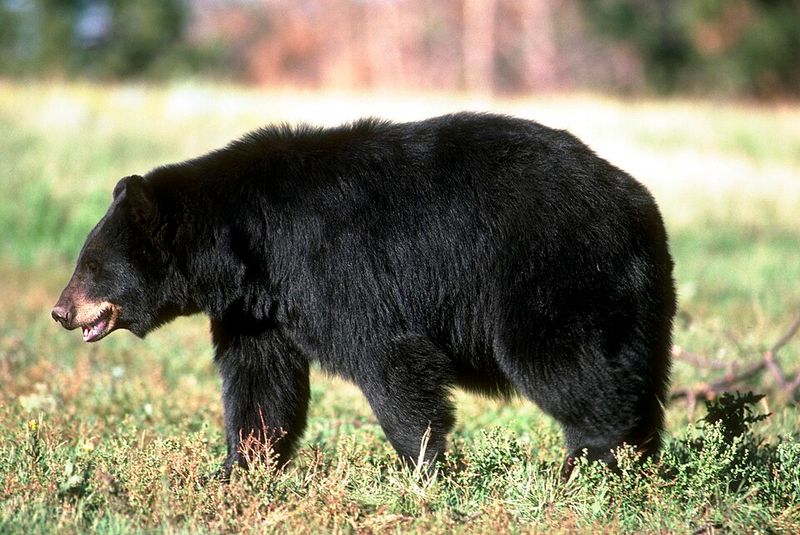
Image Credit: California Department of Fish and Wildlife from Sacramento, CA, USA.
A black bear in the water looks a little like a moving boulder with ears, but do not let that fool you. Michigan black bears are strong, capable swimmers that cross lakes and rivers without much drama when they need to.
They paddle with surprising smoothness, keeping a steady line as if the water is just another stretch of trail.
Bears may swim to reach food, move through their range, or simply cool off during hot weather. Recent sightings in places connected to Lake Michigan remind you that they are comfortable entering bigger water than many people would expect.
State rules even specifically protect bears while swimming, which tells you this behavior is established enough to need legal attention.
I think part of the surprise comes from how heavy they appear on land. In the water, that bulk stops looking clumsy and starts looking powerful.
A swimming black bear is not panicked or out of place – it is just another Michigan animal using every part of the landscape, from berry patch to bay.
Porcupine
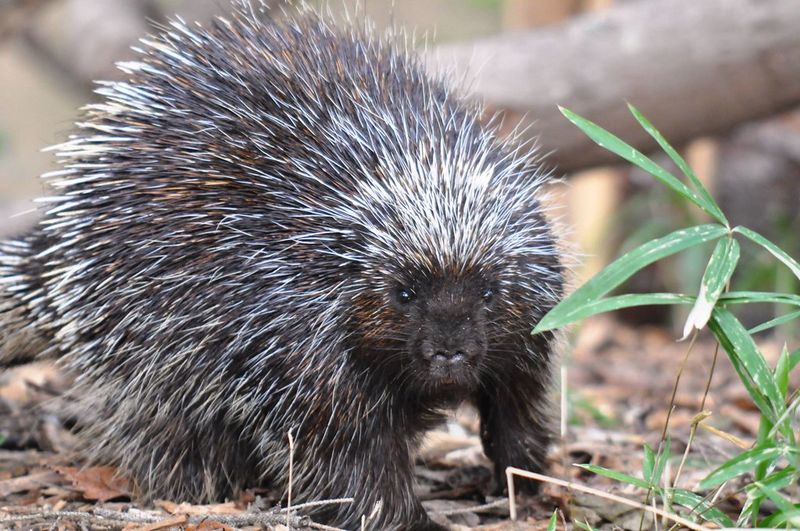
Image Credit: Smithsonian’s National Zoo.
Porcupines seem like the last animals you would nominate for a backyard wildlife swim meet. They look defensive, deliberate, and better suited to clinging to bark than crossing a pond.
Yet Michigan porcupines are surprisingly buoyant swimmers, and their hollow quills help trap air, giving them a built in flotation boost that feels almost unfair.
They are not reckless about it. Porcupines usually prefer calmer water and may choose shallow or slow moving spots when crossing streams and small rivers.
Still, when they need to move between feeding areas or gather certain aquatic plants, they can paddle along with more ease than their prickly silhouette suggests.
There is something deeply funny and impressive about a creature that looks like a dropped hairbrush turning into a capable little boat. In water, the quills that seem like a liability become part of the advantage.
If you saw one gliding across a Michigan pond at dusk, you would probably stare for a second, then immediately tell everyone.
Raccoon
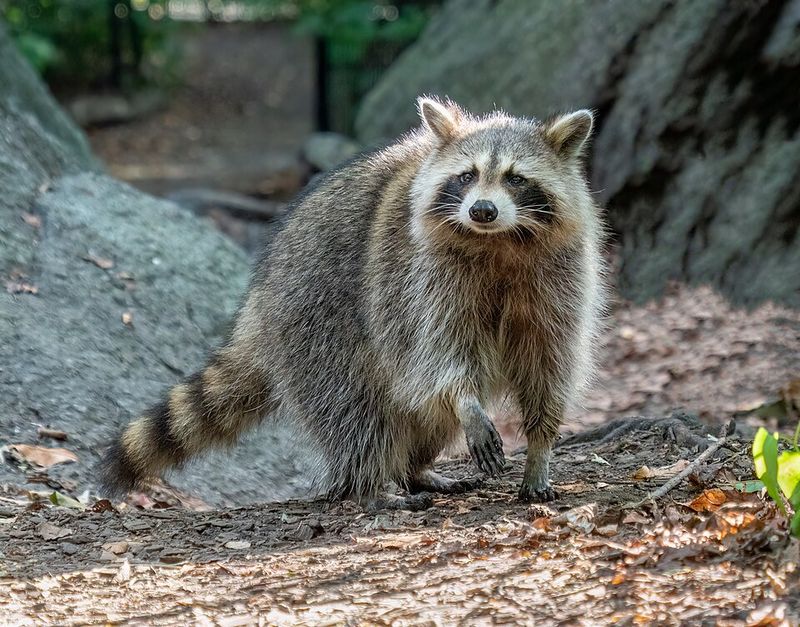
Image Credit: Rhododendrites.
Raccoons already carry the energy of tiny masked opportunists, so it feels fitting that they are also pretty talented swimmers. In Michigan, they move through streams, ponds, marsh edges, and lakeshores with real comfort, using water as both a travel route and a buffet line.
A raccoon in the shallows is not sightseeing – it is usually working.
These animals can stay afloat for hours and often hunt along the water for crayfish, mussels, frogs, and other small prey. They may even dive briefly underwater, feeling around with sensitive front paws that act like clever little search tools.
That tactile skill gives them an edge in muddy or dim conditions where vision is less useful.
I think raccoons are at their most raccoon-like when they are near water, half sneaky and half shamelessly curious. They do not just tolerate it, they use it well.
If you imagined them as trash can specialists only, Michigan’s wetlands would like a word, preferably delivered by a damp raccoon paddling past your assumption.
Fisher
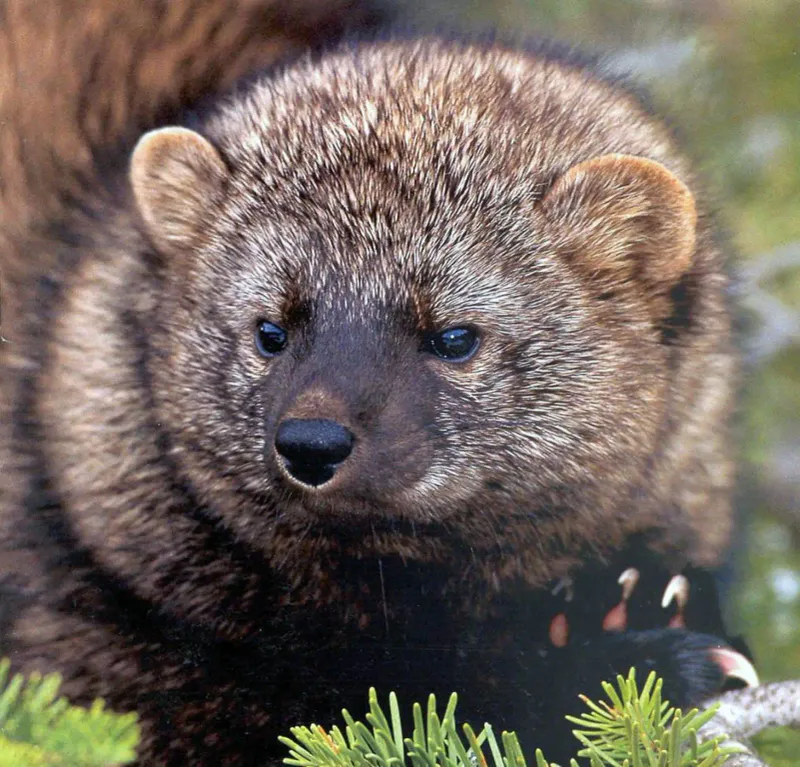
Image Credit: Pacific Southwest Region from Sacramento, US
The fisher has one of those names that makes people assume it spends all day around water, which is not really the point. This forest dwelling member of the weasel family is better known for prowling through dense woods, but it can swim very well when necessary.
In Michigan, that means rivers and streams do not form the kind of hard boundaries you might expect.
Fishers maintain large territories, and crossing water can be part of moving efficiently through them. Their bodies are low, flexible, and athletic, which translates well when they need to paddle across a channel instead of searching for a logjam or bridge.
They are not flashy swimmers, just practical ones, which somehow makes the skill more impressive.
I like including fishers on lists like this because they break the mental picture most people have. You imagine claws, trees, and forest shadows, not a determined crossing through dark water.
But Michigan wildlife rarely sticks to one habitat stereotype, and the fisher is a great reminder that quiet competence often hides in plain sight.
Coyote
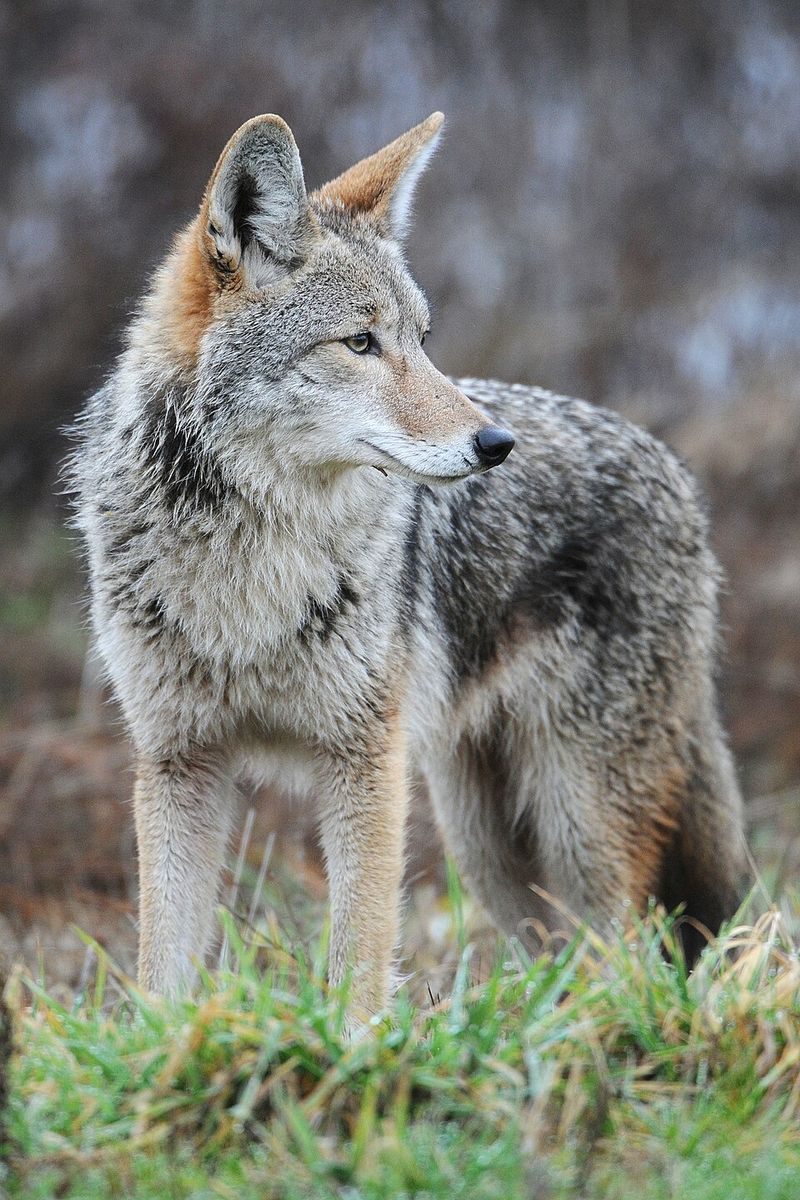
Image Credit: Rebecca Richardson (Red~Star).
Coyotes already have a reputation for adapting to just about everything, so it should not be shocking that water does not stop them either. In Michigan, they will cross rivers and streams, and they may even swim narrower stretches of open water rather than take a long detour on land.
For an animal built around efficiency, that makes perfect sense.
Swimming helps coyotes follow prey, expand into new territory, or move through landscapes broken up by wetlands and channels. They are not specialized aquatic predators, but they do not need to be.
A steady paddle and a willingness to commit are often enough, especially for a species that survives by making good practical decisions again and again.
What makes this one fun is how ordinary the behavior probably feels to the coyote itself. Meanwhile, you and I are standing there amazed that a lean, land running canid just treated a cold Michigan river like a minor inconvenience.
That is classic coyote energy – adaptable, unsentimental, and always a little more capable than people give it credit for.
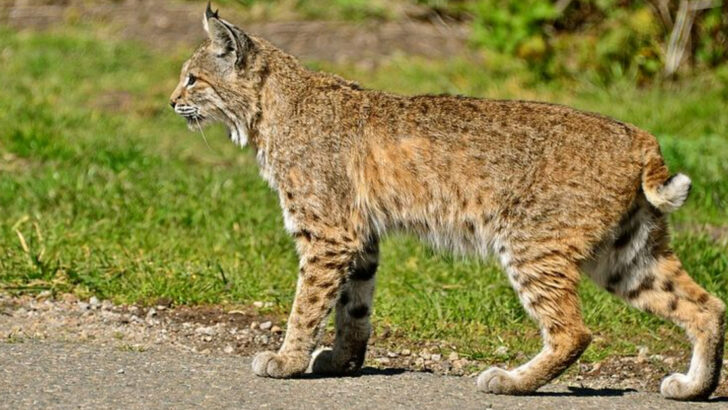
Bobcat
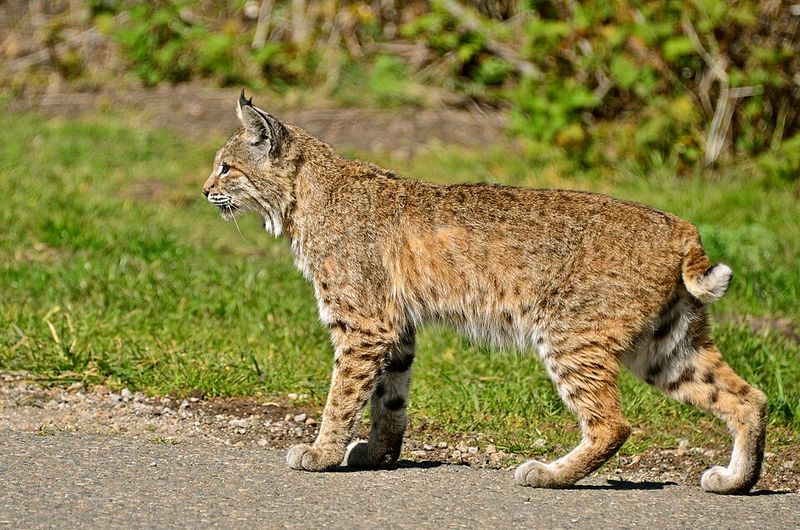
Image Credit: Linda Tanner from Los Osos, California, U.S.A.
Bobcats are not exactly famous for cannonball enthusiasm, and most would probably rather keep their paws dry if given the choice. Still, Michigan bobcats can swim when they need to, crossing rivers and streams with more confidence than their water avoiding reputation suggests.
The key word here is necessary, because bobcats prefer practicality over drama.
They may enter the water while hunting, escaping danger, or navigating territories where channels and wetlands interrupt the easiest path. Once in, they are capable and controlled, using the same athletic balance that serves them on logs, slopes, and brushy cover.
A bobcat does not need to love swimming for swimming to remain one more tool in its survival kit.
I think that is what makes them interesting on this list. They are not joyful splashers or frequent lake cruisers, just highly competent animals unwilling to let water boss them around.
If a Michigan bobcat decides the far bank matters more than staying dry, it will paddle across with a look that says you are the weird one for being surprised.
Wild Turkey
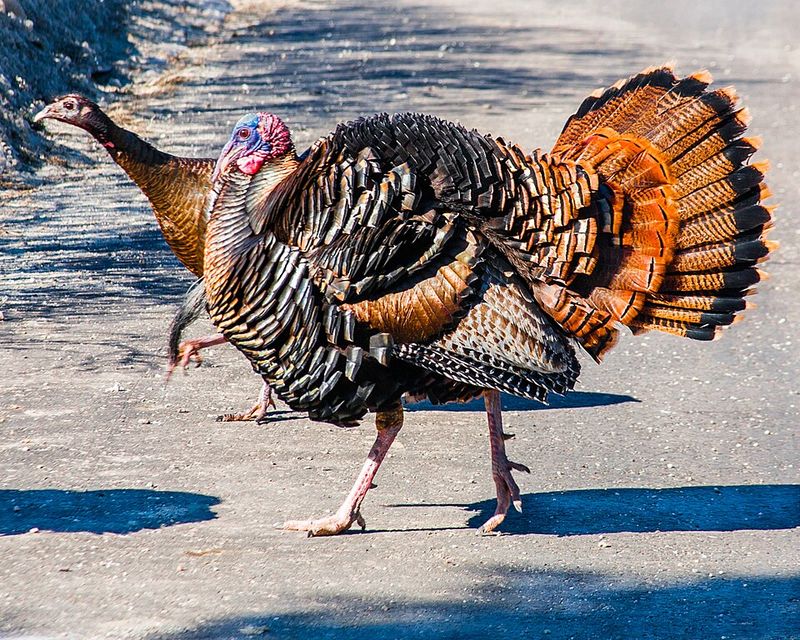
Image Credit: Paul VanDerWerf.
Wild turkeys already seem slightly chaotic on land, so the idea of one swimming can feel like made up folklore. But Michigan turkeys are capable of paddling across ponds and rivers when they need to, using a technique that is surprisingly sensible.
They tuck their wings close, spread the tail a bit, and kick with the legs to move forward.
This usually happens when flying across is not practical, when danger is nearby, or when a cool crossing simply makes more sense than staying put. They are not elegant in the swan category, but they are functional, and functional counts.
A turkey in the water is a reminder that many birds carry emergency backup skills you never think about until the moment they use them.
I love this one because it instantly rewrites the image most people have of a turkey. You expect gobbling, strutting, and awkward short flights, not a determined little paddle mission across a Michigan pond.
Yet there it is, proving once again that wildlife does not care whether your expectations are properly calibrated.
Star-Nosed Mole
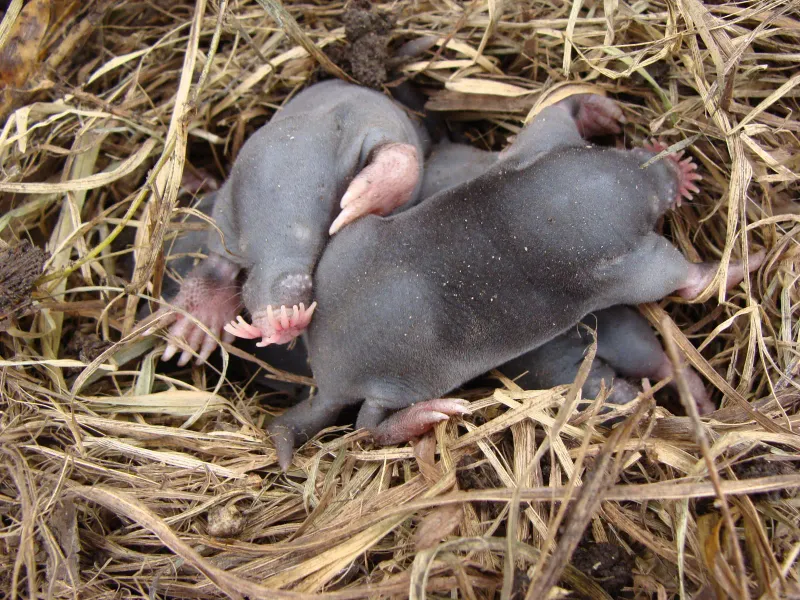
Image Credit: Star-Nosed Mole
If Michigan handed out awards for weird excellence, the star-nosed mole would need its own category. This tiny wetland mammal is not just able to swim – it is a remarkable underwater hunter with one of the strangest sensory tricks in the animal world.
Watching one work would feel less like observing a mole and more like discovering a miniature alien patrol unit.
Its famous nose helps it detect prey with astonishing speed, and it can even smell underwater by exhaling tiny bubbles onto objects and then re inhaling them. That rare ability, combined with enlarged lungs and a tail that acts like a rudder, makes it unusually effective below the surface.
In marshes and saturated soils, that semi aquatic lifestyle is not a side skill, it is central to survival.
I include this animal because it completely destroys the lazy idea that moles are only dirt specialists. The star-nosed mole is fast, aquatic, bizarre, and highly adapted to wet Michigan habitats.
If any creature on this list deserves the phrase unexpectedly elite, it is this bubble sniffing little hunter.
Gray Wolf
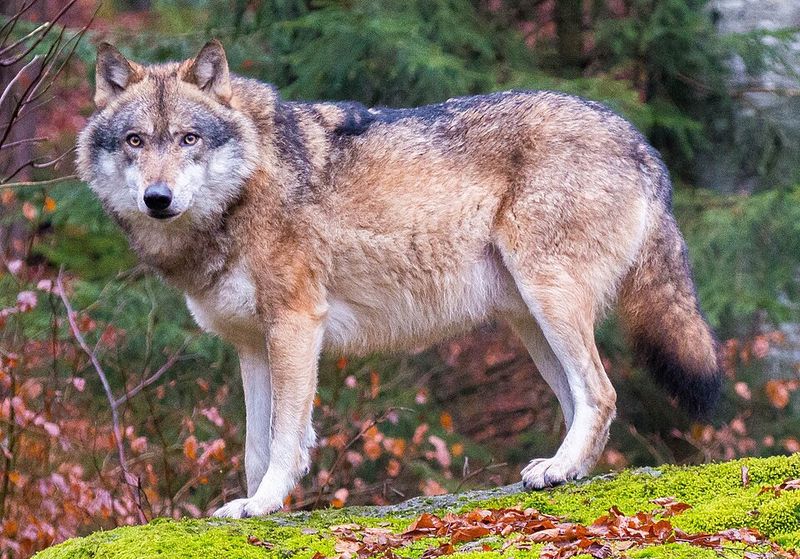
Image Credit: [2].
A gray wolf already feels built for endurance, so maybe it should not surprise us that Michigan wolves can handle serious water too. In the Great Lakes region, including places like Isle Royale, wolves are capable swimmers that cross significant stretches while tracking prey or moving between territories.
That combination of stamina, purpose, and toughness is basically the entire wolf brand.
Swimming matters most in landscapes where islands, coves, and channels shape movement as much as forests do. A wolf does not need a dramatic leap or flashy technique, just strong forward momentum and the drive to reach what is on the other side.
When food, territory, or pack dynamics are involved, water becomes one more obstacle to solve rather than a reason to stop.
I think people often imagine wolves as creatures of snow and pines only, all paws and winter breath. But Michigan’s waters are part of their world too, and they use them with real competence.
A wolf cutting through cold lake water feels both unexpected and completely right once you picture it clearly.
Eastern Gray Squirrel
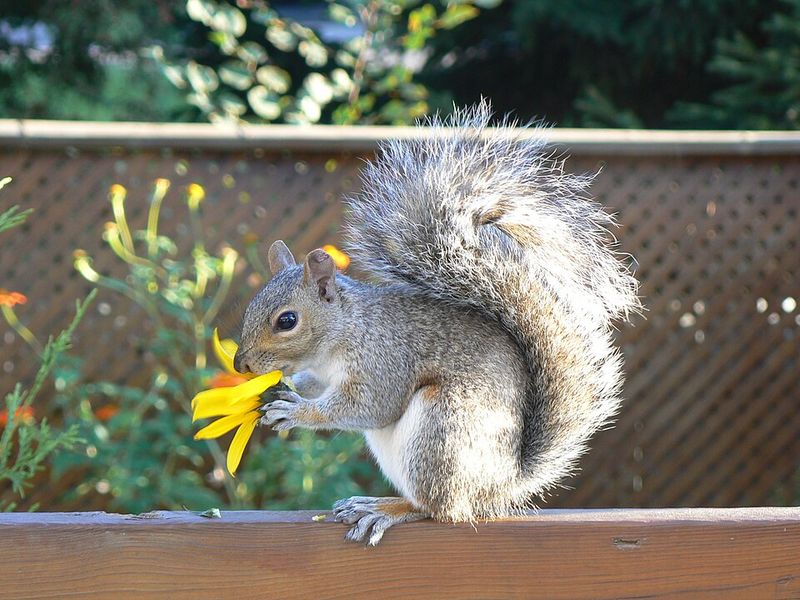
Image Credit: Kevstan.
Gray squirrels spend so much time in trees that it feels almost disrespectful to imagine them dog paddling through a pond. But in Michigan, eastern gray squirrels are competent swimmers when they have to be, especially if a stream, pond, or flooded gap interrupts the route.
Their bushy tails help with balance and steering, giving the whole effort more control than you might expect.
This is not their preferred mode of travel, of course. A squirrel would much rather stay in the canopy or race along the ground, but wildlife is full of inconvenient situations and quick decisions.
Escaping predators or reaching another patch of habitat can turn a reluctant squirrel into a determined little paddler in a matter of seconds.
I enjoy this example because it feels so improbable until you remember how adaptable squirrels really are. They leap, climb, stash, calculate, and improvise constantly, so swimming is just another emergency option in the toolkit.
If a Michigan squirrel ends up in the water, it will not perform beautifully, but it can absolutely get the job done.
Groundhog
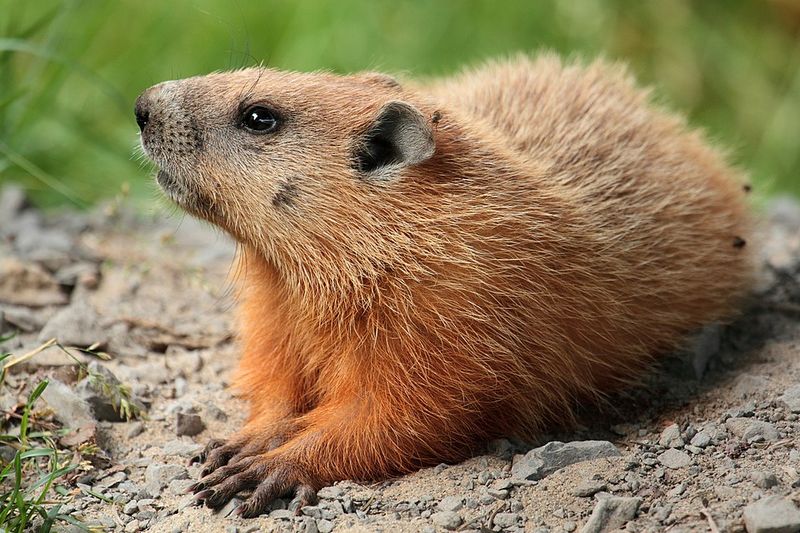
Image Credit: Cephas.
Groundhogs are usually introduced as chunky burrow engineers with a talent for eating your garden down to emotional stubble. Swimming is not the first skill anyone assigns them, which is exactly why they belong here.
In Michigan, groundhogs are surprisingly capable in the water and will cross ponds or streams when it helps them escape danger or reach better feeding ground.
Their sturdy bodies and steady paddling let them manage crossings more easily than their earthbound reputation suggests. They are not elegant, and they are certainly not trying to make it look glamorous, but competence matters more than style.
For an animal associated so strongly with holes in dry soil, that willingness to enter water feels delightfully off brand.
I think the surprise comes from how committed groundhogs seem to one lifestyle. You picture meadows, fence lines, and burrow entrances, not a wet woodchuck heading for the far bank with businesslike focus.
Yet that is the charm of Michigan wildlife – even the animals that look most rooted to one habitat often keep a few underrated talents in reserve.