
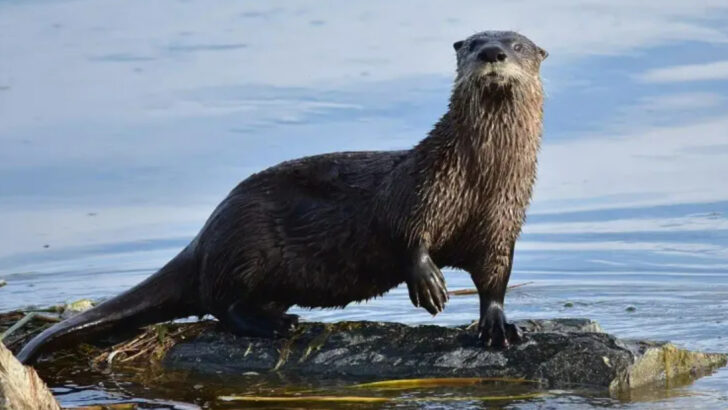
Mississippi waterways always feel like live wildlife theaters, especially if you slow down and really watch the banks, branches, and backwaters. One minute the surface looks still, and the next something slides, dives, glides, or stares back at you.
If you love those little adrenaline spikes that come with spotting wild animals in unexpected places, this list will make every river stop more exciting. Here are ten creatures you are genuinely likely to see near the state’s rivers, bayous, swamps, and lakes.
American Alligator
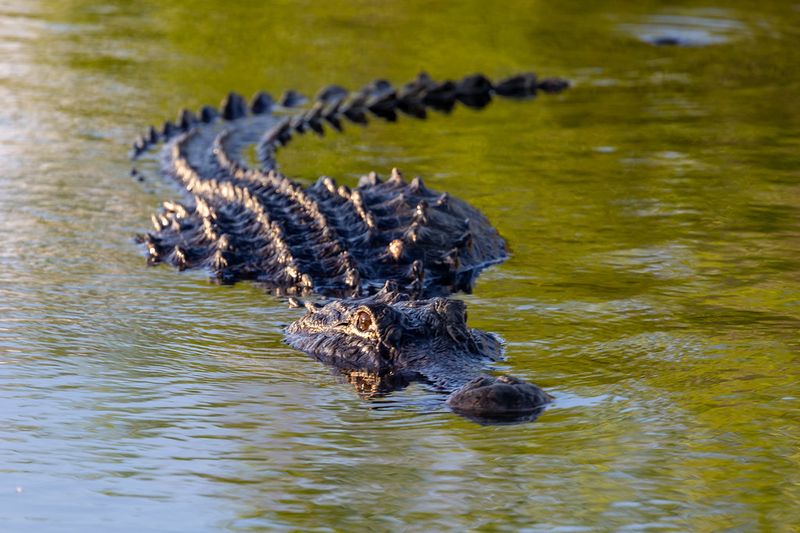
Image Credit: Matthew Paulson
If you spend any real time near Mississippi water, the American alligator is the animal that can turn a quiet shoreline into a serious moment fast. You might spot one stretched across a muddy bank, soaking up heat, or floating so low that only its eyes and nostrils give it away.
That half-submerged look can feel almost unreal until you notice it blink.
Alligators are especially active in warmer months because outside temperatures help regulate everything they do. In places like swamps, marshes, ponds, and major rivers, they use sunny banks and logs to raise their body temperature and conserve energy.
Early morning and late afternoon are often your best windows if you want a safe, memorable sighting.
If you see one, the smartest move is simple – admire it from a distance and do not crowd the shoreline. Mississippi has healthy alligator habitat across much of the state, so your chances are genuinely good.
Around water here, staying alert is part of the adventure.
Great Blue Heron
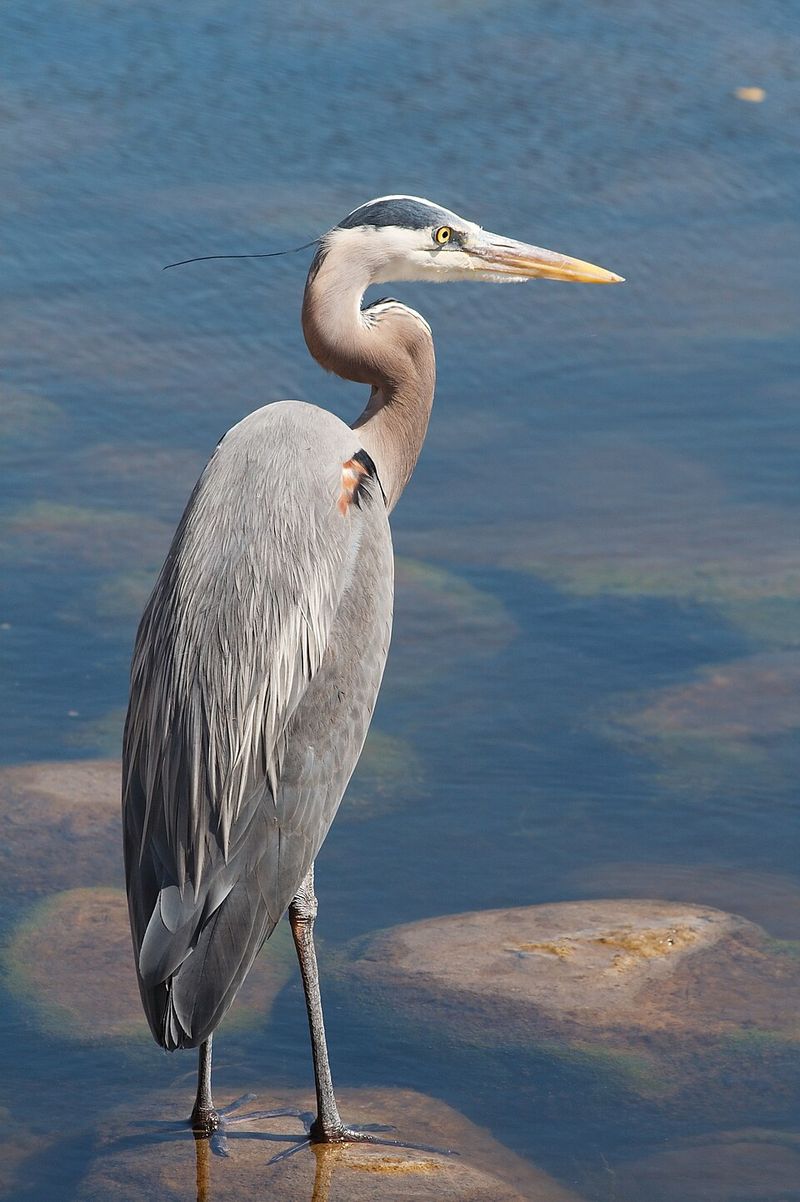
Image Credit: Dori.
The great blue heron is one of those birds that makes a Mississippi shoreline feel instantly older, quieter, and more mysterious. You will often catch one standing perfectly still in the shallows, as if it has turned into driftwood with legs.
Then suddenly it strikes, grabbing a fish or frog with a speed that feels almost unfair.
These herons are common along rivers, marshes, floodplain lakes, and slow backwaters, so they are one of the easiest big birds to spot if you keep scanning the edges. In flight, they look unforgettable, with slow deep wingbeats, a tucked neck, and long legs trailing behind.
Even from far away, that silhouette is hard to mistake once you know it.
I think part of their appeal is how patient they seem, like they understand something the rest of us are rushing past. If you paddle quietly or stop walking for a minute, you may get a much better look than expected.
Near Mississippi waterways, they are reliable stars of the show.
River Otter
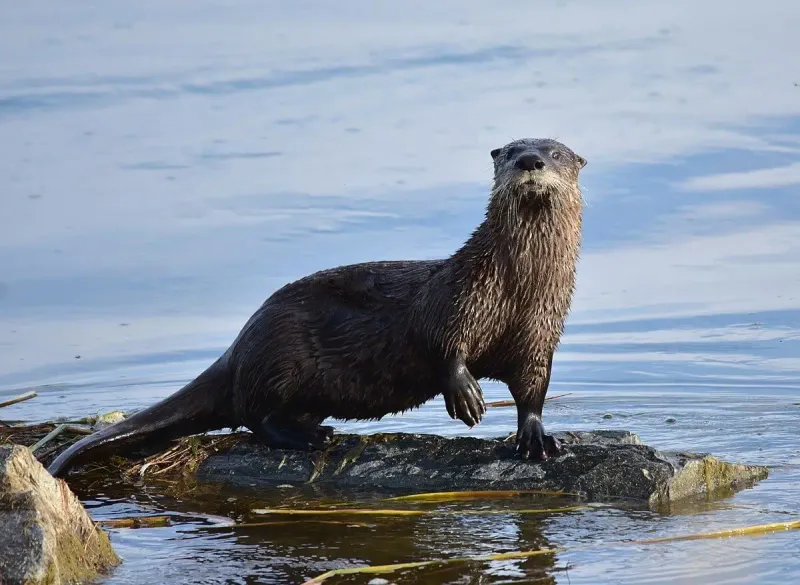
Image Credit: USFWS Mountain-Prairie
If there is a jackpot sighting near a Mississippi waterway, river otters might be it. They have a way of making wild places feel joyful, whether they are popping up with a fish, wrestling at the surface, or sliding down a muddy bank like they invented fun.
You usually do not just see one moment – you get a whole little performance.
Otters are social, smart, and built for these rivers, wetlands, and backwaters, where fish are plentiful and cover is everywhere. Dawn and dusk are especially good times to watch for them, since they are often more active then.
A ripple, a head surfacing, or sudden splashing near the edge can be your first clue.
What makes them unforgettable is that their play is not random nonsense – it helps them bond, learn, and hunt better. That somehow makes the sight even cooler, because you are watching behavior that matters.
If you get lucky enough to spot a family group, it can become the highlight of your whole day outdoors.
Beaver
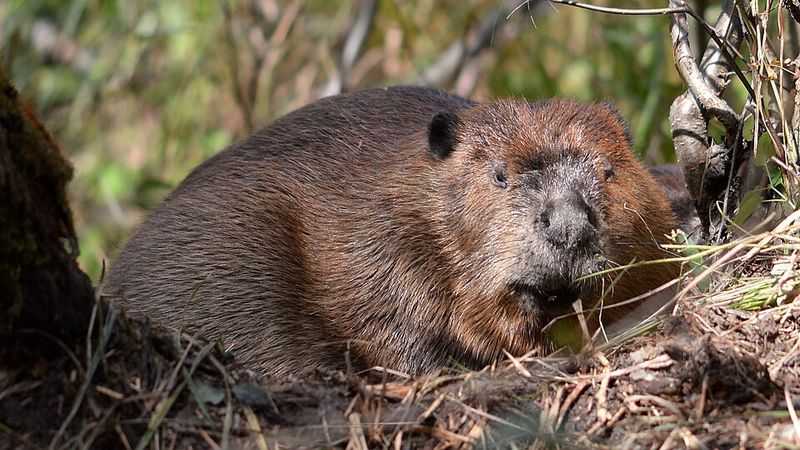
Image Credit: Ryan Hodnett.
Beavers are not always easy to see right away, but they leave behind some of the best evidence on any Mississippi creek or tributary. If you notice sharply gnawed trunks, a small dam of sticks and mud, or a fresh V-shaped wake crossing calm water at dusk, a beaver is probably part of the story.
They are quiet engineers hiding in plain sight.
These animals do best where there is steady water and enough nearby trees and bark to keep them fed and busy. They reshape small waterways by felling trees, building lodges, and flooding areas that create safer access to food.
You may not realize how active they are until you start reading the landscape the way they do.
I love that spotting a beaver often feels like solving a nature puzzle instead of simply finding an animal. The clues come first, and the actual sighting comes later if you are patient.
Along Mississippi waterways, that patient approach can reward you with one of the coolest twilight encounters around.
Wood Duck
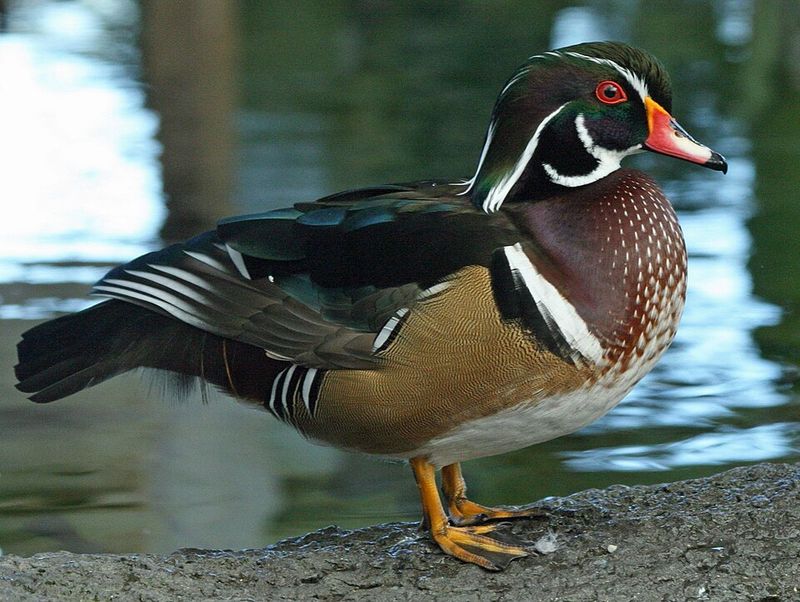
Image Credit: Dick Daniels.
Wood ducks look so polished that they can seem almost made up the first time you notice one. Along Mississippi swamps, sloughs, and wooded creeks, you might see them perched on branches over the water, which already sets them apart from the ducks most people expect.
They bring a surprising splash of color and elegance to shady wet places.
The males are especially striking, with iridescent green and purple tones, red eyes, and bold white markings that catch the light beautifully. Females are subtler but still lovely, with a neat white eye-ring and soft patterning that fits the swamp perfectly.
Both sexes have strong claws, which help explain why they look so comfortable in trees.
One of the wildest facts about wood ducks is that their ducklings can leap from elevated nest cavities soon after hatching and come away fine. That sounds unbelievable until you learn how often it happens.
If you like birds that feel both graceful and slightly dramatic, this Mississippi favorite absolutely delivers.
Snapping Turtle
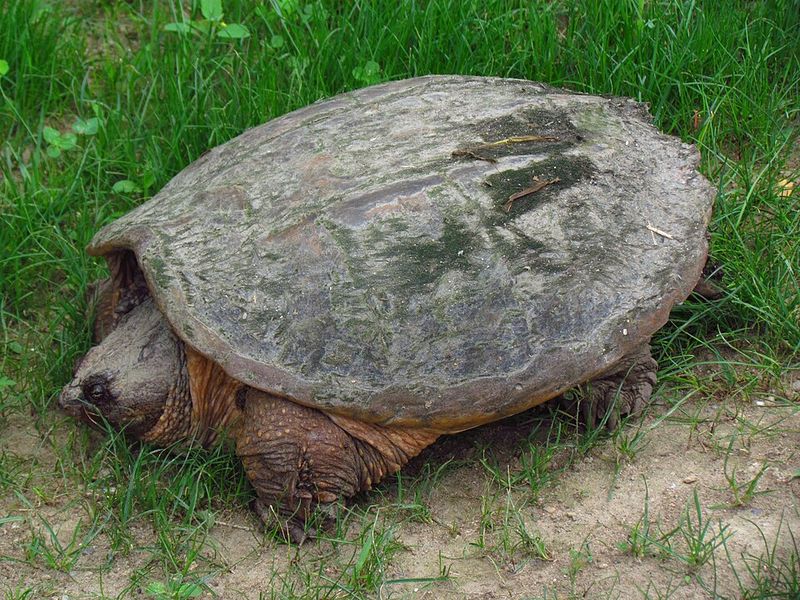
Image Credit: D. Gordon E.
Snapping turtles are easy to overlook, which is probably part of why seeing one feels so satisfying. In Mississippi rivers, lakes, swamps, and marshes, they often appear as little more than eyes, nostrils, and a suspicious bump breaking the surface.
Sometimes they are so mud-covered and still that you only recognize them after they move.
Both common snapping turtles and the much larger alligator snapping turtles live in the state, and either one can make you stop in your tracks. They are strongly tied to the water and usually stay there unless nesting or shifting locations.
On occasion, though, you may catch one basking or hauling itself across a muddy bank with prehistoric determination.
I think that ancient look is what makes them memorable, because they seem to belong to a much older Mississippi than the one around you. They do not perform or show off, and maybe that is the point.
Spotting one feels less like finding wildlife and more like discovering a living relic.
Cottonmouth
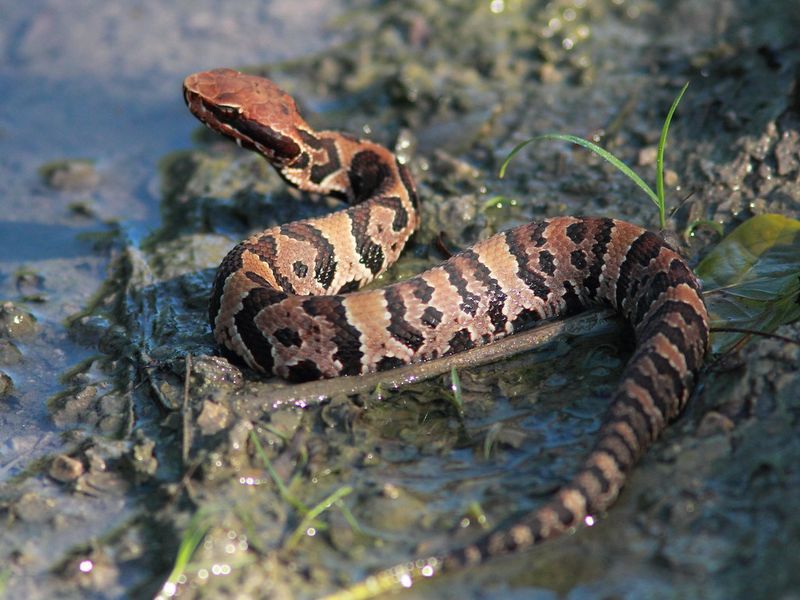
Image Credit: Kenneth Cole Schneider
The cottonmouth is one of those Mississippi waterway animals that demands instant respect. You might see one stretched across a log, coiled near a muddy edge, or swimming with its body riding high on the water in a way that stands out once you know what to watch for.
That visible, heavy glide is often the giveaway.
Also called the water moccasin, this venomous snake is common in wetlands, cypress swamps, floodplains, sloughs, and slow streams across the state. It is thick-bodied, strongly associated with water, and often basks in the morning when temperatures are still rising.
If threatened, it may coil and open its mouth to reveal the pale interior that inspired its name.
This is not an animal you want to approach for a closer look, no matter how curious you feel. The best sighting is a calm, distant one where both you and the snake keep your space.
Around Mississippi waterways, recognizing a cottonmouth quickly is one of the smartest outdoor skills you can have.
Osprey
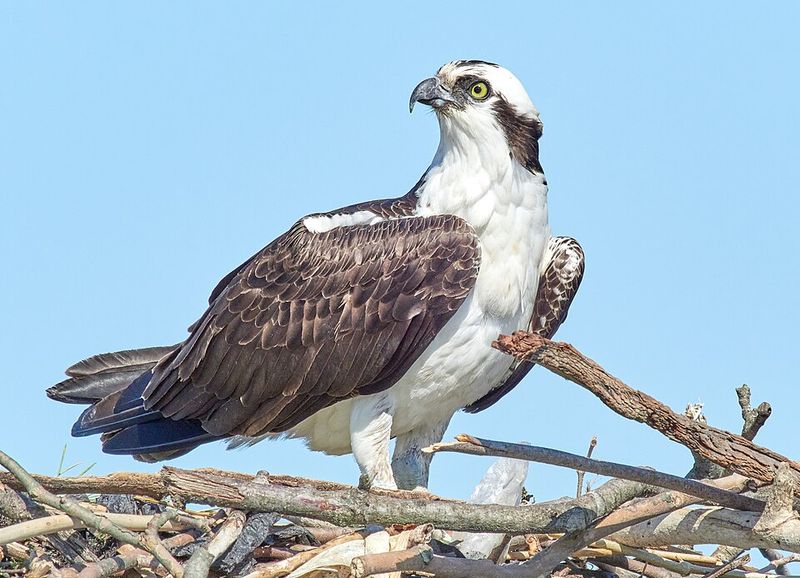
Image Credit: RoySmith.
Ospreys bring a kind of drama to Mississippi waterways that is hard to beat. You may notice one circling high above a river or lake, then suddenly hovering with fierce concentration before dropping feet-first toward the surface.
Even if the dive lasts only seconds, it feels like watching a perfectly timed stunt.
These fish specialists are common near large bodies of water, and once you learn their look, they become much easier to pick out. Watch for a white head with a dark eye stripe, long wings with a bent wrist shape, and a hunting style focused almost entirely on fish.
After a catch, they often reposition the fish head-first to fly more efficiently, which is one of those details that never gets old.
Early morning and late afternoon are especially good times to look, when the light is better and the birds are often active. If you enjoy wildlife with visible purpose and precision, ospreys are deeply satisfying to watch.
They turn an ordinary boat ramp or shoreline stop into a real event.
Nutria
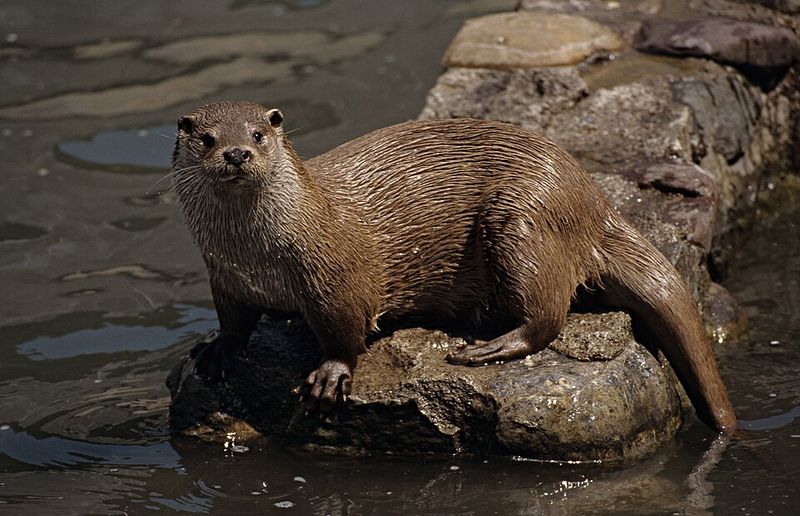
Image Credit: FOTO-ARDEIDAS.
Nutria are one of the weirdest regular sightings you can have near Mississippi waterways, mostly because they look familiar and wrong at the same time. At a glance, you might think beaver, then maybe oversized muskrat, and then you notice the rounded tail, white whiskers, and odd profile.
That confusion is practically part of the nutria experience.
Originally introduced from South America, nutria now live in many wet areas, including bayous, canals, ponds, marshes, and river edges. They are often most visible around dawn or dusk, swimming with just the head exposed or grazing along the bank.
If you get a decent look, the bright orange front teeth can seal the identification instantly.
I find them especially memorable because they feel like a slightly misplaced character in the Mississippi landscape, yet they are undeniably established now. They do not have the neat engineering reputation of beavers or the cuteness boost of otters.
Still, once you know what you are seeing, spotting one becomes strangely satisfying every single time.
White-Tailed Deer
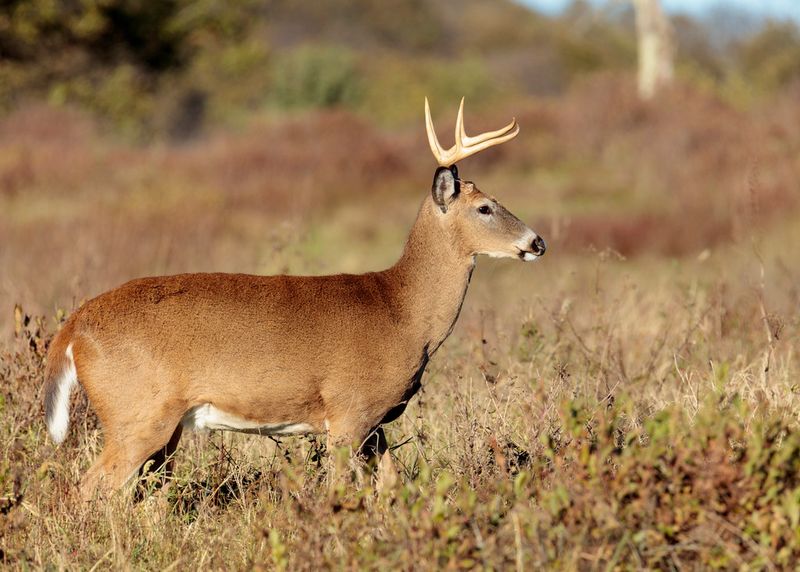
Image Credit: Shenandoah National Park
White-tailed deer may not be the first animal you picture for a waterway list, but near Mississippi rivers and bayous, they belong here without question. You can often catch them stepping carefully down a bank to drink, crossing shallow water, or emerging from cover at the edge just as the light turns soft.
Those moments can feel unexpectedly peaceful.
Healthy deer populations exist across every county in the state, so sightings near water are common wherever habitat and access line up. Early morning and evening are your best chances, especially around sunrise or later in the afternoon when movement increases.
During floods, they shift toward higher ground, then return as water levels fall and familiar routes reopen.
What I like most about seeing deer near waterways is how they change the mood of a place. The same muddy bank that looked empty a minute earlier suddenly feels active, used, and connected to everything around it.
If you stay quiet and patient, a river edge can reveal these graceful visitors when you least expect them.