
South Carolina wetlands can feel like another world, where still water, cypress shadows, and sudden splashes hide nonstop life. If you look closely, every muddy bank and flooded forest seems to reveal a specialist built for this watery landscape.
Some are bold and familiar, while others feel almost prehistoric or strangely secretive. These 13 animals show just how wild, resilient, and surprising the state’s wetlands really are.
American Alligator
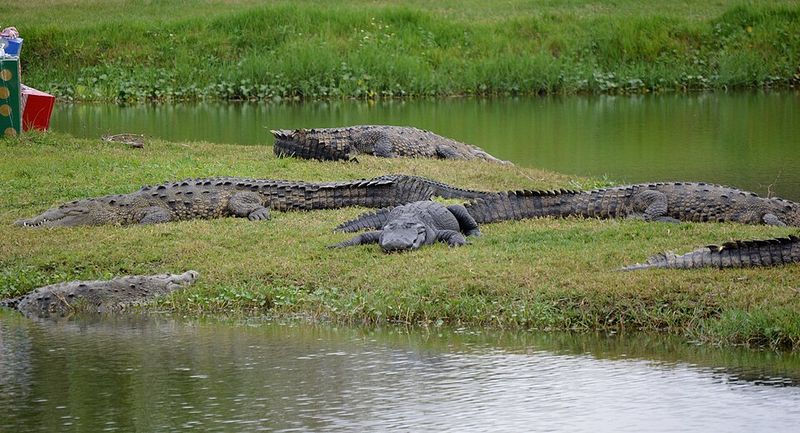
Image Credit: Agsftw,.
If any animal defines a South Carolina wetland, it is the American alligator. You can spot one drifting like a log, then realize the log has eyes, armor, and complete control of the water around it.
That quiet presence matters because alligators shape the habitat as much as they live in it.
During dry spells, they dig gator holes that hold precious water when surrounding shallows shrink. Fish, turtles, frogs, and insects gather in those pools, turning one reptile’s survival tactic into a community lifeline.
In that way, the alligator becomes a keystone species without ever making a fuss about it.
They also patrol marshes, swamps, and rice-field edges with impressive patience. Watching one bask on a muddy bank, you get the sense that this species belongs to an older South than roads or towns.
In these wetlands, few residents are more important or more iconic.
Wood Stork
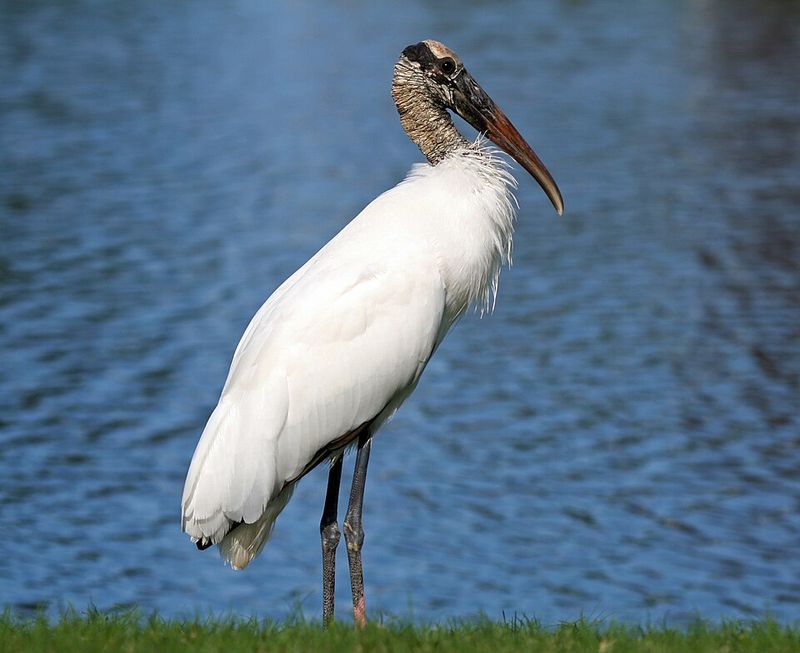
Image Credit: Googie man (talk).
The wood stork looks a little awkward at first glance, but it is brilliantly designed for swamp life. As the only stork native to North America, it thrives in South Carolina’s flooded forests and cypress swamps where murky water hides small prey.
Its heavy bill is not just for show, either.
Instead of relying mostly on sight, the wood stork hunts by touch. It sweeps its partly open bill through shallow water and snaps it shut with astonishing speed the instant it feels a fish or crustacean.
That method gives it an edge in places where visibility is almost useless.
Colonies often nest in trees surrounded by water, which helps reduce threats from land predators. When you see a wood stork gliding overhead, it seems prehistoric, almost improbable, yet perfectly at home.
In South Carolina wetlands, this bird proves elegance does not always need bright colors or graceful proportions.
River Otter
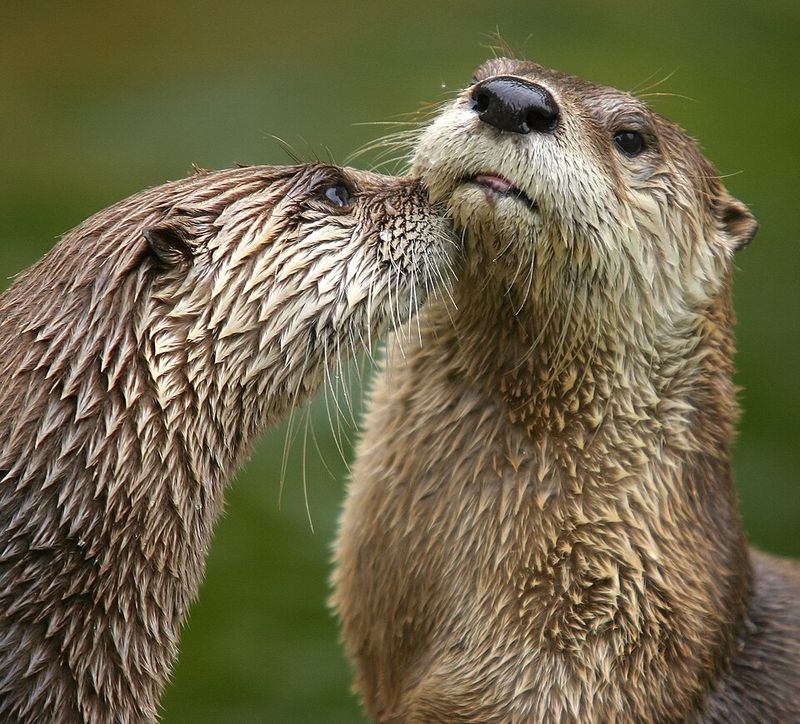
Image Credit: Dmitry Azovtsev.
River otters bring a kind of joyful chaos to South Carolina wetlands. One moment they are slicing through blackwater like torpedoes, and the next they are wrestling, sliding, or vanishing into reeds as if the whole swamp were built as their playground.
That energy hides some serious survival talent.
Otters move easily between land and water thanks to webbed feet, dense waterproof fur, and bodies made for speed. They can close their nostrils and ears while diving, which helps them chase fish, frogs, crayfish, and other prey through submerged roots and muddy channels.
In a habitat full of obstacles, they look almost effortless.
They are also highly social, which makes them especially fun to watch when a group is traveling together. Tracks, scat, and slide marks often reveal them before you ever see one.
In these swamps, river otters feel like the wetlands’ comedians, athletes, and hunters rolled into one.
Anhinga
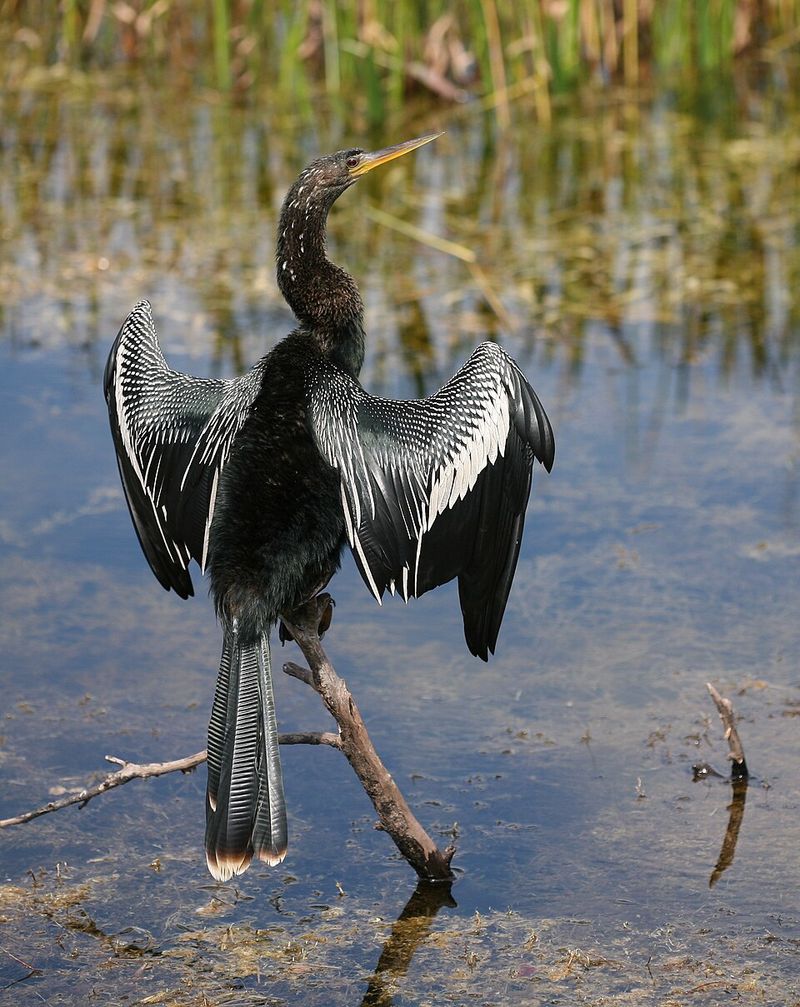
Image Credit: Daniel Schwen.
The anhinga is one of those birds that makes a wetland feel wonderfully strange. When it swims with only its thin neck above the surface, you might think a snake is cutting through the water until the rest of the bird appears.
That unusual silhouette explains the nickname snake bird perfectly.
Unlike many waterbirds, anhingas do not have highly waterproof feathers, so they become less buoyant underwater. That helps them dive and spear fish with sharp precision in ponds, marshes, and swamp channels where quick underwater pursuit matters.
Afterward, they climb onto a branch and spread their wings wide to dry.
That wing-drying pose is classic wetland theater, half practical and half dramatic. In South Carolina, anhingas thrive where warm sun, still water, and abundant fish give them room to hunt effectively.
If you enjoy wildlife that looks slightly mysterious and a little ancient, this bird easily earns your attention.
American Bullfrog
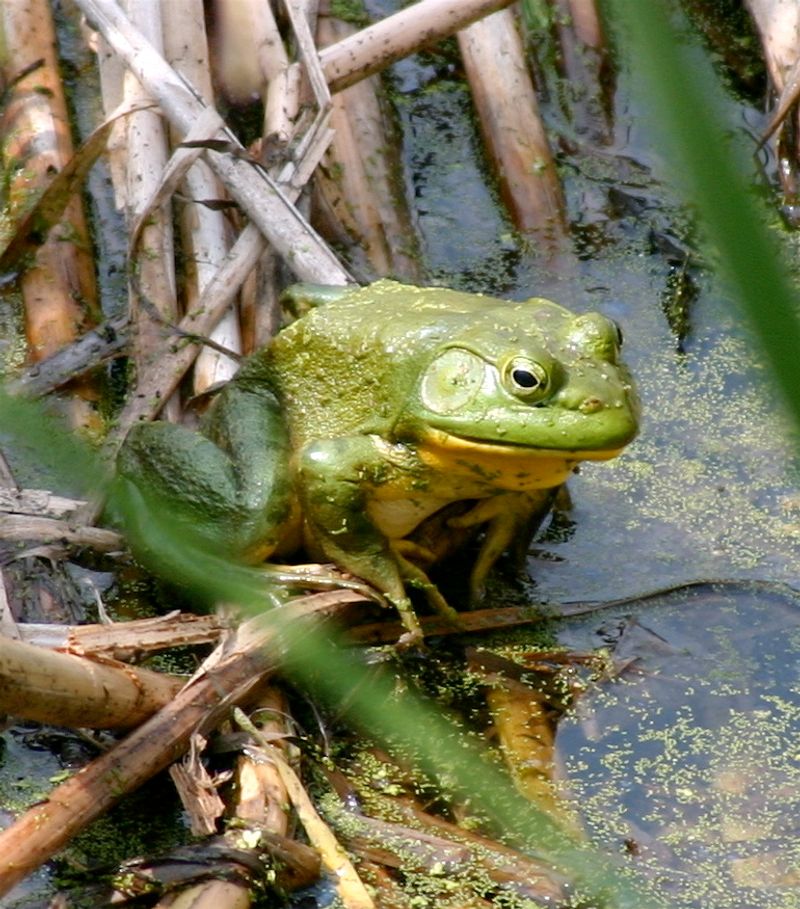
Image Credit: Carl D. Howe.
The American bullfrog does not need to be subtle to succeed in South Carolina wetlands. It is the largest frog in North America, and it acts like it knows it, claiming still waters with deep calls that can carry across ponds, ditches, and swampy backwaters.
If you hear one at dusk, the whole shoreline seems to answer.
Its powerful hind legs make it an impressive jumper and swimmer, but the real story is appetite. Bullfrogs eat insects, crayfish, smaller frogs, fish, snakes, and even small birds when the chance appears.
In the shallows, they are less peaceful pond residents than opportunistic predators with almost comic ambition.
That adaptability helps them flourish anywhere calm water lingers long enough to support life. Tadpoles grow large, adults sit motionless until needed, and then everything changes in one explosive lunge.
In South Carolina’s wetlands, the bullfrog proves that dominance sometimes arrives with a splash and a booming nighttime voice.
Prothonotary Warbler
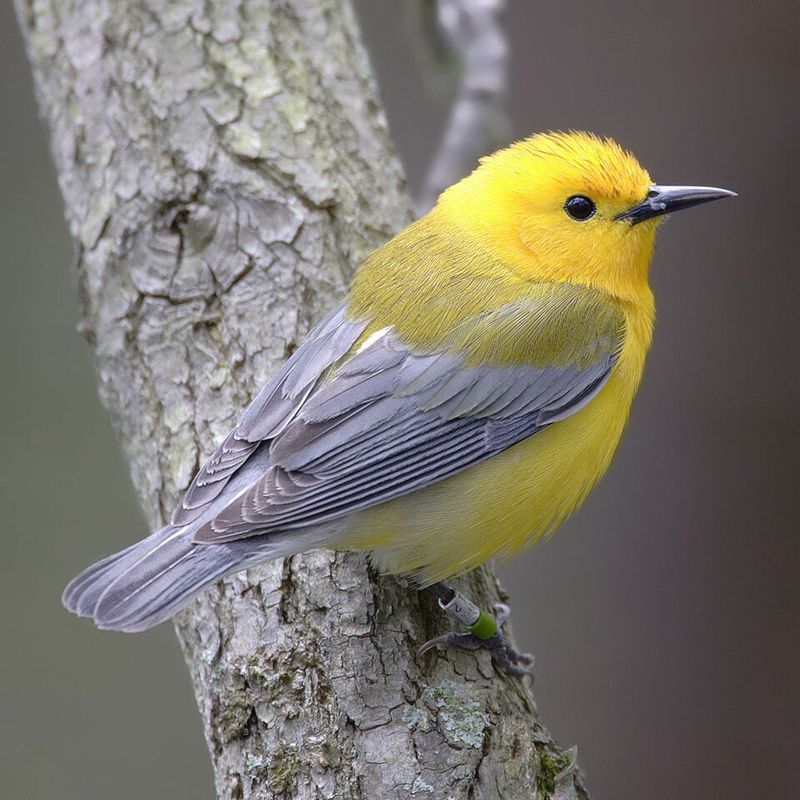
Image Credit: Mdf, edited by Fir0002.
The prothonotary warbler brings a flash of gold to some of the darkest corners of South Carolina wetlands. In flooded forests where trunks rise from still water, this little bird glows so brightly that the nickname swamp candle feels completely earned.
It turns a shadowy swamp into something unexpectedly cheerful.
Unlike many warblers, it nests in cavities, often in holes directly over standing water. That strategy fits bottomland forests and cypress swamps perfectly, giving the birds safer nesting spots while keeping them close to insects, spiders, and other food hidden among wet bark and leaves.
It is a small bird using a very smart blueprint.
What makes it especially memorable is the contrast between delicate appearance and rugged habitat. You would expect such brilliant plumage in a sunny meadow, not over blackwater under ancient trees.
Yet that is exactly where it thrives, singing above flooded roots and reminding you that wetlands can be every bit as colorful as gardens.
Great Blue Heron
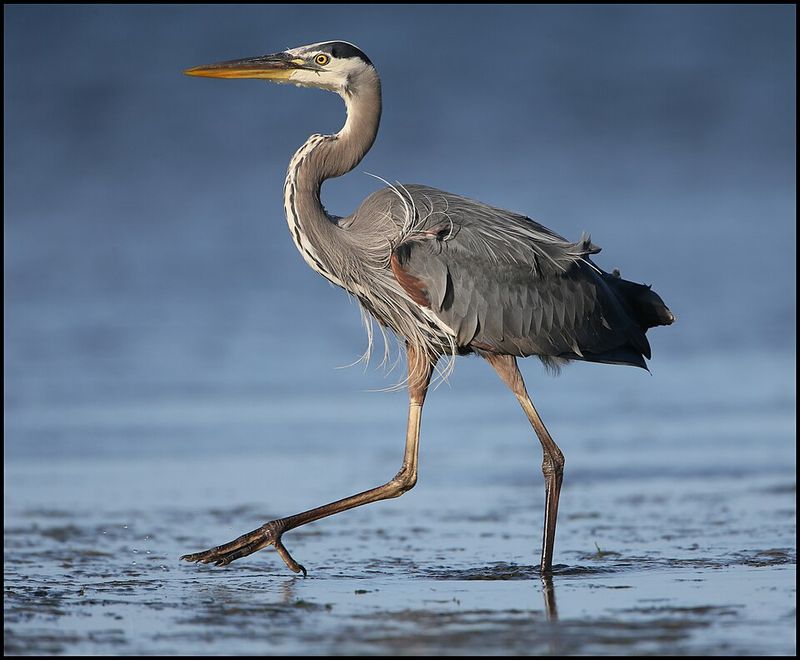
Image Credit: nigel.
The great blue heron is the patient hunter of South Carolina wetlands. Tall, deliberate, and almost statuesque, it can stand motionless for so long that you start to wonder whether it has turned into part of the scenery.
Then, in a blink, that stillness becomes a strike fast enough to miss if you look away.
Its S-shaped neck works like a coiled spring, driving a dagger-like bill toward fish, frogs, snakes, or small mammals. Marshes, swamps, tidal creeks, and pond edges all offer opportunities, and this bird uses them with quiet efficiency.
It is not flashy about success, but it is built for it.
Even in flight, the great blue heron feels unmistakable, with slow wingbeats and that tucked neck silhouette crossing above cattails and open water. Seeing one at dawn can make the whole wetland seem calmer and older.
In South Carolina, few birds capture the mood of marsh country better than this measured, sharp-eyed predator.
Bobcat
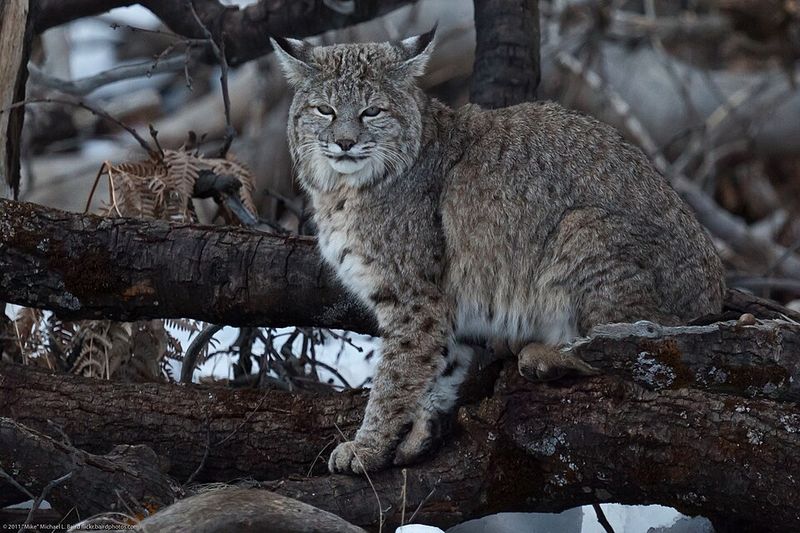
Image Credit: Mike Baird from Morro Bay, USA.
The bobcat is not a swimmer by reputation, but wetland edges suit it remarkably well. In South Carolina, swamp margins create a perfect blend of cover, water, and prey, giving this secretive cat plenty of chances to hunt without being easily seen.
You are more likely to notice tracks in mud than the animal itself.
Dense vegetation offers stalking routes, while rabbits, rodents, and unwary birds provide regular meals. A bobcat can move through these border zones with the kind of quiet confidence that makes ambush predators so effective.
It does not need open water when the richest action happens right along the edge.
What makes bobcats fascinating in wetlands is the contrast between catlike neatness and swampy mess. They weave through tangles, leap fallen logs, and disappear into brush that looks impossible to navigate.
If you catch even a brief glimpse of one near a flooded forest, it feels like the wetland has revealed a private, carefully guarded secret.
Cottonmouth
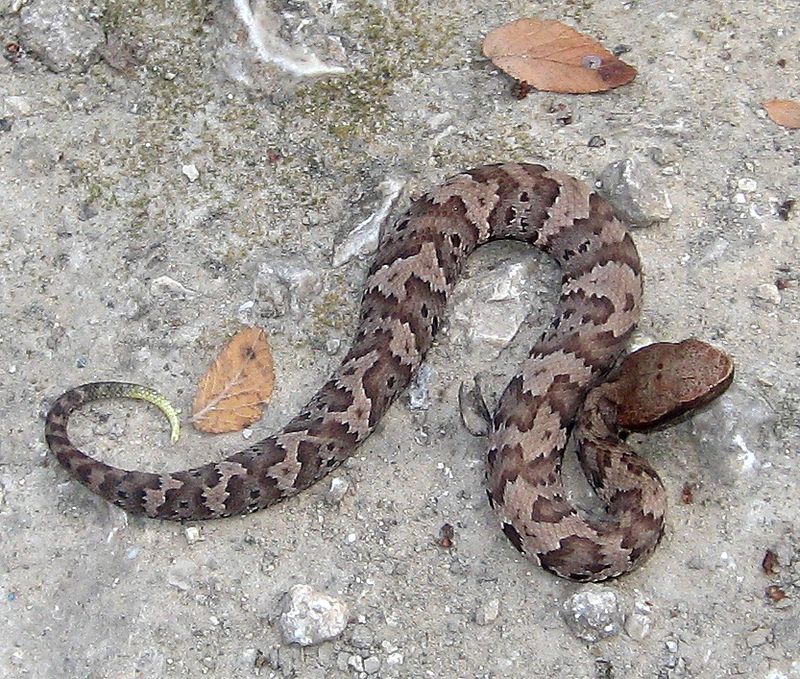
Image Credit: Jim Evans.
The cottonmouth gives South Carolina wetlands a sharper edge, and it earns respect fast. Also called the water moccasin, this semi-aquatic pit viper is powerfully adapted to swampy habitats where shallow water, muddy banks, and thick vegetation create excellent hunting grounds.
Seeing one glide across the surface can make you suddenly appreciate open boardwalks.
Unlike many snakes that swim mostly submerged, cottonmouths often ride high on the water. They use heat-sensing pits to detect warm-blooded prey even in darkness, adding a remarkable sensory advantage in tangled habitats where sight alone is limited.
Fish, frogs, small mammals, and birds can all end up on the menu.
Despite their fearsome reputation, cottonmouths are simply well-equipped predators occupying the niche nature built for them. They are part of what makes wetlands feel wild rather than decorative.
If you give them space and stay observant, they become less a nightmare and more a lesson in specialized survival.
Swamp Rabbit
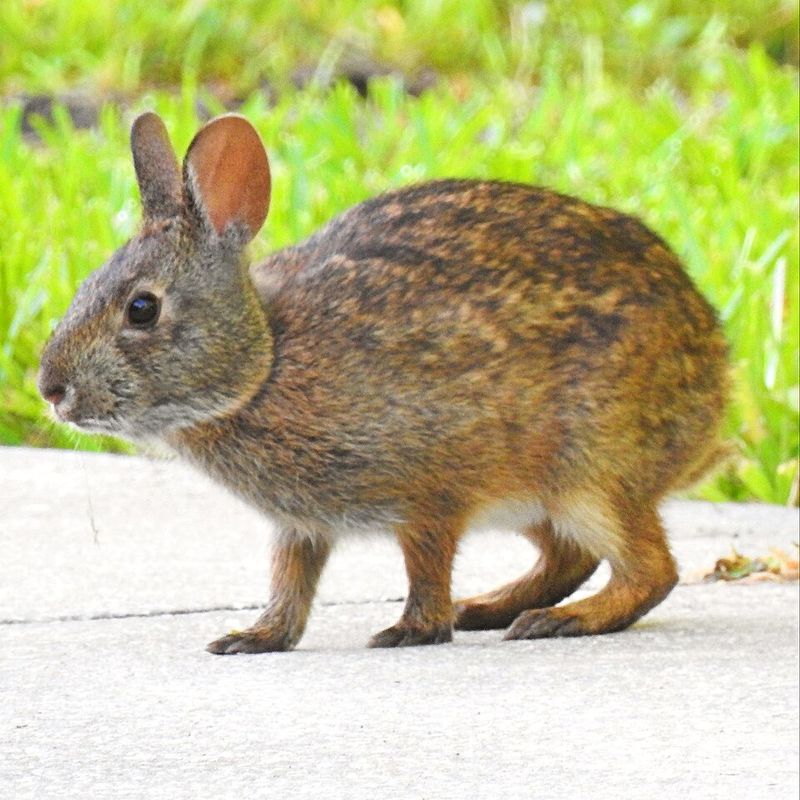
Image Credit: JeffreyGammon.
The swamp rabbit sounds almost made up, like a creature from a folktale told beside a fishing camp. Yet in South Carolina wetlands, this larger cousin of the eastern cottontail is very real and surprisingly well matched to life around floodplains, swamps, and soggy thickets.
It turns a rabbit’s usual rulebook upside down.
Instead of panicking at water, swamp rabbits can swim strongly and even dive to escape danger. Partially webbed feet help them navigate muddy ground and flooded forest floors where other small mammals might struggle.
In a landscape that changes with every heavy rain, that flexibility is a serious advantage.
They often stay hidden in dense cover, so glimpses are brief and memorable, usually a quick shape slipping through cane or brush near standing water. There is something wonderfully unconventional about a rabbit that treats the swamp as home turf.
In these wetlands, even familiar animal groups can evolve unexpected, almost rebellious talents.
Wood Duck
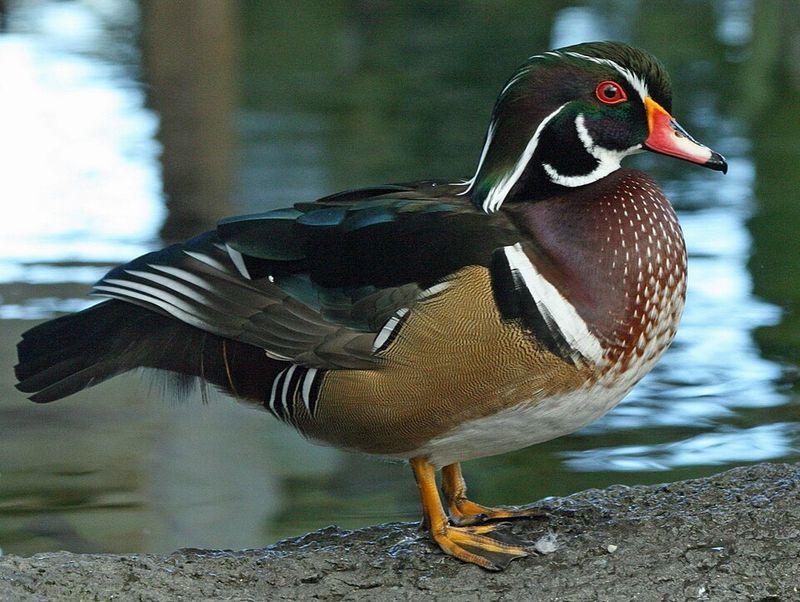
Image Credit: Dick Daniels.
The wood duck might be the wetland’s answer to dressed-up elegance, but it is tougher than its beauty suggests. In South Carolina swamps and flooded timber, this duck depends on wooded water where nesting cavities and sheltered feeding areas come together in the same rich habitat.
It is a perfect marriage of color and practicality.
Unlike many ducks that nest on the ground, wood ducks choose tree cavities, sometimes high above the water. Newly hatched ducklings make astonishing jumps from those nest holes, bouncing safely thanks to tiny bodies and soft down before following their mother toward water.
It sounds unbelievable until you see footage of it.
Adults feed on seeds, acorns, aquatic plants, and small invertebrates, making use of the wetland’s seasonal abundance. The males are especially striking, looking almost hand-painted against dark swamp reflections.
If you want proof that South Carolina wetlands can be both wild and visually extravagant, the wood duck makes that case beautifully.
Yellow-Bellied Slider
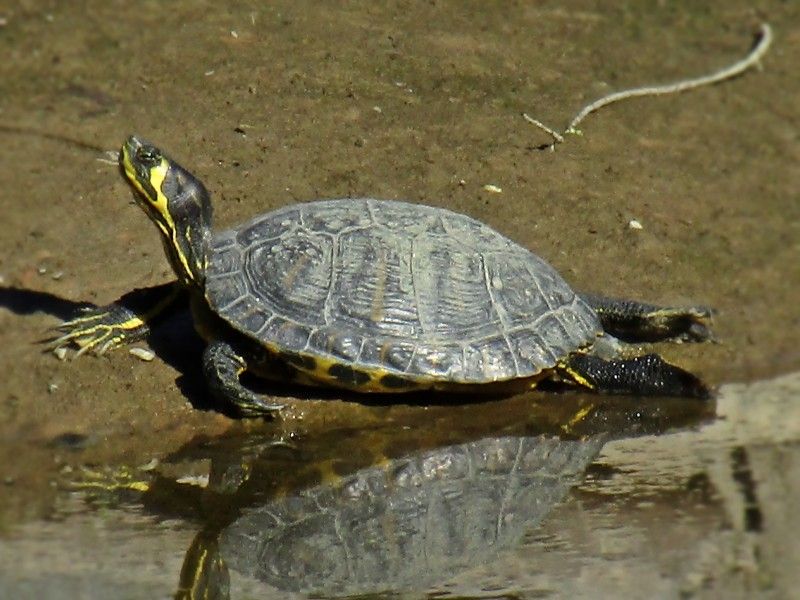
Image Credit: B. Schoenmakers.
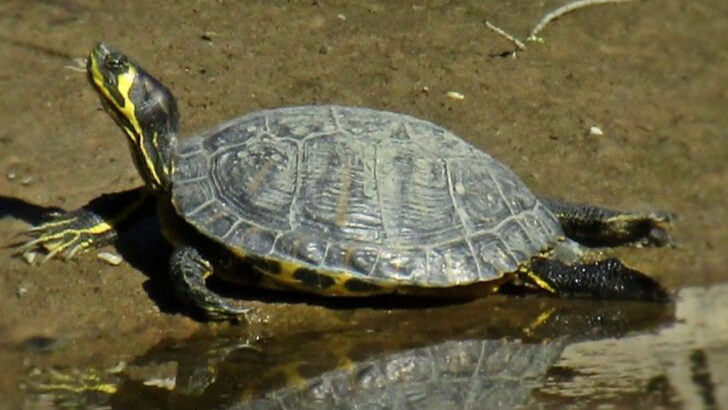
The yellow-bellied slider is one of the easiest wetland residents to love because it seems to enjoy simple pleasures so openly. In South Carolina swamps, ponds, and marshy backwaters, these turtles gather on logs to bask in groups, stacking themselves with comic determination wherever the sun hits best.
It is the reptile version of claiming the best seats.
Basking helps regulate body temperature, but this species is more than a sunbather. Sliders feed on aquatic plants, insects, and other small prey, making good use of productive shallow water.
When colder months arrive, they can slow their metabolism dramatically and survive buried in mud through harsh, lean periods.
That ability to shift from active basker to patient survivor is a big reason they flourish across so many habitats. You may spot them slipping from a log all at once, leaving only ripples behind.
In wetlands full of stealthier creatures, the yellow-bellied slider adds a little everyday charm and reliable resilience.
Bowfin
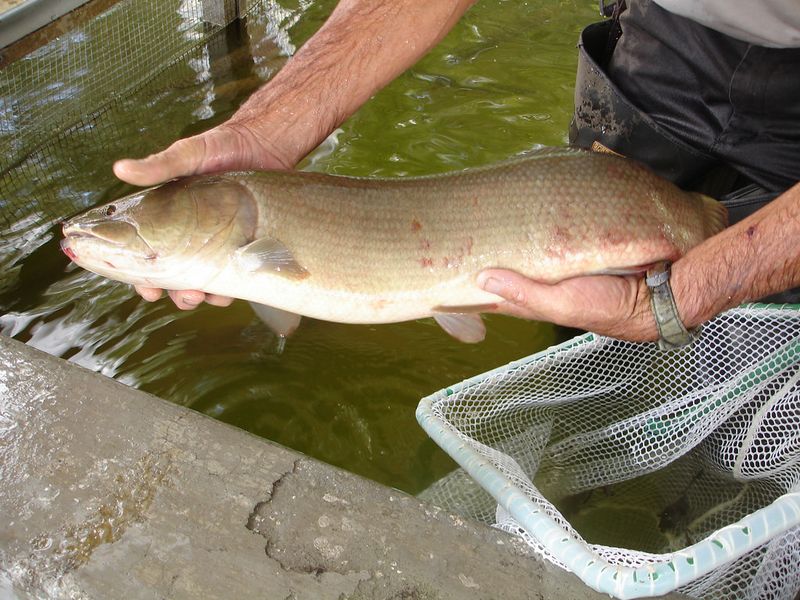
Image Credit: U.S. Fish and Wildlife Service Headquarters
The bowfin feels like a fish that slipped through time and decided South Carolina wetlands still suit it just fine. Often called a living fossil, it has an ancient look and an equally ancient toughness, thriving in stagnant, low-oxygen waters where many other fish would be stressed or simply disappear.
That makes it a true swamp specialist.
Its secret weapon is a modified swim bladder that lets it breathe air directly. In warm, still backwaters and muddy channels, that adaptation provides an enormous advantage and allows the bowfin to survive conditions that would challenge more delicate species.
It is not glamorous, but it is brilliantly practical.
Bowfin are also strong predators, feeding on fish, crayfish, insects, and whatever else they can overpower. Anglers sometimes underestimate them until they feel the fight at the end of a line.
In the broader wetland story, the bowfin represents something essential: survival through adaptability, endurance, and a design that never needed modern updating.