
Maine can feel wild and timeless, but some of its most fascinating residents are far older than the forests, lakes, and rocky shores you know today. These animals carry body plans and survival strategies that were already working millions of years before humans appeared.
If you know where to look, you can still spot living links to deep prehistory across the state. Here are 12 ancient animals that make Maine feel like a natural history museum you can actually walk through.
Atlantic Horseshoe Crab
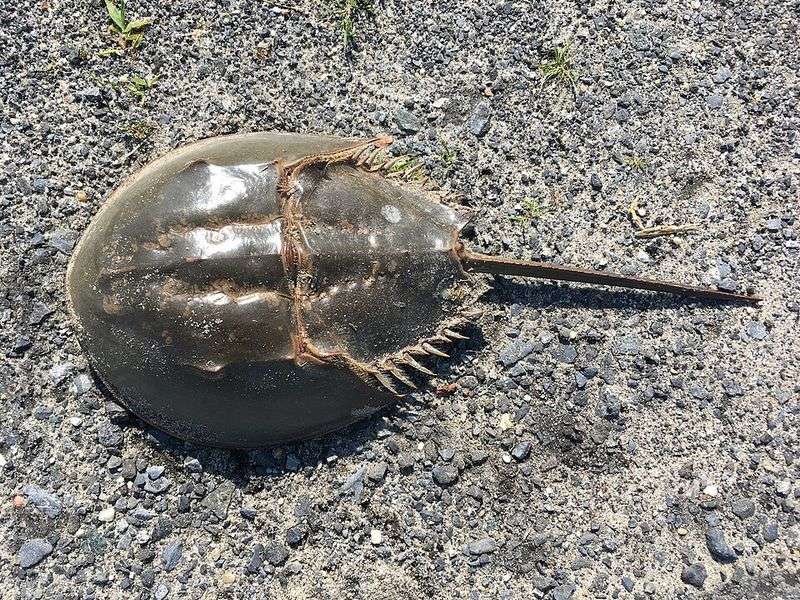
Image Credit: Kaldari.
If you spot an Atlantic horseshoe crab along Maine’s coast, you are looking at a body plan that has endured for roughly 445 million years. That alone makes an ordinary beach walk feel strangely epic, like prehistory never fully left.
Its helmet-like shell, long tail spine, and slow armored crawl seem almost too ancient for the modern world.
In late May and June, these animals come ashore on sandy beaches and mudflats to spawn during high tides. You are most likely to notice them in quiet coastal areas where the water feels calm and the shore looks a little overlooked.
I love that something so old still follows the same seasonal rhythm, asking for almost nothing except intact habitat, healthy tides, and a little space to continue a story that began long before dinosaurs ever existed.
Sea Lamprey
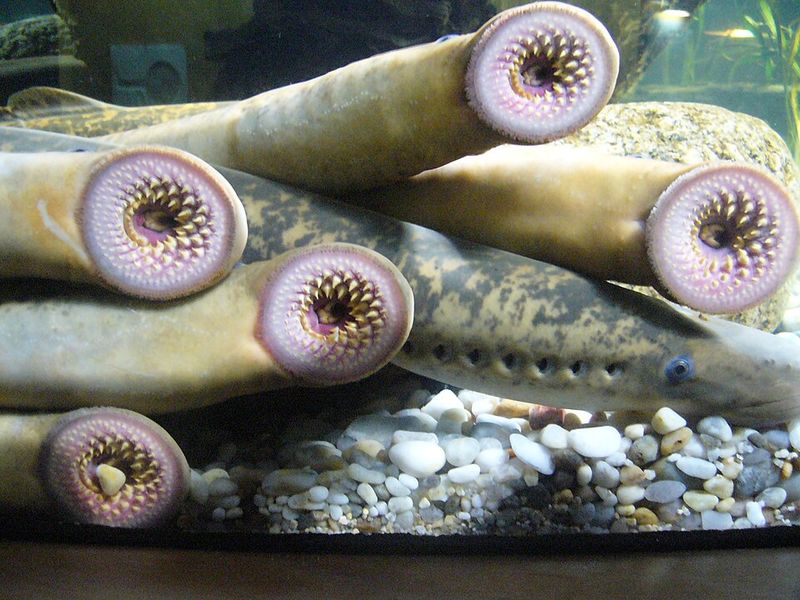
Image Credit: Fernando Losada Rodríguez.
The sea lamprey looks like something invented for a monster movie, yet it is one of Maine’s oldest native fish. This jawless vertebrate belongs to a lineage stretching back around 340 to 360 million years, which means its basic design appeared before jaws became standard equipment in vertebrate life.
When you see that circular, tooth-lined mouth, you are seeing an ancient solution that still works.
In May and early June, adults leave the ocean and push up Maine rivers to spawn in freshwater. They use their suction-cup mouths to cling to rocks, move stones, and build nests with a persistence that is hard not to admire.
I know lampreys can unsettle people, but if you look past the shock factor, you find a remarkable survivor whose annual migration keeps alive one of the oldest stories still flowing through Maine’s streams and tributaries every spring.
Atlantic Sturgeon
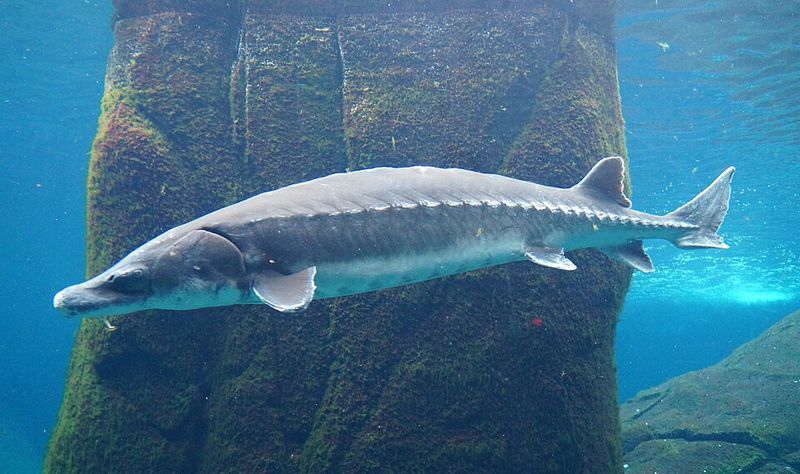
Image Credit: Jiaqian AirplaneFan.
Atlantic sturgeon have a way of making every other fish seem temporary. Their torpedo-shaped bodies, whisker-like barbels, and rows of bony scutes have changed little for more than 120 million years, giving them the look of a creature that simply refused to update.
When you picture a living relic cruising through Maine waters, this is the animal that earns the title.
These giants spend much of their lives at sea but still move into large rivers like the Kennebec, Penobscot, and Saco to spawn. Some can reach extraordinary sizes, and even the thought of one gliding below the surface adds a deep-time thrill to an ordinary river view.
I find it amazing that in a place known for lobster boats and rocky coves, one of the state’s most unforgettable residents is a slow-growing armored fish whose ancestors were already established during the age of dinosaurs.
Spiny Dogfish
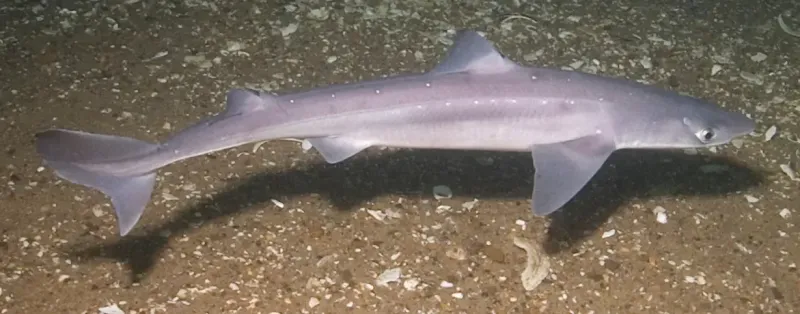
Image Credit: Doug Costa, NOAA/SBNMS
The spiny dogfish does not get the dramatic headlines of bigger sharks, but it carries an impressively ancient blueprint. Sharks as a group go back more than 400 million years, and this small coastal species still shows off primitive features that helped its relatives survive repeated global catastrophes.
Its most memorable detail is the sharp spine in front of each dorsal fin, a built-in warning system with venomous potential.
During spring and summer, these sharks are common in the Gulf of Maine, often moving in schools through cool coastal waters. You probably will not see one from a postcard overlook, but anglers, researchers, and boaters know they are very much part of the marine neighborhood.
I like that the spiny dogfish feels both familiar and slightly mysterious, a reminder that Maine’s ocean still holds ancient designs refined long before people started naming coves, harbors, and fishing grounds.
Snapping Turtle
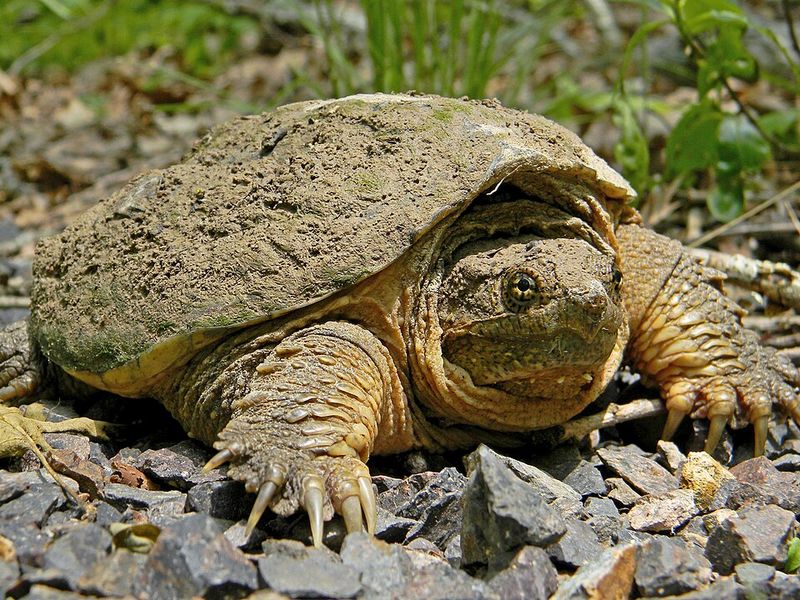
Image Credit: Dakota L.
A snapping turtle can look like a chunk of old swamp suddenly deciding to move. Turtles have existed for roughly 220 million years, and this species still carries the same practical formula that made the group so durable: armor on top, caution when needed, and surprising power when cornered.
Its rough shell, hooked beak, and dinosaur-like stare make every encounter feel older than the pond itself.
In Maine, snapping turtles thrive in ponds, marshes, and slow rivers where muddy bottoms and quiet cover give them room to disappear. You might notice one crossing a road in summer or surfacing with only its nose and eyes exposed, like a patient little submarine.
I always think they embody ancient patience, because nothing about them seems rushed or flashy, yet their design has worked for ages, proving that survival does not always belong to the fastest creature in the landscape.
Blanding’s Turtle
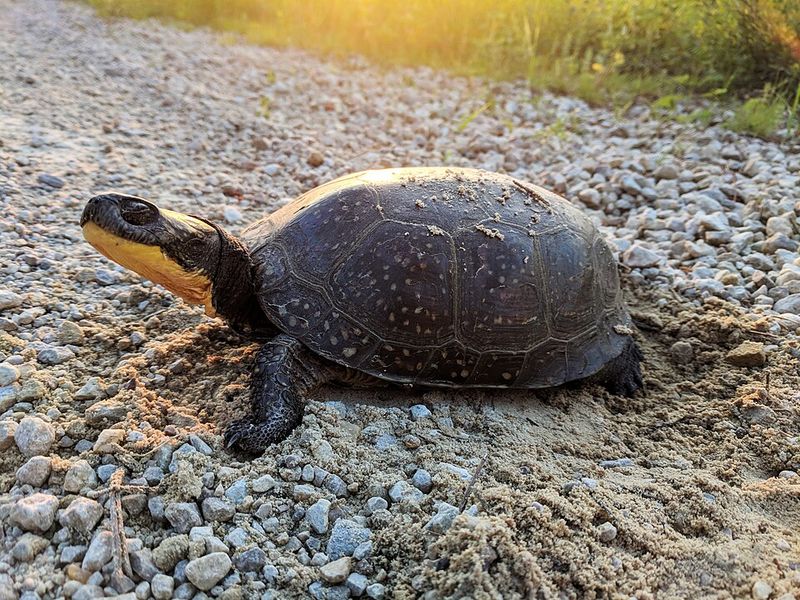
Image Credit: USFWS Midwest Region from United States.
Blanding’s turtle feels like one of Maine’s best-kept prehistoric secrets. It belongs to the same deeply ancient turtle lineage that has persisted for millions of years, and its high-domed shell, hinged plastron, and bright yellow throat give it a look that is both elegant and unmistakably old-fashioned.
If you ever see one in the wild, it is the kind of moment you remember for years.
This species is much rarer than other turtles in the state, favoring quiet wetlands where long life and slow maturity are part of its survival strategy. That pace makes every healthy marsh seem more precious, because these turtles need time, connected habitat, and a lot of luck to endure.
I find something moving about an animal built for longevity living so discreetly, as if Maine still hides tiny pockets where deep history survives in reeds, mud, and still water.
American Eel
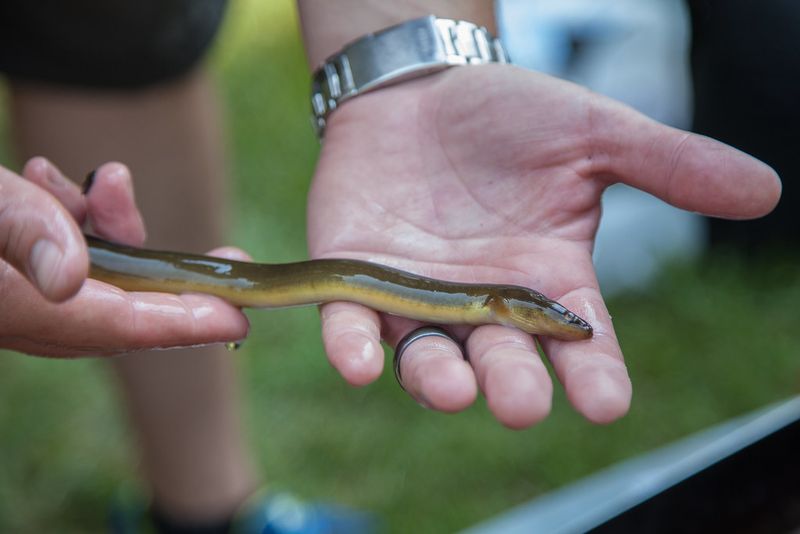
Image Credit: Chesapeake Bay Program
The American eel is one of those animals that becomes more astonishing the more you learn about it. Its lineage belongs to an ancient branch of bony fish, and its life cycle still feels almost mythic: growing in inland waters, then eventually traveling back to the distant Sargasso Sea to spawn.
That journey alone gives Maine’s rivers a hidden connection to the open Atlantic that is easy to overlook.
In streams, ponds, and rivers across the state, eels slip through the water with a quiet confidence that seems older than the landscape around them. You may never notice them unless you are looking carefully, which somehow makes their presence even more compelling.
I love that an animal so ordinary in shape can hold such an extraordinary story, linking mountain waters, coastal estuaries, and tropical ocean currents in one of the strangest and oldest migratory patterns still alive today.
Common Loon
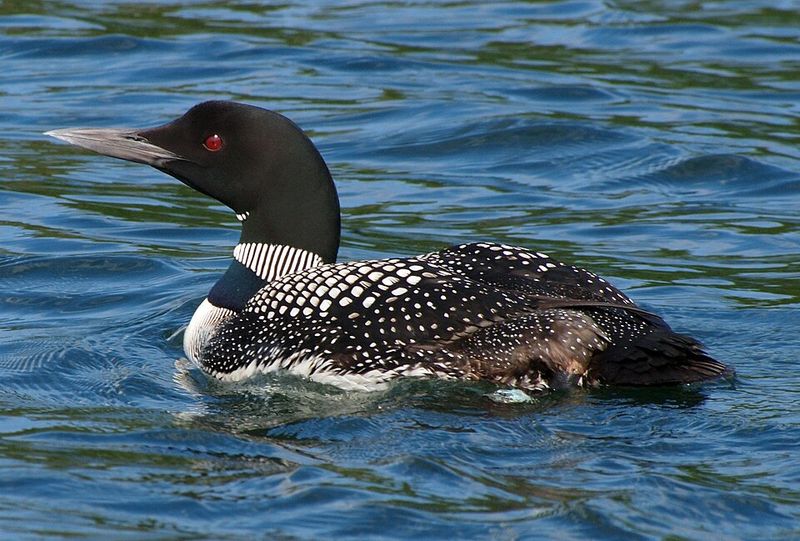
Image Credit: John Picken.
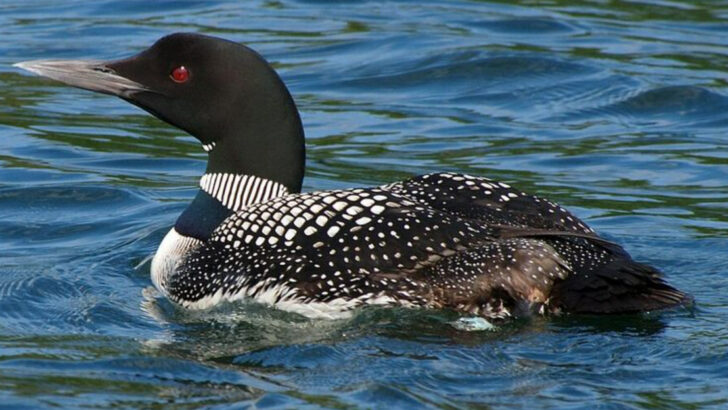
The common loon may not look ancient at first glance, but it belongs to one of the oldest lineages of modern birds. Fossil relatives reach back tens of millions of years, and the loon still carries unusual traits, including relatively solid bones that help it dive with stunning efficiency.
When you hear that echoing call across a Maine lake, it can feel less like birdsong and more like memory.
Summer in northern Maine is prime loon season, especially on quiet lakes where the water lies still enough to mirror the sky. Their red eyes, sharp bills, and low riding silhouettes give them a sleek, purposeful look that seems perfectly tuned for deep water and wary living.
I think loons are ancient in spirit as much as ancestry, because everything about them, from their calls to their diving style, makes the landscape feel older, wilder, and just a little more mysterious.
Moose
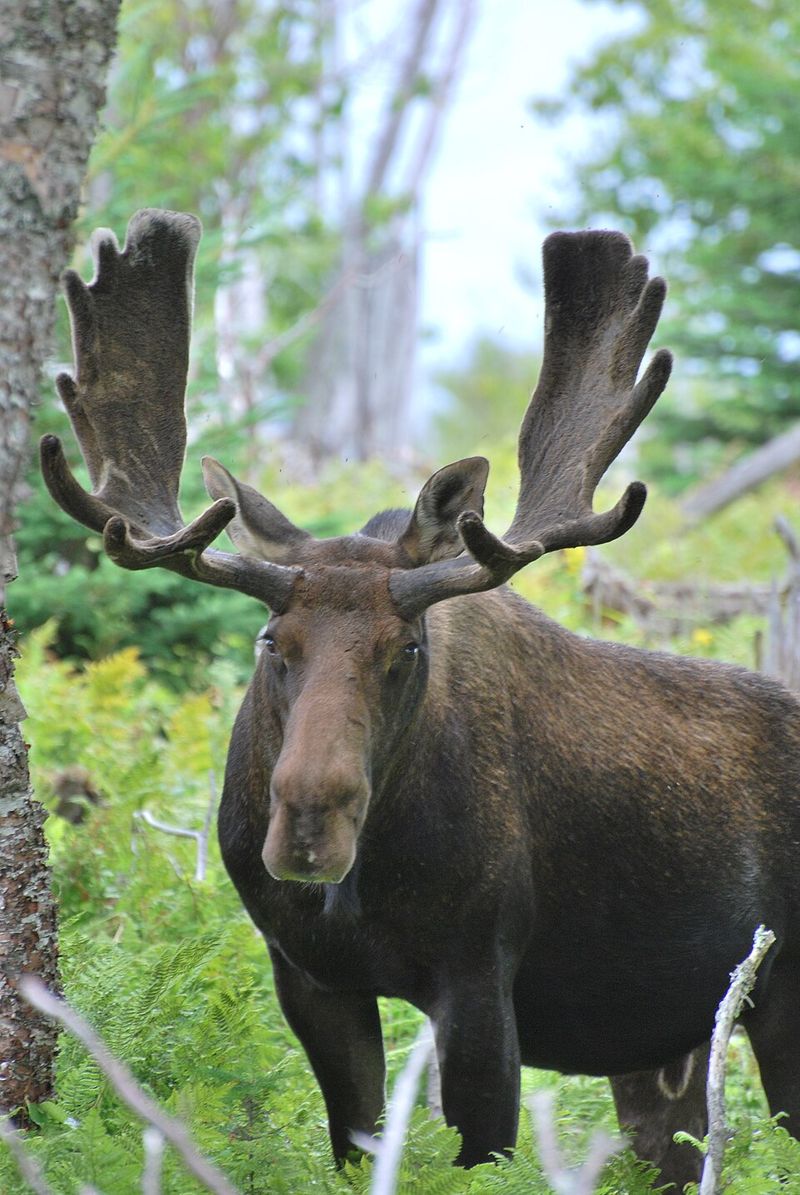
Image Credit: Gérald Tapp.
Moose are not ancient in the same way horseshoe crabs or lampreys are, but they still carry the weight of deep Ice Age history. As the largest living members of the deer family, they descend from a lineage that survived dramatic climate swings and shifting northern landscapes.
When one steps out of the spruce shadows, it feels like seeing a leftover giant from a colder world.
Maine’s north woods remain one of the best places in the country to encounter moose in the wild, especially near wetlands, roadside ponds, and young forest growth. Their long legs, heavy shoulders, and solemn faces make them seem built for bogs, snow, and patience rather than speed or grace.
I think that is part of their charm, because a moose does not look polished by modern life at all, but instead perfectly adapted to rugged conditions that would have felt familiar thousands of years ago.
Eastern Newt
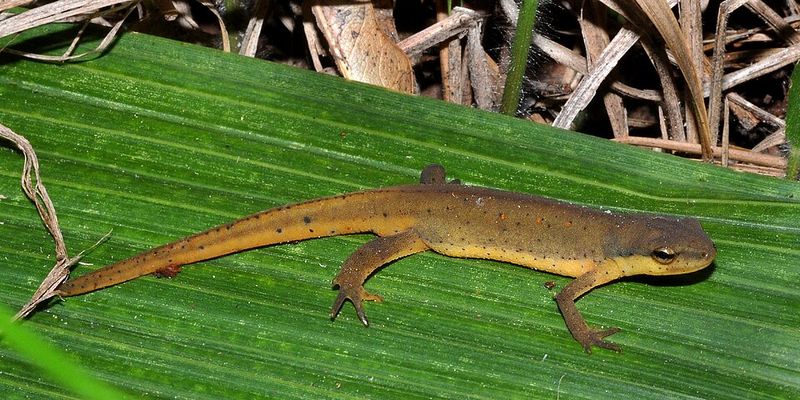
Image Credit: Wilafa.
The eastern newt is a small amphibian with an unexpectedly ancient story. Salamanders as a group have existed for well over 150 million years, and this species still follows a three-stage life cycle that feels almost experimental in the best possible way: aquatic larva, land-dwelling red eft, then aquatic adult.
If you have ever found a bright orange eft crossing a damp trail, you know how unforgettable that tiny prehistoric wanderer can be.
Across Maine’s forests, ponds, and wetlands, eastern newts continue to thrive where moisture, shelter, and clean water still come together. Their shifting lifestyles let them use different habitats as they grow, which feels like an old amphibian trick that never lost its usefulness.
I love how this animal can be both common and magical, because once you realize that the little red creature on the path represents an ancient survival strategy, every rainy walk starts to feel richer.
Painted Turtle
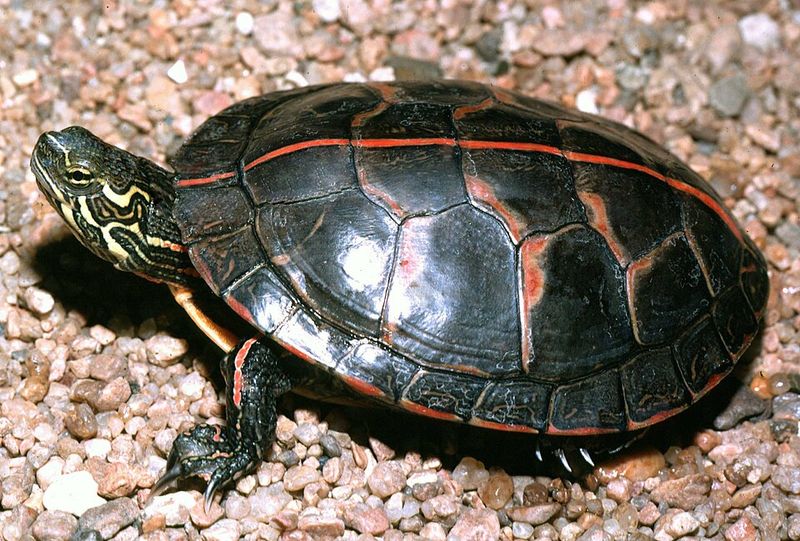
Image Credit: Suzanne L Collins (CNAH).
The painted turtle is so familiar that it is easy to miss how ancient it really is. Like other turtles, it belongs to a reptilian lineage that reaches far back into deep time, and its low, efficient shell design has needed very little improvement.
Those bright markings add a cheerful touch, but underneath the color is an old and proven survival machine.
In Maine, painted turtles bask on logs, cruise shallow ponds, and endure winters by burying themselves in mud and slowing their metabolism dramatically. That ability to ride out cold months with such efficiency feels especially impressive in a state where winter does not play around.
I think painted turtles deserve more respect than they usually get, because they are not just charming pond residents, they are resilient holdovers from an ancient branch of life still making itself at home in marshes, coves, and weedy backwaters.
Brook Trout
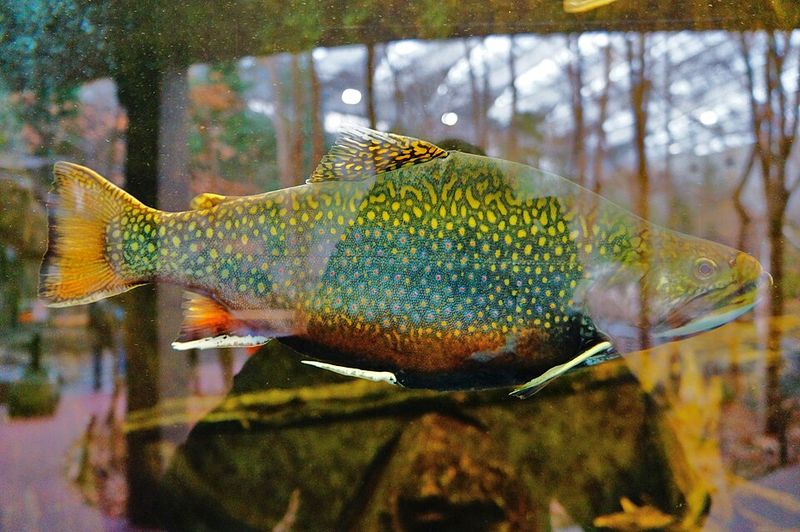
Image Credit: Jiaqian AirplaneFan.
Brook trout bring a quieter kind of antiquity to Maine’s waters. They belong to the char lineage within the salmon family, an old branch of cold-water fish whose history is tied to clean streams, glacial landscapes, and persistent cold.
When you see their marbled backs and bright spots flashing in clear water, you are also seeing evidence that a delicate ancient system is still functioning.
Native brook trout thrive in Maine’s mountain streams, ponds, and lakes where temperatures stay cool and water quality remains high. Because they are so sensitive to warming and habitat damage, their presence often signals some of the most pristine cold-water habitat left in the eastern United States.
I find that especially compelling, since this fish is not just a beautiful survivor from an old lineage, but also a living measure of whether Maine can still protect the kind of wild, clean places ancient species have always needed.