
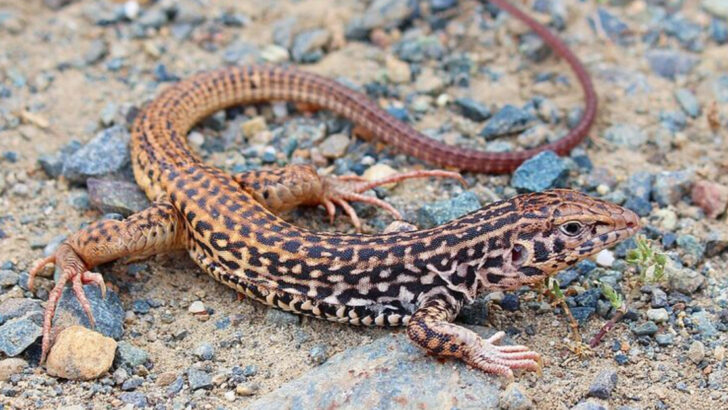
Nevada can feel huge, harsh, and empty until you slow down and notice the small lives tucked into rocks, sage, sand, and storm puddles. Some of the state’s most fascinating animals are also the easiest to overlook, either because they freeze in place, blend perfectly in, or only appear at the right hour.
If you know what to watch for, every trail, wash, and hillside starts feeling alive. Here are 12 tiny Nevada animals that reward patient eyes and curious wandering.
American Pika
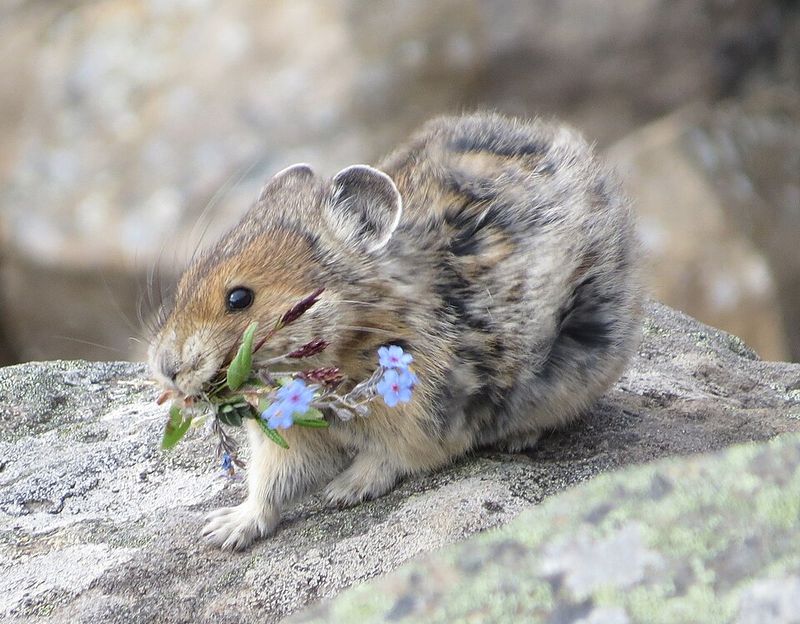
Image Credit: Frédéric Dulude-de Broin.
If you hike high rocky slopes in Nevada, you might hear an unexpected squeak before you ever see the animal making it. The American pika is a tiny rabbit relative with rounded ears, a compact body, and almost no visible tail, yet it somehow feels larger than life once you spot one.
It lives among talus fields, darting between cool crevices where the summer heat cannot linger for long.
What makes this animal especially fun to watch is its nonstop collecting behavior. During warm months, it gathers grasses, wildflowers, and other vegetation into little haypiles, drying them on sunlit rocks before caching them underground for winter.
Since pikas do not hibernate, those carefully built food stores are essential.
You usually need patience, luck, and decent timing because they can vanish into stone in a second. In Nevada, they are often found at high elevations, and their sensitivity to heat makes every sighting feel a little more precious.
Pygmy Rabbit
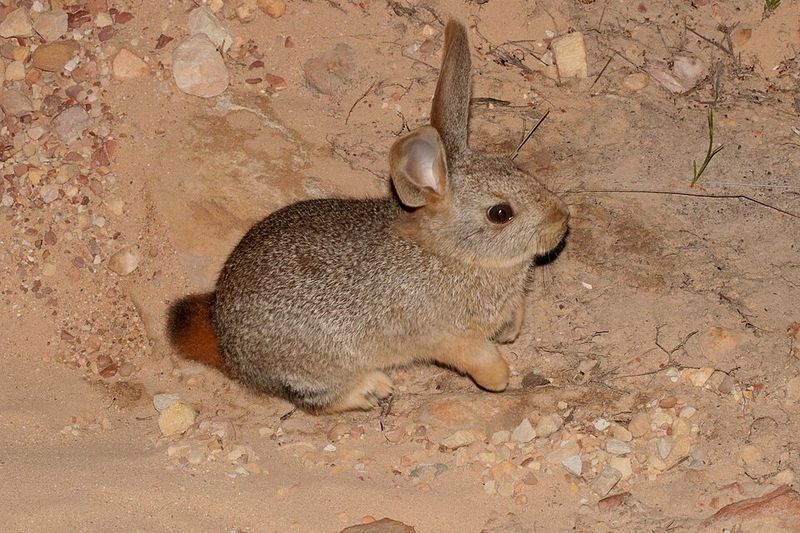
Image Credit: Ryan van Huyssteen.
The pygmy rabbit is the kind of animal you can walk past three times and still never notice. As North America’s smallest rabbit, it measures only about 9 to 12 inches long, and in Nevada it depends heavily on thick sagebrush that breaks up its outline almost completely.
From a distance, it can look like nothing more than a shifting patch of shadow at the base of a shrub.
This little rabbit is more of a sagebrush specialist than a casual browser. It eats sagebrush regularly and uses dense stands for shelter, protection, and escape routes, which means the best place to find it is often the exact place your eyes want to skip over.
Quiet, brushy flats become much more interesting once you know that a rabbit this tiny may be tucked inside them.
If you want any chance of spotting one, slow down and scan low. Early morning or late evening gives you the best odds, especially when subtle movement gives away what camouflage tries to hide.
Merriam’s Kangaroo Rat
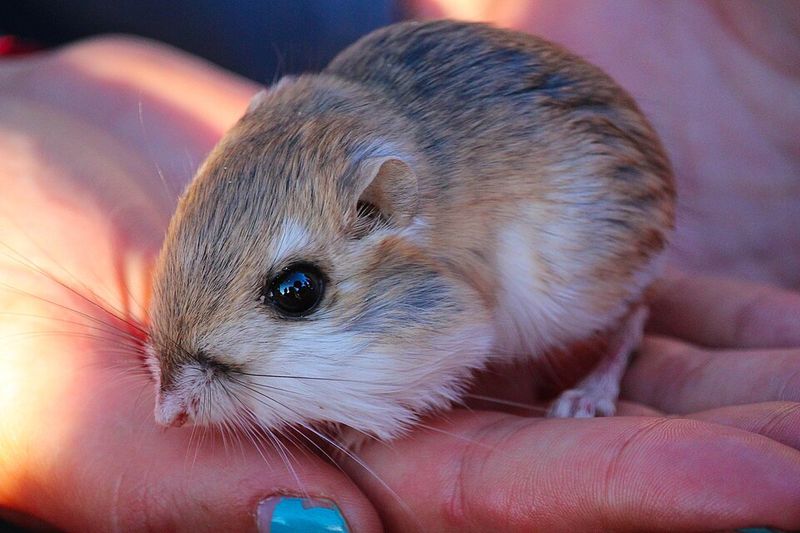
Image Credit: Connor Long.
Merriam’s kangaroo rat looks almost unreal when you finally catch it in motion. Instead of scurrying like a typical rodent, it springs across the desert on oversized hind legs, covering ground with quick, elastic hops that make it feel more like a miniature athlete than a mouse.
In Nevada’s dry country, that speed helps it avoid danger and disappear before your eyes fully lock on.
What really adds to its mystique is how well adapted it is to desert life. This animal rarely drinks standing water and gets nearly all the moisture it needs from the seeds it eats, which sounds impossible until you remember how extreme desert survival can be.
It often forages at night, using darkness as another layer of protection.
You are most likely to miss it because everything about it happens fast. A flick of movement, a tiny set of tracks, and a brief bounce between creosote or open sand may be all the evidence you get that one was there at all.
Desert Pocket Mouse
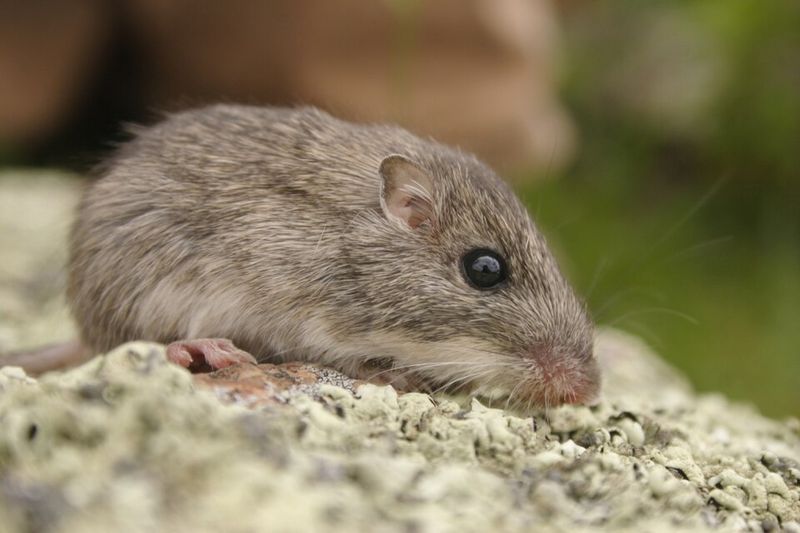
Image Credit: Juan Cruzado Cortés.
The desert pocket mouse is one of those Nevada animals that seems designed to stay unnoticed. It weighs less than an ounce, moves mostly after dark, and can blend so neatly with sandy ground that even a flashlight beam may slide right past it.
If you ever do catch a clear look, the delicate body and alert posture make it feel surprisingly elegant for such a tiny desert resident.
Its name comes from one of its best features, fur-lined cheek pouches used to carry seeds back to underground burrows. That means a small patch of open desert becomes a busy pantry run once the sun goes down, though most of the action happens quietly and fast.
The mouse collects food with remarkable efficiency, then vanishes beneath the surface again.
What makes it easy to miss is not just size but timing. While many people experience Nevada’s deserts in broad daylight, this little forager waits for cooler darkness, when subtle life begins moving across ground that seemed empty just hours earlier.
Western Harvest Mouse
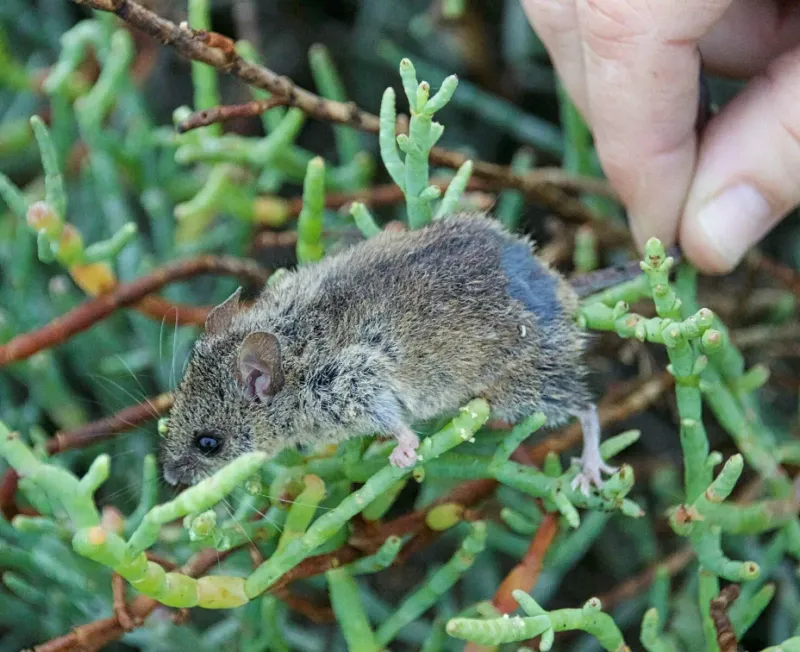
Image Credit: Pacific Southwest Region USFWS from Sacramento, US
The western harvest mouse is so small that it can make a blade of grass look oversized. In Nevada, this tiny rodent slips through grassy fields, marsh edges, and brushy habitats with a kind of quiet confidence, feeding on seeds and insects while staying mostly out of view.
Because it often weighs less than half an ounce, even a brief sighting can feel almost accidental.
I think this is one of the easiest mammals to underestimate because people expect movement to be obvious. Instead, the harvest mouse works low and light, threading through stems and ground cover where color, texture, and shadow all help hide it.
Its soft brown tones blend especially well in dry grass, making your eyes work harder than you might expect.
If you want a chance to notice one, pay attention to places where vegetation looks still but not quite empty. The tiniest rustle at the base of a marsh plant or brush patch can reveal an animal that has been there all along, just operating below your usual line of attention.
Desert Horned Lizard
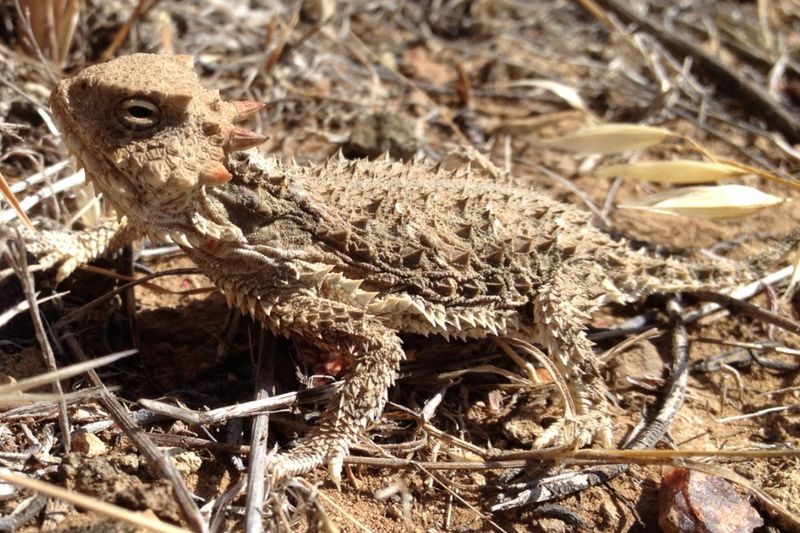
The desert horned lizard is one of Nevada’s best masters of disappearing in plain sight. Often called a horned toad, even though it is actually a lizard, this small reptile can match sandy soils so well that you may only notice it when it moves, and sometimes not even then.
Its flattened body, subtle coloring, and stillness do most of the work.
Once you find one, the details are fantastic. The short horns, textured scales, and compact shape give it an almost prehistoric look, which feels especially dramatic considering how small it is.
Much of its diet centers on ants, so it often hangs around places where tiny prey is abundant and patient ambush is more useful than chasing.
The trick with this animal is to stop scanning for a classic lizard outline. Instead, look for a slight bump in the sand, a tiny shadow with edges that seem too symmetrical, or a blink of movement near ant activity.
Nevada’s desert floor hides more life than it first admits.
Black-Tailed Jackrabbit
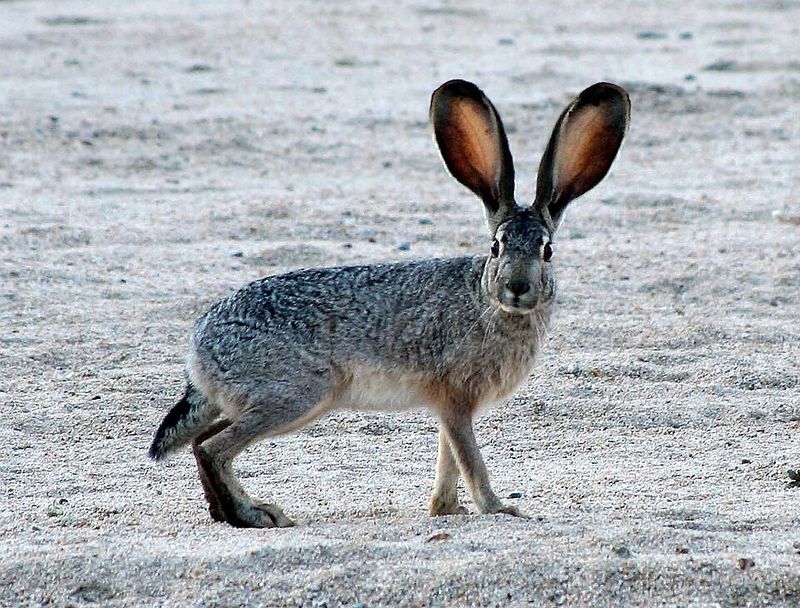
Image Credit: Jim Harper.
Adult black-tailed jackrabbits are hard to miss, but their young tell a very different story. Tiny leverets can vanish into Nevada’s grasses, scrub, and open desert edges so completely that you could step near one without realizing it is there.
Their camouflage is excellent, and their best defense is often to remain perfectly still.
That motionless response is exactly what makes them so easy to overlook. Instead of bolting at the first hint of danger, young jackrabbits rely on patterned fur and low posture to break up their shape against the ground.
When the light is patchy and the vegetation sparse, they become almost indistinguishable from the landscape around them.
If you ever notice one, the most respectful thing you can do is keep your distance and let it stay hidden. These babies are not abandoned just because they are alone and quiet.
In Nevada, they are part of that surprising category of animals that remind you small does not always mean rare, only incredibly well concealed.
Great Basin Collared Lizard
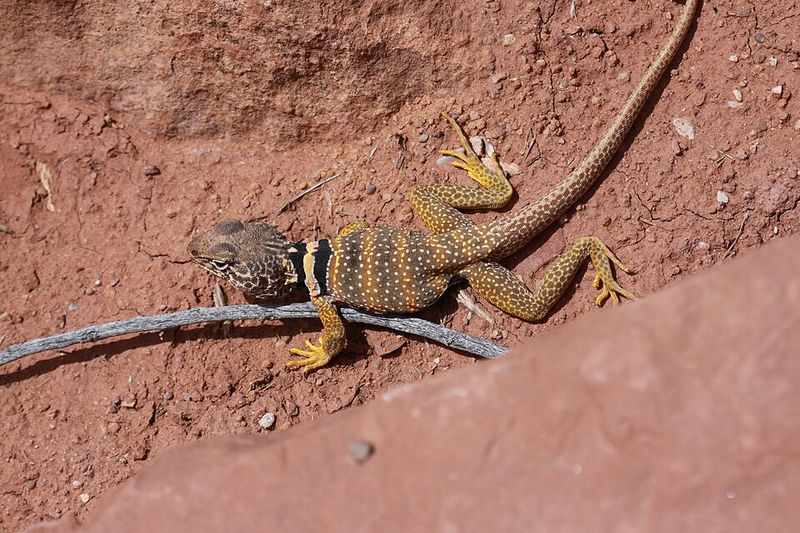
Image Credit: Andrey Zharkikh.
The Great Basin collared lizard is flashy as an adult, but juveniles are much easier to miss than you might think. When young, they are smaller, less obvious, and surprisingly good at blending into rocky Nevada landscapes where color shifts between tan, gray, rust, and shadow.
A quick juvenile can turn one stone pile into a visual guessing game.
These lizards are agile hunters, built for sharp bursts of movement and sudden direction changes. They feed on insects and sometimes other small reptiles, which means they are not just basking ornaments but active predators in miniature.
If you glimpse one pausing on a warm rock, you can often see that alert, ready-to-sprint posture before it vanishes again.
The easiest way to miss this species is by expecting bright color to give it away every time. In reality, the youngest animals often let the terrain do the hiding for them.
On a Nevada trail, what first looks like a harmless pebble may suddenly develop legs and race off the instant you notice it.
Western Whiptail
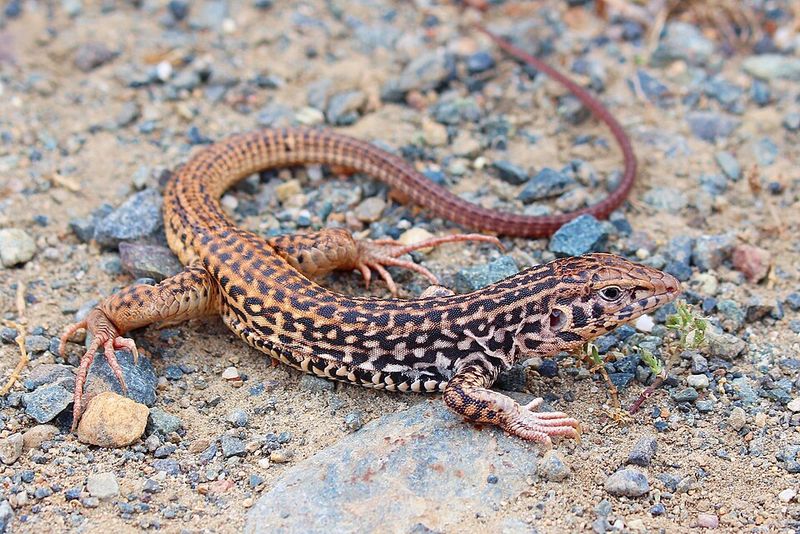
Image Credit: Connor Long.
The western whiptail is the kind of lizard that tests your reflexes and your eyesight at the same time. Slender, striped, and extremely fast, it darts over Nevada’s desert floor with such urgency that you often register movement before you register an animal.
By the time your brain catches up, it may already be under a shrub or behind a stone.
Its long tail and narrow body give it a sleek look, but the real advantage comes from speed and restlessness. This lizard actively searches for insects and spiders, weaving through open ground and low cover instead of waiting around to be noticed.
The stripes can also break up its outline in motion, making it surprisingly hard to track once it starts running.
If you want to spot one well, look ahead of where you are walking rather than directly at your feet. A western whiptail often reveals itself as a quick line of movement at the edge of vision, which feels fitting for an animal that seems built to turn Nevada’s dry expanses into its personal racetrack.
Cactus Wren
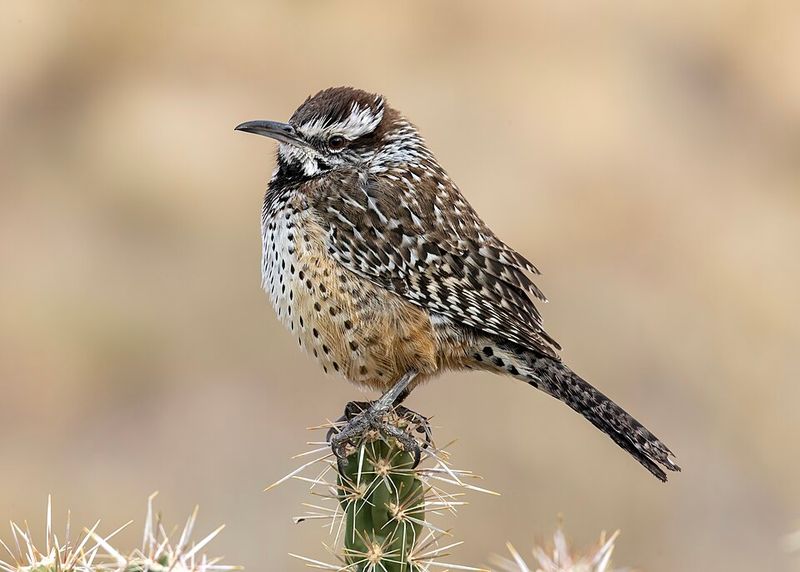
Image Credit: Polinova.
The cactus wren may be Nevada’s largest wren, but that does not make it easy to see. In thorny shrubs, cholla, and tangled desert plants, this small bird can melt into the texture of its surroundings while staying just active enough to keep you guessing.
More often than not, you hear the harsh chattering first and then start searching for the source.
Its streaked brown plumage is perfect for disappearing among dry stems, spines, and broken light. Even when perched in plain sight, the bird can look like part of the plant unless it flicks its tail, hops to a new branch, or calls again.
That voice becomes your best clue, turning otherwise quiet scrub into a map of hidden activity.
I like that this species teaches you to bird by sound before sight. In Nevada, following the noise into a cactus patch or brushy wash often rewards you with a brief but memorable look at a bird that seems to know exactly how much of itself to reveal and how much to keep concealed.
Pallid Bat
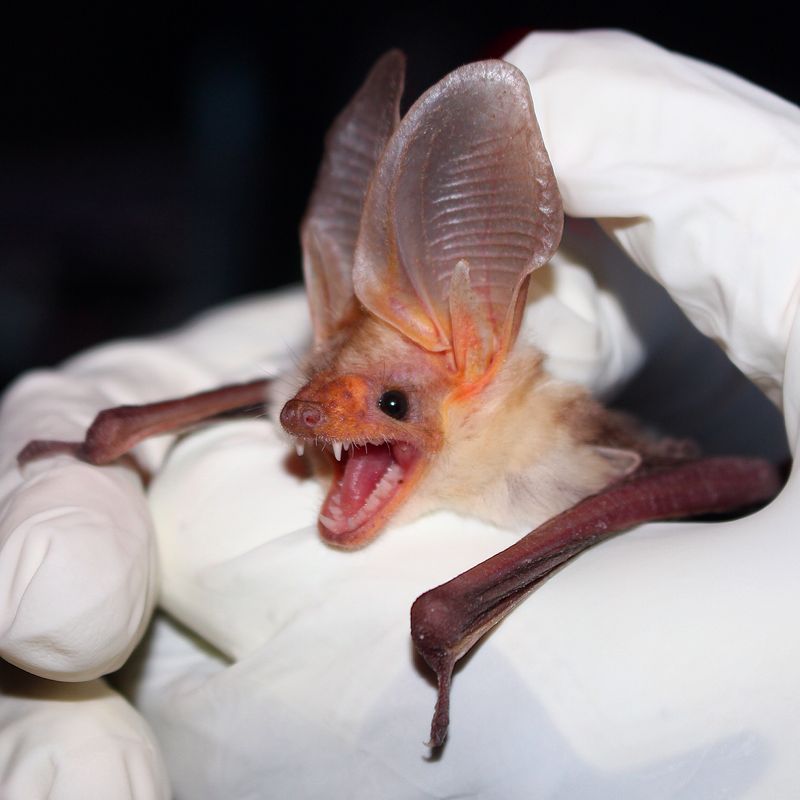
Image Credit: Connor Long.
The pallid bat is easy to miss for the simple reason that most of its best work happens while you are barely seeing anything at all. On warm Nevada nights, it glides quietly through desert air, hunting insects, scorpions, and even small centipedes with a calm precision that feels almost ghostlike.
With a wingspan around 15 inches, it is not large, yet it carries itself with impressive control.
Unlike the dramatic silhouette people often imagine with bats, this species can pass overhead without much sound or obvious motion. Its pale coloring, broad wings, and large ears are easier to appreciate in photographs than in real time, especially when dusk is sliding into darkness.
That makes every confirmed sighting feel a little special.
If you are outside near rocky desert, cliffs, or open spaces after sunset, there is a decent chance a pallid bat is already working the area. The challenge is noticing it before it disappears into the night again, leaving only the feeling that Nevada’s darkness is far busier than it first seems.
Great Basin Spadefoot
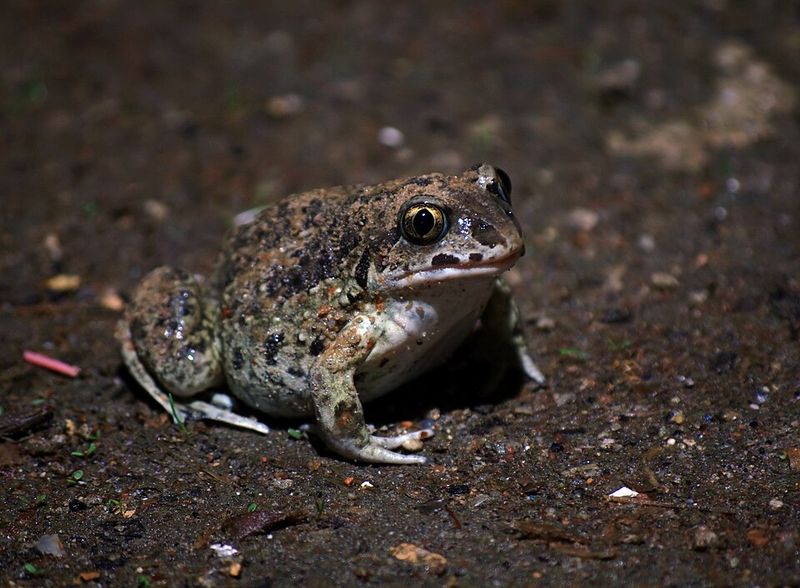
Image Credit: -ani-.
The Great Basin spadefoot lives much of its life hidden underground, which already makes it one of Nevada’s easiest animals to miss. For long dry stretches, it stays buried to escape heat and dehydration, waiting out conditions that would challenge many other amphibians.
Then, after heavy rains, it suddenly appears as if the desert produced it overnight.
This small amphibian breeds in temporary pools, using short windows of water with impressive urgency. That means your best chance to notice one often comes after storms, when shallow basins, puddled roadsides, and brief wetlands become unexpectedly lively.
Its mottled coloring still helps it blend with wet soil, so even then, you may hear activity before spotting the body.
What I love about the spadefoot is how perfectly it matches Nevada’s rhythm of scarcity and surprise. One week, the ground seems silent and empty.
After rain, tiny lives emerge, call, breed, and vanish again, reminding you that some wildlife is not absent at all, just waiting for the exact right moment.