
Oregon is full of animals living in a soundscape most people never notice. Beneath snow, inside caves, and across dark forests, these creatures catch whispers, squeaks, clicks, and wingbeats far beyond human ability.
Some hunt by sound alone, while others survive because they hear danger before it arrives. Once you know what their ears can do, the state feels a whole lot wilder.
Great Gray Owl
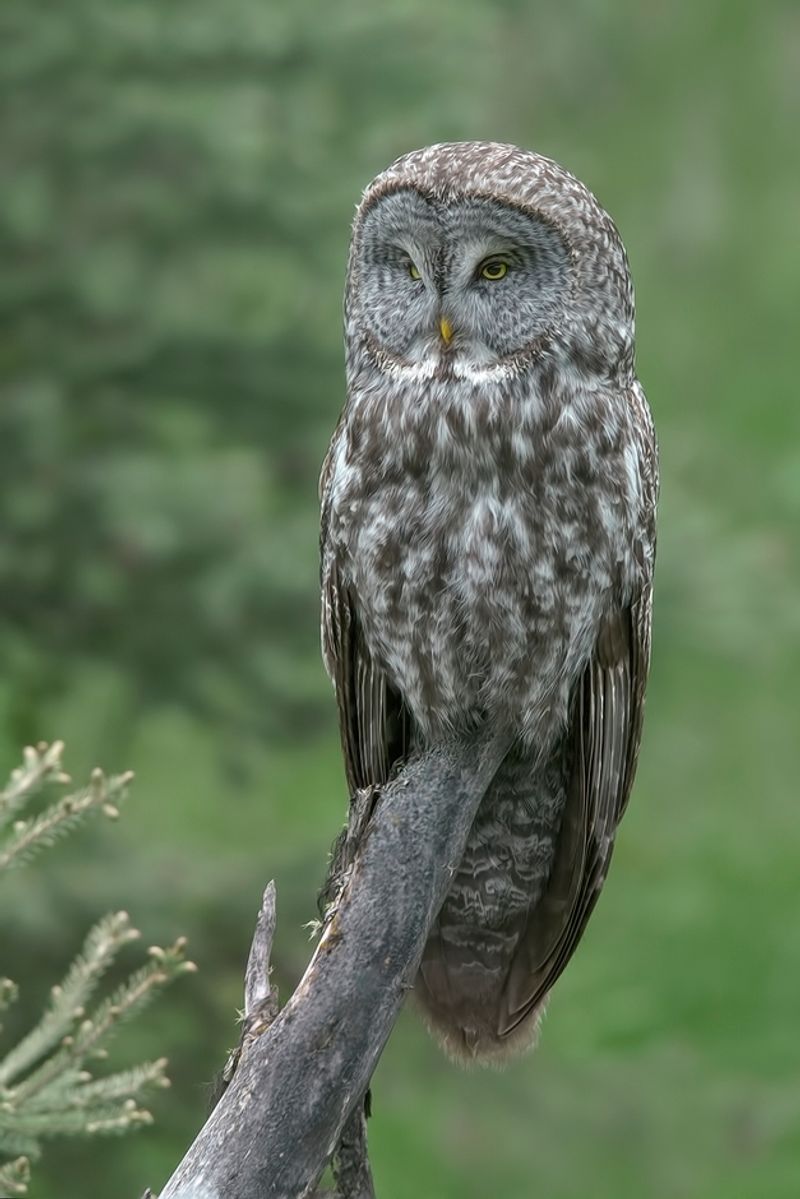
Image Credit: Alan D. Wilson.
If you want proof that Oregon can sound magical, the great gray owl might be the best example. This towering owl hunts in high elevation forests and meadows, especially around the Cascades and other mountain ranges where snow can bury prey completely.
What amazes me is that it does not need a visual clue at all to strike with confidence.
Its broad facial disc works like a living sound funnel, gathering tiny noises and directing them toward ear openings positioned to judge location with eerie precision. That means a vole shifting under more than a foot of snow can still give itself away.
To you, the meadow might feel silent, but to this owl it is practically broadcasting dinner.
Then comes the plunge, sudden and exact, straight through powder and crust. In Oregon winters, that hearing advantage can mean the difference between wasting energy and eating well.
Few predators make the invisible seem so easy.
Barn Owl
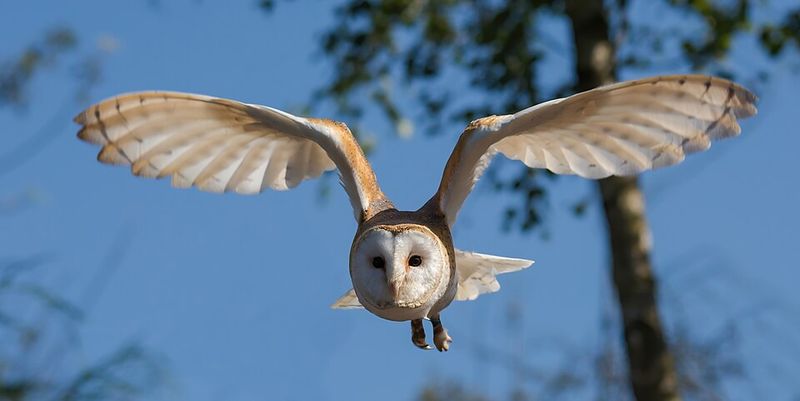
Image Credit: Dannymoore1973.
The barn owl feels almost supernatural when you think about how it hunts across Oregon farmland and open country. On a dark night, when your own senses would be nearly useless, this owl can lock onto a rustling mouse with stunning accuracy.
It is one of those animals that makes silence seem full instead of empty.
Its famous heart-shaped face is more than beautiful – it acts like a parabolic dish that gathers faint sounds and sends them where they need to go. Add asymmetrical ear placement, and the owl can triangulate prey in complete darkness with remarkable precision.
I love that its hunting style depends less on dramatic speed and more on patient, microscopic listening.
That means a vole hidden in grass can still be found without a single visible movement. In Oregon’s agricultural landscapes, this skill makes barn owls incredibly effective nighttime hunters.
They are basically flying proof that sound can be sharper than sight.
Townsend’s Big-eared Bat
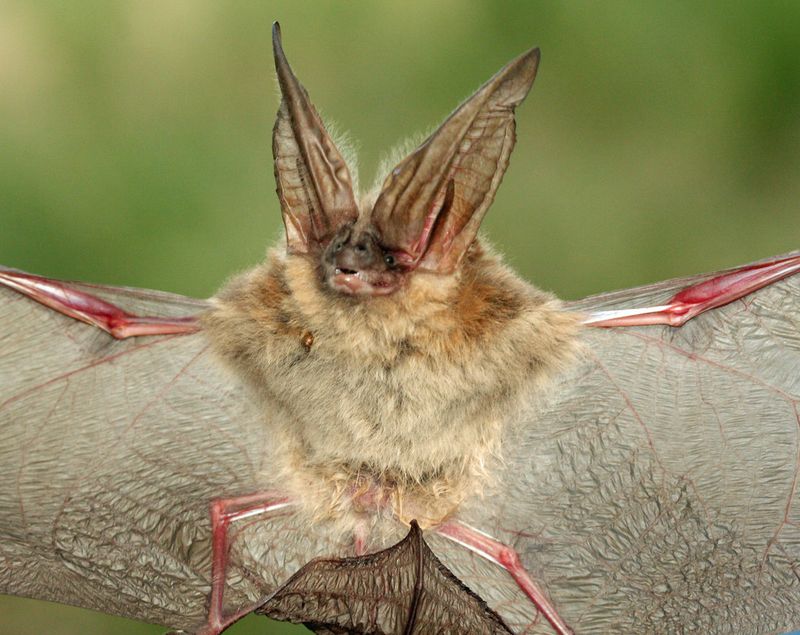
Image Credit: J. N.
Townsend’s big-eared bat looks like it was designed by someone who took the hearing assignment very seriously. Found in Oregon caves, mines, and quiet structures, this bat carries ears so large they can look almost oversized for the rest of its body.
The result is an animal tuned for darkness in ways people can barely imagine.
It uses ultrasonic echolocation calls far above human hearing, sending pulses into black space and reading the returning echoes like a moving map. Those giant ears also help it pick up faint environmental sounds, including insect wingbeats and tiny shifts in air around obstacles.
When you picture a cave as silent, this bat reminds you it is actually full of information.
That matters because it often hunts where vision has little value and every mistake costs energy. In Oregon roosts, its hearing lets it navigate tight spaces and locate prey with elegant efficiency.
It is less a flier in darkness than a listener drawing the world in midair.
Little Brown Bat
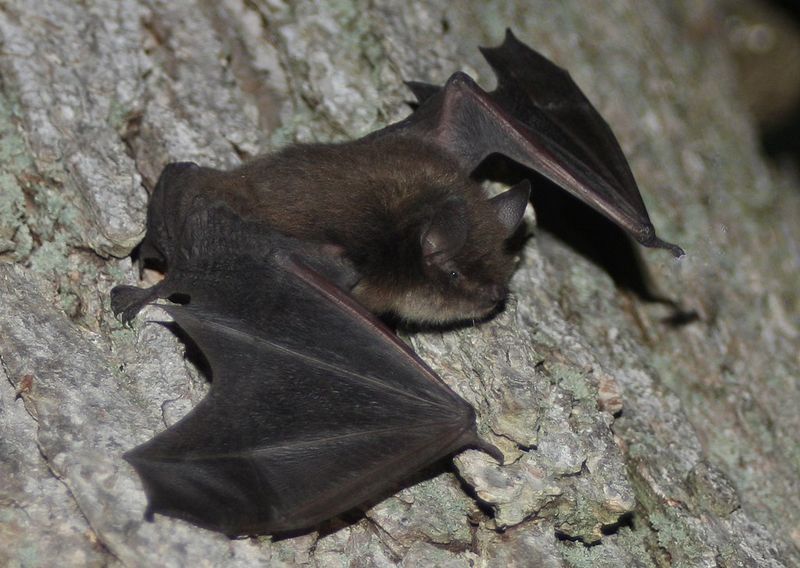
Image Credit: J. N.
The little brown bat may be common in Oregon, but its hearing is anything but ordinary. This small bat flies through twilight and full darkness using ultrasonic echolocation calls that soar well beyond the range of human ears.
If you have ever stood near a pond at dusk and thought the bats were just darting randomly, they absolutely were not.
Each call bounces off trees, water, insects, and open space, then returns as a flood of acoustic detail. The bat processes those echoes fast enough to dodge obstacles and snatch flying insects out of the air with astonishing precision.
To me, that is one of nature’s coolest reminders that an invisible world exists right above our heads every summer evening.
Because Oregon offers rivers, lakes, forests, and towns, this species thrives in varied habitats where hearing guides nearly every movement. Mosquitoes and moths do not stand much chance.
The little brown bat survives by turning sound into a live-action map of dinner.
Red Fox
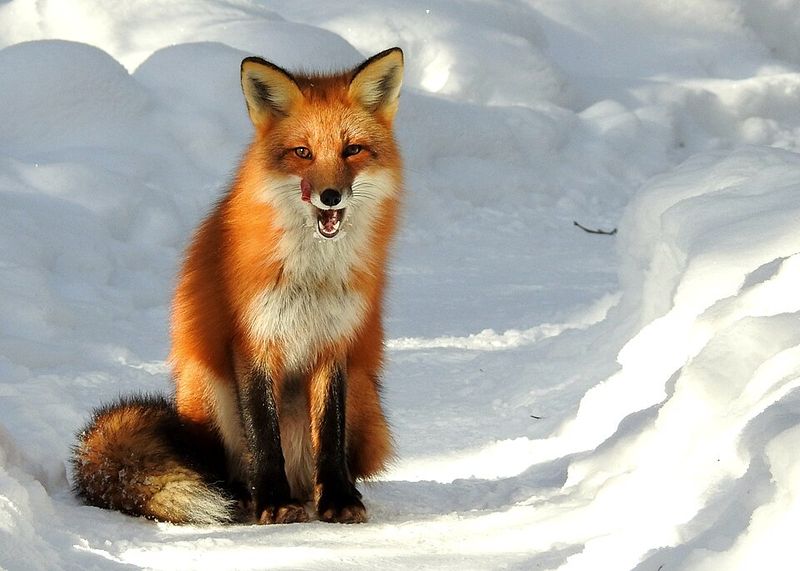
Image Credit: Joanne Redwood.
The red fox is one of those Oregon animals that makes hunting look almost playful, right until you realize how technical it really is. You might notice the dramatic leap first, but the true star is its hearing.
Before that pounce happens, the fox has already picked up faint rustling or squeaking from prey hidden underground or under snow.
That means voles and other small animals can betray themselves without ever showing a whisker. The fox listens, adjusts, and then launches straight up before dropping down with uncanny accuracy.
I find that style especially impressive because it depends on trusting sound more than sight, almost like solving a puzzle with one perfect clue.
Across Oregon meadows, farmland, and mountain openings, that sensitivity gives red foxes a strong advantage in cold weather and dense cover. To us, a snowy field can feel still and blank.
To a fox, it is alive with tiny noises pointing toward the next meal.
Gray Wolf
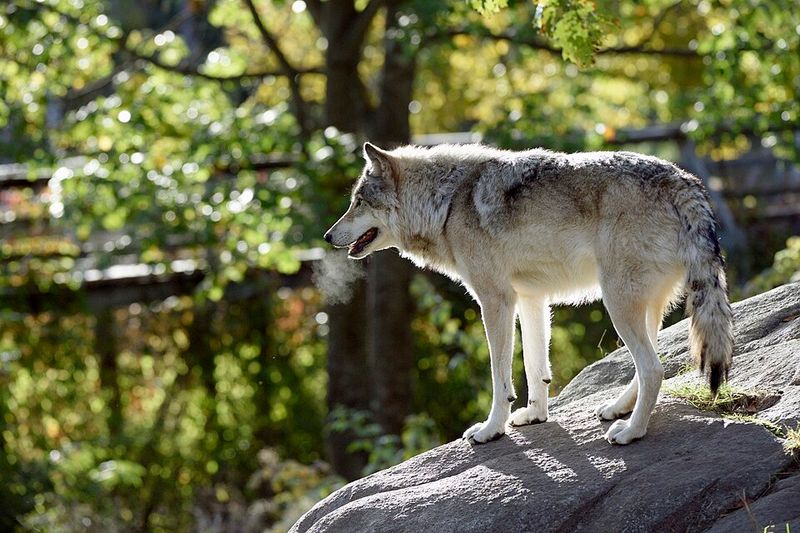
Image Credit: Bert de Tilly.
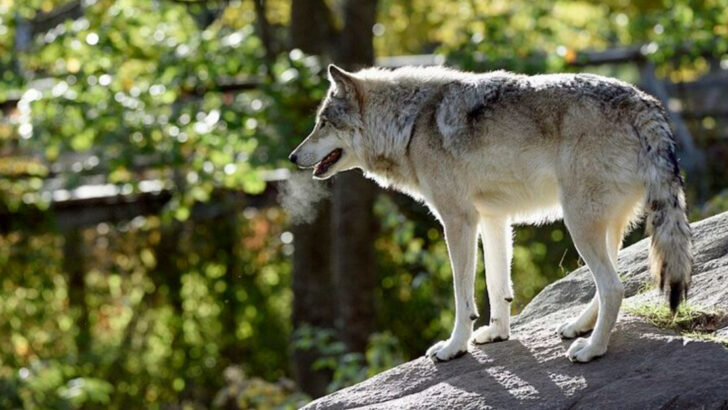
Gray wolves bring a larger, wilder scale to Oregon’s story of extraordinary hearing. Reestablished in parts of northeastern Oregon, they roam broad territories where communication and awareness have to work across serious distance.
That is where their ears become as important as their legs.
Under the right conditions, wolves can detect sounds from miles away, including the howls of other pack members. That long-range hearing helps them maintain contact, coordinate movement, and stay connected across rugged country filled with ridges, forests, and open ground.
What stands out to me is how their hearing is not just about hunting, but about social survival in a landscape too big for constant visual contact.
Imagine catching a distant howl that sounds like nothing to a human listener, then understanding exactly where your companions are. In Oregon’s remote terrain, that matters.
A wolf pack depends on sound to remain a functioning unit, and those far-carrying voices become threads holding the group together.
Roosevelt Elk
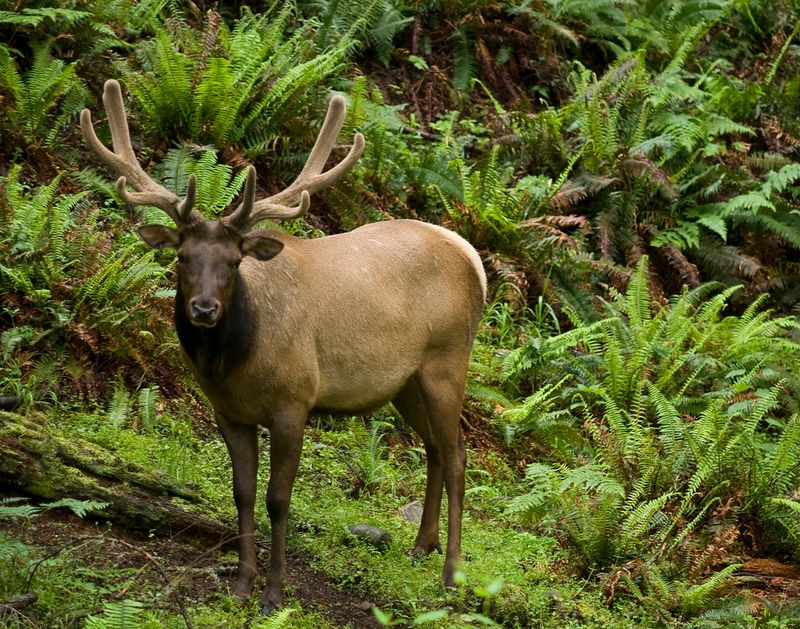
Image Credit: canopic.
Roosevelt elk may not seem exotic at first glance, but their hearing is incredibly refined for life in western Oregon’s thick forests. In old growth habitat, visibility can be limited by trunks, brush, and shadow, so waiting to see danger would be a bad strategy.
These elk solve that problem with large ears that can rotate independently and constantly monitor the woods.
One ear can swivel toward a twig snap while the other tracks a second sound somewhere deeper in the timber. That lets the animal gather information without making the obvious head movement that might reveal alarm.
I like thinking of it as a built-in early warning system, quietly scanning the forest long before anything steps into view.
This matters whether the threat is a predator, a rival, or an unexpected human presence moving through cover. In Oregon’s Coast Range and Cascade forests, subtle sound often arrives first.
Roosevelt elk survive partly because they listen to the woods with a level of attention most people never bring to a hike.
Mule Deer
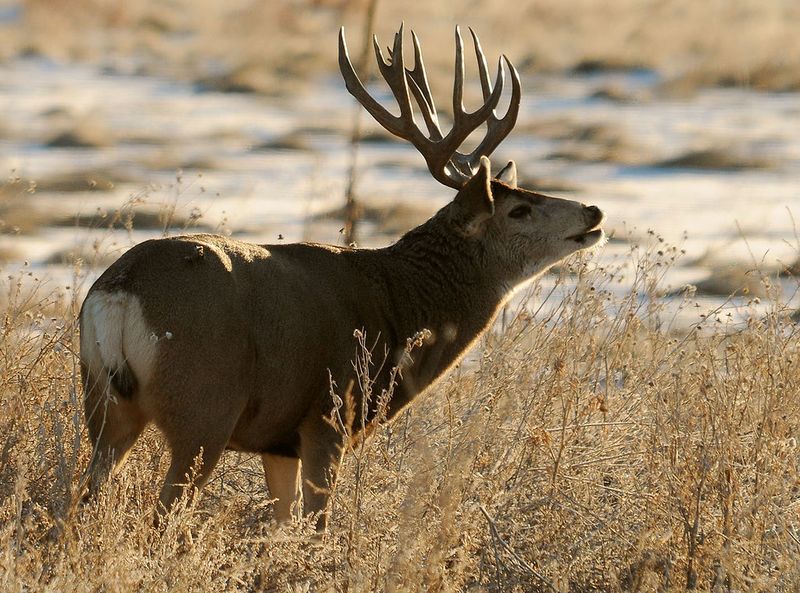
Image Credit: Rich Keen.
Mule deer wear their hearing advantage in plain sight, because those oversized ears are impossible to ignore. Across eastern and central Oregon, they live in open country, brushy slopes, woodlands, and rough terrain where danger can come from several directions at once.
Their ears can rotate independently, which means they are always running a quiet surveillance system.
One moment they may be feeding calmly, and the next those ears swivel like paired radar dishes toward separate sounds. That helps them detect the faint approach of a cougar, coyote, or human before visual contact happens.
What fascinates me is how much information they can gather while still appearing almost motionless from a distance.
In places where wind, grass, and broken ground create constant background noise, picking out the important sound is a survival skill. Oregon’s mule deer do it exceptionally well.
If you have ever surprised one and wondered how it vanished so fast, there is a good chance it heard you long before you noticed it.
Mountain Lion (Cougar)
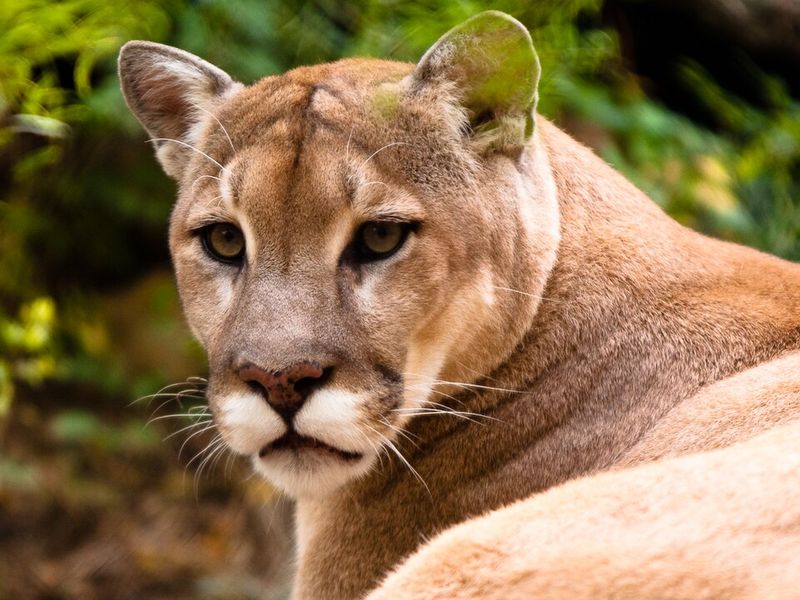
Image Credit: Malcolm.
The mountain lion, or cougar, turns Oregon’s rugged landscapes into a stage for quiet, patient listening. In dense brush, broken canyons, and shadowed forest edges, sight alone is not enough to locate prey consistently.
That is why a cougar’s acute hearing is such a powerful hunting tool.
It can pick up subtle clues like hoofbeats, shifting rocks, or the soft movement of an animal passing through cover. Those sounds help it track deer and other prey even when vegetation blocks a clear view.
To me, the unsettling part is how much a cougar may know about the scene before anything else there realizes a predator is nearby.
Good hearing also supports the cat’s signature stealth, because precise information means less unnecessary movement and fewer mistakes. In Oregon, where cougars occupy varied habitats from mountains to thick timber, that sensory edge matters everywhere.
The animal’s silence gets most of the attention, but the real story often starts with what it hears first in the brush.
Coyote
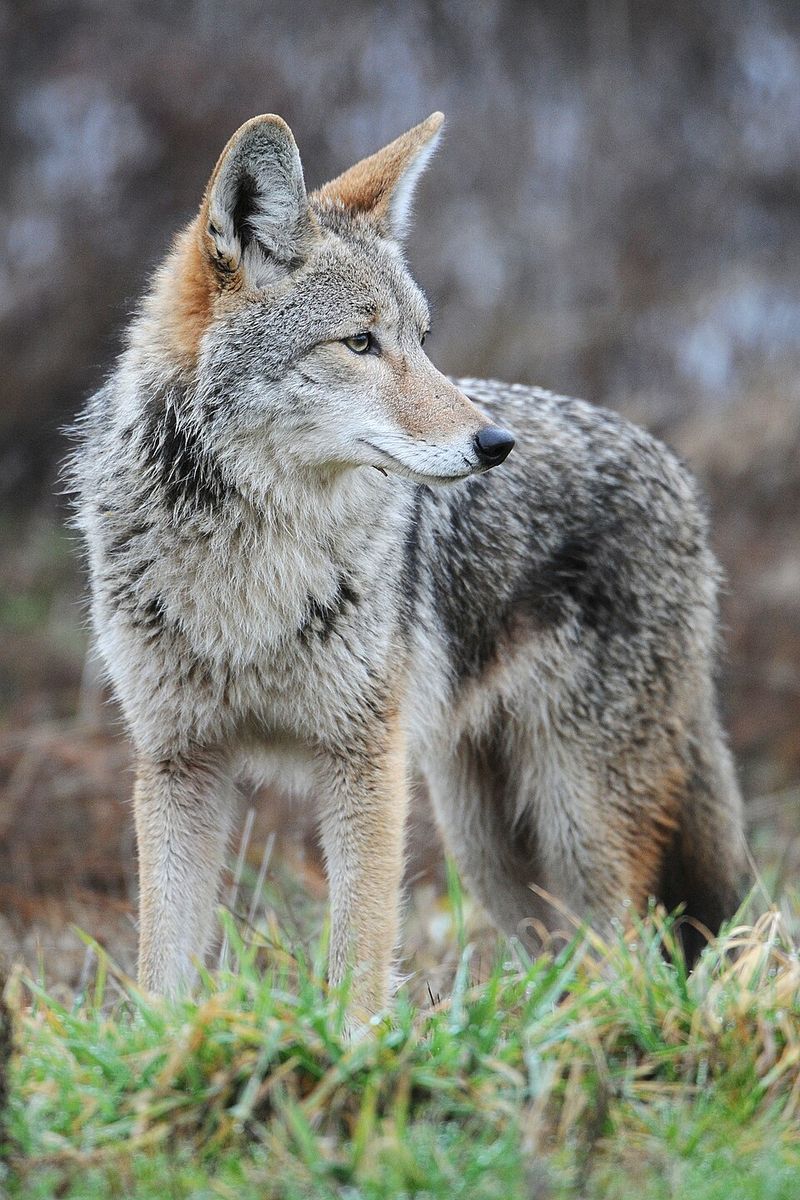
Image Credit: Rebecca Richardson (Red~Star).
Coyotes are so adaptable in Oregon that it is easy to overlook just how specialized they can be. One of their best tricks is hearing small prey that humans would never notice, including the ultrasonic squeaks of mice and voles under grass or snow.
That turns an ordinary field into an acoustic map full of edible targets.
Their large upright ears do more than look sharp in silhouette – they can rotate to track multiple sounds at once. A coyote can pause, listen, and suddenly commit to that famous pouncing strike with surprising accuracy.
I always think that moment says everything about the animal: relaxed one second, intensely tuned in the next.
This hearing advantage helps coyotes thrive in deserts, farmland, forests, suburbs, and snowy open country across the state. They are generalists, but their ears are anything but generic.
In a world crowded with faint noises, the coyote knows exactly which ones matter and how to turn them into opportunity.
Tiger Moth
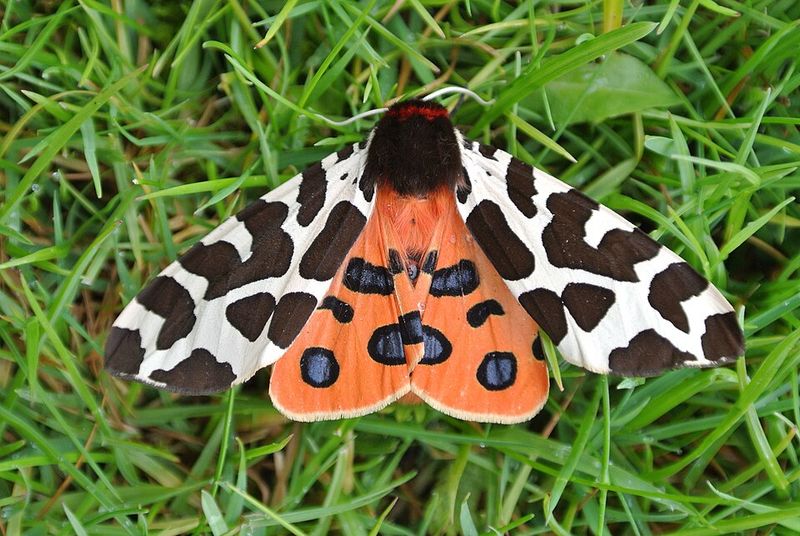
Image Credit: Temple of Mara.
The tiger moth might be the strangest entry here, which is exactly why I love it. Several species in Oregon have ears on their thorax that detect ultrasonic bat calls, meaning they can hear frequencies completely beyond human perception.
For such a small insect, that is an extraordinary survival upgrade.
When a hunting bat starts echolocating nearby, the moth can register that danger almost instantly and react before becoming a snack. Some species go even further by producing their own ultrasonic clicks.
Those clicks may warn bats that the moth is toxic, or in certain cases even interfere with the bat’s echolocation enough to create a brief acoustic shield.
That means this is not just an insect hearing something we cannot – it is part of a live nighttime sound battle happening over Oregon fields and forests. Once you know that, every summer moth suddenly seems more dramatic.
The tiger moth survives by listening to an enemy’s secret language and sometimes answering back.