
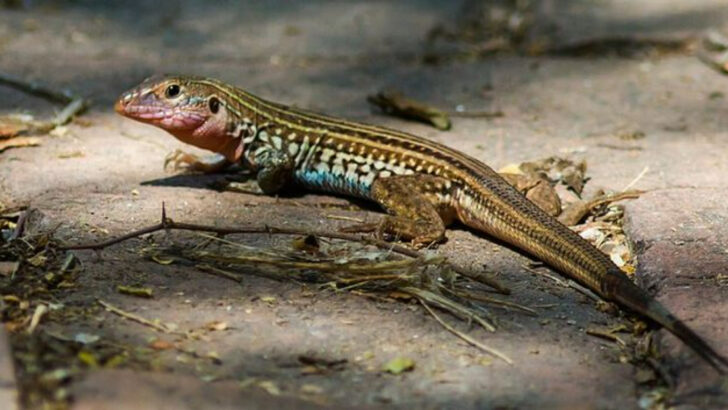
Texas does not do subtle, and neither do its animals with dramatic tails. From brush-country cats to birds that seem designed by a prankster, these creatures turn a simple body part into something unforgettable.
You will spot tails used for balance, signaling, hunting, and pure visual flair across deserts, plains, suburbs, and thornscrub. If you want a wilder way to look at Texas, start from the tail end.
Ocelot
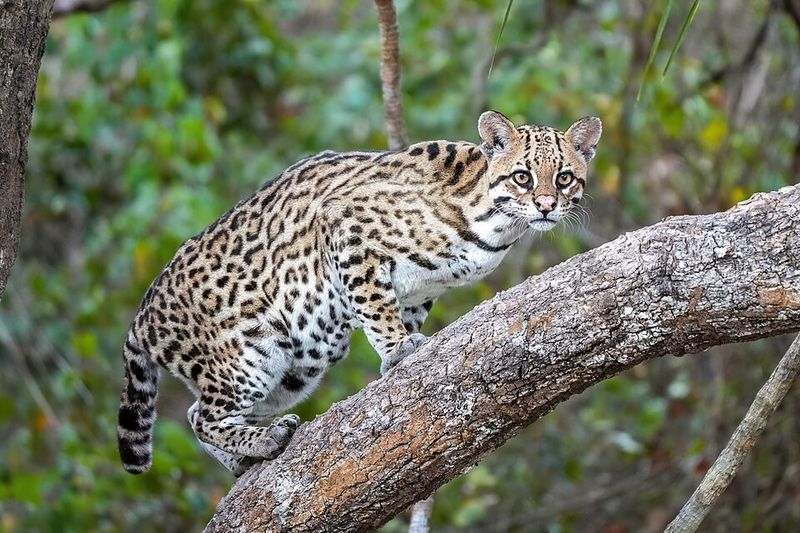
Image Credit: Giles Laurent.
If you ever wanted proof that Texas can still surprise you, the ocelot is it. This rare wild cat slips through the thorny cover of the Lower Rio Grande Valley with a spotted coat and a long tail marked by dark bands.
That tail helps with balance as it moves through dense brush, almost like a tightrope artist working low to the ground.
Seeing one in Texas is incredibly uncommon, which only adds to its mystique. I think that long, patterned tail gives the ocelot an extra layer of elegance, like nature knew this cat needed a dramatic finishing touch.
Nine-banded Armadillo
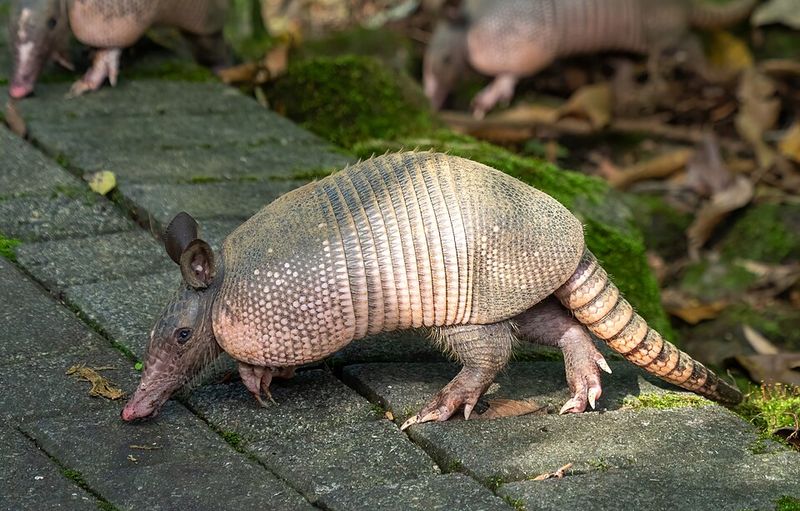
Image Credit: Rhododendrites.
The nine-banded armadillo looks like it rolled out of a prehistoric sketchbook and decided Texas was home. Its long, tapering tail is wrapped in bony rings, giving it the same armored attitude as the rest of its body.
When you see one waddling across a roadside or yard at dusk, that tail adds a strange kind of balance to its already unforgettable silhouette.
It is one of those animals that feels both ordinary and bizarre at the same time. I love how the tail looks practical, protective, and just a little ridiculous, which makes the armadillo peak Texas weird.
Ringtail
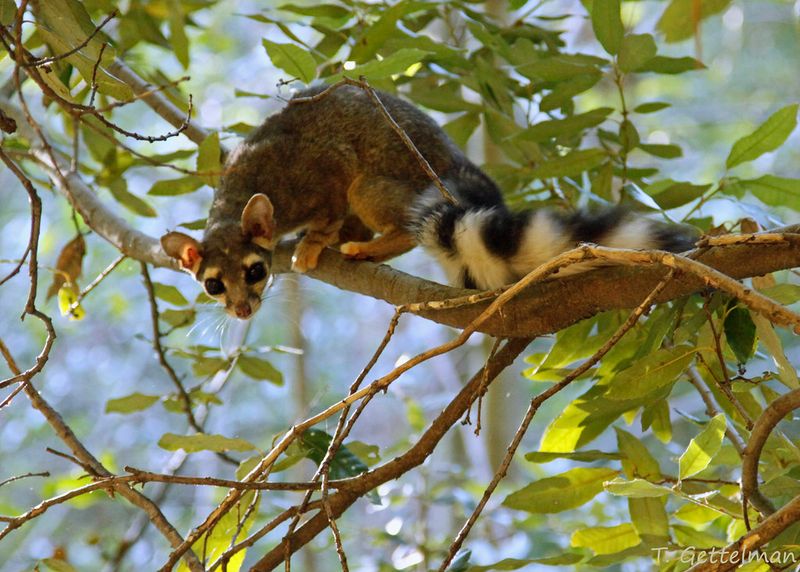
Image Credit: Tatiana Gettelman
The ringtail might be the most stylish night creature in Texas, and that is saying plenty. Its tail is bushy, bold, and wrapped in crisp black and white rings that look almost hand-painted.
Nearly as long as the rest of its body, it helps the animal balance while climbing rocky ledges, trees, and hidden corners of rough country.
Even the name sounds like it belongs to a folk tale, not a real mammal. If you caught a glimpse of that striped tail disappearing into the dark, you would probably spend the rest of the week talking about it to anyone who would listen.
Texas Rat Snake
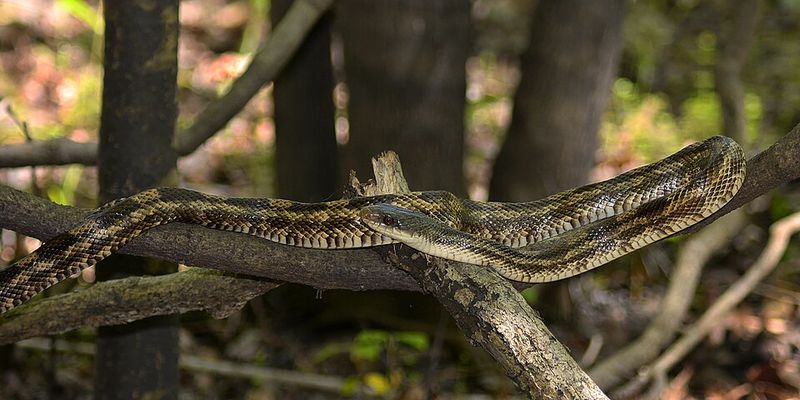
Image Credit: Wilafa.
The Texas rat snake is long, lean, and not remotely interested in looking cute for anybody. Its body can stretch impressively, and the tail forms a serious part of that length, helping it climb trees and move with surprising agility.
In East Texas woods, barns, and brushy places, it brings a kind of understated drama that sneaks up on you.
I know snakes are not everyone’s favorite, but this one earns respect for pure athletic design. The tail is not flashy like a bird’s or furry like a mammal’s, yet it gives the snake that endless, elastic look that makes you do a double take.
Long-tailed Weasel
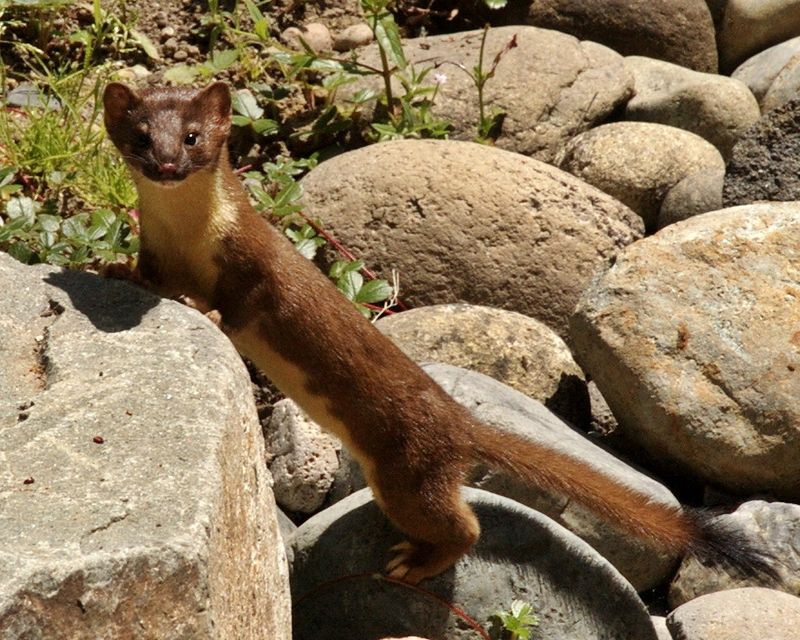
Image Credit: Keith and Kasia.
The long-tailed weasel looks like a tiny streak of mischief with legs. Its body is slim, quick, and built for hunting, while the long tail ends in a distinct black tip that makes the whole animal look even sharper.
Across much of Texas, it darts through grass, brush, and rocky cover with the kind of energy that makes stillness seem impossible.
This is one of those animals you could easily miss unless it decides to flash by at exactly the wrong moment for your attention span. That tail gives it style, balance, and a signature detail you remember long after it vanishes.
Greater Roadrunner
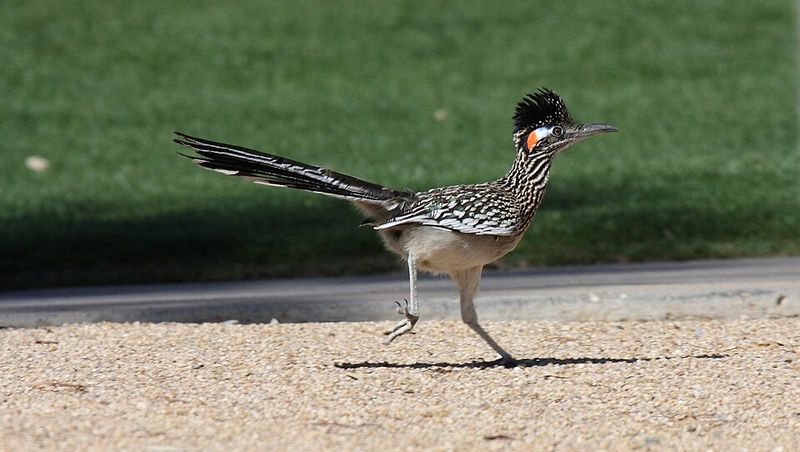
Image Credit: Dominic Sherony.
The greater roadrunner is proof that a bird can look fast even when standing still. Its long tail trails behind like a built-in stabilizer, helping it balance during those sudden sprints across open ground.
Found all over Texas, it turns scrubland and roadside habitats into its own stage, usually with a look that says it has somewhere more important to be.
You probably know the cartoon version, but the real bird is even better. I love how the tail works like punctuation, finishing off the roadrunner’s lean shape with a dramatic line that makes every movement look intentional and slightly theatrical.
Texas Spotted Whiptail
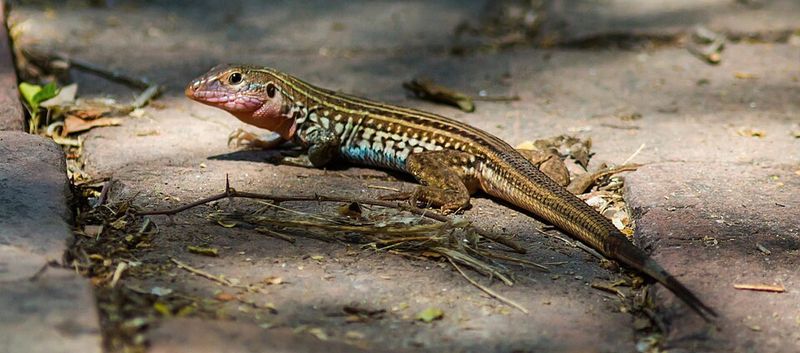
Image Credit: cricketsblog.
The Texas spotted whiptail looks like it was assembled around its tail first and everything else second. This slim, quick lizard has a tail that can be close to three times its body length, giving it an almost exaggerated, whip-like profile.
In south-central and southwestern Texas, it zips over rocks and open ground with a speed that makes the tail feel like a motion effect.
There is something wonderfully overdesigned about it, and I mean that as a compliment. If you enjoy animals that seem a little improbable, this lizard absolutely delivers, especially when that long tail catches the light and steals the whole scene.
Scissor-tailed Flycatcher
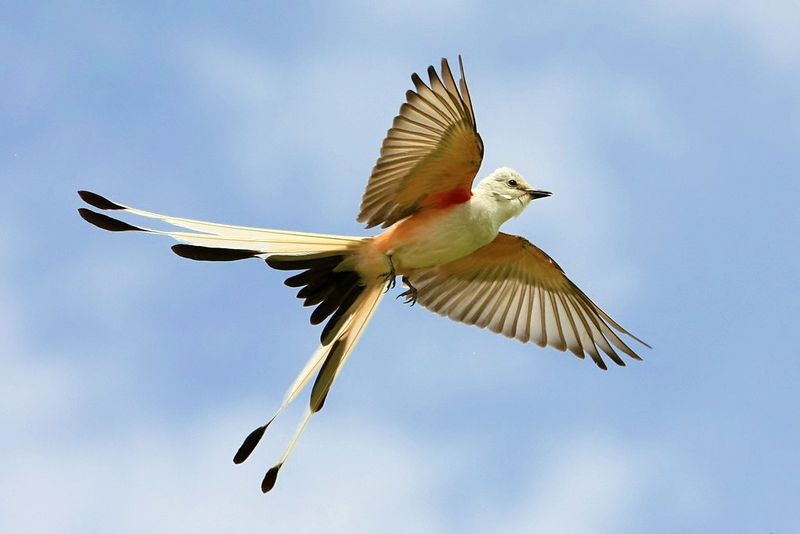
Image Credit: Bob Jones Park.
The scissor-tailed flycatcher does not merely have a long tail, it has a performance piece. Its deeply forked tail streams behind it in black and white ribbons, often making up more than half its total length.
Across Texas skies and fence lines, that shape turns an already graceful bird into something that feels almost hand-drawn.
When it swoops after insects, the tail seems to steer the whole show with elegance and precision. I think this bird carries one of the most unforgettable outlines in the state, because even from far away, the silhouette alone tells you exactly who just flew past.
Great-tailed Grackle
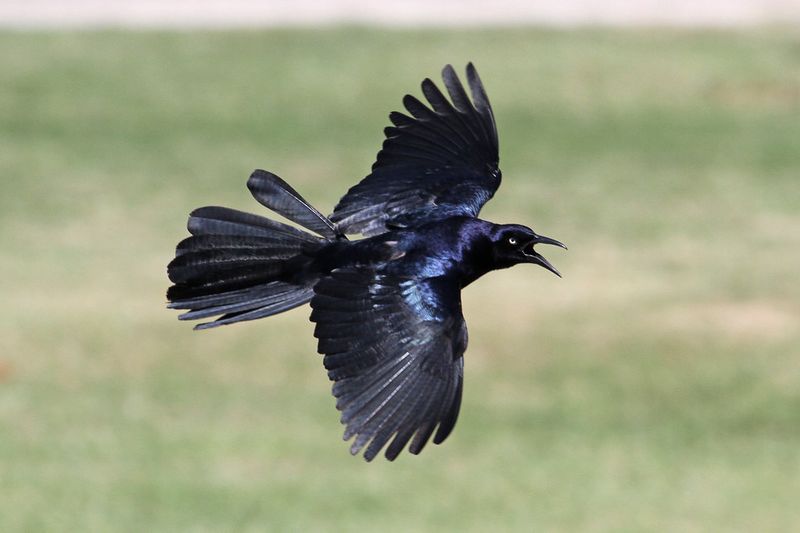
Image Credit: Jamie Chavez.
The great-tailed grackle is the loud, glossy extrovert of the Texas bird world. Males flash an iridescent black body and a long V-shaped tail that seems designed to take up more space than necessary.
Whether you find them in marshes, shopping centers, or suburban parking lots, they carry themselves with the confidence of birds that know everyone notices them.
That tail is a big part of the attitude, fanning out dramatically during displays and making a common sight feel oddly regal. You may not always love the noise, but it is hard not to admire a bird so committed to being unmistakably extra.
Jaguarundi
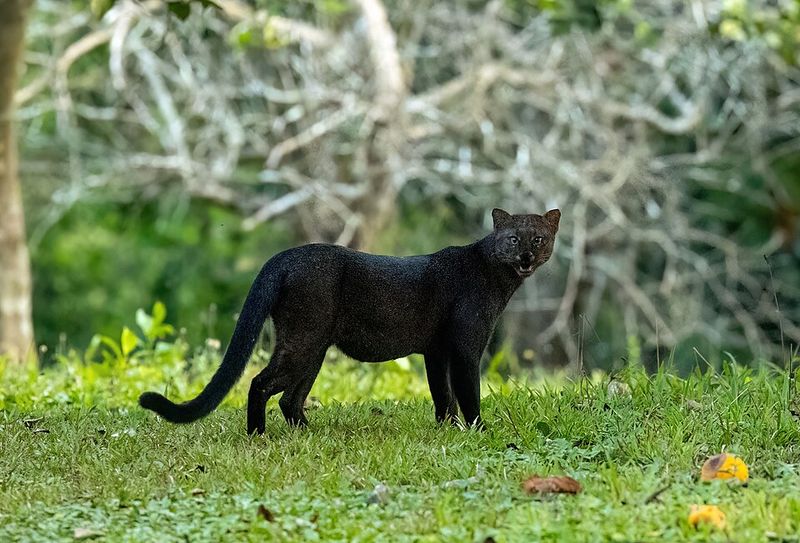
Image Credit: thibaudaronson.
The jaguarundi feels like one of Texas’s best-kept secrets, a wild cat that barely looks like the others. Low-slung, sleek, and unusually elongated, it carries a long tail that makes up more than half its total length and enhances its fluid, almost otter-like shape.
In the brush country of extreme South Texas, that silhouette is strange enough to stop you in your tracks.
Its rarity adds to the intrigue, but the tail is what really seals the image in your mind. I think the jaguarundi looks less like a textbook cat and more like nature experimented a little, then quietly left the masterpiece in Texas.
Mountain Lion
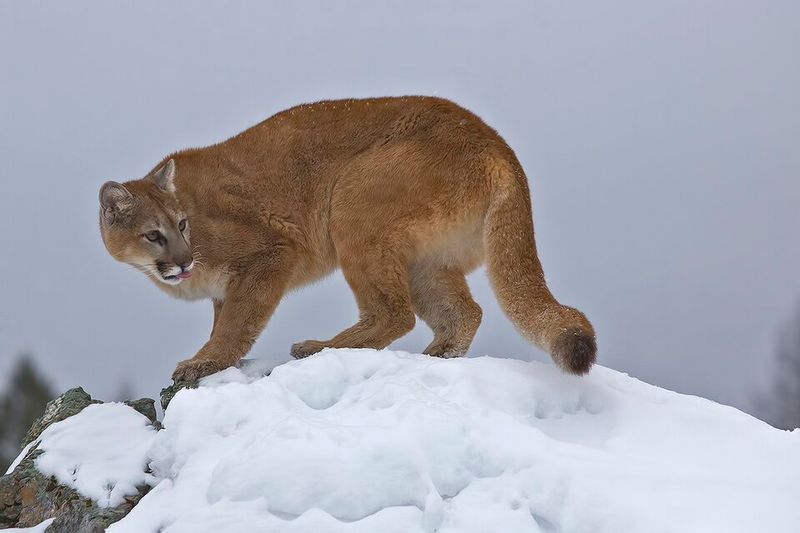
Image Credit: Elaine R. Wilson.
The mountain lion brings a different kind of long-tail energy to Texas, all power and control. In the Trans-Pecos and other rugged parts of the state, this big cat moves with a quiet confidence, and its long tail can stretch to remarkable lengths.
That tail is essential for balance during stalking, climbing, and sudden turns across broken ground.
Unlike flashier animals, the mountain lion uses its tail with subtle purpose, which somehow makes it even more impressive. You do not need bright colors or stripes when your entire presence says you were built to rule the landscape without asking permission.