
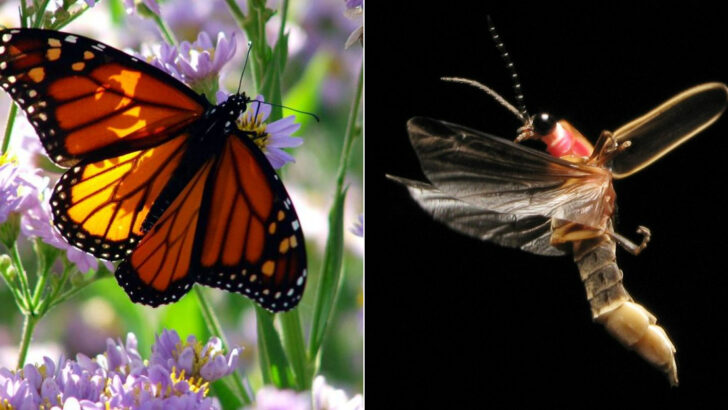
Once Pennsylvania warms up, the real seasonal takeover begins, and it has six legs. From glowing backyard favorites to crop wreckers and riverside swarms, these insects shape summer days in ways you definitely notice.
Some help your garden, some test your patience, and a few seem to own the entire state by July. If you have ever slapped, swatted, admired, or nervously backed away, this list will feel very familiar.
Spotted Lanternfly
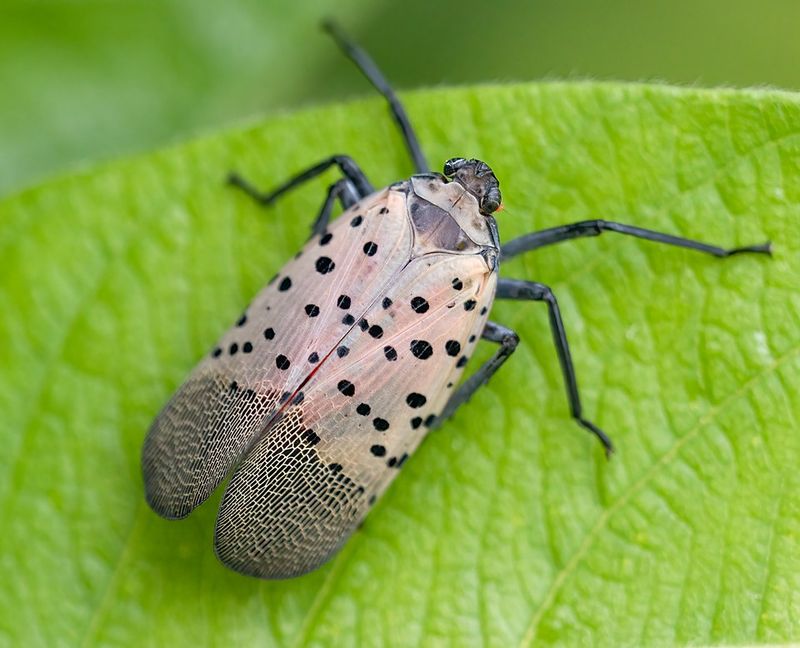
Image Credit: Rhododendrites.
If any insect has earned celebrity villain status in Pennsylvania, it is the spotted lanternfly. Since turning up in Berks County in 2014, it has spread across much of the state and now feels impossible to ignore during warm months.
You see it on tree trunks, patio furniture, decks, and even hopping awkwardly across parking lots like it pays taxes there.
The real problem is what it does to plants. This invasive sap feeder targets grapevines, fruit trees, maples, walnuts, birches, willows, and many ornamentals, then leaves behind sticky honeydew that encourages black sooty mold.
That mess coats leaves, attracts other insects, and creates a nuisance around homes and businesses. Pennsylvania has warned that unchecked populations could cause major economic losses and job impacts, which makes every stomp feel strangely civic.
It is one of those bugs you never forget once summer introduces you properly.
Annual Cicada
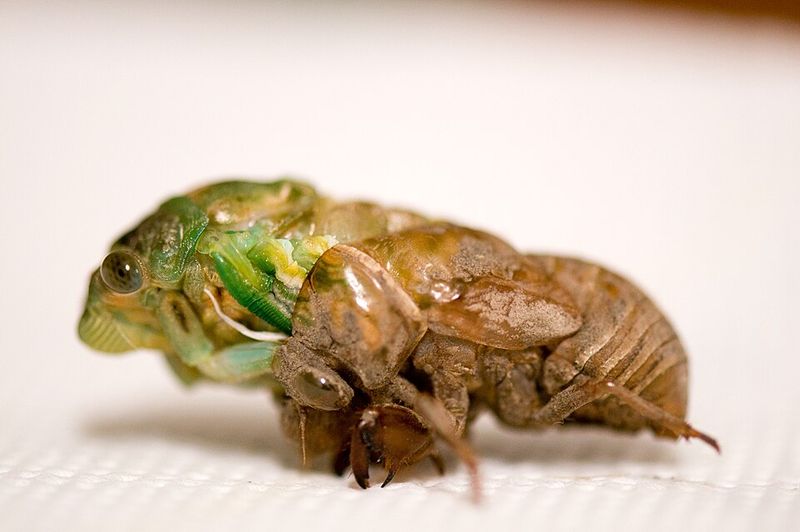
Image Credit: Madwolf.
The annual cicada sounds like summer turned all the way up. On the hottest Pennsylvania afternoons, the males fill neighborhoods, woodlots, and parks with a steady electric buzz that seems to vibrate right through the trees.
If you pause and listen, it can feel like the entire landscape is humming just to prove it survived another winter.
For all that noise, cicadas are harmless to people. They do not sting, they do not bite, and they mostly spend their short adult lives calling, mating, and becoming snacks for birds, mammals, turtles, snakes, and fish.
That makes them a surprisingly important part of the warm-season food web. After emergence, their bodies even return nutrients to the environment, giving forests a small seasonal boost.
They may dominate the soundtrack for weeks, but they are less like pests and more like loud, clumsy seasonal messengers.
Mosquito
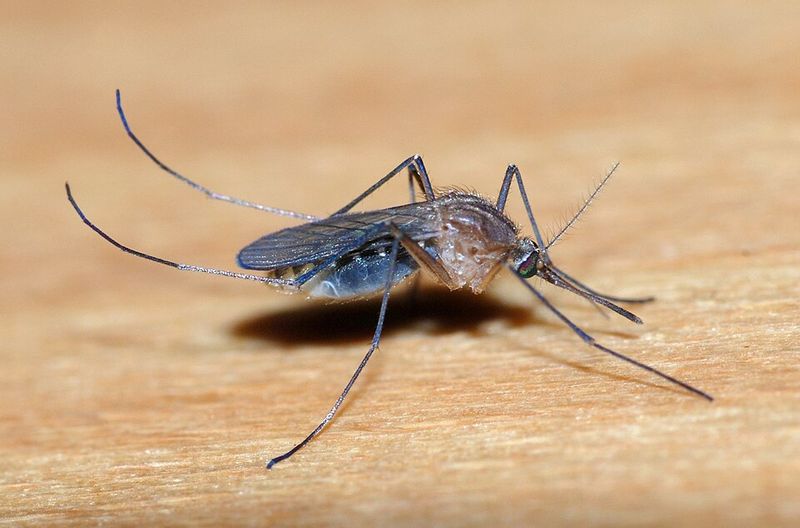
Image Credit: Alvesgaspar.
Mosquitoes are the tiny tyrants of Pennsylvania summer, and they do not need much space to take over. A pond edge, a marsh, a clogged gutter, or a forgotten flowerpot saucer can become a nursery if standing water hangs around long enough.
Once evenings turn warm and sticky, you usually know they are out before you actually see one.
The itch is annoying, but the health concerns are the bigger reason people pay attention. In Pennsylvania, mosquitoes can be associated with West Nile virus, and invasive species such as the Asian tiger mosquito have raised concerns because they can carry illnesses like Zika and chikungunya elsewhere.
That is why dumping water from containers feels less like a chore and more like self-defense. They may be small, but they influence backyard habits, evening walks, and porch time all season.
Few insects can ruin a perfect sunset faster than that familiar high-pitched whine.
Black Fly
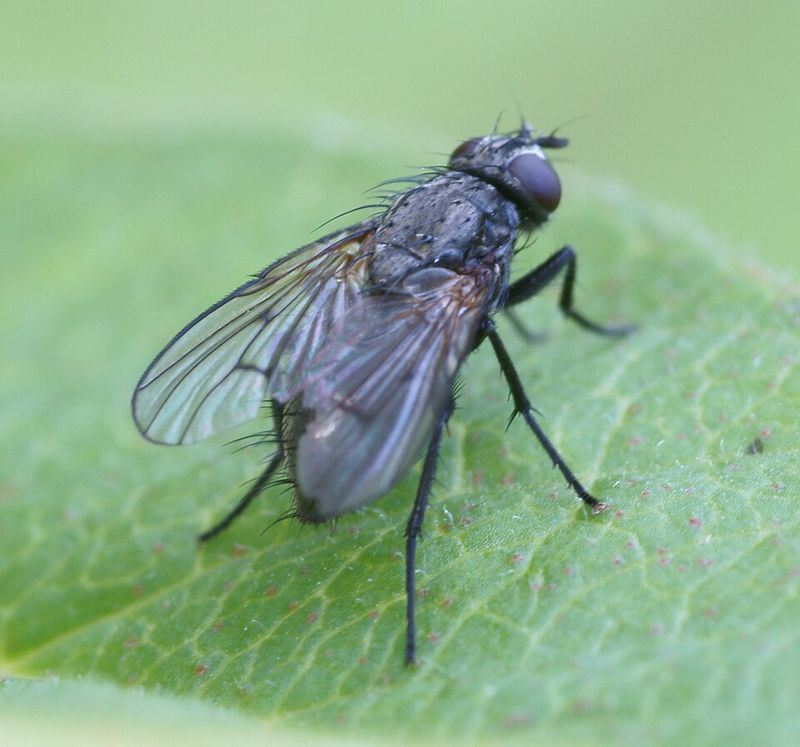
Image Credit: kallerna.
Black flies never seem impressed by your outdoor plans. In Pennsylvania, they breed in flowing water, so streams and rivers become the launch points for some of the most irritating warm-weather swarms you will meet.
Late spring and early summer are their moment, especially when you are trying to enjoy a trail, picnic, fishing spot, or lazy riverside afternoon.
Unlike insects that simply buzz around your face, black flies often leave a painful souvenir. Their bites can itch, swell, and trigger stronger reactions in some people, which is why they have earned a reputation far larger than their size suggests.
They often hover around heads and exposed skin with a persistence that feels personal. Pennsylvania even runs black fly suppression efforts in some areas to reduce populations during the recreational season.
That alone tells you how seriously this bug can affect outdoor life. Around water, they can turn a peaceful scene into a full-body swatting performance.
Japanese Beetle
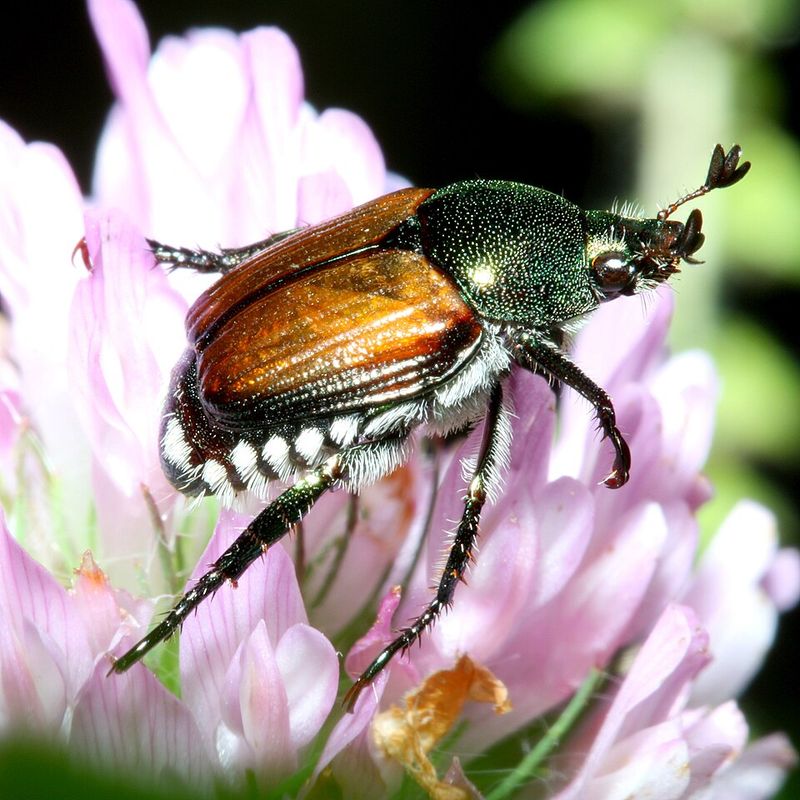
Image Credit: Bruce Marlin.
Japanese beetles arrive with the confidence of insects that know every gardener dreads them. Their metallic green and copper bodies may look polished and impressive, but the damage they leave behind is anything but charming.
Once they show up on roses, grapes, fruit trees, beans, and countless ornamentals, summer can start feeling like a race between new growth and fresh chewing.
These beetles feed on hundreds of plant species, and adults are famous for skeletonizing leaves by eating the soft tissue between veins. The result is that lacy, ragged look that makes a healthy plant seem exhausted almost overnight.
Flowers get ragged, fruit suffers, and smaller plants can be badly weakened under heavy pressure. They also tend to gather in groups, which means one beetle rarely stays lonely for long.
If Pennsylvania had a warm-weather bug that specialized in making gardeners sigh dramatically, this would be it. They are flashy, relentless, and somehow always early to your favorite plants.
Firefly
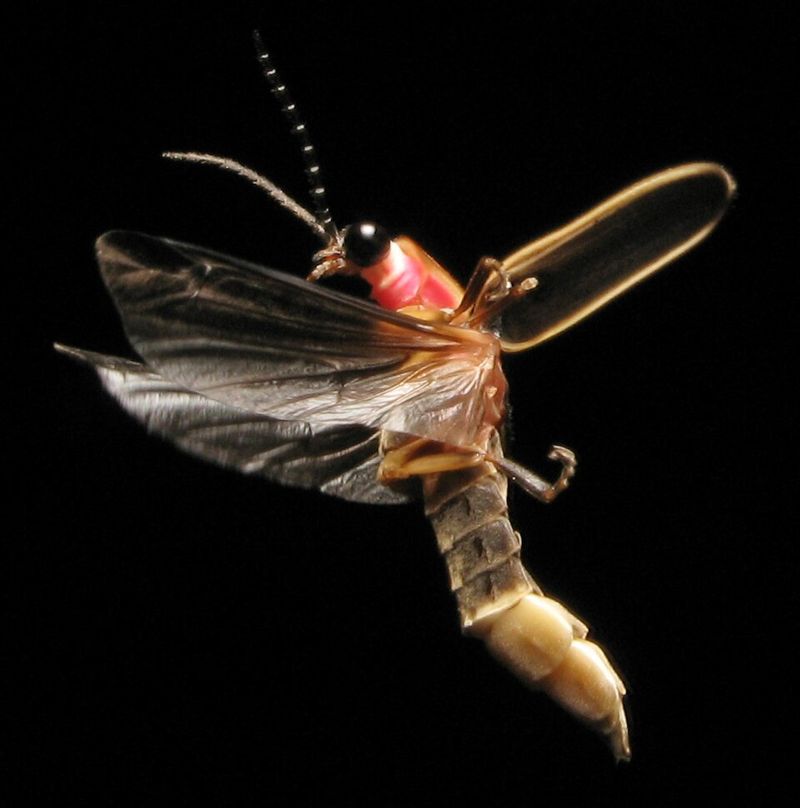
Image Credit: art farmer from evansville indiana.
Fireflies rule Pennsylvania evenings in a completely different way. Instead of biting, chewing, or swarming, they drift over lawns and gardens at dusk like tiny floating lanterns, turning ordinary backyards into something almost cinematic.
If summer has a gentler side, this is usually it, and you can feel people slow down just to watch.
Those flashes are not random decoration. Fireflies use bioluminescent signals to communicate and attract mates, and their glowing rhythm is one of the most recognizable sights of the season.
Even better, their larvae are predators that feed on soft-bodied creatures such as slugs, snails, and worms, making them surprisingly helpful around gardens. Pennsylvania even honors the Pennsylvania firefly as the state insect, which feels exactly right for a species that carries so much nostalgic power.
They may not dominate with force, but they absolutely own the mood of warm nights. Few insects make you feel this forgiving about everything else flying around.
Eastern Carpenter Bee
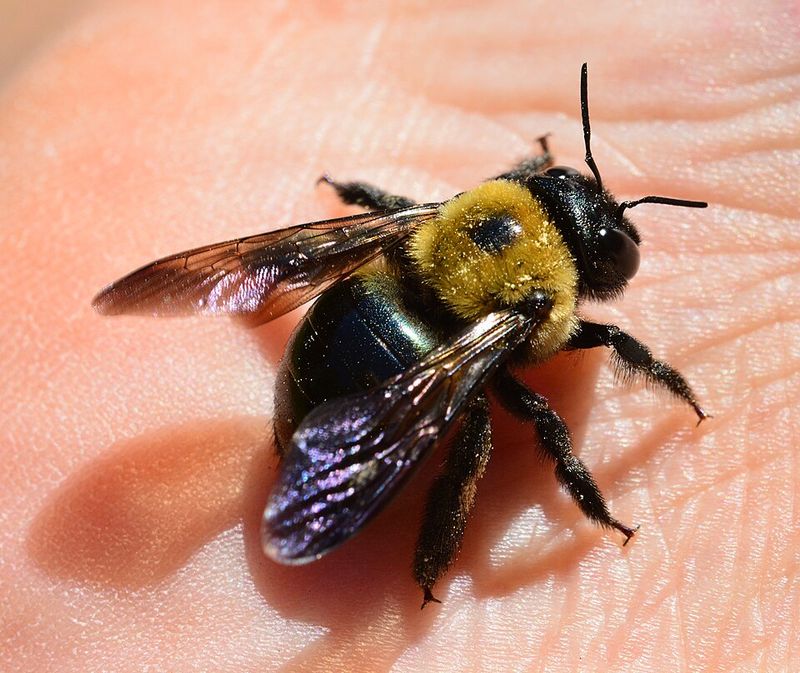
Image Credit: ysmad.com.
The eastern carpenter bee is one of those insects that inspires both appreciation and suspicion. In Pennsylvania summers, you often notice the big, buzzing adults hovering near decks, fences, porch rails, or eaves, acting tougher than they usually are.
They are valuable pollinators, but they also have a habit of turning untreated wood into prime real estate.
Female carpenter bees bore neat, perfectly round entrance holes into soft, weathered, or unpainted wood to create nesting tunnels. That means your favorite rustic railing might be attractive for all the wrong reasons, especially if it has been left exposed.
The good news is that these bees contribute to pollination while visiting flowers, so they are not simply household villains with wings. The challenge is learning to respect their role while protecting vulnerable structures.
Around gardens and homes, they often feel like a warm-weather negotiation between ecology and carpentry. You can admire their work ethic while still wishing they had picked literally any other building material.
Paper Wasp
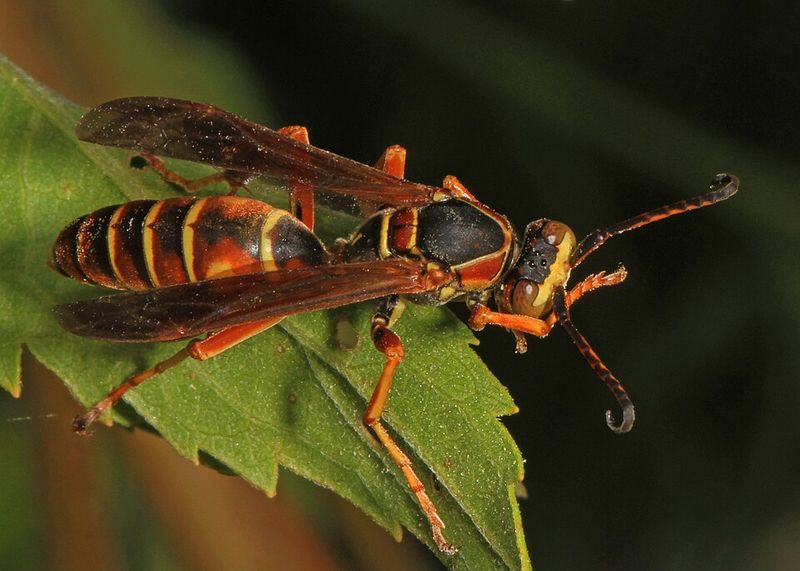
Image Credit: Judy Gallagher.
Paper wasps are the summer tenants you notice when you look up at the wrong moment. In Pennsylvania, they build those unmistakable umbrella-shaped nests under eaves, porch ceilings, railings, and overhangs, often in places you use every single day.
There is something unsettling about realizing a whole colony has been hanging above your front door unnoticed.
Still, paper wasps are not just porch villains. They hunt caterpillars and other soft-bodied insects, which means they help reduce some garden pests while also visiting flowers for nectar.
Their papery nests are made by chewing wood or plant fibers and mixing them with saliva, creating a surprisingly elegant little structure. Trouble starts when nests are placed too close to people, because these wasps can defend their homes if they feel threatened.
That makes them useful and awkward at the same time, like a helpful neighbor with no understanding of personal space. In warm months, few insects balance backyard benefit and backyard tension quite so dramatically.
Bald-faced Hornet
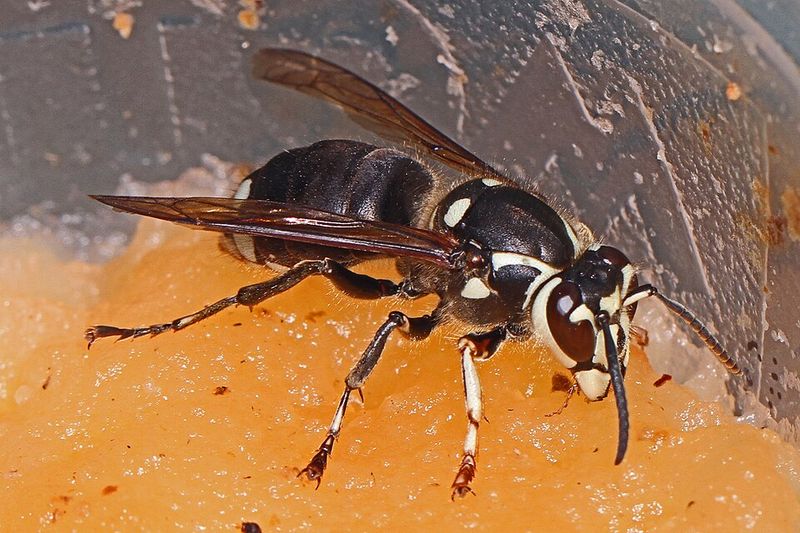
Image Credit: Judy Gallagher.
Bald-faced hornets carry themselves like they own the entire tree line, and honestly, you let them. Their large gray paper nests can appear in trees, shrubs, or on buildings during Pennsylvania’s warmer months, and once you spot one, the whole area suddenly feels like restricted airspace.
Even from a distance, the nest has a serious, no-nonsense look that commands respect.
These social wasps will defend their colony aggressively if disturbed, and they can sting more than once, which is why nobody wants to discover a nest by accident. Some nests grow surprisingly large, becoming one of the most visible insect structures of the season.
Despite the intimidating attitude, bald-faced hornets are predators that help control other insects around the landscape. That does not make them ideal porch companions, but it does make them part of the summer balance.
In Pennsylvania, they rule through architecture, speed, and a very clear policy against trespassing. You admire them most when there is plenty of distance involved.
Monarch Butterfly
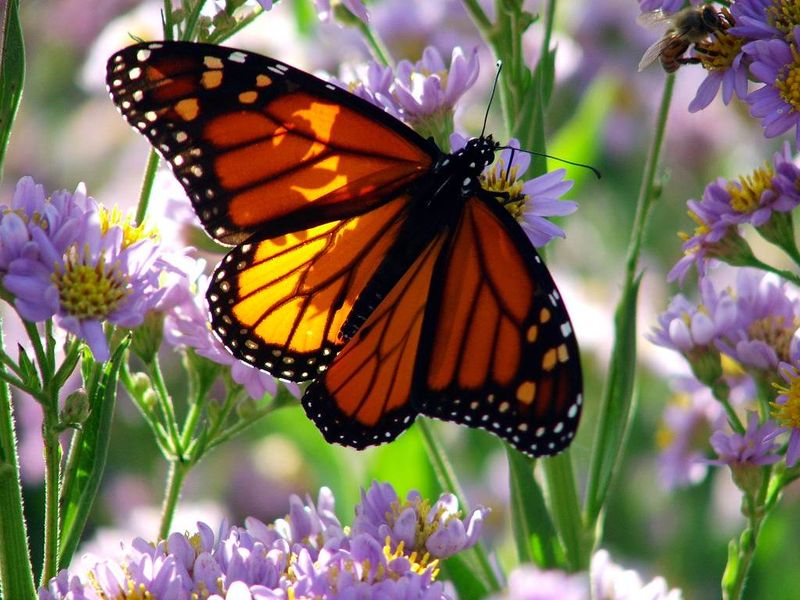
Image Credit: Timothy K Hamilton.
The monarch butterfly rules Pennsylvania summer with grace instead of menace. Seeing that orange and black pattern drifting over fields, gardens, and roadsides still feels special, especially when milkweed and nectar plants are nearby.
It is the kind of insect that makes you stop mid-task because some part of you knows the moment is worth it.
Monarchs appear during the summer breeding season and later become famous again during fall migration, connecting Pennsylvania to one of North America’s most remarkable insect journeys. They also serve as pollinators while visiting flowers, adding beauty and ecological value at the same time.
Unfortunately, monarch populations have declined in recent decades, largely because of habitat loss and other pressures. That makes every summer sighting feel both joyful and slightly fragile.
Unlike insects that dominate by numbers, monarchs rule by symbolism, memory, and movement. They remind you that warm months are not just about nuisance bugs and buzzing lawns, but also about migration, renewal, and the strange luxury of noticing something delicate.
Praying Mantis
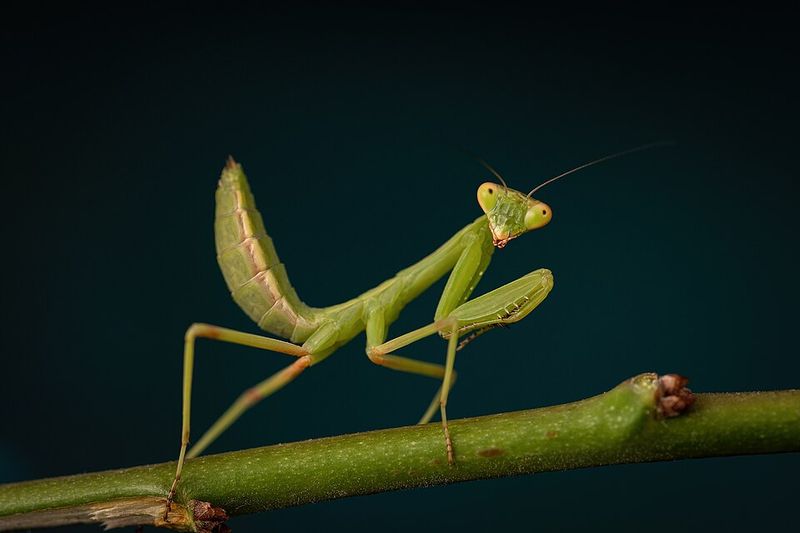
Image Credit: Mihai C. Popa.
Praying mantises bring an almost theatrical energy to Pennsylvania gardens. They stand there with folded front legs like tiny martial arts philosophers, then suddenly lunge with shocking speed when prey gets too close.
If you like your beneficial insects with a little drama, few summer regulars are more entertaining to watch.
Mantises are predators that feed on many insects, including various garden pests, so they are often welcomed by growers and backyard gardeners. Pennsylvania has both native and introduced mantis species, which adds an extra layer of interest for anyone paying attention to what lands on the beans or zinnias.
They blend into plants well, then reveal themselves only when something moves. That combination of camouflage and precision gives them an outsized reputation compared with their numbers.
They do not swarm, sting, or whine in your ear, but they absolutely command attention whenever they appear. In a season full of frantic motion, the mantis wins by holding still until the perfect moment arrives.
Eastern Tiger Swallowtail
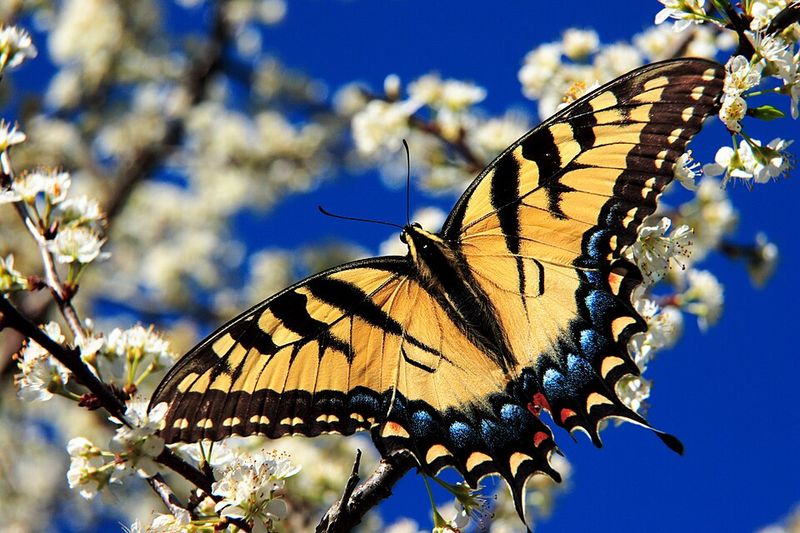
Image Credit: Jay Williams.
The eastern tiger swallowtail is one of those insects that seems too large and bright to be real the first time it sails past you. In Pennsylvania forests, parks, and gardens, its yellow-and-black wings make it look like a drifting piece of stained glass on a summer afternoon.
It never really sneaks into a scene. It arrives like a headline.
As a common pollinator, this butterfly plays a useful role while feeding on nectar from flowers across many habitats. Its wingspan can be impressively broad, which only adds to the feeling that it somehow dominates open spaces without making any noise at all.
You often notice it gliding, circling, and floating with a confidence that smaller butterflies cannot quite match. It is not the most destructive, aggressive, or numerous insect on this list, but it may be one of the most visually commanding.
During warm months, it rules through presence. When one crosses your path, the whole landscape briefly feels brighter and more carefully designed.
Green June Beetle
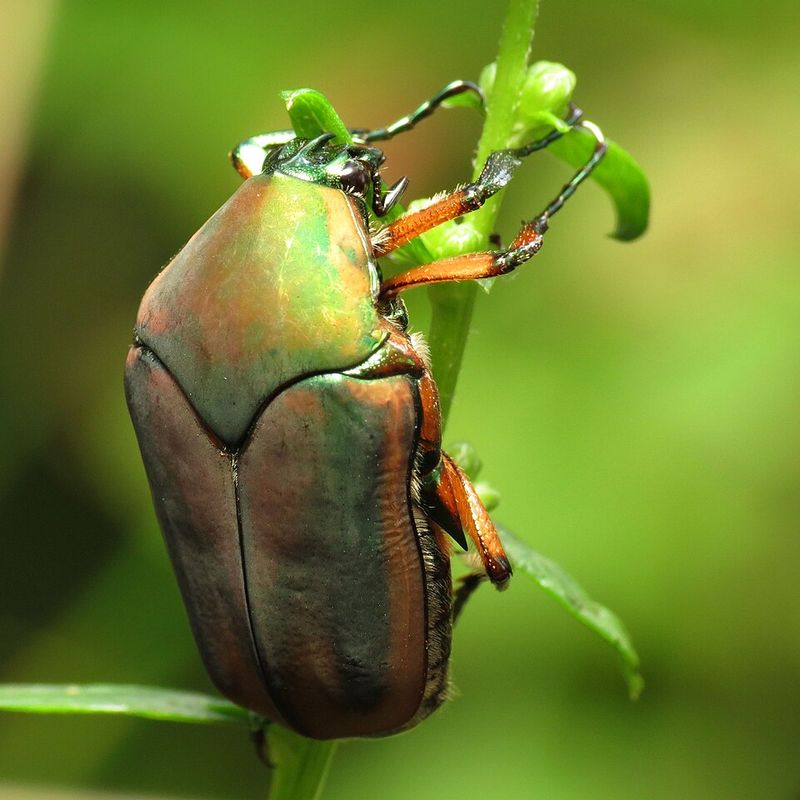
Image Credit: Katja Schulz.
The green June beetle sounds bigger than it is, mostly because it arrives with the audio of a tiny engine. In mid-to-late summer across Pennsylvania, adults buzz low over lawns, gardens, and orchards with enough noise to make people glance up in confusion.
They often seem to be flying for the sole purpose of making everyone aware of their presence.
These chunky beetles are especially associated with ripe fruit, which they feed on while cruising around warm landscapes. Their metallic coloration can be attractive, but the combination of loud flight and sudden movement makes them memorable even if you never get a perfect look.
Around orchards and yards, they feel like one of those insects that announce high summer without asking whether you wanted the update. They are less infamous than Japanese beetles, but far harder to ignore when they start booping through the air around you.
If Pennsylvania summer had a comic relief beetle with strong entrance music, the green June beetle would absolutely get the role.
Wheel Bug
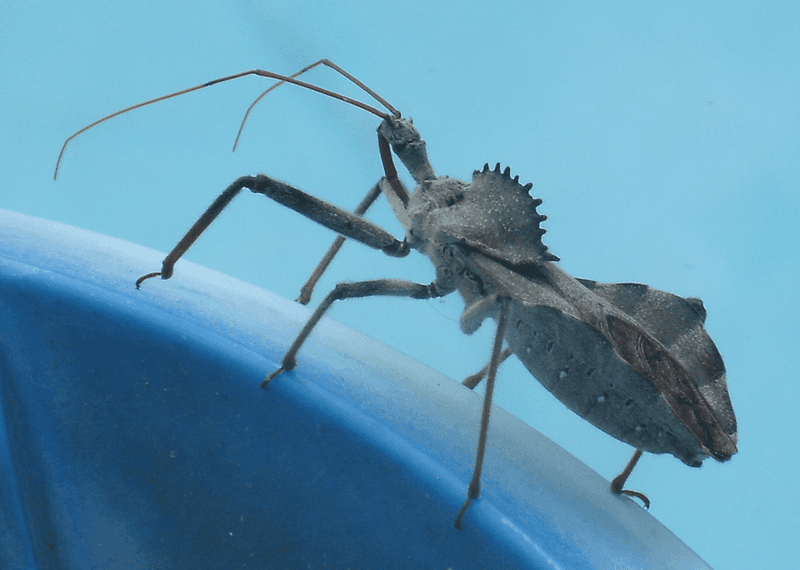
Image Credit: Marmelmm.
The wheel bug looks like something a fantasy illustrator invented after staring too long at a medieval weapon. In Pennsylvania gardens and wooded areas, this predatory insect stands out because of the strange gear-like crest on its back, which gives it an unmistakably armored look.
You do not need to know the species name to sense that this is an insect best appreciated respectfully.
Wheel bugs are beneficial hunters that feed on caterpillars, beetles, and other insects, making them useful allies in the landscape. They help control pest populations naturally, which earns them quiet admiration from gardeners who know what they are seeing.
The catch is that they can deliver a very painful bite if handled or provoked, so this is absolutely a no-touch insect. That combination of usefulness and menace gives it unusual status among summer bugs.
It rules less through numbers than through personality. When a wheel bug appears, the entire scene starts feeling like a reminder that nature is helpful, effective, and not especially cuddly.
Mayfly
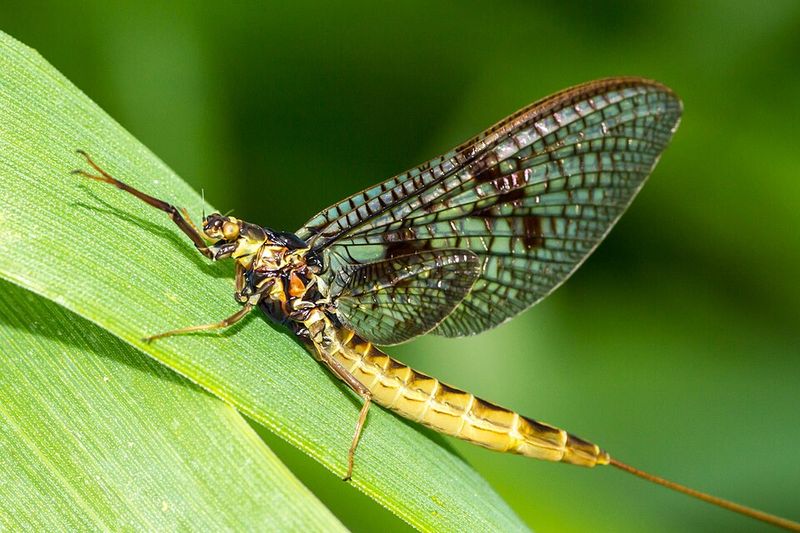
Image Credit: Michael Palmer.
Mayflies take over in a way that feels almost biblical when conditions are right. Near Pennsylvania lakes and rivers, massive seasonal emergences can blanket bridges, walls, windows, and roads, turning a normal evening into a scene that looks edited for dramatic effect.
If you have never seen it happen, it is hard to understand how an insect this delicate can arrive in such overwhelming numbers.
The surprising part is that adult mayflies do not bite, sting, or stick around for long. Their aquatic young live in the water as nymphs, and those nymphs are important indicators of good water quality, which gives this chaotic spectacle an encouraging ecological backstory.
Fish and other wildlife also benefit from the seasonal abundance. So while emergences can create slippery roads, clogged surfaces, and plenty of startled reactions, mayflies are not really villains.
They are more like a sudden reminder that Pennsylvania waterways are alive, productive, and deeply connected to summer cycles. For a brief moment, they absolutely rule everything near the river, including your headlights.