
Wyoming looks wide open, but it never feels slow once you notice what is moving through the sage, cliffs, and high country. Some of the state’s quickest animals sprint over dirt, while others drop from the sky like living arrows.
A few are obvious champions, and a few might genuinely surprise you. If you want a wilder way to measure speed, these 11 animals turn Wyoming into a racetrack.
Pronghorn
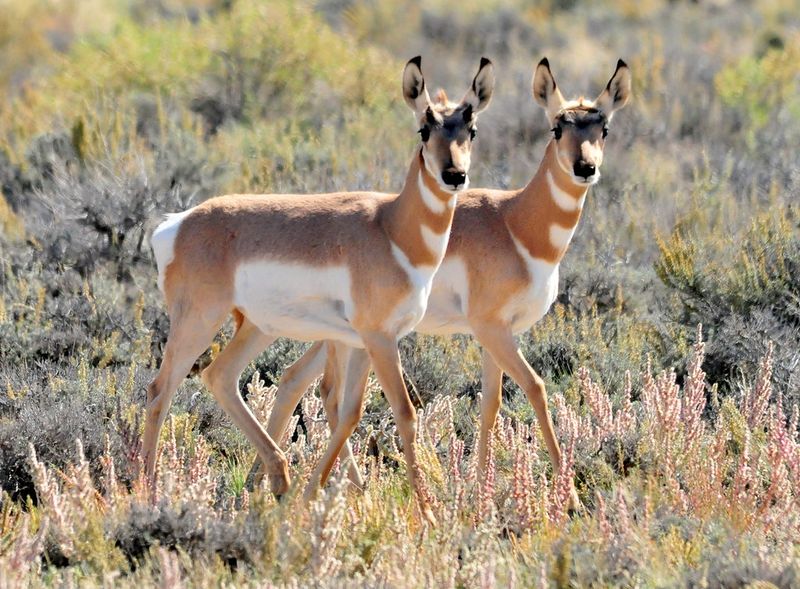
Image Credit: Tom Koerner/USFWS.
If Wyoming had an official speed icon, I would hand it to the pronghorn without hesitation. This animal is the fastest land mammal in North America, reaching about 55 to 60 mph, and what really impresses me is how long it can keep that pace.
Instead of burning out after a quick burst, a pronghorn can hold remarkable speed over long distances across open country.
You can see that endurance in its build. It has oversized lungs, a large heart, lightweight bones, and a body made for moving air efficiently, which helps it keep running when many predators would already be gasping.
Scientists often link that speed to ancient pressure from Ice Age hunters, giving the species a fascinating evolutionary backstory.
Wyoming holds one of the nation’s biggest pronghorn populations, so this speedster feels right at home here. The state’s broad basins, sagebrush plains, and famous long migration routes make perfect terrain for an animal that seems born to race the horizon every day.
Peregrine Falcon
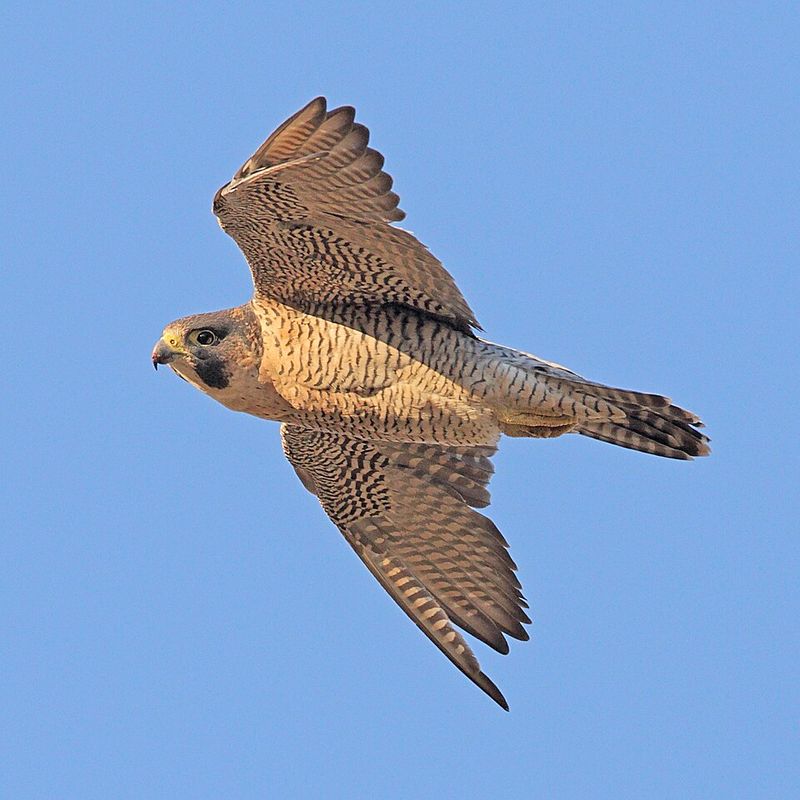
Image Credit: Juan Lacruz.
When people talk about fast animals, I think the peregrine falcon deserves to end the debate almost immediately. During a hunting dive called a stoop, this bird can exceed 200 mph, making it the fastest animal on Earth.
That speed is not just flashy, either, because it is tied directly to a precise aerial strike on other birds.
Everything about the peregrine looks engineered for velocity. Its pointed wings, stiff feathers, powerful chest muscles, and efficient breathing system help it slice through the air, while its eyesight locks onto prey from astonishing distances.
Instead of chasing forever, it climbs, folds into a streamlined shape, and drops like a guided missile.
In Wyoming, cliffs and rocky canyons give peregrines the height they need for those spectacular dives. If you ever picture the state’s fastest moments, do not just imagine hoofbeats on the ground.
Somewhere above the rimrock, a peregrine may already be turning gravity into a weapon and outracing everything below.
Golden Eagle
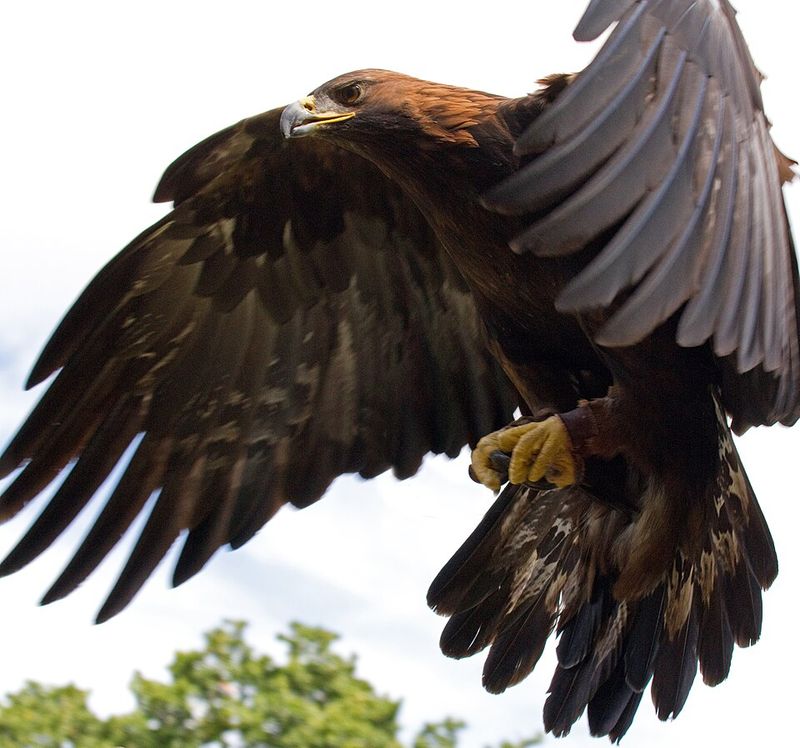
Image Credit: Tony Hisgett.
The golden eagle feels like Wyoming speed with a heavy dose of power mixed in. I love that it is not only fast, but intimidatingly capable, soaring smoothly before accelerating into dives that can reach roughly 150 to 200 mph.
That combination makes it one of the most formidable hunters in the state.
Unlike the peregrine’s needle-like profile, the golden eagle carries broad wings built for efficient travel over huge landscapes. It can cruise above open country, spot prey with vision far stronger than ours, and then suddenly switch from effortless gliding to explosive attack mode.
Rabbits, hares, marmots, and ground squirrels do not get much warning once that drop begins.
Wyoming’s mix of mountains, ridges, basins, and open grassland suits this bird perfectly. You might look up and see a calm silhouette circling high above, but that calm can change in seconds.
The golden eagle is a reminder that in Wyoming, speed is not always about frantic motion. Sometimes it arrives silently, then strikes all at once.
Mule Deer
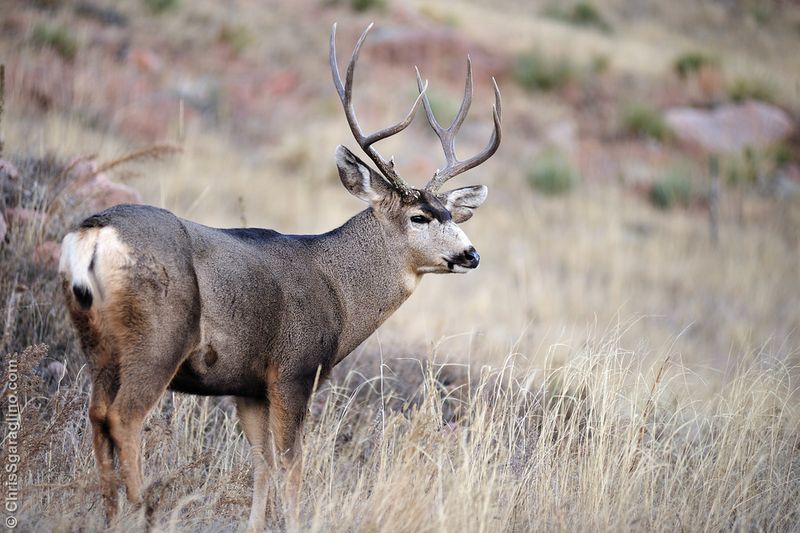
Image Credit: Chris Sgaraglino.
Mule deer may not always get top billing in speed conversations, but I think they deserve plenty of respect. These deer can hit around 45 mph, and they pair that quickness with one of the most recognizable escape styles in the West.
Their famous stotting gait makes them look almost spring loaded as they bounce over rough ground.
That bounding motion is more than a quirky visual. It helps mule deer clear rocks, brush, gullies, and uneven sage country while changing direction quickly enough to frustrate predators.
Instead of relying only on a straight sprint, they combine agility, balance, and explosive bursts to stay alive in landscapes that are anything but smooth.
Across Wyoming, mule deer move through shrublands, foothills, forests, and open basins, so they need a versatile kind of speed. If you watch one launch over rugged terrain, you get a better sense of what fast really means out here.
It is not always a clean racetrack run. Sometimes it is a high-speed dance through chaos, and mule deer perform it beautifully.
Elk
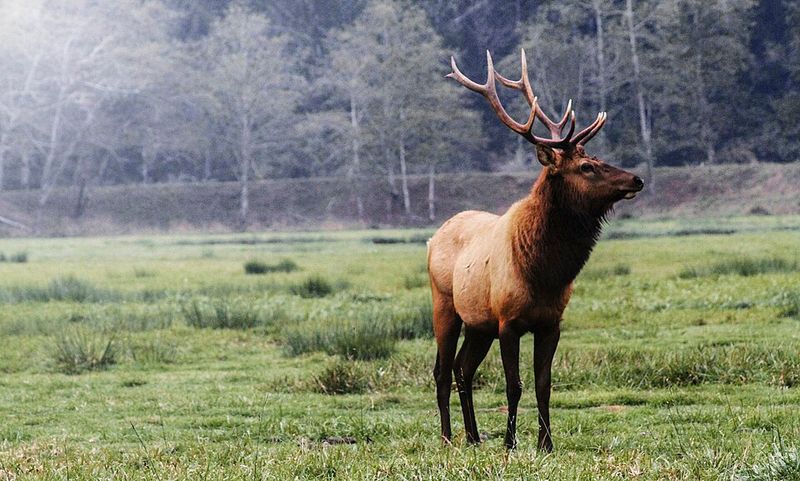
Elk are so large that I think many people underestimate how fast they can really move. In reality, adults can reach about 40 to 45 mph, which is an incredible number for an animal carrying that much muscle and mass.
When an elk herd starts running across a Wyoming valley, the ground-level drama feels immediate and unforgettable.
Speed matters because elk live with serious pressure from predators, especially wolves and mountain lions. A quick burst can mean the difference between escape and disaster, and strong legs help them cover uneven terrain without losing momentum.
Their athleticism becomes even more impressive during migration, when entire herds travel long routes between seasonal ranges.
Wyoming is famous for those sweeping elk movements, and that is part of what makes them so compelling to watch. They are not just powerful symbols of the West standing in postcard meadows.
They are fast, alert travelers built for distance, weather, and danger. If you ever see one break into a run, you understand instantly that size and speed can absolutely share the same body.
Gray Wolf
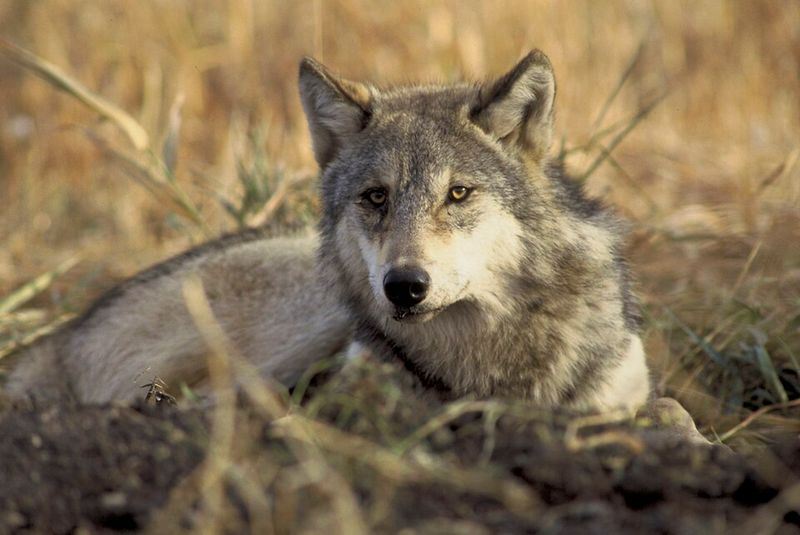
Image Credit: USFWS Endangered Species.
Gray wolves are not the absolute fastest animals in Wyoming, but I would argue they are among the smartest users of speed. They can reach roughly 35 to 40 mph in short pursuits, yet their real advantage comes from stamina, coordination, and timing.
A wolf pack does not need one perfect sprinter when it can operate like a moving strategy.
That is what makes them such effective predators across rugged country. Wolves spread pressure, test weaknesses, and keep prey moving until exhaustion starts doing part of the work for them.
In open valleys or broken foothills, endurance becomes just as important as raw acceleration, and wolves are built to keep going long after the first burst fades.
Wyoming’s landscapes suit this style of hunting well, from snowy flats to mountain edges where elk and deer travel. Watching wolves means appreciating a different type of fast, one shaped by teamwork instead of solo glory.
If the pronghorn is a track star, the wolf is more like a relentless distance team that keeps the race going until somebody else collapses first.
Mountain Lion
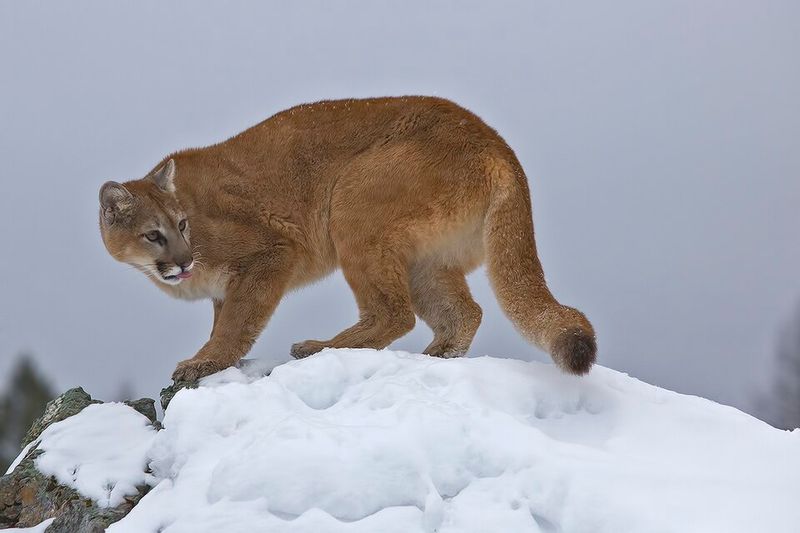
Image Credit: Elaine R. Wilson.
Mountain lions bring a very different kind of speed to Wyoming, and honestly, it is the kind that feels most unsettling. They can sprint at close to 50 mph over short distances, but they are not built for long visible chases across open ground.
Their style is all about explosive acceleration, sudden silence, and perfect timing.
These cats rely on powerful hind legs, compact muscle, and an ambush approach that turns a short burst into a decisive attack. They can leap more than 30 feet in a single bound, so speed works together with stealth and spring-loaded strength.
Deer, elk, and smaller prey often get only a split second between noticing danger and feeling it land.
In Wyoming’s canyons, forests, rimrock, and brushy foothills, that combination is especially effective. You may never see a mountain lion, which somehow makes its athleticism even more impressive.
This is not speed performing for an audience. It is hidden, efficient, and brutally focused.
Among the state’s fastest animals, the mountain lion might be the one you most hope stays invisible while it moves.
Coyote
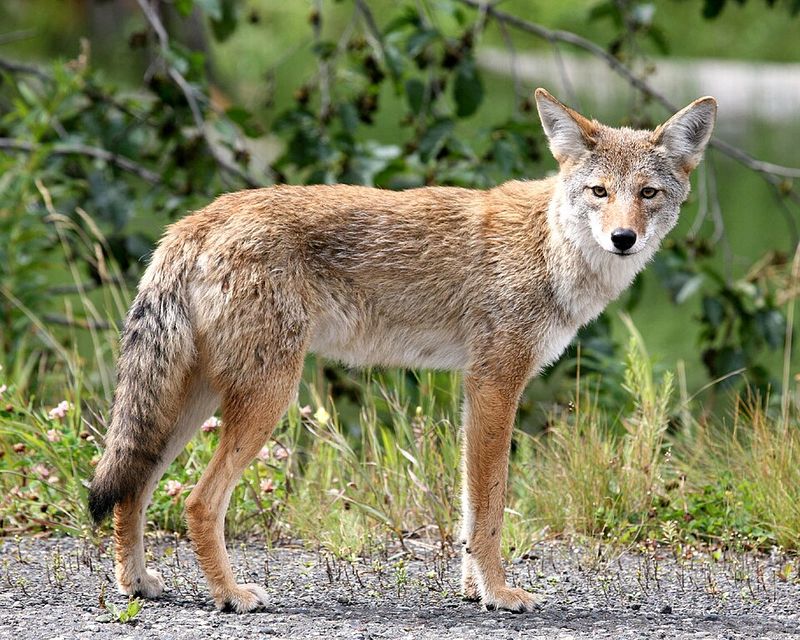
Image Credit: Jitze.
Coyotes may not look dramatic at first glance, but I think that is part of what makes them so impressive. They can sprint up to about 40 to 43 mph, and they combine that speed with adaptability that lets them thrive almost anywhere in Wyoming.
Plains, foothills, ranch country, brushy draws, and even edges of towns can all become coyote territory.
What stands out most is how practical their athleticism feels. Long legs, efficient movement, and strong endurance help them cover miles while hunting rabbits, rodents, birds, and just about anything else they can catch or scavenge.
They are not specialists chasing one perfect prey item, which means their speed is used constantly in different ways.
That versatility makes the coyote one of the state’s most successful movers. You might hear one at night and picture a scrappy survivor, but by morning it may already have crossed a surprising amount of ground.
In Wyoming’s unofficial race, the coyote is the clever middle-distance competitor – fast enough to catch dinner, and durable enough to keep searching if the first attempt fails.
American Bison
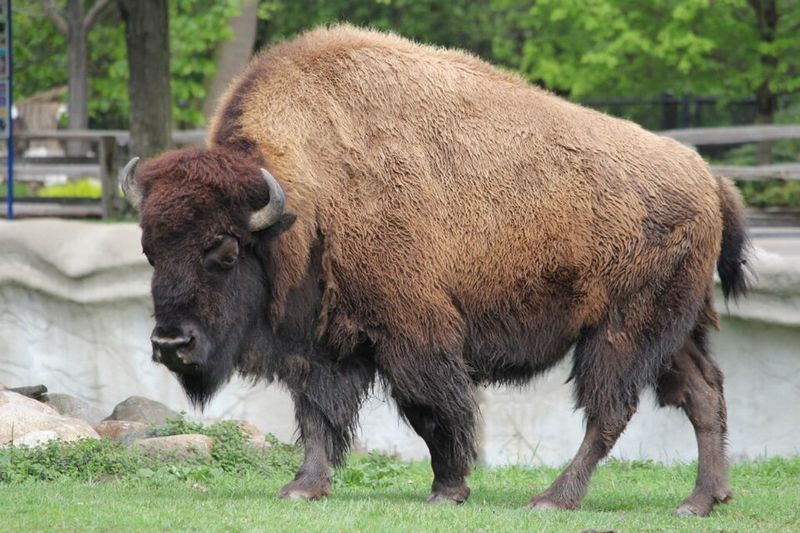
Image Credit: RedGazelle123.
Few Wyoming animals surprise people more than the American bison once it starts moving. Even though mature bulls can weigh up to 2,000 pounds, they can still reach around 35 mph, with some reports going even higher.
That is the kind of fact that should instantly change how casually anyone wants to stand near one.
Bison are not just heavy, they are agile in ways many visitors do not expect. They can pivot quickly, charge with startling acceleration, and cover ground far faster than a human can react.
In places like Yellowstone, that mix of bulk and speed is exactly why giving them plenty of space is not just polite advice – it is common sense.
I like thinking of the bison as Wyoming’s muscle car: huge, loud in presence, and shockingly quick when it decides to go. This animal has persisted on the landscape since prehistoric times, which makes its athleticism feel even more iconic.
It is a reminder that out here, speed does not always arrive in a sleek package. Sometimes it comes wrapped in fur, horns, and ancient attitude.
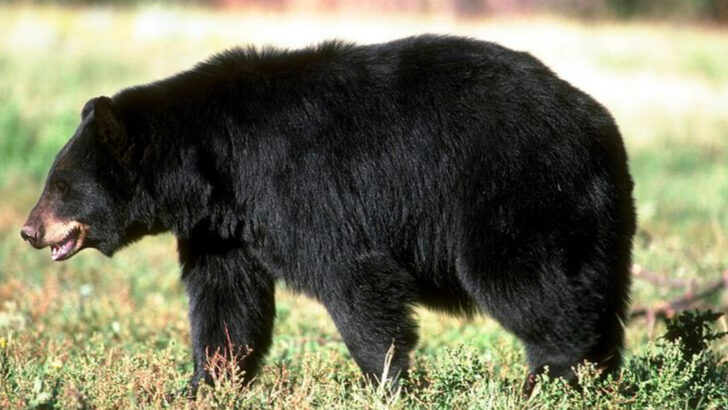
Black Bear
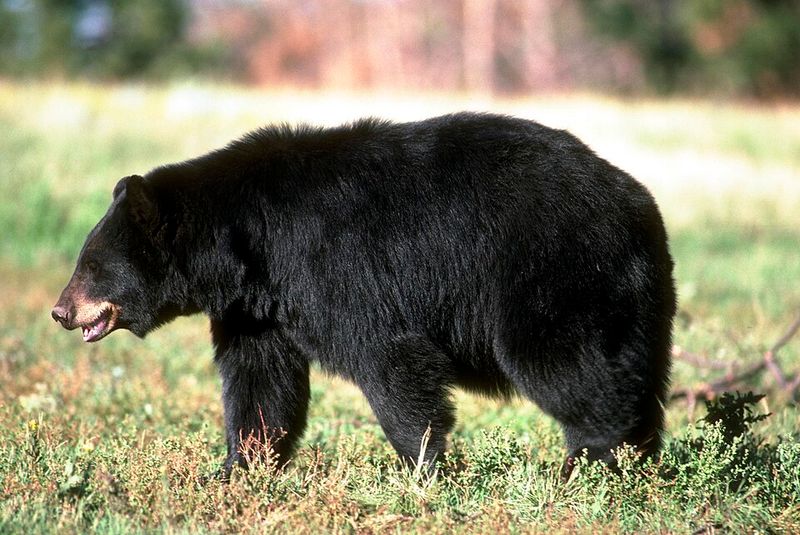
Image Credit: California Department of Fish and Wildlife.
Black bears have a reputation for looking chunky and casual, which can be very misleading once they decide to move. They are capable of short bursts around 30 mph, and some can push a little faster under the right conditions.
That is more than enough speed to make you rethink any assumption that a bear is slow or easy to avoid.
Their strength adds to that danger. Powerful limbs help them sprint uphill, downhill, or across level ground, and those same limbs let them climb trees with astonishing ease.
A black bear is not built like a distance runner, but over short ranges it can move with the kind of urgency that catches people off guard.
In Wyoming’s forests, mountain slopes, and berry-filled summer habitats, speed helps bears do more than flee trouble. It also helps them forage, chase opportunities, and disappear into cover before you fully process what you saw.
I think that mix of quiet presence and sudden athleticism is what makes them so memorable. A black bear may seem relaxed one second, then become all momentum the next.
Greater Roadrunner
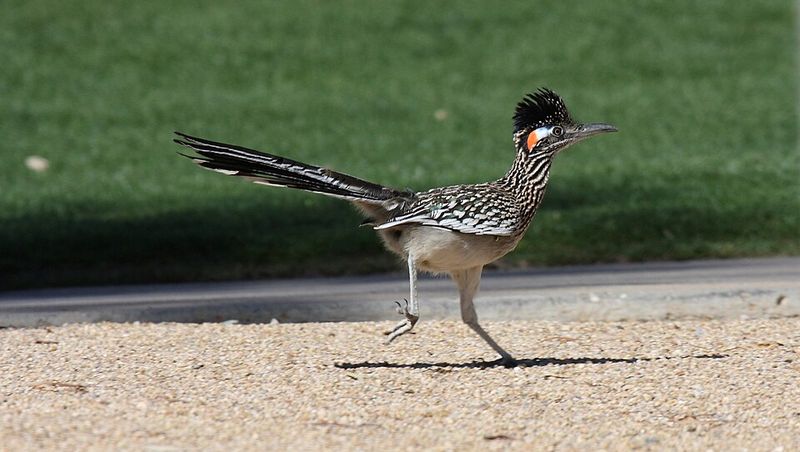
Image Credit: Dominic Sherony.
The greater roadrunner might be the most unconventional speedster on this list, which is exactly why I wanted it here. Found in parts of southern Wyoming, this bird spends far more time running than flying and can hit about 20 mph, sometimes more.
That makes it one of the state’s quickest ground birds and one of its most entertaining movers.
Everything about the roadrunner seems designed for quick footwork. Its long legs drive it forward, its streamlined body reduces drag, and its tail works like a rudder during sharp turns.
Instead of soaring for a meal, it races across the ground after insects, lizards, snakes, and small mammals with a style that feels almost cartoonish until you realize how efficient it really is.
I love that this bird adds a different flavor to Wyoming’s speed story. Not every fast animal is giant, fierce, or built for dramatic mountain scenes.
Sometimes speed comes packaged in feathers, attitude, and a low-to-the-ground sprint through scrubby country. The roadrunner proves that even Wyoming’s oddballs can absolutely keep pace in a wild race.