
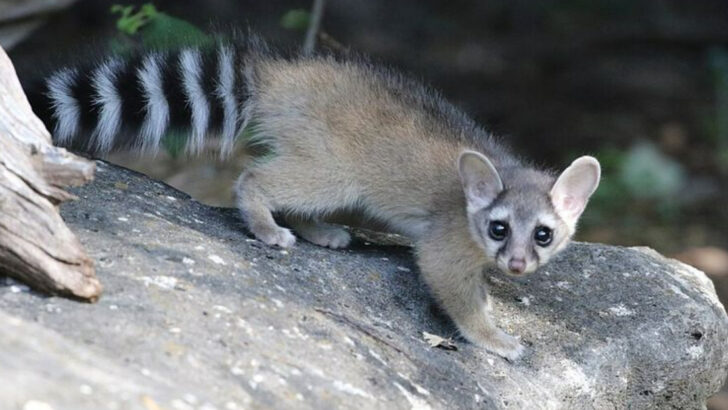
Nevada changes personality after sunset. In the dark, a hidden cast of hunters takes over, using silence, heat, vibration, and uncanny hearing to find prey where your eyes would be useless.
Some are familiar desert predators, while others feel almost invented by the night itself. If you want to know what really rules Nevada after midnight, start here.
Great Horned Owl
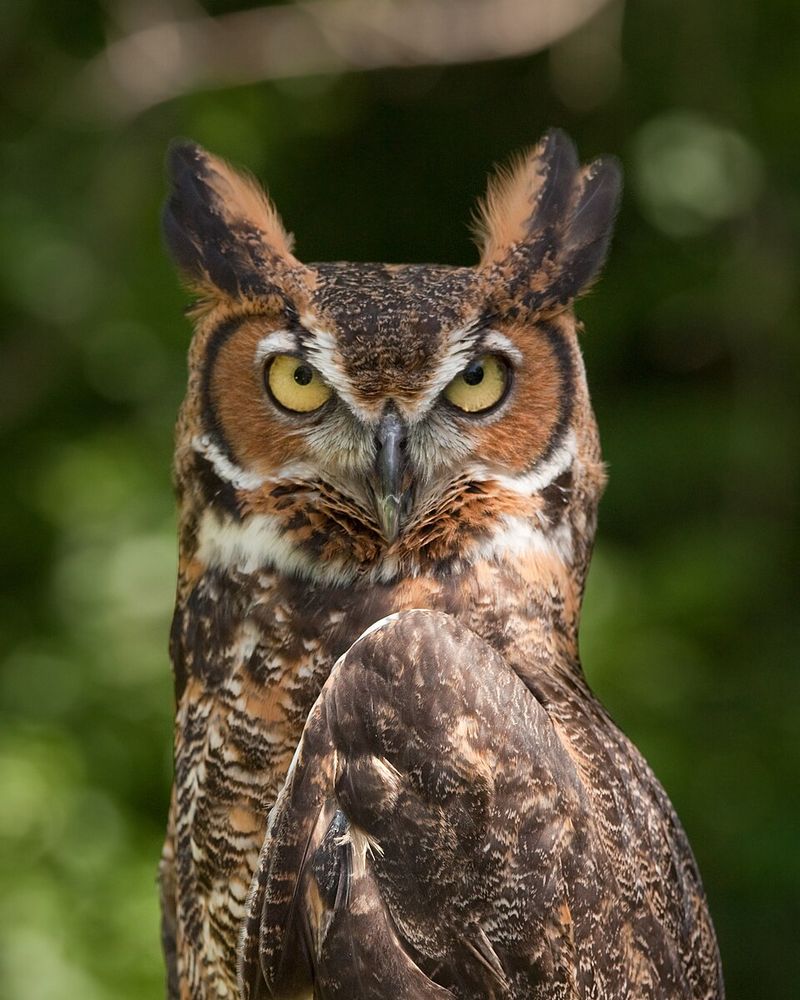
Image Credit: Greg Hume.
If you walked through a Nevada wash at midnight, the great horned owl might already be watching you from a cottonwood snag. This powerful raptor dominates the state’s nocturnal sky, hunting with huge rod-packed eyes that gather every scrap of available light.
Because those eyes are fixed in tube-like sockets, it turns its head in startling arcs to scan the darkness instead.
What really makes this owl terrifying to small prey is its hearing. Its ears sit at slightly different heights, helping it judge exactly where a rustle comes from, even if a mouse is hidden under brush or snow.
You can think of it like built-in surround sound tuned for panic.
Then comes the silent part. Velvety wing feathers and comb-like edges break up turbulence, so its approach makes almost no noise at all.
By the time prey realizes danger is near, the strike is already over.
Barn Owl
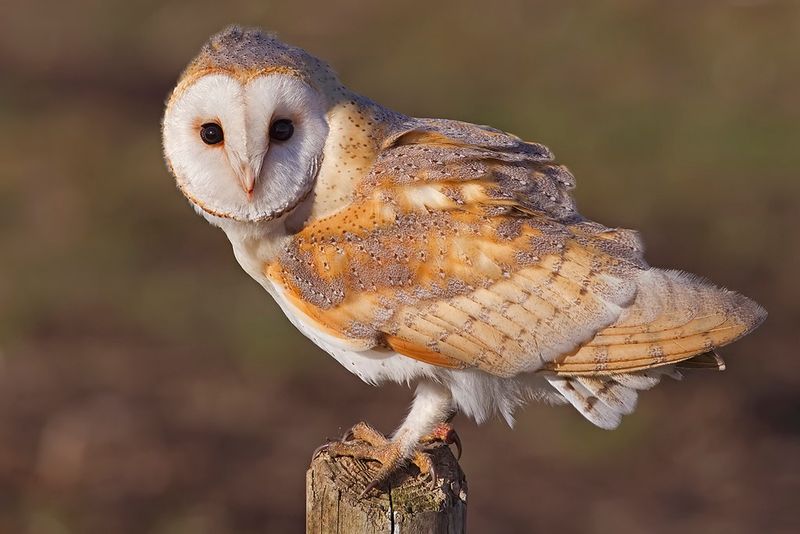
Image Credit: Dunk 🐝.
The barn owl looks ghostly enough in daylight, but at night it becomes something even stranger. In Nevada’s open country, this pale hunter can locate prey in near total darkness without depending much on sight at all.
Its famous heart-shaped face is not just dramatic decoration, because it works like a sound funnel.
That facial disc directs tiny noises toward ear openings placed at different heights on the skull. With that uneven setup, the owl can calculate exactly where a mouse is moving, even if the ground is black and the target never appears visually.
You might call it one of the most precise sound-guided attacks in the desert.
Once the location is fixed, the owl drops with astonishing accuracy. Soft, specialized feathers hush its flight so completely that the strike feels supernatural.
For rodents crossing a Nevada field after dark, silence is usually the last warning they never get.
Western Screech Owl
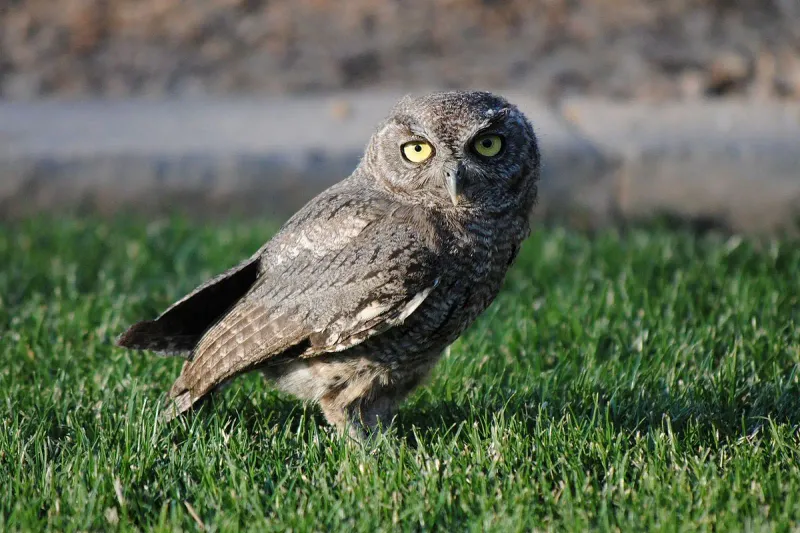
Image Credit: Randy R. Magnuson
The western screech owl does not look flashy, which is exactly the point. In Nevada woodlands, desert washes, and neighborhoods with mature trees, this compact predator blends so perfectly into bark that you could miss it from a few feet away.
At night, that camouflage becomes the perfect setup for ambush.
Instead of cruising long distances, it often waits and listens. Its directional hearing picks up insects scratching through leaves, rodents shuffling under shrubs, and even scorpions moving in the dark.
When prey gives itself away, the owl launches from cover with a quick, controlled strike that feels almost unfair.
What I love about this hunter is how ordinary it can seem until you realize how efficient it is. Those mottled feathers hide it by day and conceal it between attacks after sunset.
In complete darkness, patience becomes its superpower, and the desert floor turns into a listening map.
Common Poorwill
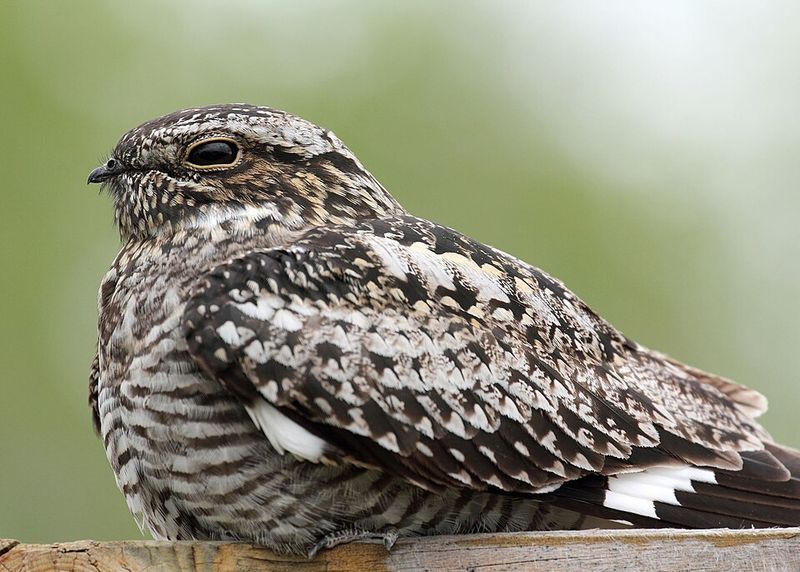
Image Credit: Oregon Department of Fish & Wildlife.
The common poorwill feels like one of Nevada’s quietest nighttime specialists. This small nightjar comes alive after dusk, sweeping through the air for moths and other flying insects with a huge mouth that works like a living net.
Its eyes are adapted for low light, helping it stay active when the desert is nearly black.
Unlike raptors that seize prey with talons, the poorwill wins through timing and flight control. It snaps insects from the air with quick turns and sudden lunges, making the most of the brief chaos around warm desert evenings.
If you have ever heard a soft repeated call from rocky country at night, one might have been nearby.
It also has one of the wildest survival tricks in the state. When insects become scarce, the common poorwill can enter a torpor-like state for extended periods, tucked inside rock crevices.
That means this nighttime hunter sometimes disappears into stillness until better nights return.
Pallid Bat
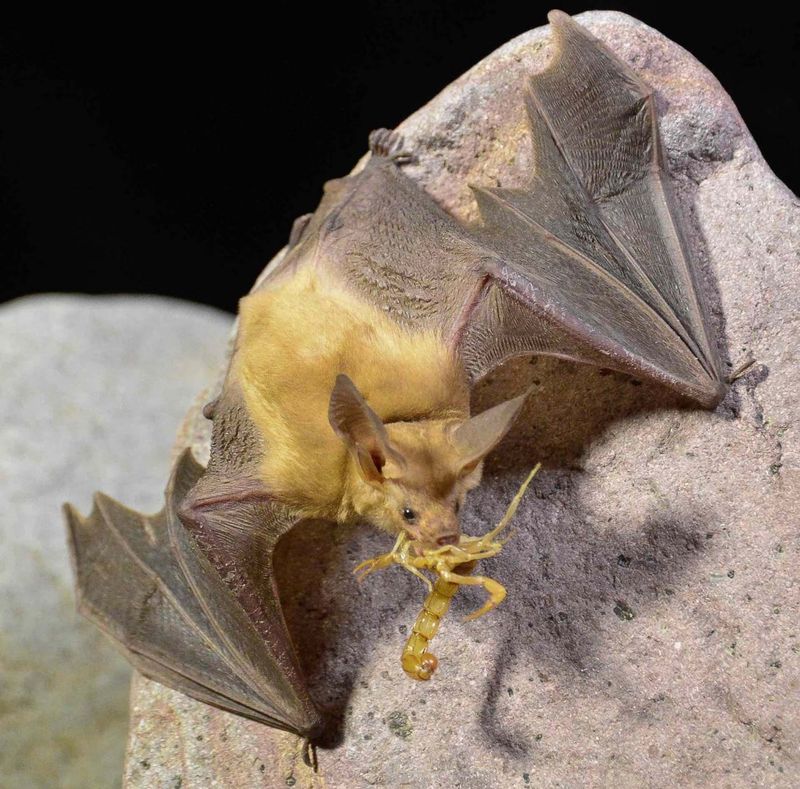
Image Credit: Richard Jackson.
The pallid bat hunts in a way that feels almost rebellious for a bat. Instead of depending mainly on echolocation to locate prey, it often listens for movement on the ground, picking up the footsteps and rustling of crickets, beetles, and scorpions below.
In Nevada’s deserts, that makes it less of an aerial chaser and more of a stealth bomber.
Its large ears are tuned for faint terrestrial sounds, so a tiny scrape across sand can become a dinner invitation. Once it detects prey, the bat drops down from above and grabs it with impressive precision.
That strategy works especially well against dangerous animals other predators might avoid.
Scorpions, for example, are very much on the menu. Pallid bats have a notable resistance to scorpion venom, letting them tackle stinging prey with less risk than you would expect.
In total darkness, they hunt by listening to the desert floor like it is broadcasting a private signal.
Spotted Bat
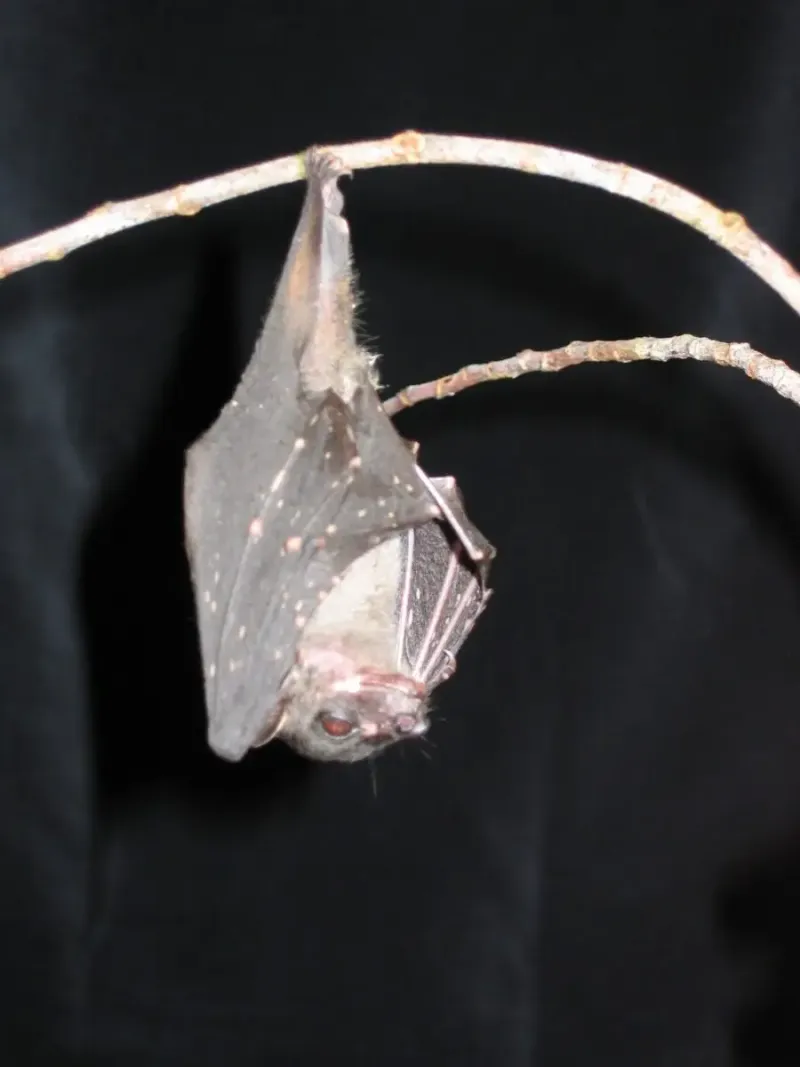
Image Credit: Tabdulla.
The spotted bat looks like a creature a dreamer invented, with bold white spots and ears so large they seem exaggerated. In Nevada’s canyon country and rugged open landscapes, this rare bat uses those outsized ears to detect low-frequency sounds and track moths through darkness.
It is one of the most distinctive nocturnal mammals you could hope to glimpse.
What makes it especially unusual is the pitch of its echolocation. Unlike many bats whose calls stay beyond human hearing, spotted bat calls can sometimes be audible to people, which gives this hunter a strangely public soundtrack.
Even so, it remains elusive, ghosting above cliffs and open spaces where insects move at night.
Its long ears provide exceptional sensitivity, helping it catch subtle information other bats may miss. That combination of hearing and low-frequency calling suits the open desert sky perfectly.
In complete darkness, the spotted bat feels less like a common insect eater and more like Nevada’s secret aerial specialist.
Townsend’s Big-eared Bat
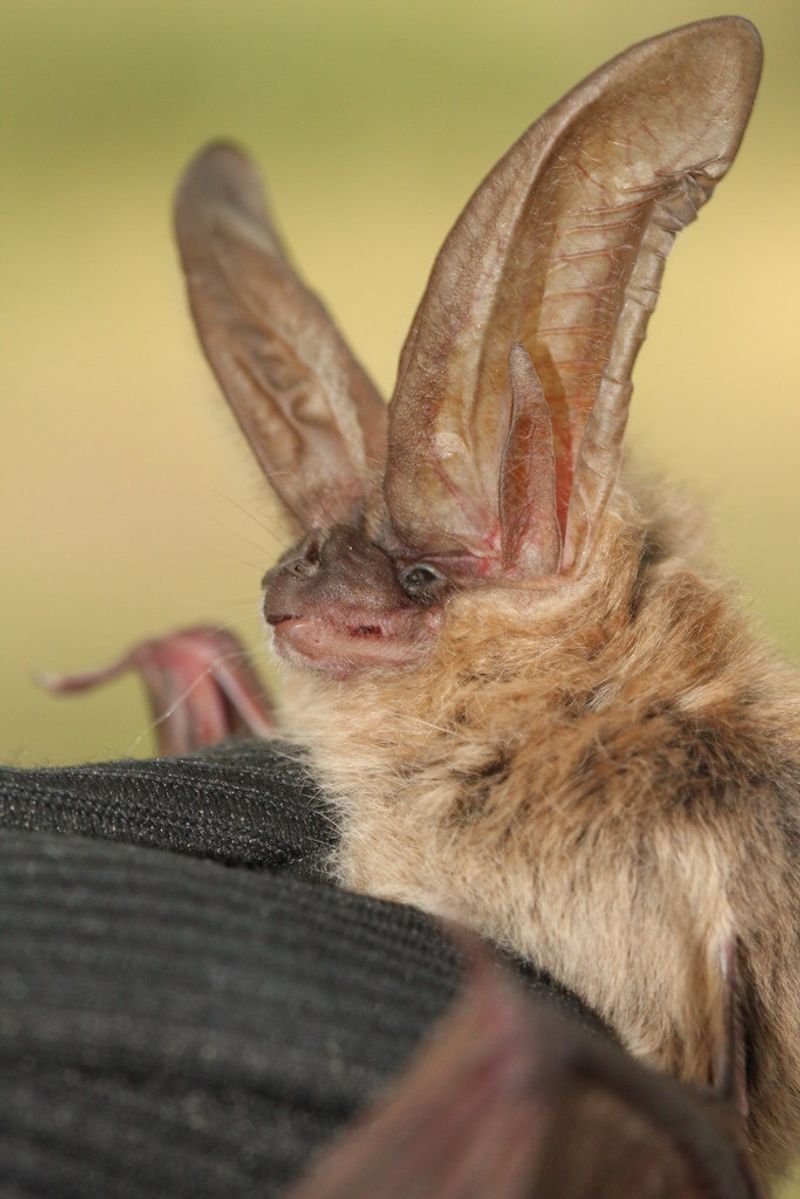
Image Credit: Ann Froschauer/USFWS
Townsend’s big-eared bat proves that in darkness, oversized equipment can be a serious advantage. This delicate-looking Nevada bat often roosts in caves and abandoned mines, then heads out at night to pursue moths with remarkably refined echolocation.
Its ears are so large that they seem almost too dramatic for its body, but every inch serves a purpose.
Complex spaces create messy echoes, especially near rock walls and cluttered passages. This species can sort through that acoustic confusion and distinguish a fluttering insect from all the background noise bouncing around it.
That gives it an edge in places where a less specialized hunter might miss targets or waste energy.
The ears help in another way too, catching faint sounds that could escape other bats entirely. Once prey is detected, the bat makes agile turns and steady chases in total darkness.
Nevada’s abandoned underground spaces may feel empty to you, but to this bat they are crowded hunting grounds rich with acoustic clues.
Kit Fox
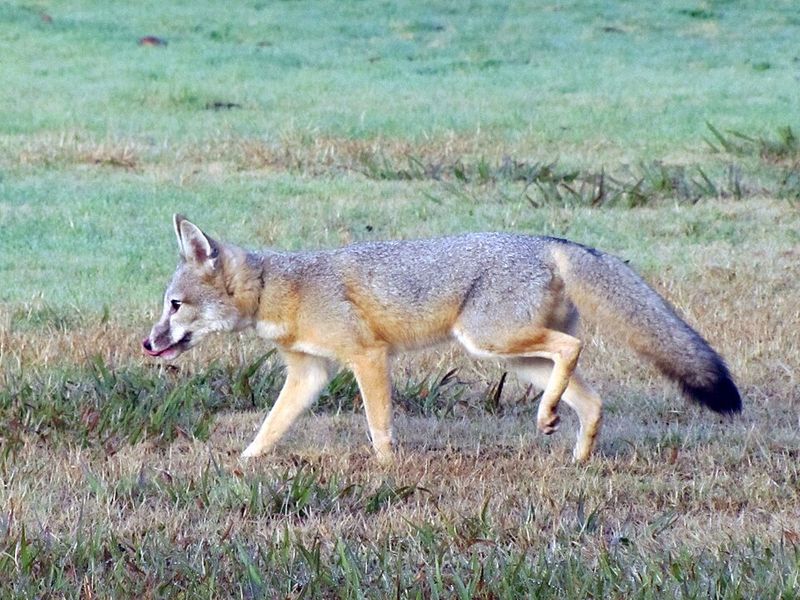
Image Credit: California Department of Fish and Wildlife from Sacramento, CA, USA.
The kit fox may be small, but it is built like a specialized night shift predator. Across Nevada’s deserts, this fox spends much of its active life after sunset, when temperatures drop and prey begins to stir.
Its oversized ears are impossible to ignore, and they are a major reason it succeeds in darkness.
Those ears help it detect kangaroo rats, mice, and other small animals moving across sand or under sparse vegetation. Instead of relying on speed alone, the fox often listens first, then slips into position before making a quick pounce.
It is a compact hunter, but one that wastes very little motion.
Daylight in the desert can be brutal, so the kit fox usually retreats to underground dens when the sun is high. Night gives it cooler conditions and a sensory advantage over prey that thinks cover is enough.
In complete darkness, hearing becomes a map, and the fox reads it with expert precision.
Ringtail
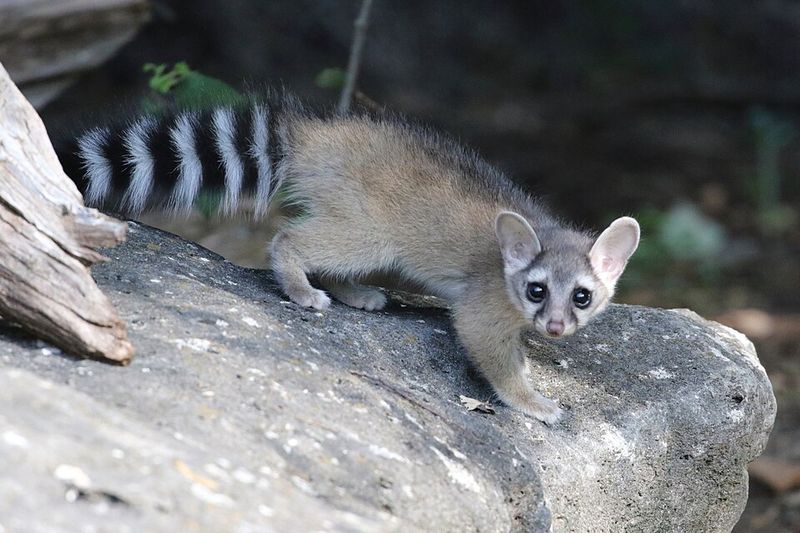
Image Credit: Brooke Smith.
The ringtail looks like a cross between a cat, a fox, and a secret. This agile Nevada mammal thrives in rocky canyons and rugged desert terrain, where it spends the night climbing, balancing, and slipping through tight spaces in search of prey.
Its large eyes are well adapted for gathering limited light, which matters a lot on moonless nights.
Vision is only part of the story. Sensitive whiskers help it judge distances and navigate ledges, crevices, and branches while moving fast in the dark.
Rodents, insects, birds, and other small animals can all end up on the menu if the ringtail catches them at the wrong moment.
What makes this hunter especially impressive is its confidence in difficult terrain. Places that seem risky or nearly vertical to you are part of its nightly route.
In complete darkness, it turns cliffs into highways and shadows into cover, hunting with a blend of grace, curiosity, and almost mischievous precision.
Coyote
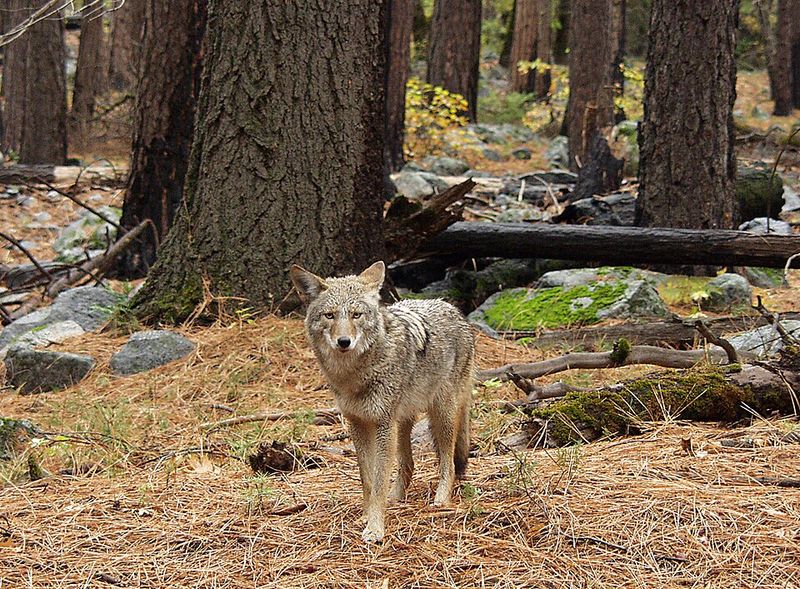
Image Credit: Christopher Bruno.
The coyote is one of Nevada’s most adaptable nighttime hunters, and that flexibility is exactly why it thrives. During hot months especially, it shifts much of its activity into the dark, moving through scrubland, desert flats, and mountain edges while temperatures cool and prey grows active.
What seems empty at night is full of information to a coyote.
Its hearing is sharp enough to detect tiny rodent sounds beneath brush, and its eyes include a reflective tapetum lucidum that boosts available light. That combination lets it hunt effectively when you would barely trust your footing.
Sometimes it stalks quietly, and other times it bursts forward the instant a hidden mouse gives itself away.
Coyotes are also opportunists, which means darkness broadens their options. Small mammals, rabbits, insects, carrion, and even fruit can become part of the night’s work.
In Nevada after midnight, the coyote is not just surviving the dark. It is using it as a competitive advantage.
Mountain Lion
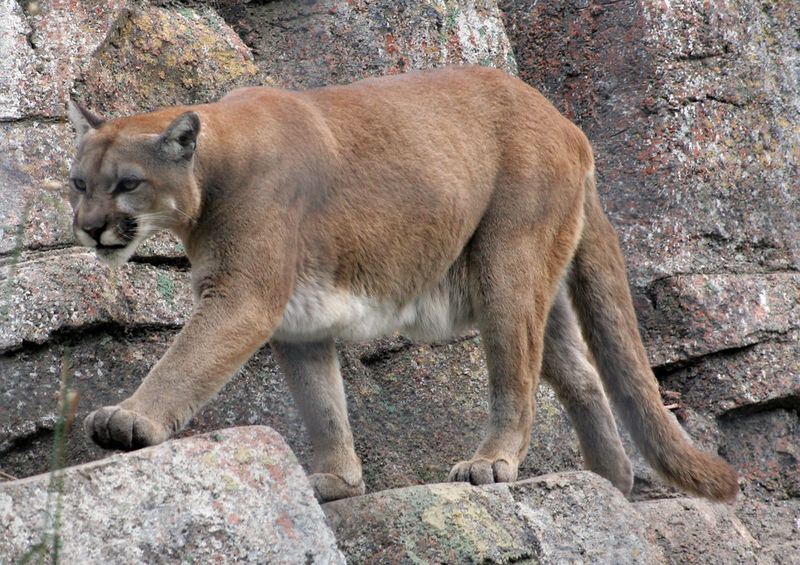
Image Credit: Tony Hisgett.
If any Nevada predator seems built to own the dark, it is the mountain lion. These powerful cats are usually most active at night or during twilight, stalking deer and other large prey with extraordinary patience.
Their bodies are made for quiet movement, so even rough ground can become a silent approach route.
Low-light vision plays a huge role in their success. Mountain lion eyes contain abundant rod cells and a reflective layer that helps amplify available light, giving them a major advantage once the sun disappears.
Add acute hearing, and you get a hunter that can track movement and sound with very little margin for prey error.
The attack is typically close-range and explosive, but the setup can take far longer. A lion may shadow an animal through darkness, using terrain and cover until the final rush becomes unavoidable.
In complete darkness, this predator does not need spectacle. It just needs one clean opportunity, and Nevada provides plenty.
American Badger
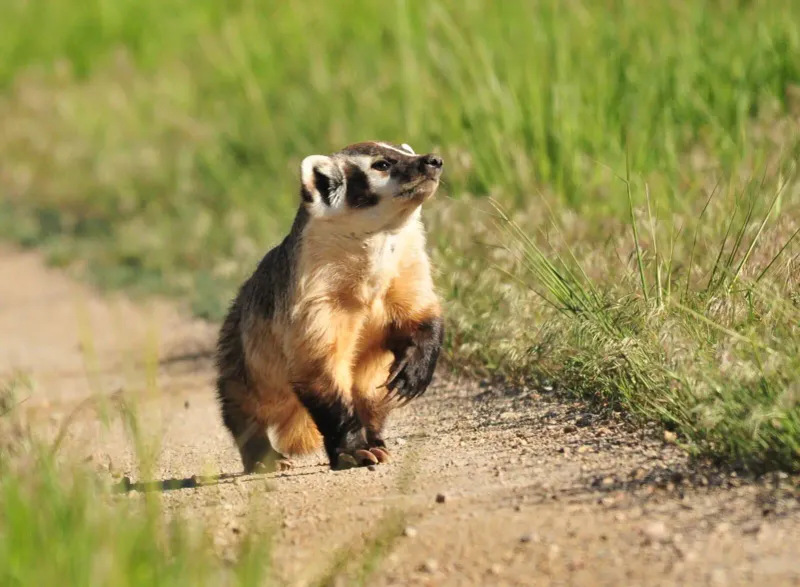
Image Credit: USFWS Mountain-Prairie
The American badger is proof that nighttime hunting does not always look graceful. In Nevada, this stocky predator often works after dark, using brute force, smell, and touch more than vision to locate burrowing prey below the surface.
If something is hiding underground, the badger treats that as a challenge rather than a protection plan.
Its sense of smell helps identify rodents concealed in tunnel systems, and once it pinpoints the right spot, the digging begins. Powerful forelimbs and long claws let it excavate with astonishing speed, sometimes outracing the prey’s attempt to escape through its own burrow.
The whole process can feel less like stalking and more like a controlled demolition.
That approach may seem chaotic, but it is highly effective in darkness. A badger does not need to see much if it can smell the target and physically tear through the barrier between hunter and meal.
In Nevada nights, the ground itself becomes part of the hunt.
Sidewinder Rattlesnake
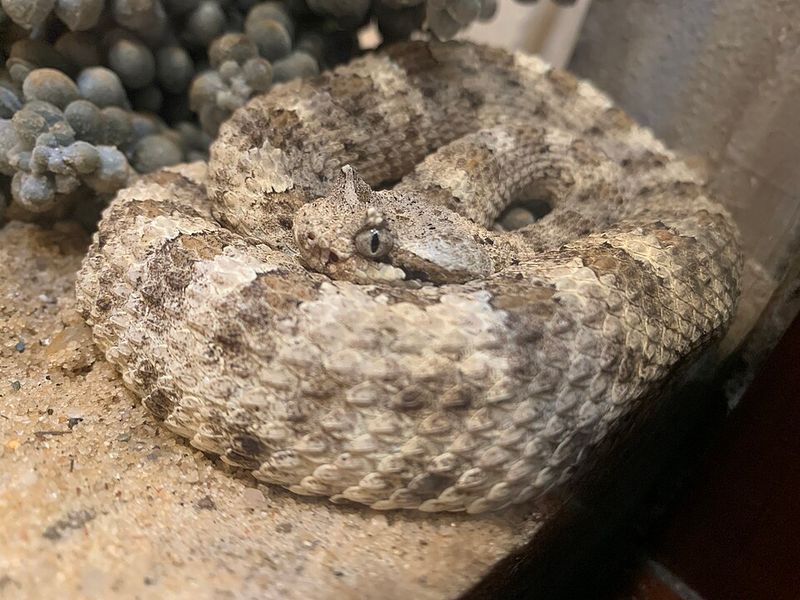
Image Credit: Bloopityboop.
The sidewinder rattlesnake belongs to the kind of nighttime world where heat matters more than light. In Nevada’s sandy desert habitats, this snake can hunt in complete darkness using specialized heat-sensing pits between its eyes and nostrils.
Those organs detect infrared radiation from warm-bodied prey, letting the snake perceive a hidden rodent as a temperature signal.
That means the sidewinder does not need moonlight, silhouettes, or much visual information to strike accurately. A mouse moving across cool sand creates enough contrast for the snake to orient, coil, and launch.
The result is a sensory system that feels almost technological, except it evolved naturally in one of the harshest environments around.
Its famous sideways motion also helps it travel efficiently over loose, hot surfaces, though the hunt often happens when temperatures drop after sunset. In total darkness, the sidewinder turns body heat into a target map.
For desert prey, staying still is not always enough when warmth itself gives you away.
Giant Desert Hairy Scorpion

Image Credit: Robb Hannawacker.
The giant desert hairy scorpion might be the most unsettling night hunter on this list, especially if you imagine how little light it actually needs. As North America’s largest scorpion, it prowls Nevada’s deserts after dark using fine sensory hairs on its body and pincers to detect faint vibrations in the sand.
For nearby insects, every tiny footstep can become a fatal announcement.
Instead of searching visually in the way mammals and birds do, this scorpion reads movement through touch and vibration. A struggling beetle, passing cricket, or disturbed grain of sand can guide it straight toward prey.
Once close enough, it uses its pincers and venomous sting to overpower the target with brutal efficiency.
Its body also glows under ultraviolet light, though scientists still debate exactly why that trait exists. Whatever the explanation, the real hunting advantage comes from sensitivity, not spectacle.
In complete darkness, the giant desert hairy scorpion acts like a patient sensor array with claws.