
Most of Oklahoma looks wide open, but a surprising amount of life is happening just below your feet. Beneath prairies, pastures, lawns, and muddy ditches, expert diggers carve out hidden homes, nurseries, escape routes, and climate-controlled shelters.
Some of these animals dig their own underground worlds, while others borrow, steal, or inherit them. Once you start noticing their mounds, holes, ridges, and chimneys, the state feels a lot more alive.
Nine-banded Armadillo
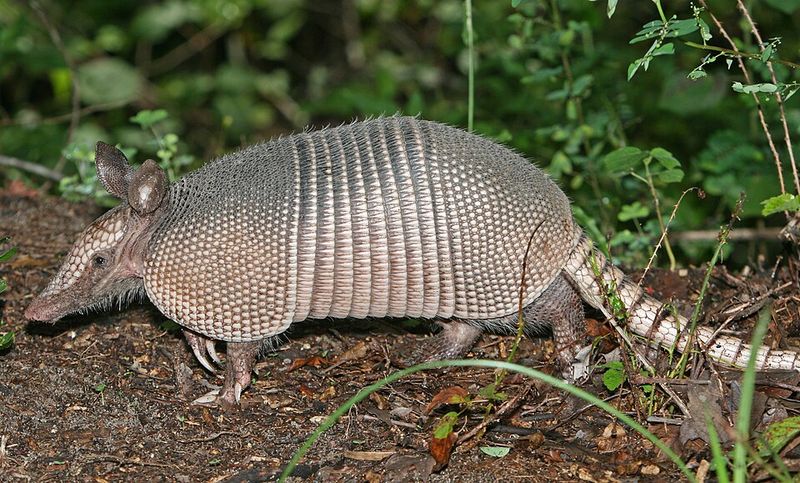
Image Credit: http://www.birdphotos.com.
If you have ever spotted a shallow hole in Oklahoma and wondered who worked the night shift, the nine-banded armadillo is a strong suspect. This is the state’s only armadillo species, and it digs with impressive determination using thick claws that look built for miniature excavation projects.
Its burrows can stretch up to about fifteen feet long, usually tucked near stumps, brush piles, terraces, or wooded edges.
What makes this animal especially interesting is how many homes one individual may keep across its territory. Four or five burrows are common, and some armadillos maintain even more as backup shelters from predators, rough weather, and daytime heat.
You can think of them as restless property managers, constantly rotating through safe hideouts.
Even after an armadillo moves on, its work keeps helping other wildlife. Skunks, rabbits, snakes, owls, and rodents may move in, turning one dugout into a hand-me-down shelter with real neighborhood value.
Black-tailed Prairie Dog
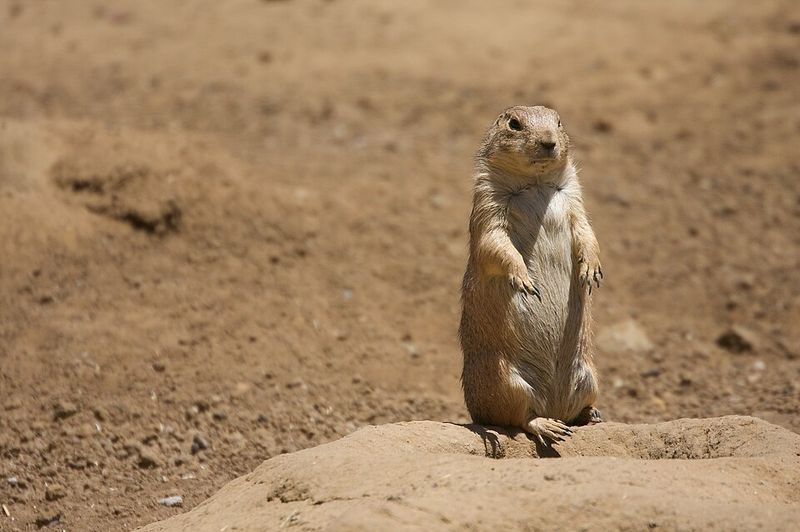
Image Credit: chadh.
Few underground engineers in Oklahoma are as social, organized, or noisy as the black-tailed prairie dog. Instead of living alone, these small grassland residents build entire underground towns, with tunnels linking chambers used for nesting, shelter, food storage, and waste.
Above ground, the colony may look simple, but below the surface it is a carefully arranged network designed for survival.
Their tunnels can run for many feet and sink deep enough to moderate temperature through both summer heat and winter cold. Those raised, volcano-shaped entrances are not random decorations either.
They help with drainage, improve airflow, and give prairie dogs a better place to scan for coyotes or hawks before ducking back underground.
I love how these colonies reshape the prairie into a busy community rather than a plain field. Their burrows also benefit other animals, offering shelter opportunities that turn one prairie dog town into an important neighborhood beneath the grass.
American Badger
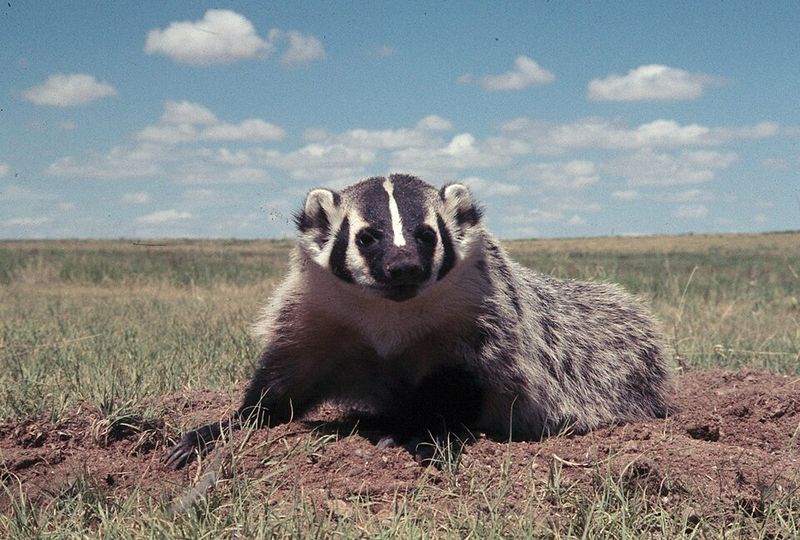
Image Credit: Garst, Warren.
The American badger looks like it was designed by someone who valued power over elegance, and underground hunting is where that design really shines. With a flattened body, muscular shoulders, and long front claws, this predator can tear into the earth quickly while chasing prey that thought a tunnel meant safety.
In western Oklahoma, badgers work open country like determined excavation crews with fur.
They do not just maintain one tidy den and call it a day. A badger may dig new burrows constantly while foraging, sometimes creating several in a short span if conditions are good and prey is active.
Ground squirrels, pocket gophers, and prairie dogs are all at risk when a badger decides to tunnel straight into their escape plan.
The result is a landscape dotted with fresh dirt mounds and sudden holes that seem to appear overnight. If you ever wanted proof that the underground world in Oklahoma can be intense, the badger provides it with speed, strength, and zero patience.
Plains Pocket Gopher
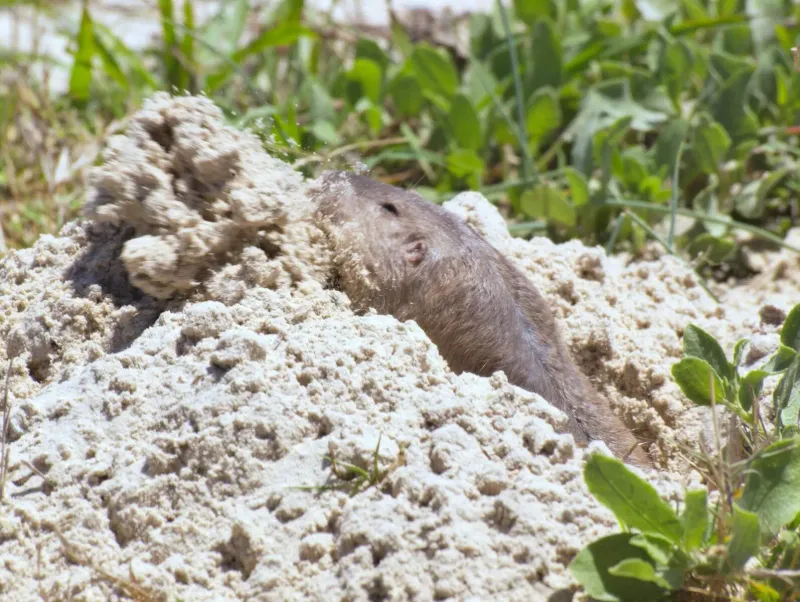
Image Credit: Terry Ross.
The plains pocket gopher is one of Oklahoma’s most devoted underground residents, living so privately that you usually notice its handiwork long before you ever glimpse the animal itself. Those fan-shaped soil mounds scattered across fields are its calling card, marking a hidden tunnel system that may stretch for hundreds of feet.
This is a creature that treats the surface like an inconvenient roof rather than a place to live.
Almost everything important happens below ground, from feeding to nesting to storing food. Pocket gophers move through shallow tunnels to harvest roots and tubers, and they can excavate deeper chambers for sleeping and supplies.
They are beautifully adapted for the job, with strong claws and lips that close behind their teeth so they can dig without swallowing soil.
I find their lifestyle oddly impressive because it is so complete. While many burrowing animals still split time above and below ground, the plains pocket gopher seems fully committed to the hidden life beneath Oklahoma.
Eastern Mole
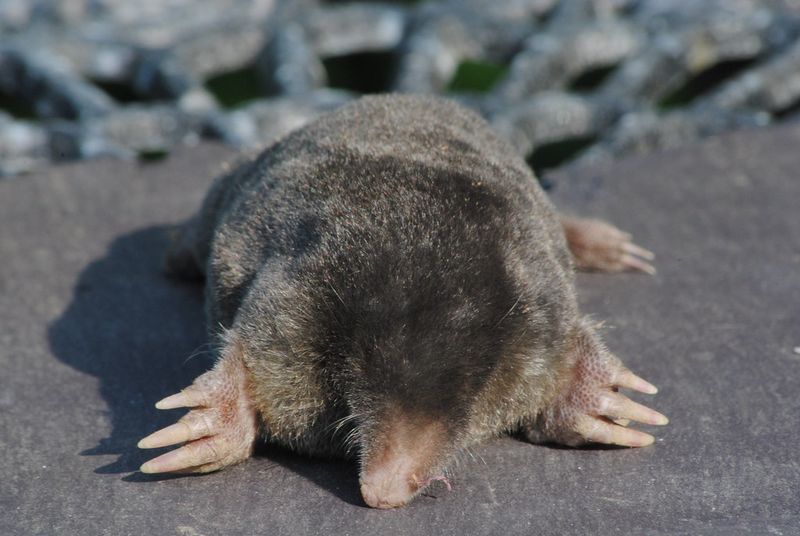
Image Credit: Clint Budd
If you have seen winding raised ridges crossing a lawn or pasture in Oklahoma, an eastern mole was probably beneath them, quietly turning the soil into its personal highway system. This animal is built for darkness and digging, with paddle-shaped front feet that let it tunnel through soft ground at remarkable speed.
It rarely needs to come above ground because almost everything it wants is already underground.
Shallow tunnels near the surface act as feeding routes where the mole hunts earthworms, insects, and other small invertebrates by touch. Deeper permanent tunnels provide shelter and lead to nest chambers lined with grasses or leaves, often placed in protected spots under roots, rocks, or stumps.
It is an efficient setup that keeps the animal safe while food comes to it.
You might not appreciate a mole if it rearranges your yard, but you have to respect the commitment. This is a mammal that has practically turned blindness, sensitivity, and nonstop digging into a successful Oklahoma lifestyle.
Woodchuck (Groundhog)
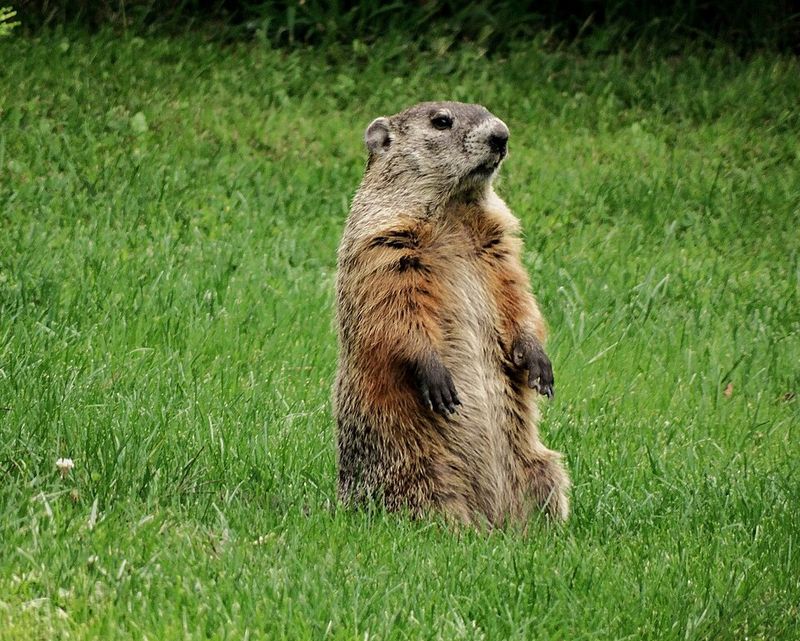
Image Credit: LadyCamera.
Woodchucks are not the first animals many people associate with Oklahoma, but in the wooded eastern part of the state, these chunky diggers live a surprisingly underground-centered life. A woodchuck burrow is more than a simple hole.
It can include multiple entrances, long passageways, side chambers, and separate spaces for sleeping, raising young, and even handling waste away from the main living area.
That level of planning matters because the burrow serves different purposes across the year. It is a summer refuge, a nursery in spring, and a winter shelter when the animal settles into months of hibernation.
Some burrows exceed twenty-five feet of tunnel, creating a secure private bunker beneath brushy slopes, field edges, or woodland openings.
I think what makes the woodchuck memorable is how domestic its underground world feels. Rather than a temporary hideout, the burrow works like a full-service home, designed for comfort, safety, and seasonal routine in a way that feels almost architectural.
Burrowing Owl
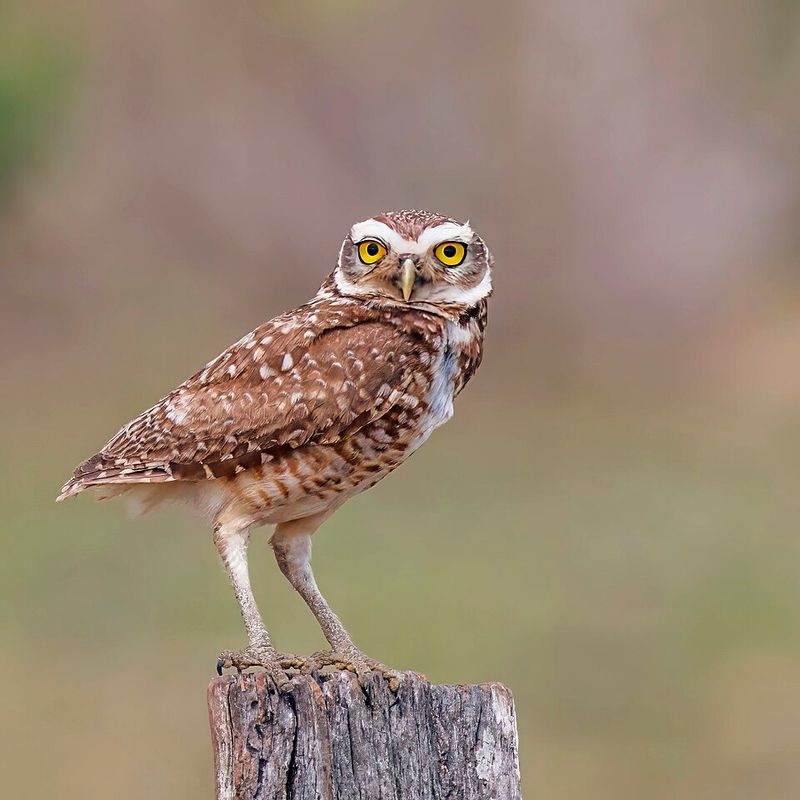
Image Credit: Charles J. Sharp.
The burrowing owl feels like a delightful contradiction, because when you picture an owl, you probably imagine a tree, not a tunnel. In Oklahoma grasslands, this small long-legged species often nests underground in abandoned burrows left by prairie dogs, ground squirrels, armadillos, or other diggers.
Instead of perched high above the landscape, it lives right at eye level with the prairie.
The borrowed burrow offers shade, safety, and a stable nesting chamber a few feet below the surface. Some burrowing owls also place dried manure near the entrance, a strange but useful trick that may help mask scent, reduce moisture problems, and attract insects for quick snacks.
It is clever, practical behavior that fits an animal making the best use of somebody else’s engineering.
I love this bird because it turns the underground world into something unexpectedly charming. Around a burrow entrance, a burrowing owl can look watchful, curious, and completely at home in a place most owls would never consider.
Ord’s Kangaroo Rat
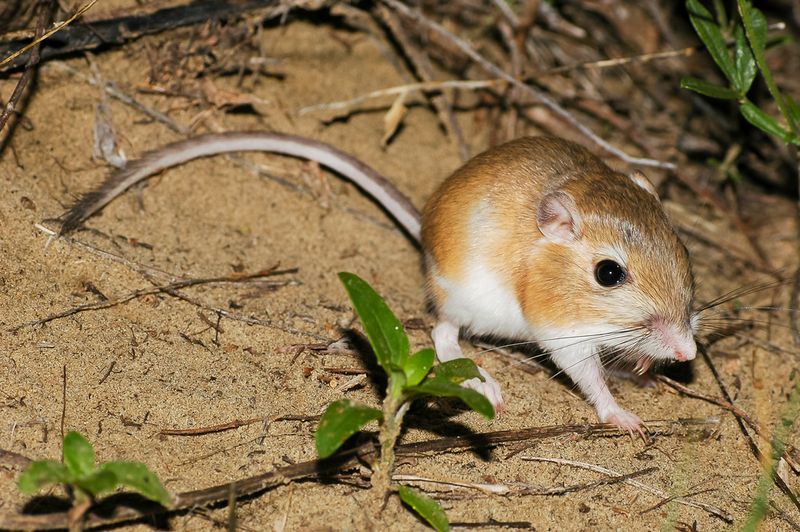
Image Credit: Andy Teucher.
Ord’s kangaroo rat is one of those Oklahoma animals that seems almost designed by imagination first and evolution second. It moves with oversized hind legs, big dark eyes, and a hopping style that makes it look spring-loaded, but its real genius is underground.
In sandy soils, it creates burrow systems with chambers for resting, storing seeds, and escaping danger when the open landscape feels too risky.
Because daytime conditions can be brutally hot and dry, this rodent often plugs burrow entrances to trap cooler, more humid air inside. That simple move turns the burrow into a climate-controlled shelter, letting the animal wait out the harshest hours before emerging at night to forage.
It is an elegant survival strategy that feels both minimal and smart.
What I find especially impressive is how much life support fits into one small tunnel system. Food storage, moisture retention, temperature control, and predator avoidance all happen in a hidden sandy apartment beneath the Oklahoma surface.
Thirteen-lined Ground Squirrel
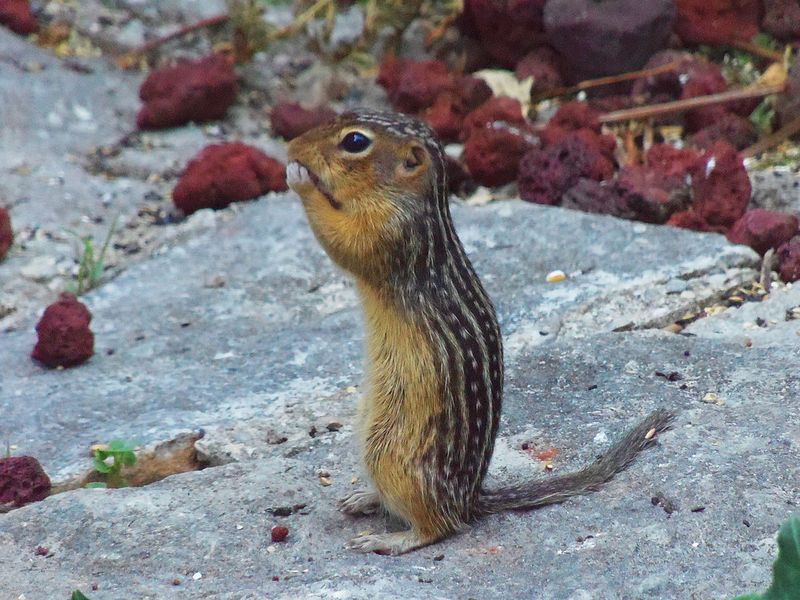
Image Credit: Jim Bauer.
The thirteen-lined ground squirrel may look small and tidy above ground, but it relies on burrows for nearly every important part of life in Oklahoma’s open country. You will often see one standing upright at a tunnel entrance like a tiny guard on duty, pausing to scan for danger before diving back underground.
That alert posture makes sense when hawks, snakes, and other predators are always part of the equation.
Its burrows are usually shallower than the elaborate systems of prairie dogs or gophers, yet they remain essential for shelter, raising young, and escaping heat. During the coldest part of the year, this squirrel retreats into a deeper hibernation burrow and slows down dramatically.
Its body temperature can drop to an astonishingly low level, helping it survive months when food is scarce.
I like this species because it combines visibility and secrecy so well. It can be one of the easier burrow users to spot, yet its real life still unfolds largely beneath the grass.
Eastern Spotted Skunk
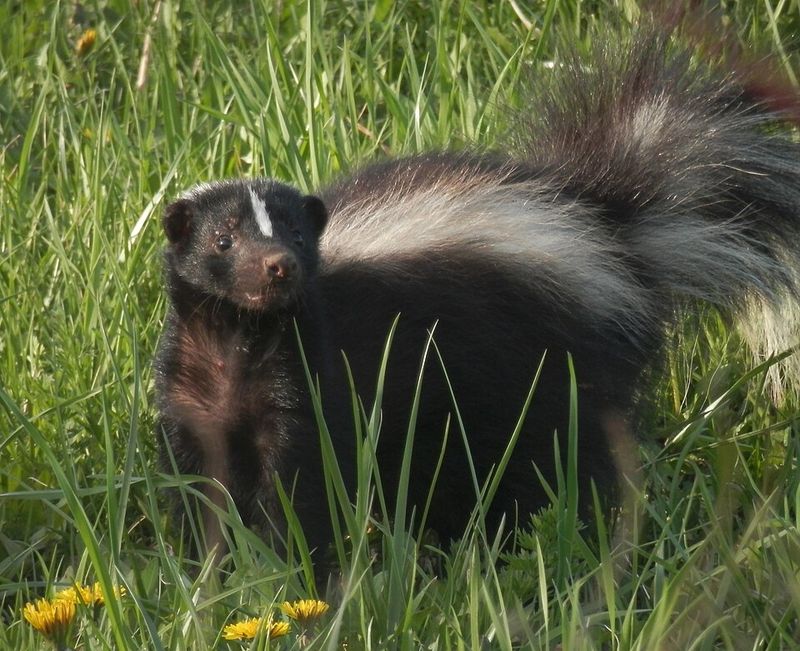
Image Credit: Ryan Hodnett.
The eastern spotted skunk does not always dig its own shelter, but it definitely knows how to use Oklahoma’s hidden spaces well. More agile and secretive than the better-known striped skunk, it often takes advantage of burrows made by other animals, along with rock crevices, hollow logs, and similar protected dens.
During the day, these tucked-away shelters keep it concealed while the world above stays busy.
At night, the skunk slips out to hunt insects, small animals, and other easy meals, then disappears again before sunrise. Those dens are especially important during breeding and family life, offering secure places to raise young away from predators and bad weather.
A borrowed burrow may not be glamorous, but for a cautious nocturnal hunter, it is exactly the right kind of real estate.
I think this species deserves more attention because it uses the underground network with such adaptability. It is less a master digger than a master opportunist, turning other creatures’ hard work into safe, effective shelter.
Plains Spadefoot Toad
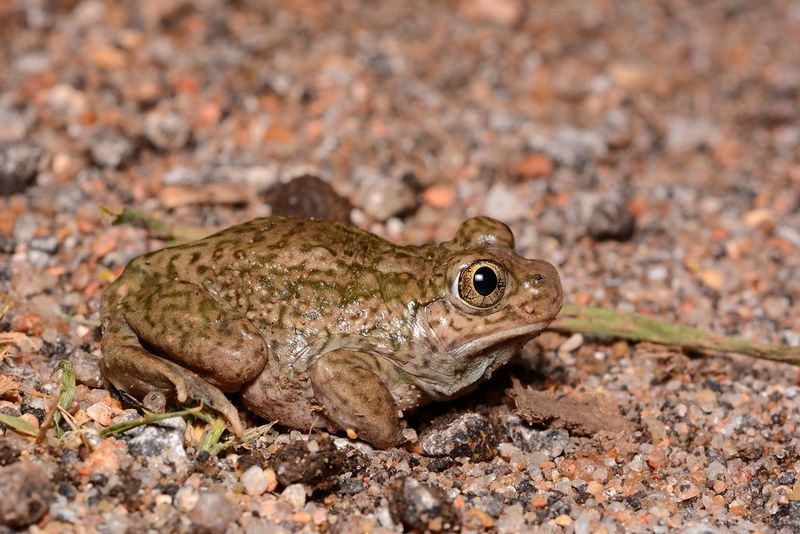
Image Credit: Andrew DuBois.
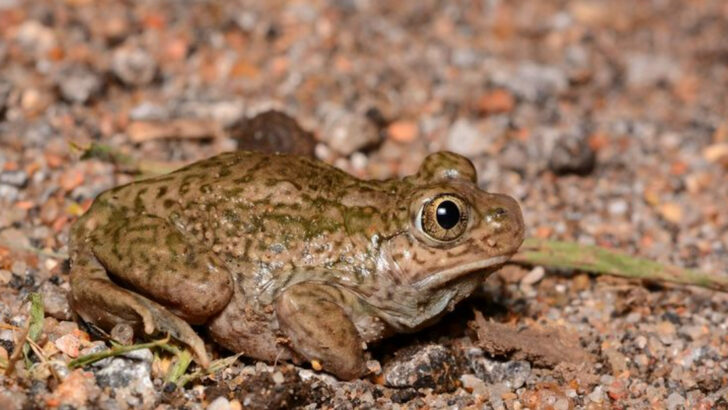
The plains spadefoot toad is one of the most dramatic examples of underground survival in Oklahoma, especially when dry weather settles in for long stretches. Instead of waiting helplessly at the surface, this toad burrows backward into loose soil using hardened spade-like growths on its hind feet.
Once underground, it can remain hidden for months, and in some conditions even longer, while heat and drought punish the land above.
That buried existence is all about patience and timing. The toad stays sealed in the soil until heavy rains arrive, then emerges quickly to breed in temporary pools that may appear almost overnight.
These sudden breeding events can feel explosive, with animals calling, mating, and laying eggs in a narrow window before the water disappears again.
I think that rhythm makes the plains spadefoot unforgettable. It spends so much of life seemingly absent, then suddenly reappears as if the storm itself unlocked a secret compartment beneath Oklahoma and released a creature built for perfect timing.
Devil Crawfish
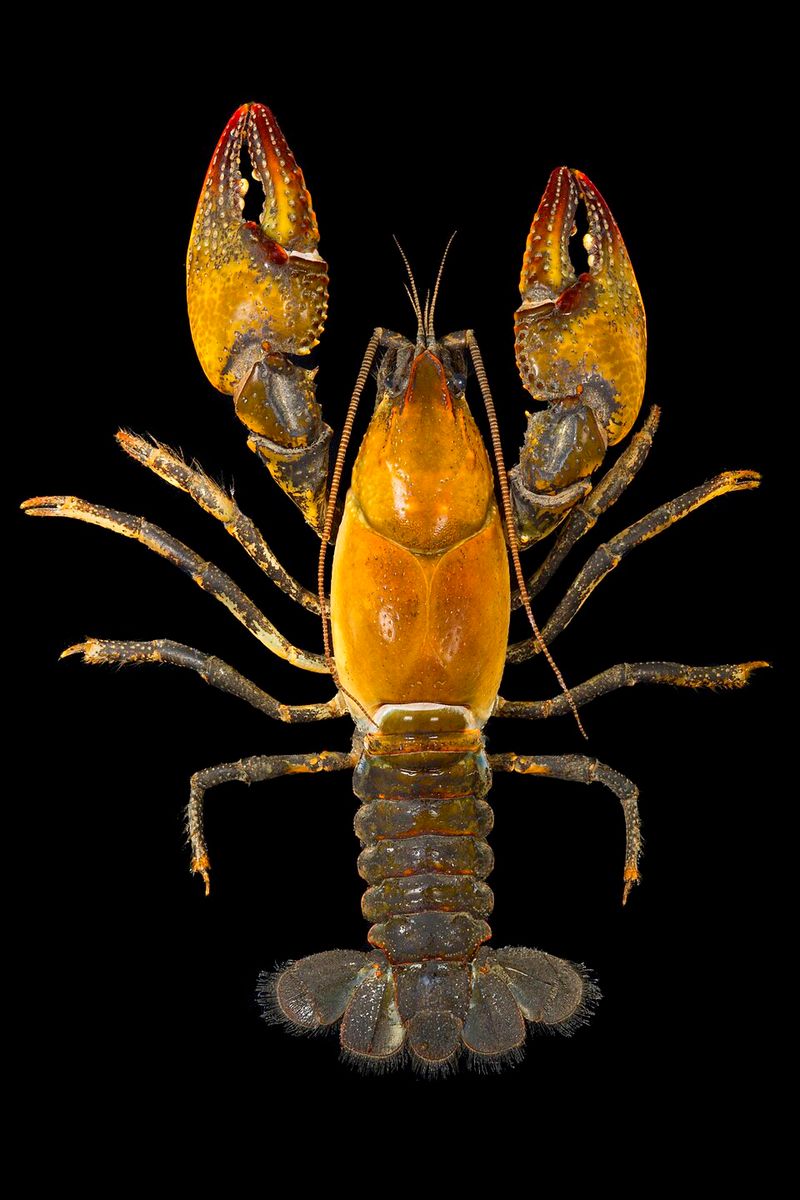
Image Credit: Lacunicambarus.
The devil crawfish proves that in Oklahoma, even a crayfish can live a surprisingly private life underground. Rather than staying in open ponds or streams all the time, burrowing crayfish dig deep tunnels in wet meadows, roadside ditches, and other soggy places where the water table stays within reach.
Their burrows may be marked by muddy chimneys or low piles of excavated soil that look like tiny handmade towers.
Inside, the tunnel leads to moisture and small pooled chambers that let the crayfish survive away from visible surface water. Some burrows are modest, while others can reach impressive depths depending on species and soil conditions.
It is a strange but effective setup, turning a patch of wet ground into a vertical refuge with enough dampness to support almost an entire life underground.
I love how unexpected this animal feels. When most people picture something living below Oklahoma, they imagine a mammal or toad, not a mud-building crustacean quietly vanishing into its own chimneyed bunker.