
Florida feels like a different planet after sunset, when the heat softens and the shadows start moving with hidden life. Animals that seem ordinary by day suddenly become eerie, elegant, or shockingly well equipped for darkness.
If you have ever heard a splash, a screech, or a rustle in the black and wondered what owned the night, this list is for you. These are the Florida creatures that truly put on their best performance when the sun disappears.
American Alligator
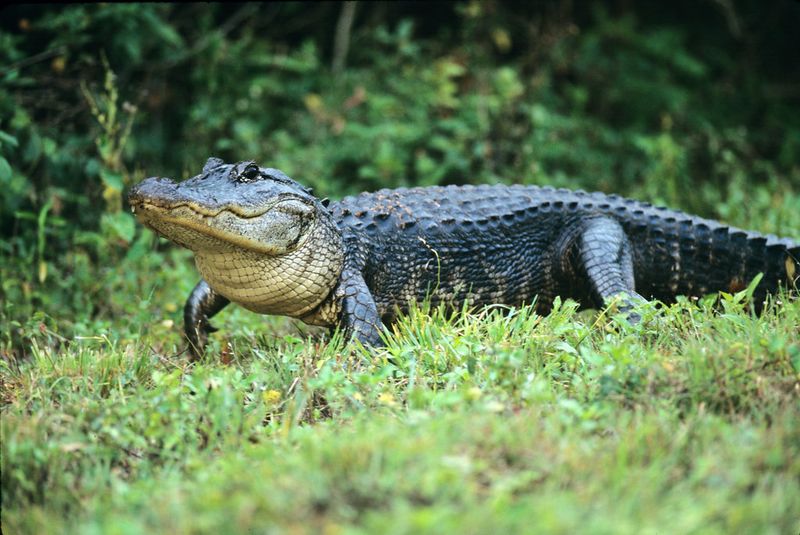
Image Credit: Larry Rana.
After dark, the American alligator stops looking like a lazy sunbather and starts feeling like pure Florida legend. Sweep a flashlight across still water and you may catch that famous eyeshine, often yellow or orange in adults, hovering above the surface like two burning dots.
That glow comes from a reflective layer behind the retina called the tapetum lucidum, which helps the animal see far better than you can in dim conditions.
Night is also when alligators become serious hunters, cruising shorelines and marsh edges from dusk to dawn while many prey species are active. Sensitive pressure receptors packed around the jaws can detect tiny ripples and vibrations, even in murky water where vision matters less.
With cooler temperatures, less disturbance, and senses built for darkness, an alligator after sunset feels less like a reptile and more like the swamp itself deciding to move.
Florida Panther
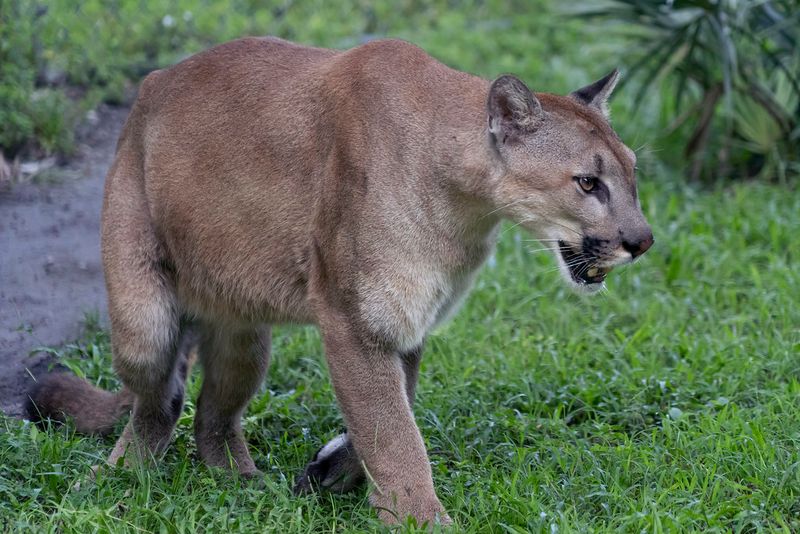
Image Credit: greyloch
The Florida panther is the kind of animal that makes darkness feel intentional. By day, it is so elusive that most people never see one, but nighttime is when this rare cat becomes a quiet force in the scrub, pine flatwoods, and swampy cover of South Florida.
Strong low light vision, sharp hearing, and a patient stalking style let it move through thick habitat with almost no warning for deer, hogs, and smaller prey.
What makes the panther especially impressive after dark is how perfectly it matches the landscape it hunts in. Roads quiet down, people disappear, and the cat can travel, scent mark, and patrol wide territories with less human disturbance.
Every part of its behavior seems tuned for secrecy, from the slow placement of its paws to the sudden burst that ends a stalk. At night, the Florida panther is not just active – it is finally operating on its own terms.
Barn Owl
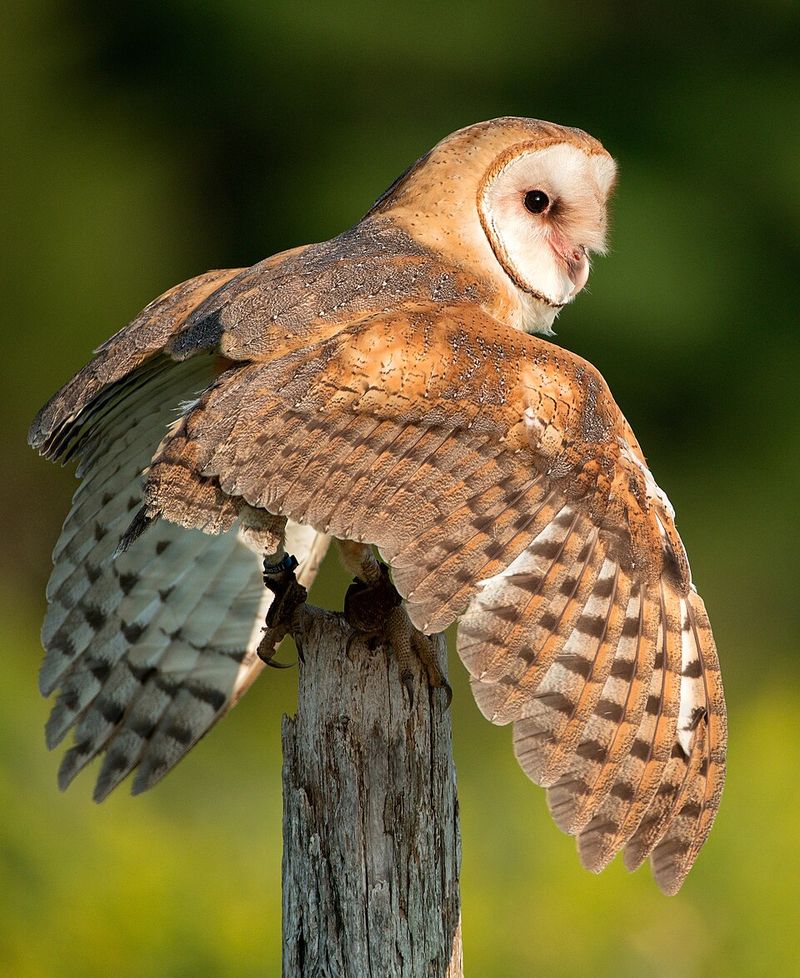
Image Credit: Peter K Burian.
A barn owl at night feels less like a bird and more like a ghost with a hunting plan. Its pale body flashes through darkness while that heart shaped face acts like a living satellite dish, funneling sound toward ears placed unevenly on the skull.
That unusual setup lets the owl pinpoint a mouse in near total darkness, even when the prey is hidden by grass or leaf litter.
The wings deserve their own applause because they are built for silence. Special fringed feathers break up turbulence, helping the owl glide with barely a whisper before dropping onto a rodent that never hears what is coming.
In Florida fields, ranchlands, and open country, this predator becomes most impressive when sight matters less than sound. Watching one float over a pasture under moonlight makes you realize that nighttime does not belong to the loudest hunter.
Sometimes it belongs to the one that leaves the air itself almost undisturbed.
Virginia Opossum
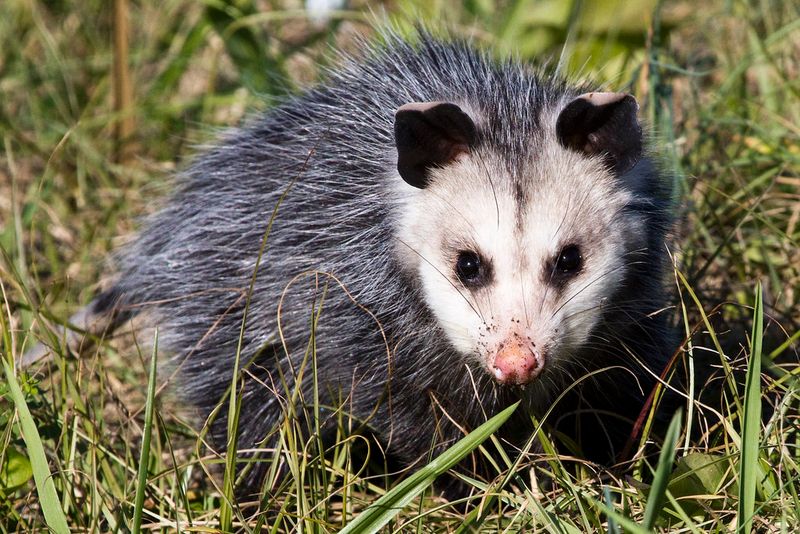
Image Credit: Orsulak, USFWS
The Virginia opossum does not get much glamour in daylight, but nighttime is where it starts to look surprisingly talented. Once the sun goes down, this shaggy scavenger turns into a calm, capable forager that moves through yards, hammocks, and woodland edges with a nose that seems to know exactly where everything edible is hiding.
Fruit, insects, eggs, carrion, and leftovers all end up on the menu, making the opossum one of Florida’s most adaptable night workers.
Its prehensile tail and clever climbing ability let it navigate branches and fences with more confidence than you might expect from such an awkward face. The slow movement is part of the charm, because it feels methodical rather than clumsy when you watch one pause, sniff, and continue along a dark route.
At night, the opossum becomes a useful cleanup crew, a tree climber, and a quiet survivor all at once. It may never look majestic, but after dark it absolutely looks built to persist.
Raccoon
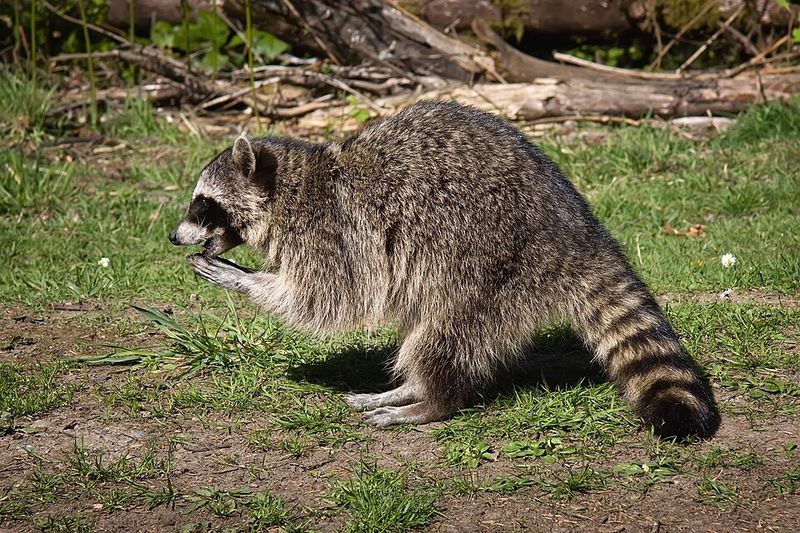
Image Credit: Steven Pavlov.
Raccoons already seem mischievous by day, but at night they become astonishingly precise. Florida’s raccoons rely on front paws loaded with touch sensitivity, using them almost like little hands with built in sensors to probe mud, flip debris, and feel for crayfish, shellfish, or anything edible along shorelines and canals.
In darkness, that tactile talent matters more than looks, and it turns the animal into a patient, efficient searcher.
What really stands out after sunset is how confidently a raccoon works through places you would struggle to navigate without a flashlight. It can move between mangroves, backyards, docks, and marsh edges while constantly investigating textures and shapes with those famous paws.
You get the sense that it is reading the world through touch, not just sight. That makes nighttime raccoons feel almost overqualified for ordinary scavenging.
In the dark, they are not just mask faced raiders of coolers and trash cans – they are dexterous problem solvers operating in their best shift.
Nine-Banded Armadillo
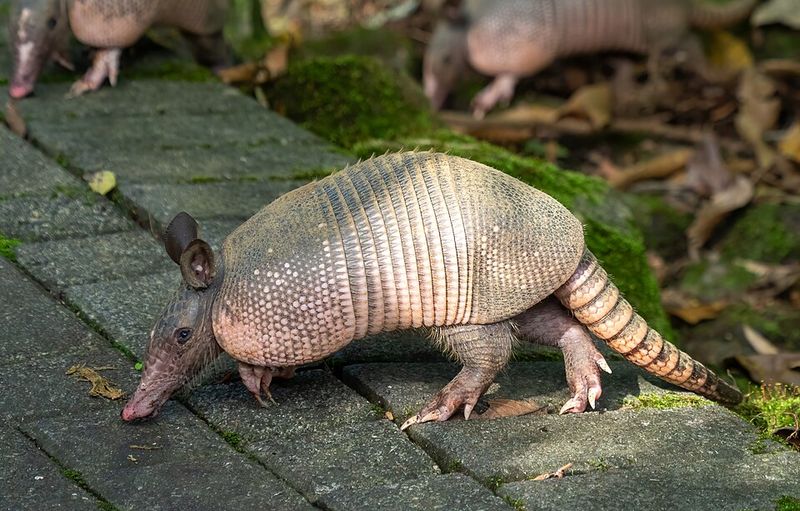
Image Credit: Rhododendrites.
The nine banded armadillo looks almost invented, and nighttime somehow makes it seem even stranger. This armored digger is usually far more active after dark, nosing through sandy soil and leaf litter with a strong sense of smell while its famously poor eyesight barely matters.
In Florida scrub, forests, and suburban edges, it spends the night rooting out grubs, beetles, ants, and other hidden snacks with stubborn focus.
There is something impressive about how specialized the animal feels once the world quiets down. It does not need grace or speed to succeed when a pointed snout, powerful claws, and persistence can open up the ground itself.
You may hear an armadillo before you see it, rustling and snuffling like a tiny excavation crew that forgot to clock out. The armor adds to the surreal effect, especially in moonlight, where each plate catches a faint shine.
After dark, the armadillo becomes less of a curiosity and more of a determined underground hunter.
Southern Flying Squirrel
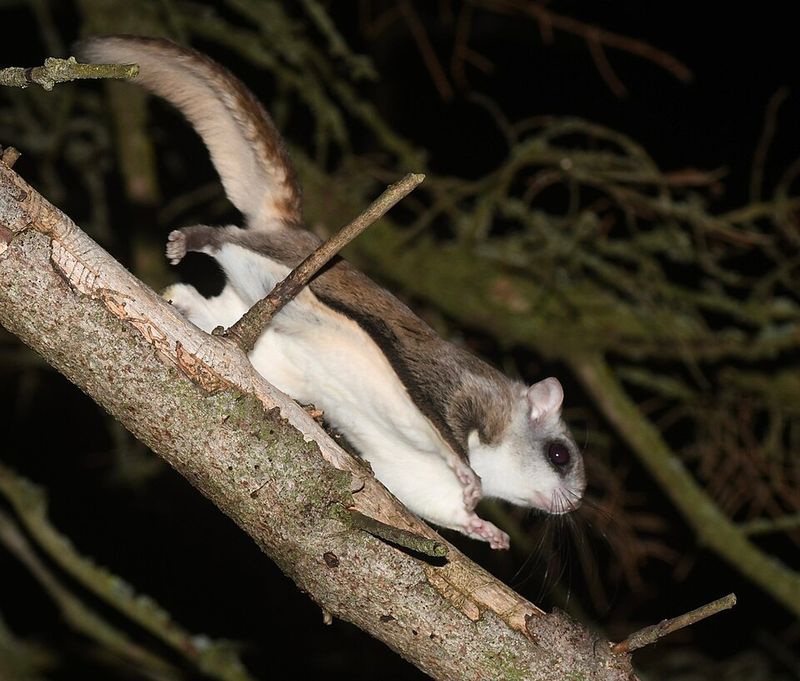
Image Credit: Henrique Pacheco.
Most people have no idea how many southern flying squirrels are out there because they wait for darkness to reveal themselves. In Florida woodlands and neighborhoods with mature trees, these tiny mammals leave nest cavities and launch into the night, spreading a furred membrane between their limbs to glide silently from trunk to trunk.
Large eyes adapted for low light give them a wide, watchful look that feels perfectly matched to moonlit branches.
The real magic is in how effortless the glide appears. Instead of scrambling down and back up every tree like a typical squirrel, this one turns the forest into an aerial map, steering, banking, and landing with surprising control.
At night, that skill is both practical and theatrical, helping it find nuts, seeds, fungi, and insects while avoiding many ground threats. If you catch one crossing a beam of porch light, it looks like a tiny cape wearing acrobat.
After dark, the southern flying squirrel feels like Florida’s quietest little superhero.
Firefly
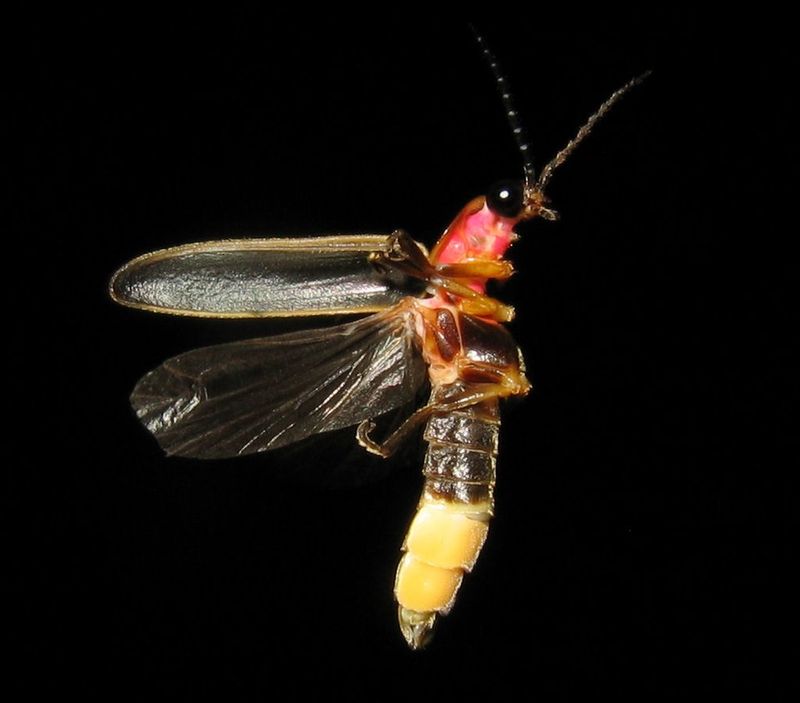
Image Credit: art farmer .
Fireflies turn a Florida night from ordinary to enchanted in seconds. During the day they are easy to overlook, but after sunset their bodies become tiny lanterns, flashing species specific patterns meant to attract mates across warm fields, wetlands, and wooded edges.
What seems romantic to you is actually precise communication, with each blink sequence acting like a coded message in the dark.
That is what makes them so impressive after dark – their best feature literally cannot perform in daylight. A meadow that looked empty at noon may suddenly pulse with drifting greenish lights, each one part of an invisible conversation happening above the grass.
Humid air, stillness, and darkness give the signals room to shine, and the effect can feel almost unreal if you stand quietly long enough. Fireflies also remind you that nighttime beauty does not have to roar, sprint, or stalk to dominate attention.
Sometimes the most unforgettable creature in Florida’s dark hours is one that simply flashes, waits, and answers another light.
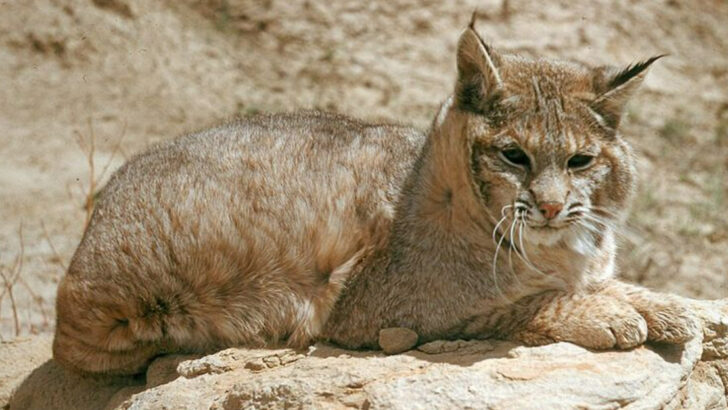
Bobcat
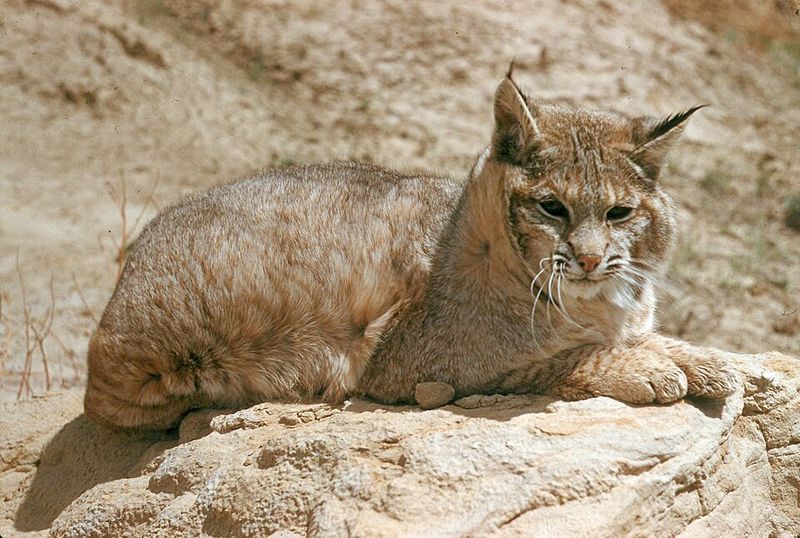
Image Credit: Garst, Warren.
The bobcat is one of those animals that can vanish into Florida scenery so completely that nighttime feels like its true camouflage. While it may move in daylight too, this cat often becomes far more active after sunset, using keen night vision and sharp hearing to hunt rabbits, rodents, and birds through scrub, forest, and marsh edges.
Every detail, from the tufted ears to the compact body, seems made for efficient stalking in dim cover.
What makes a bobcat impressive in darkness is not just its senses, but its confidence. It can freeze into invisibility, then advance with such quiet control that prey gets almost no warning before the final rush.
In moonlit palmetto country, it looks less like a housecat’s wild cousin and more like a small, perfectly engineered ambush machine. Because it is widespread yet seldom noticed, seeing one at night feels especially memorable, like catching a private performance.
After dark, the bobcat becomes a reminder that Florida’s hidden predators are often closer than you think.
Florida Bonneted Bat
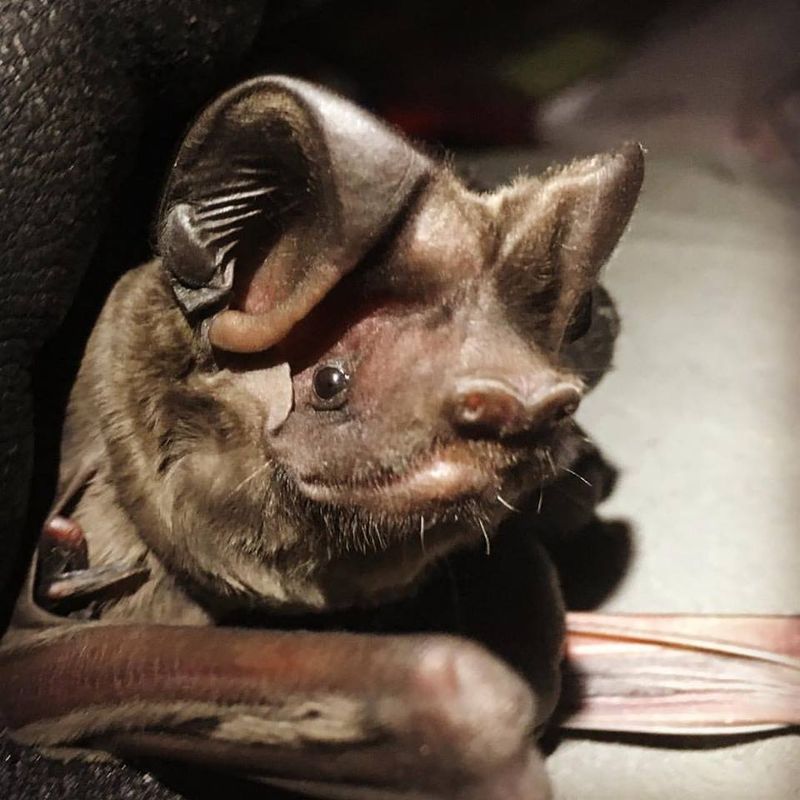
Image Credit: Shalana.gray.
The Florida bonneted bat is so rare that simply knowing it is overhead adds a little drama to the night sky. This Florida endemic emerges after sunset from tree cavities and buildings, then heads out to chase large flying insects using echolocation calls too low for you to hear.
In complete darkness, it maps the air with sound, turning empty space into something detailed, navigable, and full of targets.
Its name comes from the unusually shaped ears, which help give the bat a distinctive look among North American species. What makes it impressive after dark is the combination of rarity, speed, and sensory sophistication packed into such a small mammal.
While you notice only darkness above, the bonneted bat may be threading through the night with perfect awareness, avoiding obstacles and locking onto prey in seconds. Because it lives in a world most people never witness directly, it feels almost secretive by design.
After sunset, this bat becomes one of Florida’s most extraordinary reminders that the sky itself has a nocturnal food web.
American Crocodile
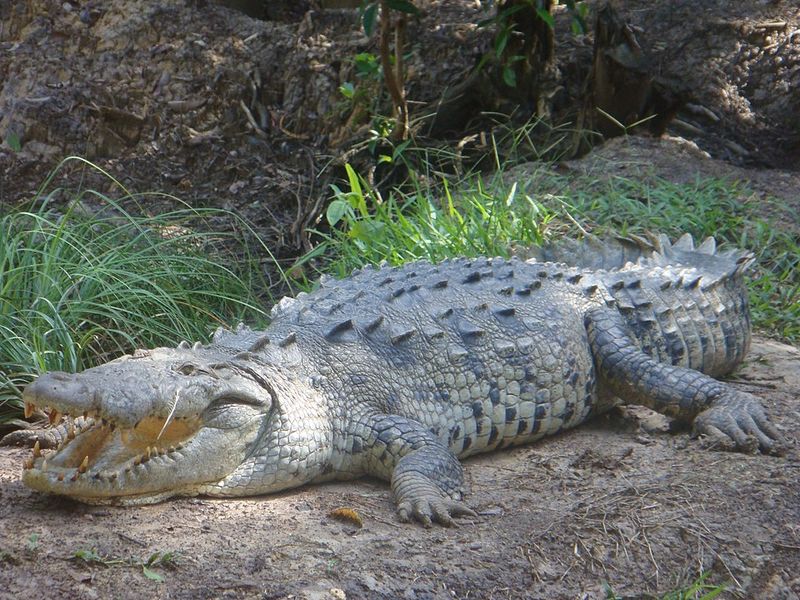
Image Credit: Ken_Mayer.
The American crocodile gives South Florida nights a very different kind of edge. Found in brackish waters around mangroves, coastal creeks, and sheltered shorelines, it often does much of its hunting after sunset, when low light and quiet conditions favor ambush.
Shine a light across dark water and you may catch the telltale eyeshine staring back, a vivid sign that something ancient is already aware of you.
Like the alligator, the crocodile benefits from excellent low light vision that helps it detect fish and other prey when the day crowd is gone. Night also flattens the landscape around it, making the animal seem even more perfectly built for surprise, with only eyes and snout breaking the surface before a sudden strike.
Because American crocodiles are less commonly encountered than alligators, seeing one at night feels especially memorable and a little unreal. In darkness, the species sheds any trace of reptile stereotype and looks exactly what it is – a highly tuned coastal predator that belongs there.
Chuck-Will’s-Widow
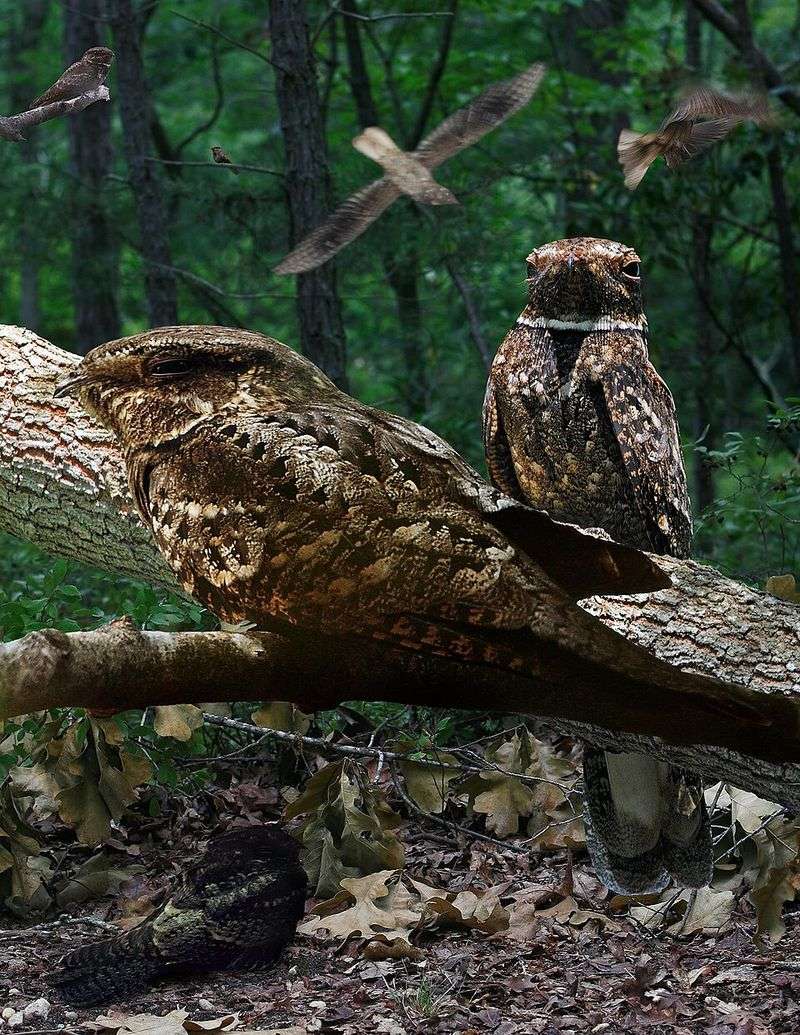
Image Credit: Richard Crossley.
You are far more likely to hear a Chuck-Will’s-widow than actually see one, and that is part of its nighttime power. This large nightjar melts into leaf litter and bark by day, then comes alive after dusk with a haunting, repetitive call that rolls through Florida woodlands like a voice from somewhere older than the trees.
Once active, it hunts flying insects and can even take small bats, using a huge mouth and excellent low light vision.
Its performance after dark feels theatrical even when the bird stays hidden. The song carries through warm air, marking territory and drawing attention while the hunter itself slips through the shadows almost invisibly.
Because its plumage is built for camouflage, any close look at one in flashlight or moonlight feels like discovering a secret the forest almost kept. There is also something deeply Florida about hearing that call from a sandy pine road at night and realizing the darkness has its own soundtrack.
This bird turns sound into presence before sight ever catches up.
Ghost Crab
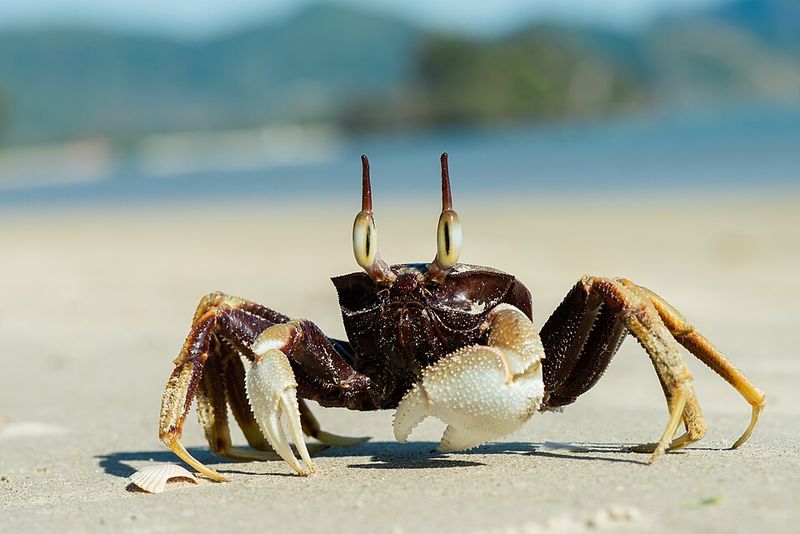
Image Credit: Rushenb.
Ghost crabs look built for moonlight, not midday. Their pale bodies blend so well with Florida sand that they can seem to appear from nowhere after sunset, emerging from burrows to patrol beaches in search of food.
They scavenge, hunt small prey, and move with startling speed, making them some of the most athletic creatures you will meet on a nighttime shoreline.
What makes them especially impressive is the contrast between their size and their performance. One moment the beach seems empty, and the next a crab is sprinting sideways with ridiculous acceleration, stopping hard, then vanishing again like a wind up toy with survival instincts.
That speed helps them escape predators and chase opportunities before danger catches up. At night, their large eyes and quick reactions feel perfectly suited to a world of shifting shadows, waves, and shorebirds.
Watching ghost crabs on a quiet beach can make the sand itself feel awake, populated by tiny runners carrying out secret business while most of the coast assumes the day is over.
Scorpion
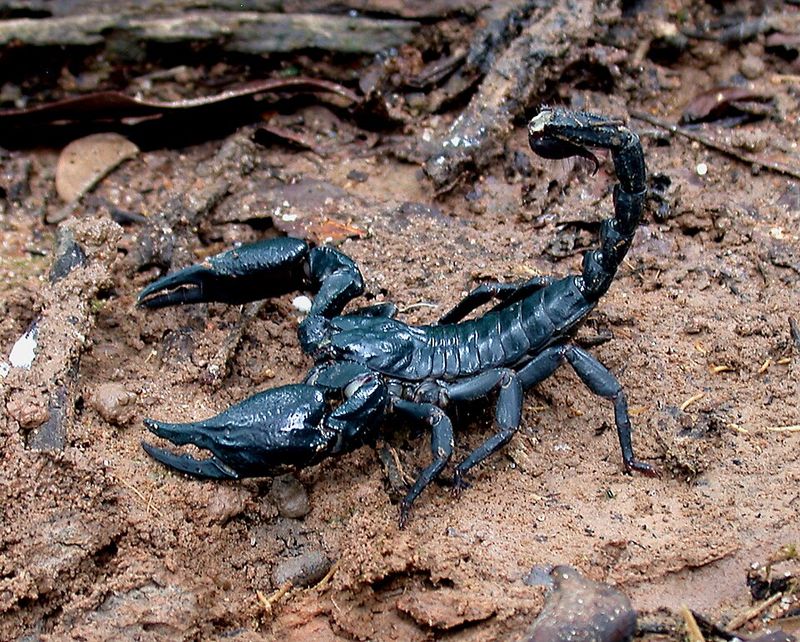
Image Credit: Len Worthington.
Scorpions already look like creatures from another era, but nighttime gives them a feature that feels almost supernatural. Under ultraviolet light, Florida scorpions glow a vivid blue green because of compounds in their exoskeleton, creating one of the strangest and most exciting wildlife experiences you can have with a flashlight.
A patch of ground that seemed empty can suddenly reveal tiny luminous hunters hiding in plain sight.
Researchers still debate exactly why that fluorescence exists, which only adds to the mystery. What you notice first, though, is how dramatically the animal changes once normal darkness is replaced by UV light, as if a secret identity has switched on.
It turns a simple night walk into a treasure hunt with a slightly creepy reward at the end of every careful scan. Scorpions are active predators that use pincers and a venomous tail to tackle insects and other small prey, but their glow is what seals the memory.
After dark, they become less like backyard arthropods and more like tiny electric warnings from the sand.
Luna Moth
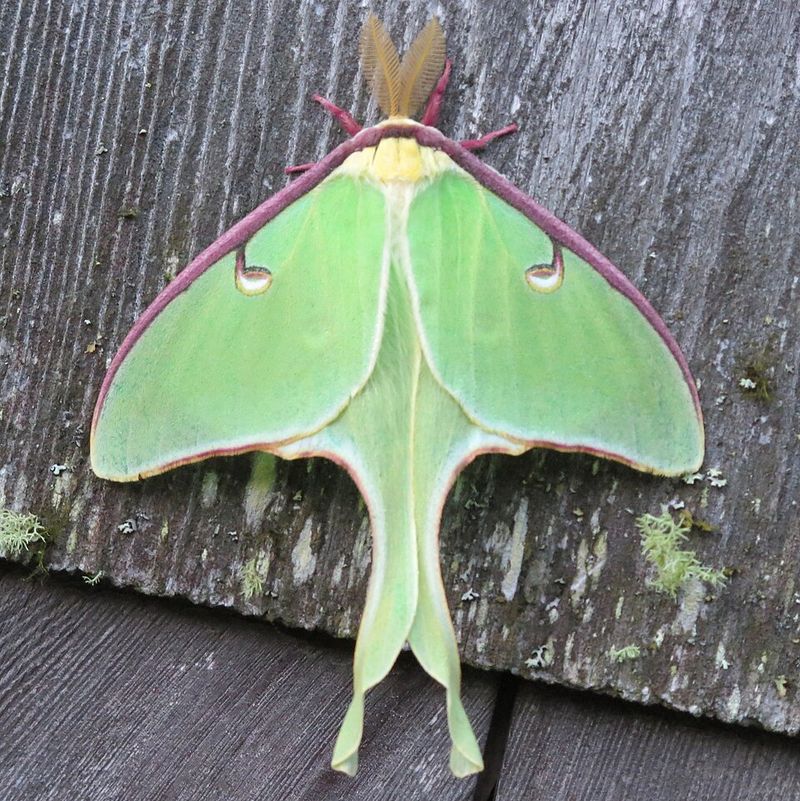
Image Credit: David notMD.
The luna moth looks almost too delicate for real life, which is exactly why seeing one at night feels unforgettable. Its pale green wings, long tapering tails, and soft glow in dim light give it a dreamlike quality, yet the adult moth exists for only about a week and never eats at all.
That brief life is focused almost entirely on reproduction, making every night matter.
What makes the luna moth especially impressive after dark is the sensory world it depends on. Males use feathery antennae to detect a female’s pheromones from remarkable distances, following invisible chemical trails through darkness with astonishing precision.
The whole story feels dramatic – emerge, find a mate, lay eggs, and disappear before the short clock runs out. Because daylight washes away much of its mystery, nighttime is when the species feels most complete, suspended between elegance and urgency.
If one lands near a porch light or drifts past a wooded edge, it does not just look beautiful. It looks like proof that some of Florida’s finest wildlife moments are incredibly brief.