
Some animals in West Virginia look less like wildlife and more like rejected fantasy creature sketches. You could spend a lifetime hiking these mountains and still be shocked by what is hiding under rocks, gliding through spruce forests, or staring back from a muddy stream.
From handstanding skunks to salamanders nicknamed snot otters, this list proves the Mountain State has a truly strange cast of locals. If you love creatures that seem impossible until you see the evidence, you are in the right place.
Eastern Hellbender
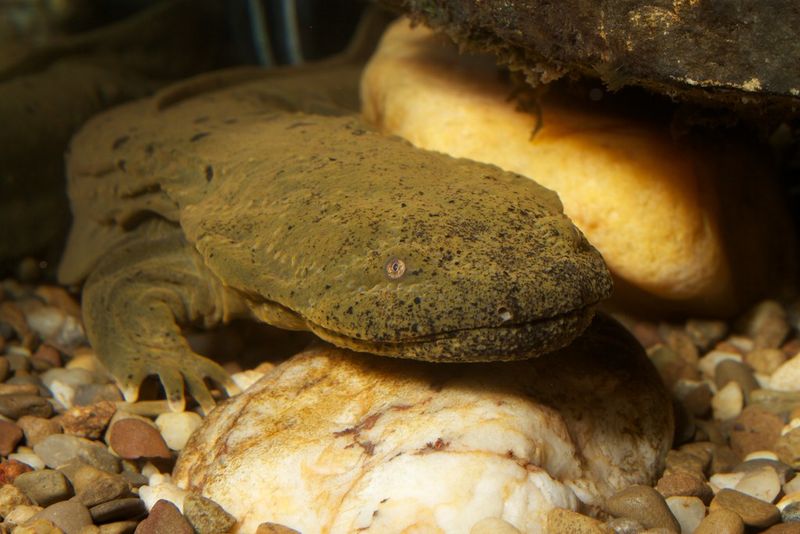
If you told me West Virginia streams hide a giant salamander nicknamed the snot otter, I would assume you were trying to prank me. Then you see an Eastern Hellbender and realize nature sometimes leans fully into creature-design chaos.
It can grow past two feet long, wears wrinkled skin like wet lasagna, and spends its life tucked under big flat rocks in cold, fast water.
Those strange folds are not just for looks. They help the animal absorb oxygen directly from the stream, which is why hellbenders need clean, well-oxygenated rivers to survive.
In a weird way, this ugly masterpiece is also a living water-quality report card.
Despite the mud-devil reputation, it is harmless to people and far more vulnerable than threatening. Seeing one would feel like discovering a survivor from another age, half amphibian and half legend.
Honestly, if any West Virginia animal deserves mythical status, this slippery old river dragon has earned it.
Star-Nosed Mole
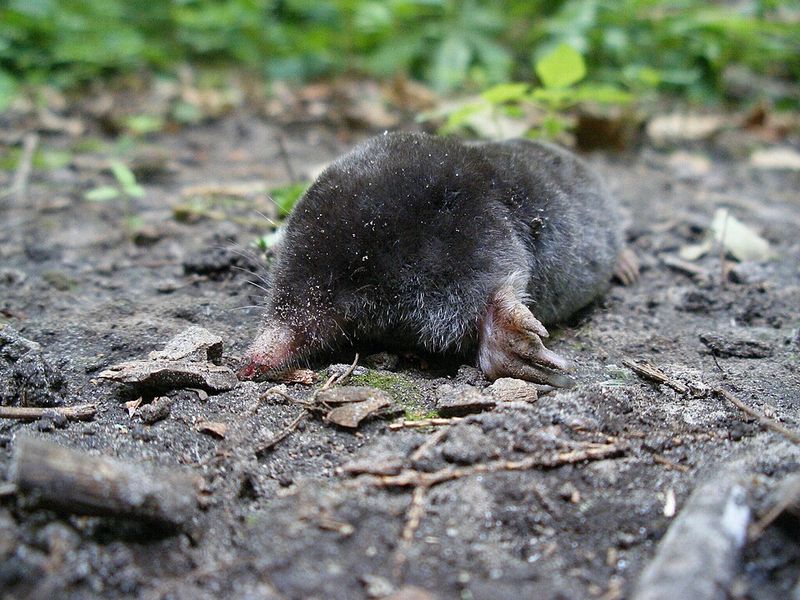
Image Credit: Paul Prior.
The Star-Nosed Mole looks like somebody attached a tiny sea creature to the front of a mammal and decided that was good enough. Its nose is surrounded by 22 pink, fleshy tentacles, creating one of the strangest faces you will ever find in West Virginia.
Even better, that bizarre star is not decoration – it is an ultra-sensitive tool packed with touch receptors.
This little tunnel expert lives in moist soils near wetlands, ponds, and streams, where it moves through mud with startling speed. It can identify and gobble prey in fractions of a second, making it one of the fastest eaters in the mammal world.
Somehow, it is also a capable swimmer and can even smell underwater by using bubbles.
That last detail alone sounds made up, but it is real. The more you learn about this animal, the less it resembles an ordinary mole and the more it feels like a biological experiment that escaped into the marsh.
West Virginia definitely did not settle for boring underground wildlife.
American Woodcock
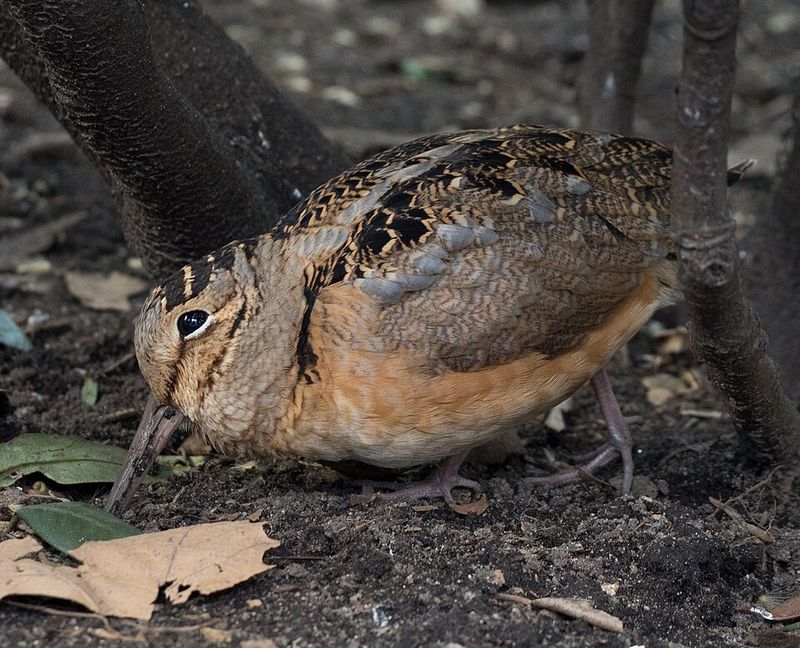
Image Credit: Rhododendrites.
The American Woodcock looks like a bird assembled from leftover parts, yet it somehow all works. Its body is round and plump like a feathered football, its bill is absurdly long, and its eyes sit so high and far back that the whole face seems designed by committee.
In West Virginia, this oddball is a regular at moist forest edges and brushy cover.
Those misplaced-looking eyes give it an almost panoramic view, which is useful when your beak is buried in the ground hunting worms. Even stranger, the tip of that bill can flex open underground to grab prey without pulling the whole thing out.
Add in its funny rocking walk, and the woodcock starts feeling less like a bird and more like a very committed sketch.
I love that something this weird is still considered common. It proves you do not need a remote jungle or deep ocean trench to find animals that look improbable.
Sometimes all it takes is a dusky West Virginia thicket and a little patience to spot a timberdoodle at work.
West Virginia Northern Flying Squirrel
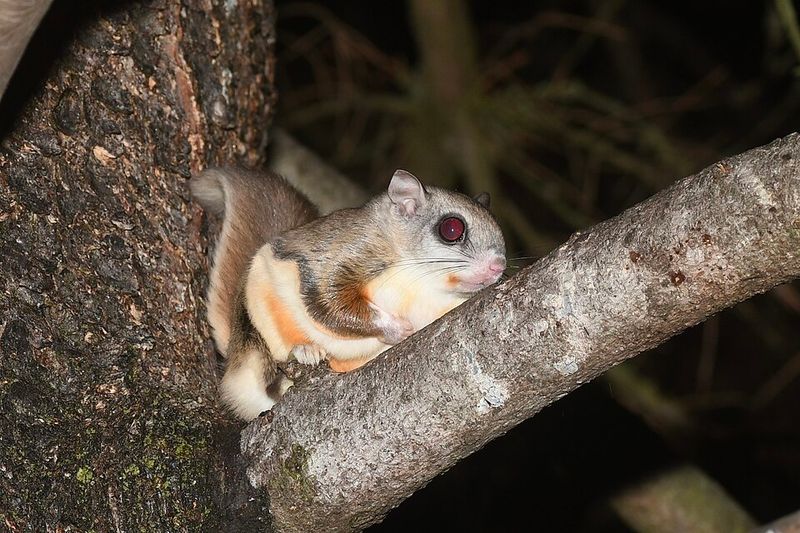
Image Credit: Henrique Pacheco.
The West Virginia Northern Flying Squirrel already sounds like a creature invented for a bedtime story, and then you see the details. It has enormous dark eyes, silky fur, and a stretchy membrane between its limbs that lets it glide through high mountain forests like a tiny woodland phantom.
Found in red spruce habitat in the Alleghenies, this endangered squirrel feels built for moonlight.
It does not truly fly, but that hardly makes it less impressive. It can launch from tree to tree, silently crossing dozens of feet and even making sharp turns before landing.
For an animal that weighs only a few ounces, it has a surprisingly dramatic way of moving through the forest.
What makes it even cooler is that this strange little glider helps the ecosystem by spreading fungal spores while feeding on fungi and lichens. So yes, it looks magical, but it also has a real job to do.
If you ever needed proof that West Virginia wildlife can be both weird and essential, this squirrel makes the case beautifully.
Six-Spotted Fishing Spider
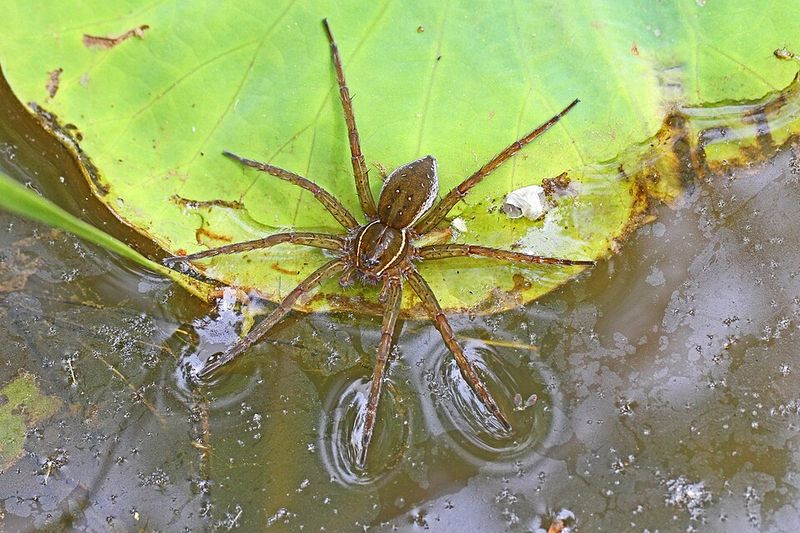
Image Credit: Judy Gallagher.
If there is a spider designed to make hikers do a double take, it is the Six-Spotted Fishing Spider. This large arachnid does not just cling to leaves or webs like you might expect.
In West Virginia wetlands and stream edges, it can skate across the surface of water like it forgot the normal rules of being a spider.
Its legs are covered with water-repellent hairs, allowing it to stand and run on ponds and streams with eerie confidence. When danger shows up, it can dive underwater and trap a thin layer of air against its body, staying submerged far longer than most people would guess.
It also hunts actively, grabbing insects, tadpoles, and even small fish without relying on a web.
That combination makes it feel less like a backyard spider and more like a miniature lake monster with eight legs. I know it sounds dramatic, but anything that can walk on water and vanish beneath it deserves some theatrical respect.
West Virginia really knows how to make ordinary categories feel completely unreliable.
Hellgrammite
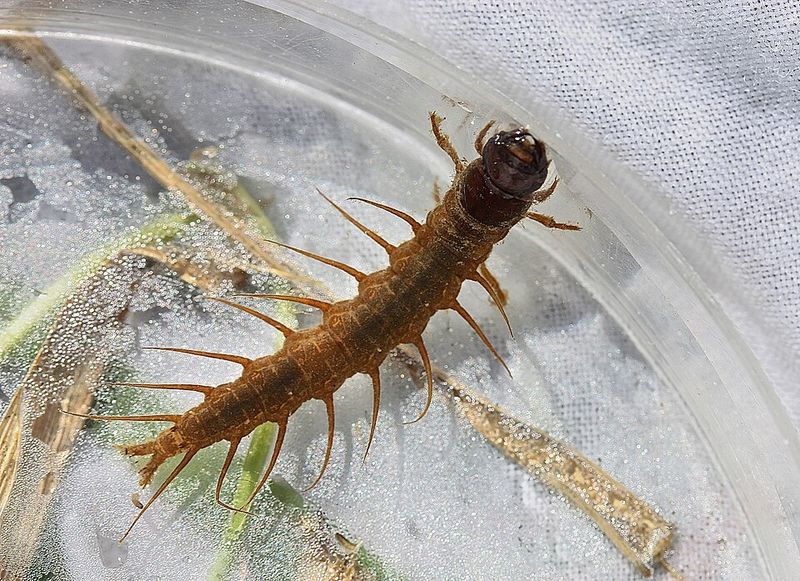
Image Credit: Bob Henricks.
The Hellgrammite sounds fictional before you even see it, which is honestly fair. This fierce-looking creature is the larval stage of the dobsonfly, and in West Virginia rivers it lurks under rocks like a tiny armored monster from a late-night sci-fi movie.
It has a segmented body, side filaments, and large pinching jaws that can deliver a memorably painful bite.
For years, it lives in fast, clean streams as a predator, ambushing other aquatic insects and occasionally even small fish. Anglers know it well, but most casual explorers are probably not prepared for how alien it looks when one appears in a handful of river gravel.
It is all menace, angles, and bad attitude.
The wildest part is the transformation. After this underwater nightmare phase, it becomes a dobsonfly, a huge winged adult that looks intimidating but is much less dangerous than its younger self.
That life story alone feels exaggerated, yet West Virginia rivers are full of these bizarre insects. Sometimes the creepiest animal on the list starts out as bait.
Eastern Spotted Skunk
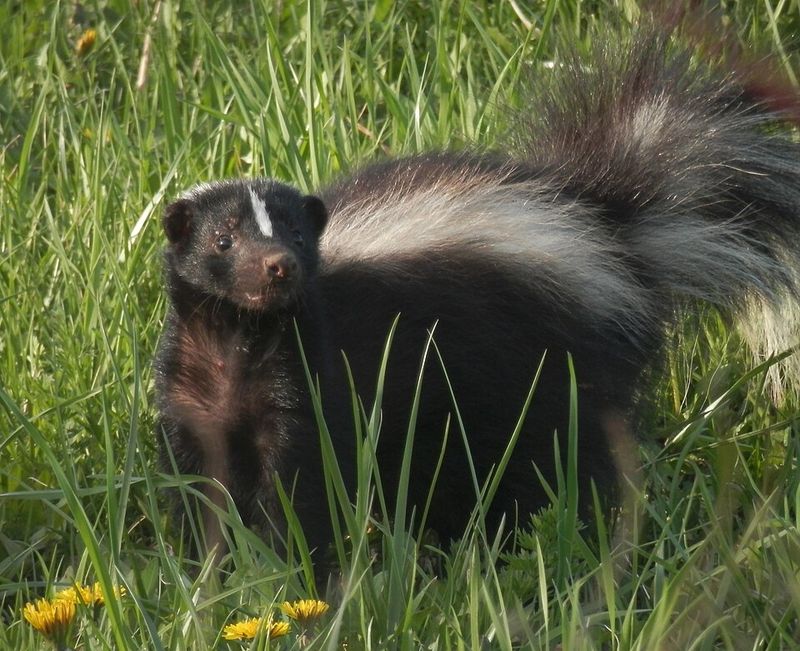
Image Credit: Ryan Hodnett.
The Eastern Spotted Skunk would already be memorable if it were just a smaller, more agile version of the common skunk. But West Virginia had to raise the stakes by hosting a species that responds to danger with a full handstand.
That is not folklore or cartoon logic – it is a real warning display, with the animal balancing on its front legs before resorting to spray.
That move makes the spotted skunk feel less like a mammal and more like a tiny acrobat with terrible patience. It is quick, elusive, and much rarer than many people realize, often slipping through wooded or rocky habitats without being noticed.
If you ever did witness the handstand routine, you would probably remember it forever.
I love animals that seem to understand the value of theater, and this one absolutely does. The pose says, very clearly, that your next decision matters.
In a state full of strange wildlife, the Eastern Spotted Skunk earns its place by combining cuteness, attitude, and one of the weirdest defense displays in North America.
Cave Salamander
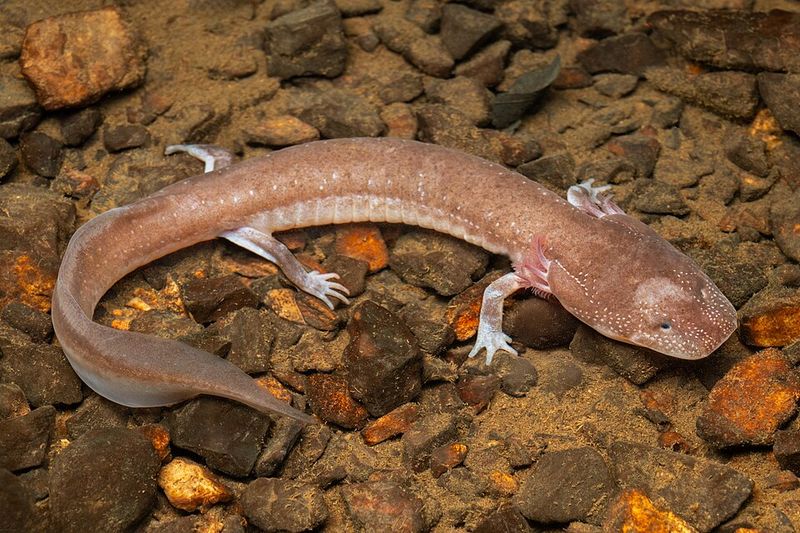
Image Credit: Bgenter.
The Cave Salamander looks too brightly painted to be real, especially for an animal living around damp rock and shadowy cave mouths. In West Virginia, this slender salamander glows in shades of orange to reddish-orange, sprinkled with dark spots that make it look almost tropical.
Then you find out it prefers the cool, moist twilight zones near caves, and the whole picture gets even stranger.
Its body is delicate and elongated, with a tail that can make up more than half its length. That shape helps it slip through cracks, crevices, and wet limestone hideaways where it spends much of its time out of sight.
Despite the vivid colors, it can disappear perfectly into the dim cave-edge world.
I think that contrast is what makes it so unforgettable. It looks like something that should live in a rainforest terrarium, not around Appalachian caves and woodland rocks.
Yet there it is, turning a dark entrance into a place that feels a little more unreal. West Virginia does excellent work when it comes to surprising color palettes.
Virginia Big-Eared Bat
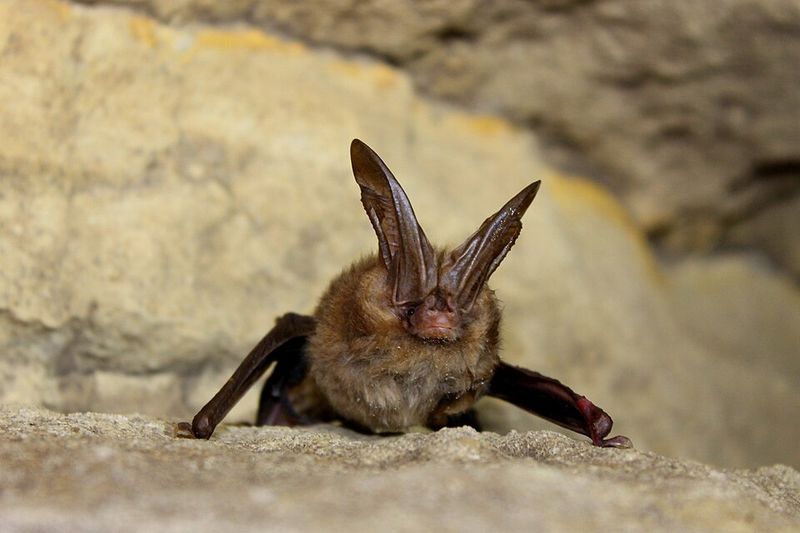
Image Credit: Larisa Bishop-Boros.
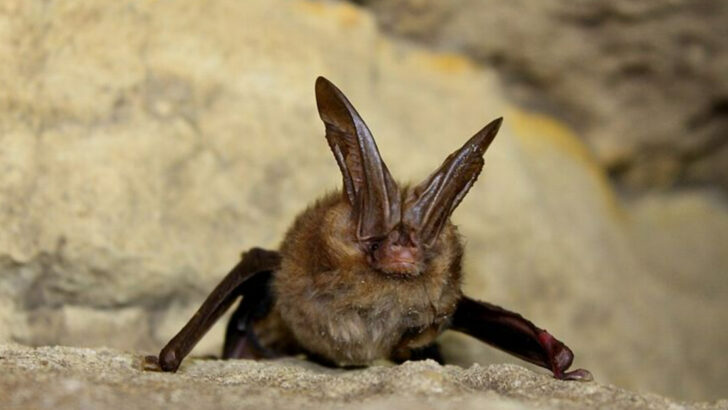
The Virginia Big-Eared Bat sounds like somebody named it in a hurry, but the blunt description is completely justified. Its ears are enormous, nearly rivaling the length of its body, and when it rests they fold back in dramatic curls that almost look ornamental.
Hidden in a handful of West Virginia caves, this endangered bat feels like one of the state’s most secretive oddities.
It weighs less than half an ounce, which somehow makes the oversized ears even more impressive. Those ears help it detect insect prey with incredible precision in total darkness, allowing it to patrol the night with a level of sensitivity that seems almost supernatural.
West Virginia is especially important for this bat, with more individuals here than in any other state.
Because it depends so heavily on quiet cave habitat, human disturbance can be a major problem. That makes every surviving colony feel precious.
If any animal on this list proves that weirdness and fragility often travel together, it is this cave-dwelling bat with ears so outsized they look like an artist refused to stop exaggerating.
Praying Mantis
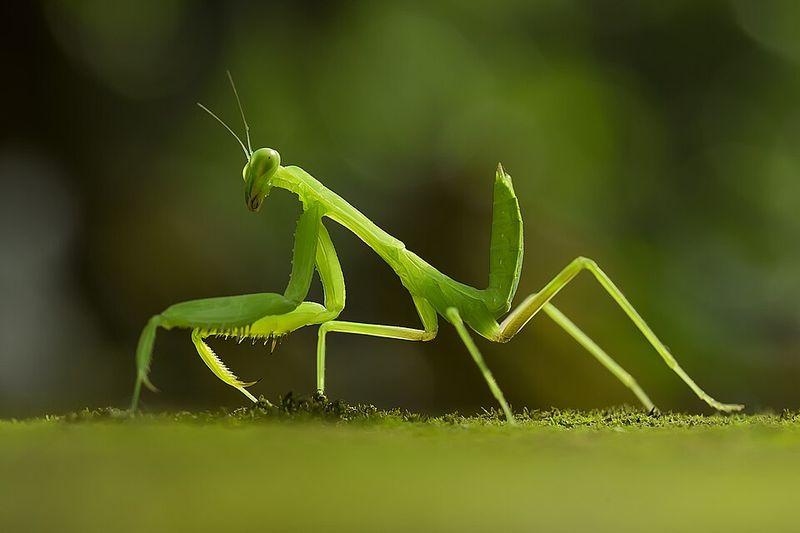
Image Credit: Azim Khan Ronnie.
The Praying Mantis is common in West Virginia, which somehow makes its appearance even funnier. You can find this insect in gardens and fields, yet it looks like a practical effects creature from an old science fiction movie.
The triangular head, the huge eyes, and the folded, spiked forelegs all suggest it knows something unsettling that you do not.
Its head can rotate nearly 180 degrees, letting it follow movement with a level stare that feels oddly personal. Add binocular vision and lightning-fast hunting reflexes, and you get an ambush predator that is genuinely impressive despite its size.
Mantises will snatch insects, spiders, and sometimes even surprisingly large prey if the chance appears.
That is what makes them so weirdly charismatic. They are elegant and creepy at the same time, like tiny martial artists sculpted from leaves.
I always think the most convincing fake-looking animals are the ones living in plain sight, and the praying mantis absolutely qualifies. West Virginia does not need rare monsters alone when everyday insects already look this bizarre.
Eastern Hognose Snake
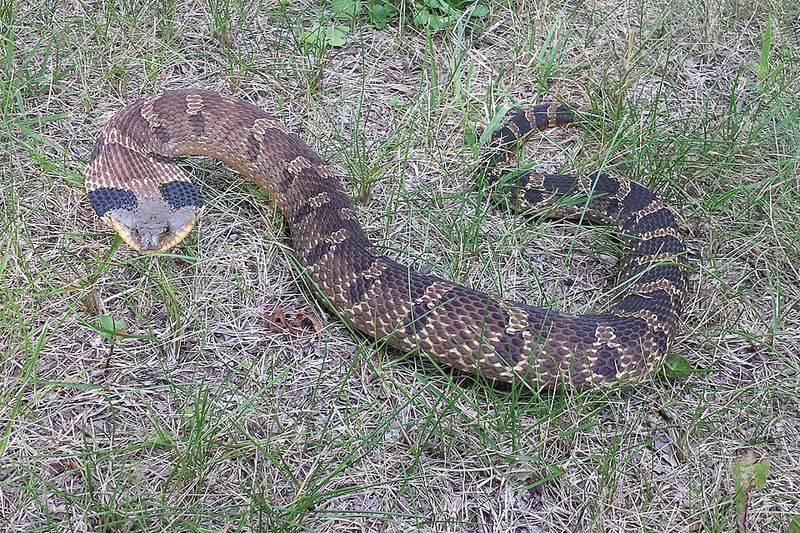
Image Credit: John Brantmeier.
The Eastern Hognose Snake might be the most dramatic reptile in West Virginia, and that is saying a lot. It is harmless, but it absolutely refuses to act harmless when threatened.
First it flattens its neck into a hood, hisses loudly, and puts on a full cobra impression that would fool anyone seeing it for the first time.
If that performance does not work, the snake somehow becomes even more theatrical. It flips onto its back, goes limp, lets its mouth hang open, and sticks out its tongue as though it has died from sheer emotional exhaustion.
Some individuals even release a foul smell to complete the effect, which is commitment you almost have to admire.
Its upturned snout, used for digging up toads and frogs, already gives it a slightly cartoonish look before the acting begins. Once the show starts, though, it feels completely invented.
I love that this snake survives not through venom or brute force, but through committed overacting. In a state full of odd animals, that level of flair is hard to beat.