
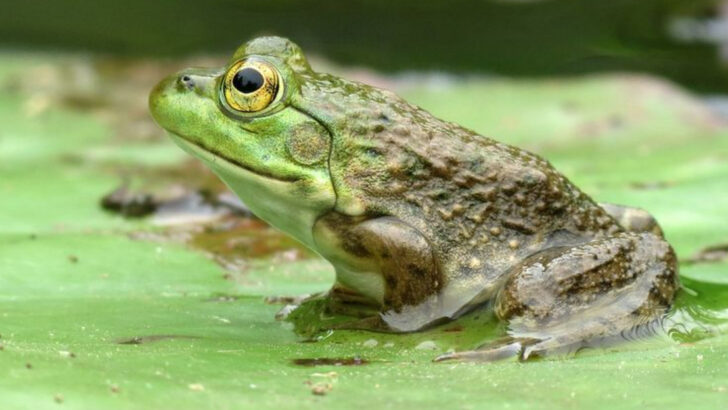
Some Kentucky wildlife gives itself away long before it steps into view. A whistle from a hedgerow, a scream from the dark, or a booming call over still water can turn an ordinary walk into a guessing game.
If you love the thrill of identifying animals by sound, this list will make every backyard, back road, and woodland trail feel more alive. Listen closely, because the loudest creatures are not always the biggest ones.
Northern Cardinal
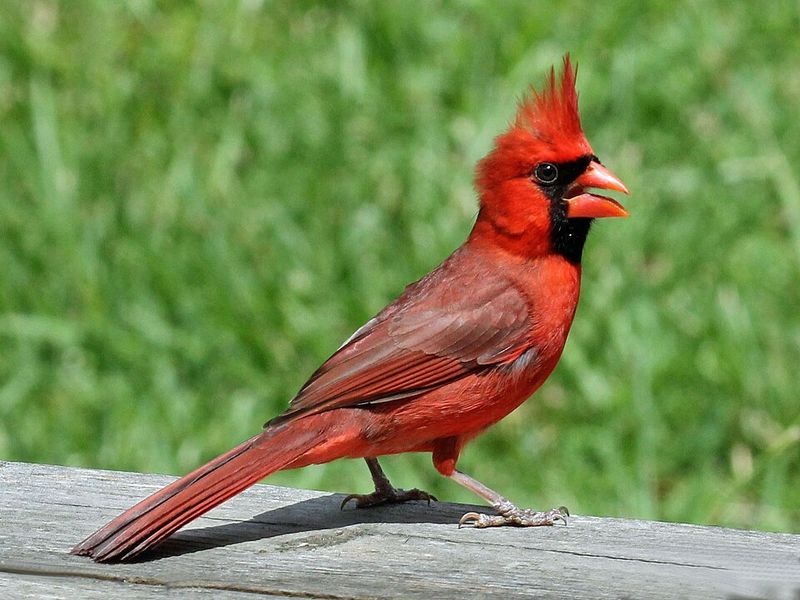
Image Credit: DickDaniels.
In Kentucky, the northern cardinal is the neighborhood singer that refuses to wait for a stage. You will often hear its sharp whistles bounce across yards, fencerows, and wooded edges before your eyes ever find that flash of red or the softer cinnamon tones of a female.
That is part of the fun, because both sexes sing, and that doubles your chances of hearing a lively exchange overhead. I love how their phrases sound crisp and confident, almost like someone testing a polished little flute from deep inside a cedar thicket.
They also give that dry, metallic chip call when something feels off, which can make you look up before you know why. In winter, summer, and every season between, they keep Kentucky sounding awake.
If you want an easy listening challenge, start with cardinals at dawn. Once you learn their voice, you will notice how often this state bird has been narrating your mornings all along.
Barred Owl
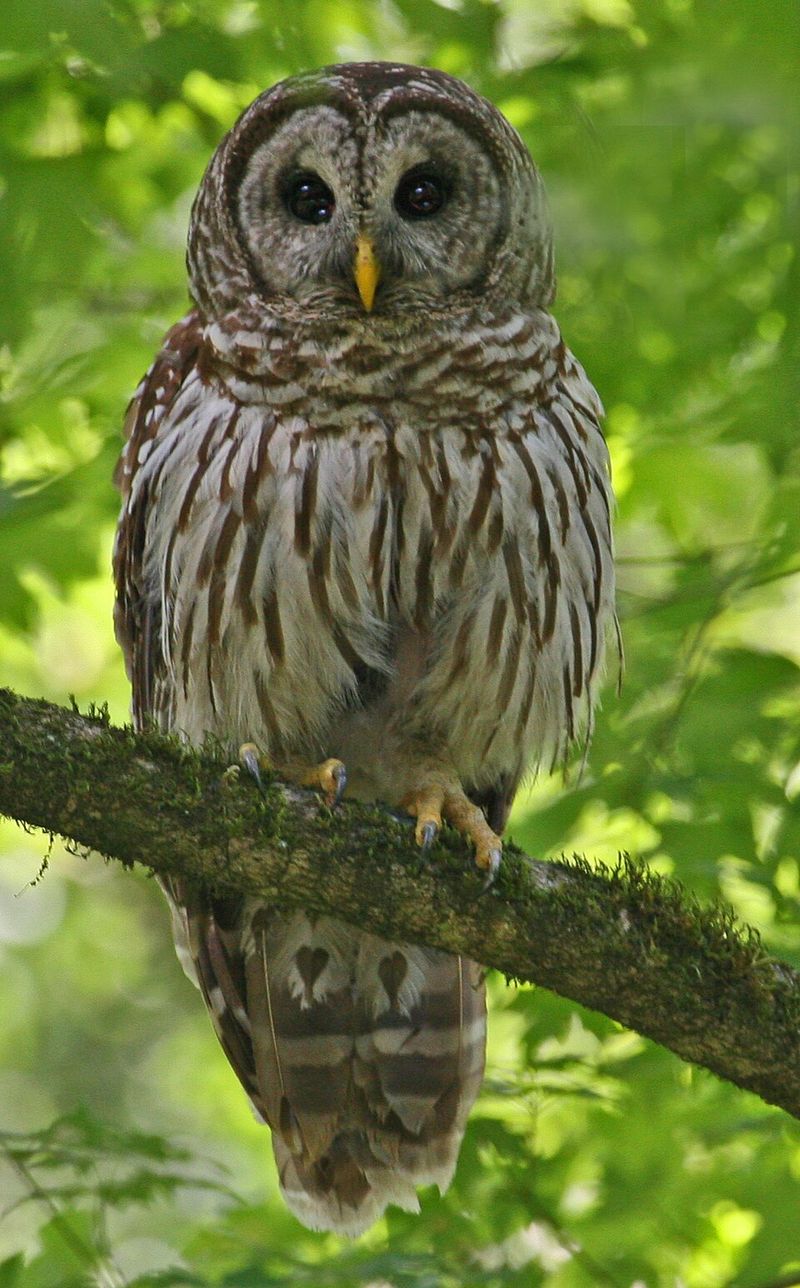
Image Credit: Judy Gallagher.
The barred owl is one of those Kentucky voices that can stop you in your tracks after sunset. Long before you spot its rounded head in the trees, you hear that famous phrase-like hoot rolling through the woods: who cooks for you, who cooks for you all.
It is not just spooky. It is strangely conversational, like the forest itself has decided to speak directly to you from somewhere over a creek bend or dark hollow.
These owls favor wooded places, especially older forests and bottomlands, and their calls carry beautifully in damp evening air. Sometimes the voice shifts into barks, cackles, or a weird laughter that makes the whole scene feel even more theatrical.
If you have ever stood still under tall trees and listened for the next hoot, you know the suspense they create. The barred owl turns an ordinary Kentucky night into a live performance, and the singer almost always stays hidden longer than you expect.
American Bullfrog
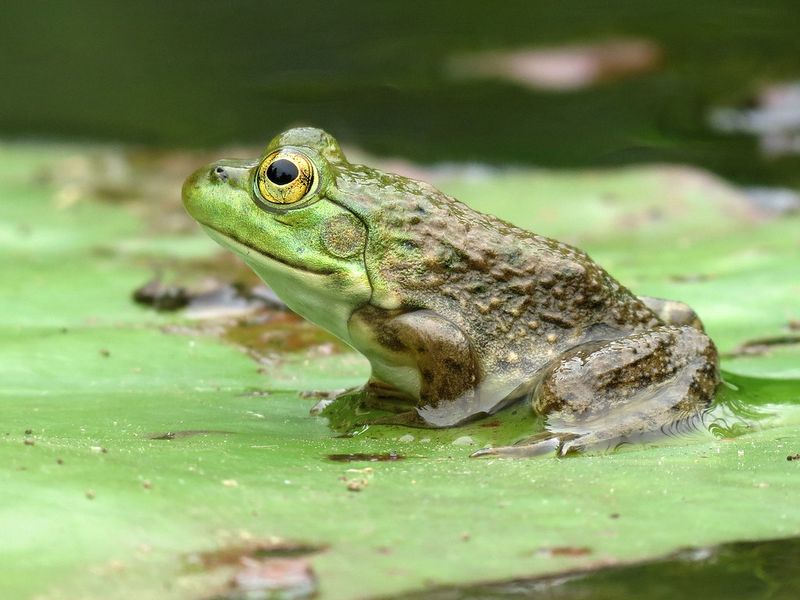
Image Credit: Katja Schulz
If a Kentucky pond suddenly sounds like it has grown a bass section, there is a good chance an American bullfrog is responsible. You usually hear the deep jug-o-rum call first, rolling across the water with a rich, hollow note that seems much bigger than the animal making it.
That sound carries on warm evenings when ponds, marshes, and slow streams feel almost motionless. I think it gives the whole shoreline a lazy summer rhythm, like the wetlands are humming to themselves after dark.
Bullfrogs often stay half hidden at the water’s edge, which means your ears find them long before your flashlight does. Their booming calls help males claim territory, and when several join in, the pond starts to feel like an outdoor amphitheater.
You can stand there scanning lily pads and never quite locate the first caller. That is the charm of bullfrogs in Kentucky: the voice arrives bold and obvious, while the singer stays low, green, and almost perfectly blended into the mud and weeds.
Eastern Whip-poor-will
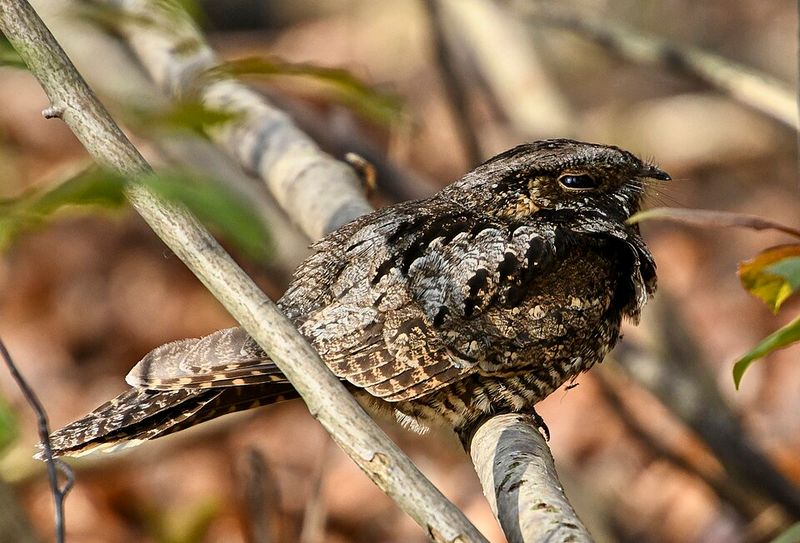
Image Credit: Mykola Swarnyk.
The eastern whip-poor-will may be Kentucky’s master of being heard but not seen. Its repeating whip-poor-will song slices through warm night air so clearly that you feel certain the bird must be nearby, yet it can remain nearly invisible against leaves and bark.
That camouflage is the trick. During the day it blends into the forest floor so well that even careful eyes can miss it at close range.
At night, though, the voice takes over the whole scene, turning a quiet woodland edge into something rhythmic and unforgettable. I love how the repetition feels old-fashioned and hypnotic, like a natural metronome ticking from somewhere just beyond the next stand of saplings.
You are far more likely to know this bird by sound than by sight, especially in semi-open wooded country on summer evenings. If Kentucky nights ever feel too still, wait for a whip-poor-will, because its call can make darkness feel suddenly occupied, alive, and a little mysterious.
Coyote
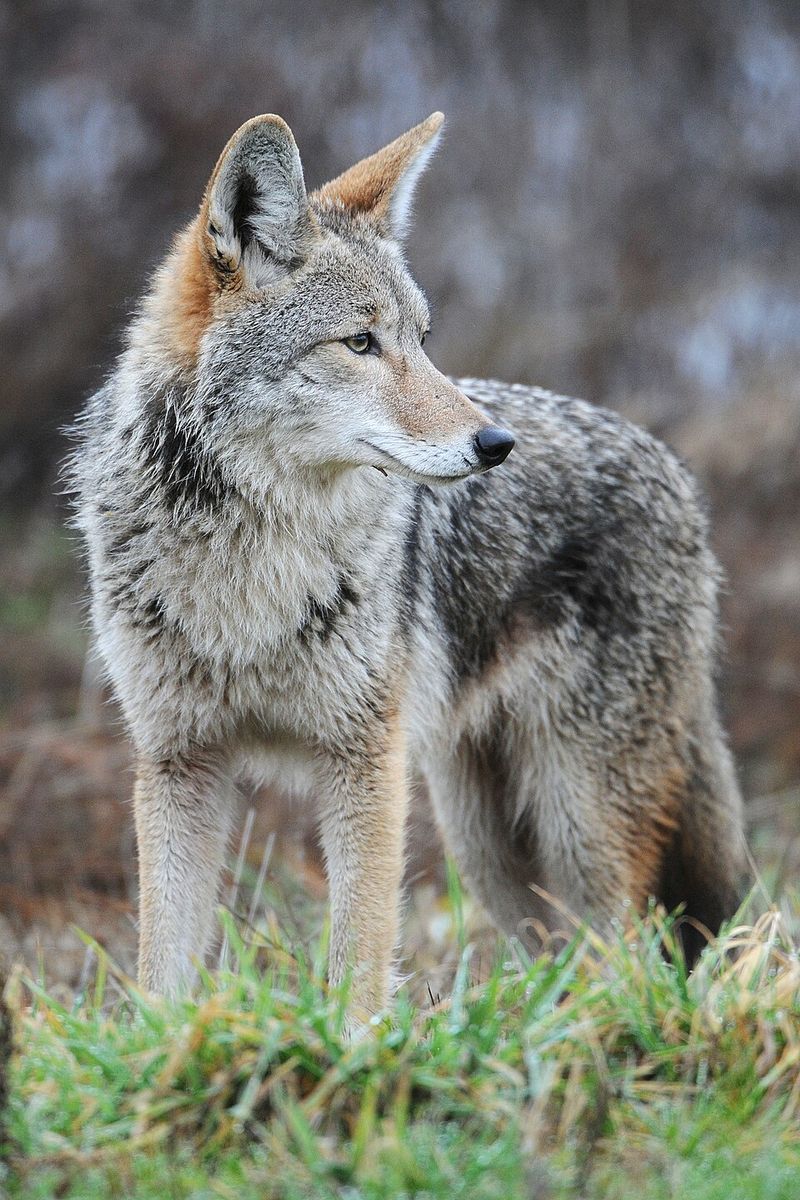
Image Credit: Rebecca Richardson (Red~Star).
Hearing a coyote in Kentucky can make the landscape feel wider than it looked a minute earlier. Before you ever catch a glimpse of one slipping across a field or logging road, you are more likely to hear yips, barks, and a rising howl spilling through dusk.
What makes it memorable is how a few animals can sound like a full crowd. Their overlapping voices bounce and stretch in a way that tricks your ears and makes the dark seem busier than it really is.
That vocal chaos has a purpose, from keeping in touch to announcing territory, but it also creates one of the state’s most dramatic nighttime soundtracks. I think coyotes are experts at turning distance into suspense, because the sound feels close, then far, then everywhere at once.
If you have ever paused on a quiet road and listened to them answer one another, you know the effect. You may never see the singers, yet their voices leave no doubt that something alert and wild is moving through the Kentucky night.
Pileated Woodpecker
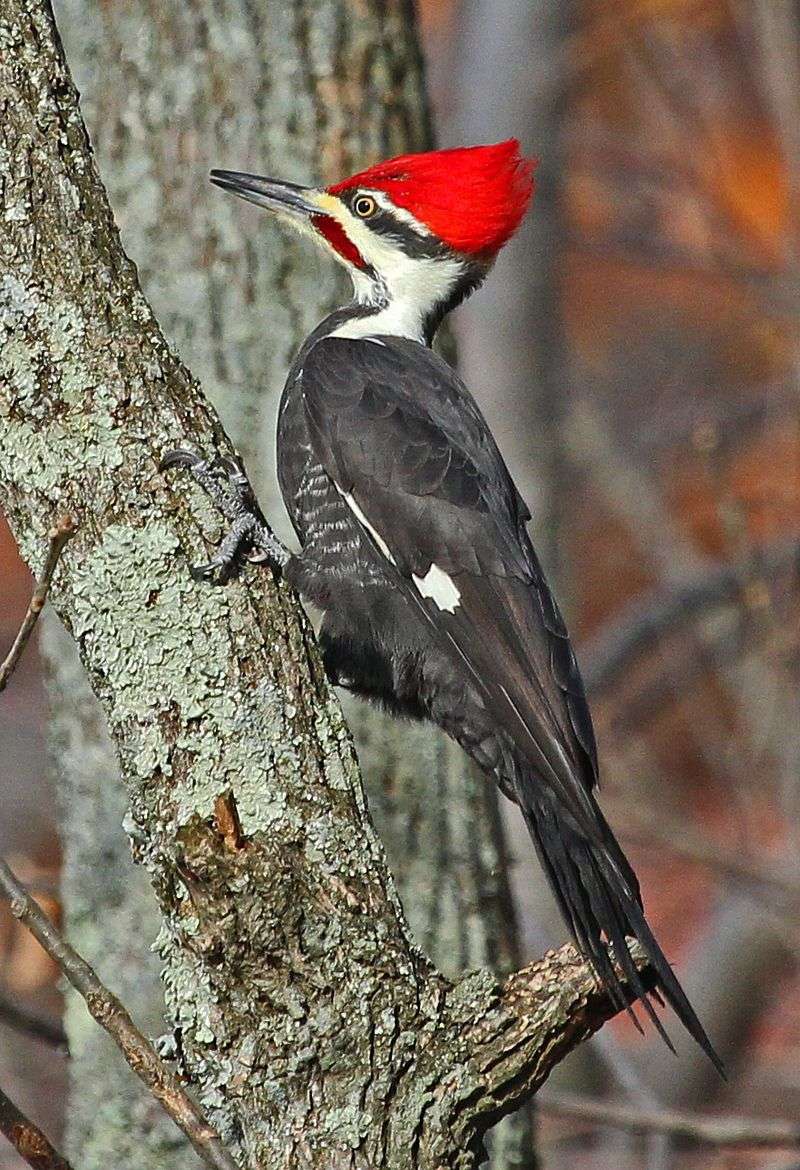
Image Credit: Judy Gallagher.
The pileated woodpecker rarely enters a forest quietly. Usually, you hear the hard drumming first, a loud, resonant hammering on dead wood that echoes through the trees and makes you stop to figure out what giant carpenter is working nearby.
Then comes the ringing call, wild and laughing, bouncing between trunks. It is one of those sounds that feels bigger than the bird, even though this crow-sized woodpecker is already impressive when it finally appears.
In Kentucky’s mature forests, that drumming can travel a surprising distance, especially on cool mornings. I always think it gives the woods an industrial edge, as if someone has hidden a tiny jackhammer in a hollow snag just to keep hikers curious.
The bird often stays high on trunks or vanishes behind trees while you search for the source. By the time you see the bold red crest and black body, the performance has usually been going on for a while, proving this is one bird you can definitely hear before you ever lay eyes on it.
Spring Peeper
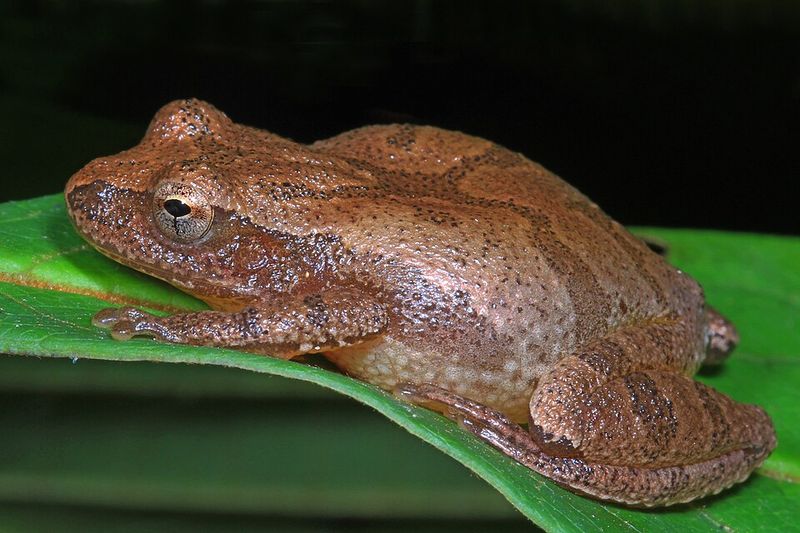
Image Credit: Judy Gallagher.
The spring peeper is tiny enough to fit your expectations of silence, which makes its voice one of Kentucky’s best surprises. Before you spot anything moving near a pond edge, you hear those piercing peep notes stacking together until the wetland sounds electrically alive.
One frog is easy to admire. A whole chorus feels like the landscape has flipped on a hidden alarm clock and announced that winter is finally losing.
These little frogs gather near ponds and wooded wetlands, especially as late winter shifts toward spring, and their calls can carry much farther than their size suggests. I love that contrast, because it reminds you not to judge wildlife by appearance alone when the loudest performer might be barely an inch long.
Up close, the sound can feel almost shockingly sharp, but from a distance it becomes the season’s most hopeful soundtrack. In Kentucky, few natural sounds say spring has arrived more clearly than a field of unseen peepers calling all at once after sunset.
Wild Turkey
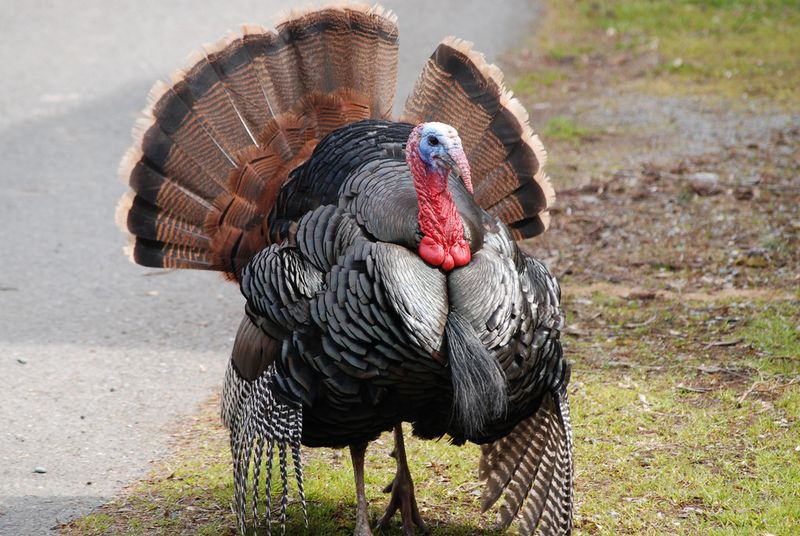
Image Credit: Steve Voght
A wild turkey does not need to be visible to dominate a Kentucky morning. When a gobbler sounds off at dawn, the call can carry across ridges, fields, and wooded hollows with enough force to make you turn your head instantly.
That gobble has reach, especially in spring, when males advertise for hens and warn rivals to keep their distance. Even if the bird is far off, the sound lands with the confidence of something strutting just out of sight.
I think that is why turkey country feels so alive before sunrise. You stand there in cool air, hearing one gobble answered by another, and suddenly the whole landscape feels arranged around voices rather than views.
Spotting the bird can still take patience, because turkeys blend surprisingly well once they slip into shadows or tall grass. Yet their sound gives them away almost unfairly, making them one of the easiest large animals in Kentucky to detect with your ears long before your eyes catch up.
Red Fox
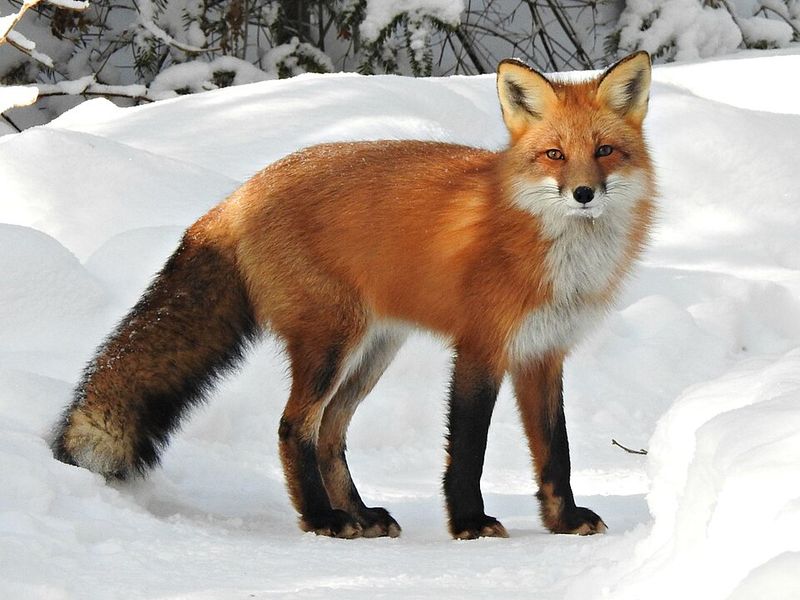
Image Credit: Joanne Redwood.
The red fox is proof that a small predator can produce a sound far stranger than people expect. In Kentucky, you might never see the animal itself, but a sudden bark, yelp, or piercing scream on a winter night can make you freeze where you stand.
Those breeding-season calls are unforgettable. The famous vixen scream sounds so human and so eerie that many first-time listeners assume something supernatural is happening beyond the tree line.
Of course, it is simply fox business, with animals calling for mates or warning rivals, but the effect on you is still dramatic. I think red foxes own that thin line between beautiful and unsettling better than almost any other local animal.
Because they move quietly and often stay hidden near edges of fields, brush, and scattered woods, their voices usually reach you first. Once you learn the sound, winter nights in Kentucky start feeling less empty, and a lot more theatrical, even when the performer remains invisible in the dark.
Gray Treefrog
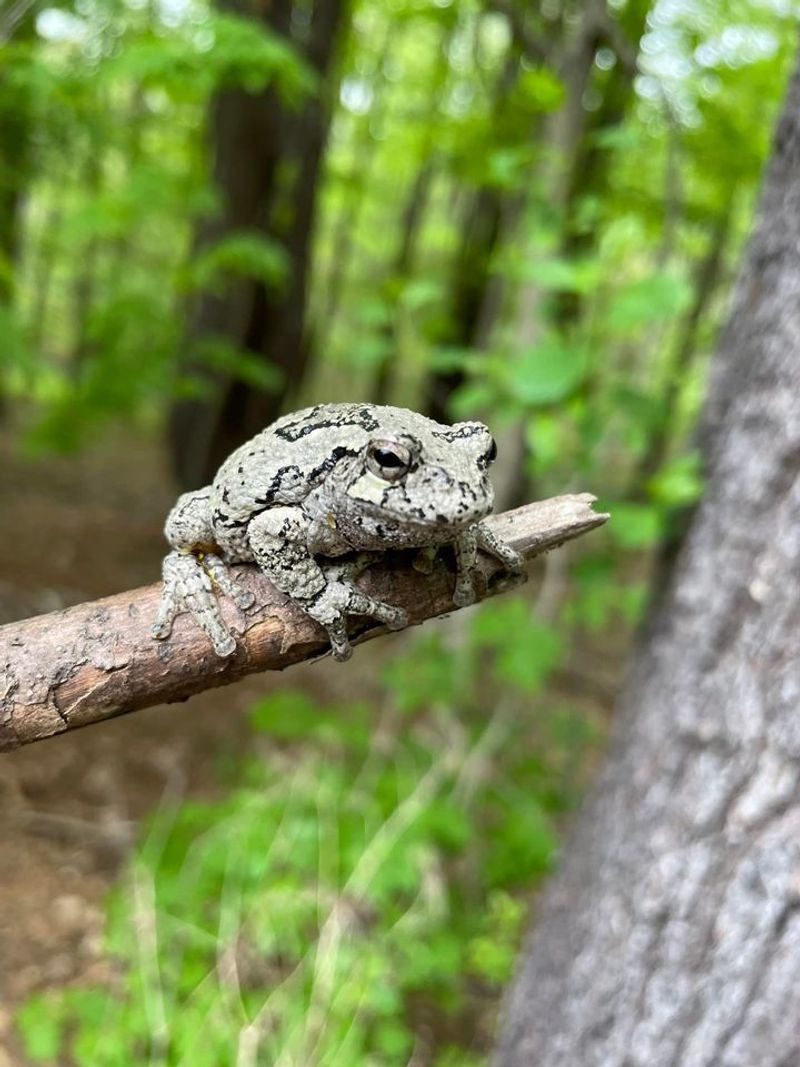
Image Credit: Randidawn.
The gray treefrog is one of those Kentucky noisemakers that seems to sing from nowhere and everywhere at once. Hidden high on bark or tucked among leaves, it releases a musical trill that floats through humid woods long before you have any chance of spotting it.
That is part of the challenge. These frogs are small, excellent at blending into tree trunks, and usually content to let the voice do all the introducing.
On warm evenings during breeding season, their trills can fill entire woodland edges and backyard groves with a silvery, vibrating sound. I like how the chorus feels almost mechanical at first, until you realize it is a tree full of living musicians playing from places your eyes keep missing.
Kentucky has two gray treefrog species that look alike, and their calls are often the best clue to who is present. Whether the trill sounds rolling or rapid, the result is the same: you hear the trees come alive before you notice a single frog among the bark.
Carolina Wren
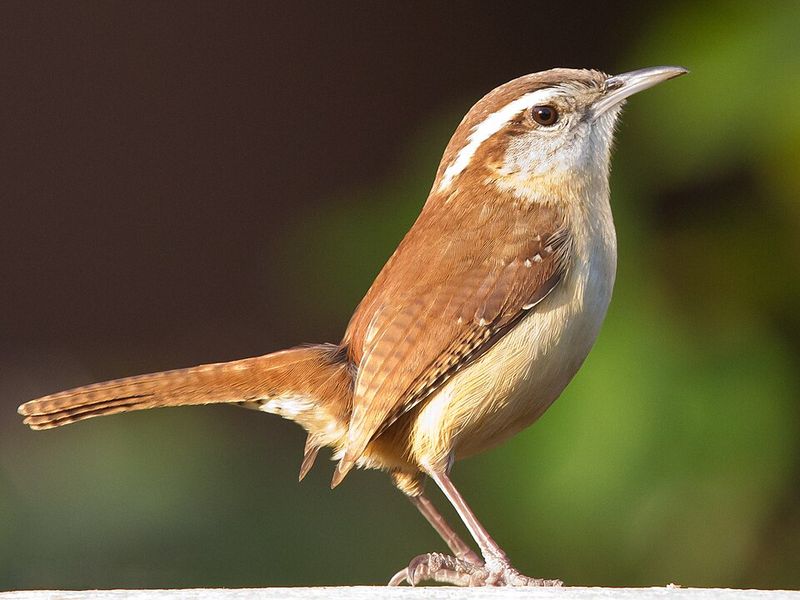
Image Credit: Dan Pancamo.
The Carolina wren sounds like it forgot it is a small bird and decided to sing anyway at full volume. In Kentucky, its bright whistles ring from porches, brush piles, sheds, and woodland edges so boldly that you usually hear it long before you find the little bird behind the performance.
Its song is cheerful, repetitive, and impossible to ignore once you know it. Some people hear teakettle, others hear cheeseburger, but either way the delivery is confident enough to steal the whole backyard.
What I love most is the mismatch between size and sound. You expect a bird this tiny to be subtle, then it belts out a tune strong enough to cut through wind, traffic, or a busy afternoon in the garden.
Carolina wrens stay vocal through much of the year, which makes them reliable companions for anyone who listens closely. In Kentucky, they turn ordinary corners of everyday life into concert venues, proving you do not need flashy feathers to be one of the loudest voices around.
Northern Bobwhite
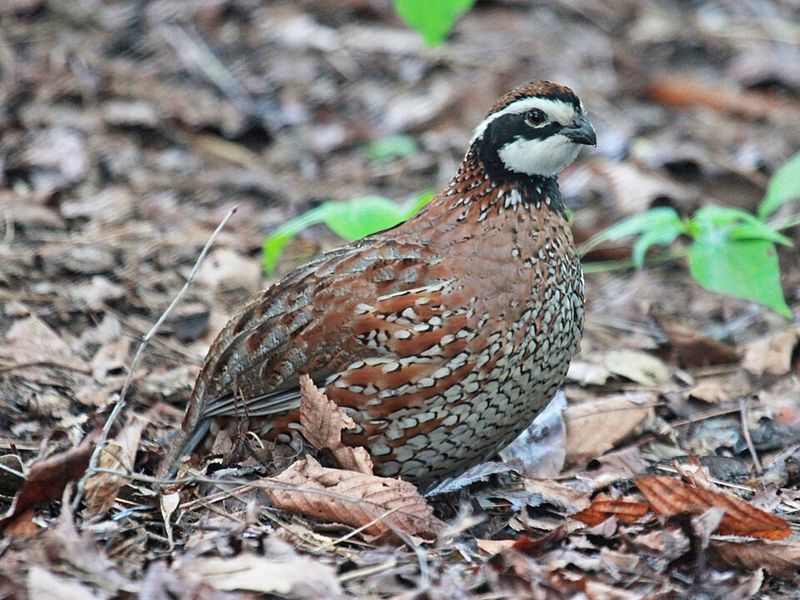
Image Credit: DickDaniels.
The northern bobwhite may be small and earth-toned, but its voice has a way of rising cleanly above summer fields. In Kentucky grasslands, farm edges, and open woodlands, that clear bob-white whistle often reaches you before the bird ever steps into view.
It is one of the state’s most recognizable calls, simple enough to remember yet rich with place. The sound feels inseparable from warm mornings, dusty lanes, and pockets of cover where quail can stay hidden while still announcing themselves.
I find there is something wonderfully old Kentucky about hearing a bobwhite from somewhere beyond a hedgerow. You start scanning every fence line and clump of grass, but the bird often stays low, still, and frustratingly hard to pick out against the ground.
That makes the whistle even better, because it turns a modest little quail into a presence that can define an entire landscape. If you listen first and look second, the northern bobwhite becomes less of a sighting and more of a signature sound of open country.