
Washington is full of animals that do far more than just survive – they improvise, remember, test, and adapt. Some solve problems in forests, some do it in city neighborhoods, and others do it beneath cold coastal waves.
If you think intelligence belongs only to primates, this list will seriously reset your expectations. From crafty birds to underwater masterminds, these are some of the state’s most impressive thinkers.
American Crow
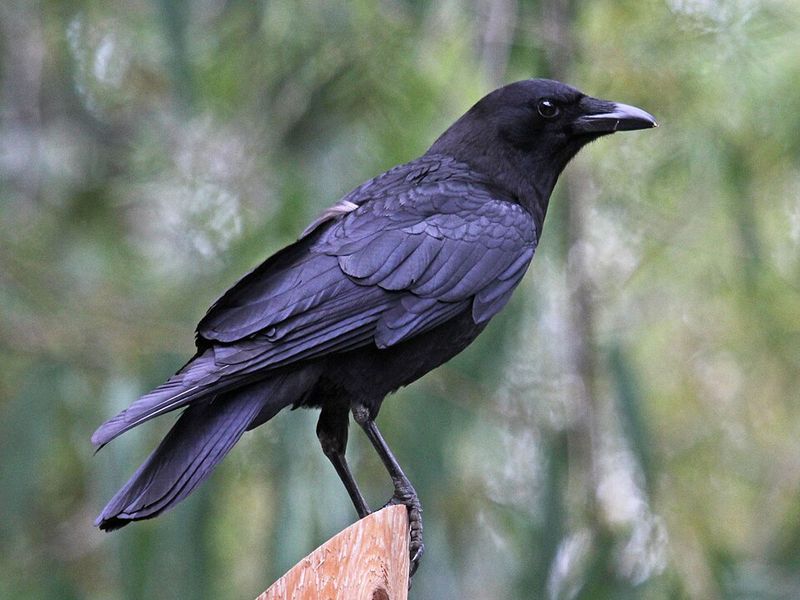
Image Credit: DickDaniels.
If you have ever watched an American crow in Washington, you know it rarely looks confused for long. These birds size up people, traffic, trash bins, and rival animals with the calm attitude of something already working out three possible solutions.
In Seattle especially, they seem built for improvisation.
Researchers have shown that crows can recognize individual human faces and remember them for years, which is both impressive and a little humbling. They also share information socially, meaning one bad interaction can become neighborhood gossip in the crow world.
Add tool use and strong spatial memory, and you get a bird that treats everyday life like a puzzle worth solving.
I find their teamwork just as striking. When predators threaten nests, crows gather fast and mob the danger with loud, coordinated precision.
That mix of memory, communication, and flexible behavior makes the American crow one of Washington’s sharpest animal problem-solvers, without needing anyone’s approval.
Common Raven
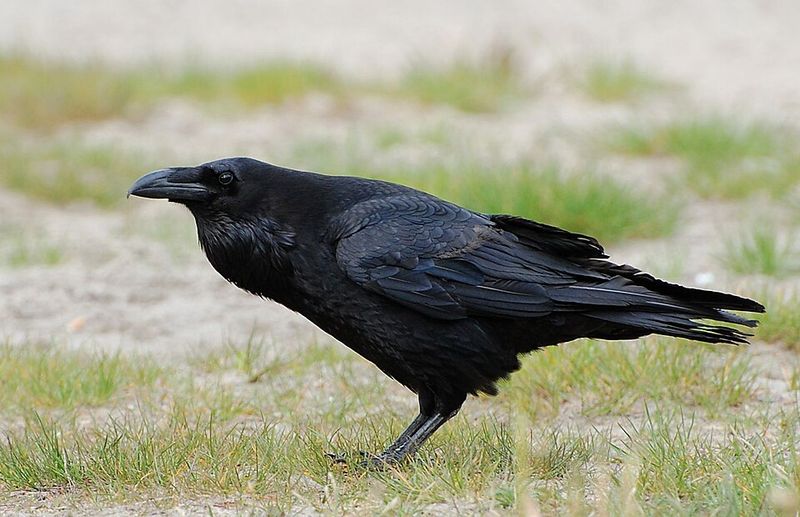
Image Credit: Accipiter (R. Altenkamp, Berlin).
The common raven has the kind of intelligence that makes you feel like it is studying you back. In Washington’s mountains, rimrock country, and open eastern landscapes, ravens thrive by noticing patterns, testing objects, and adjusting quickly when conditions change.
They do not just react – they experiment.
Scientists and observers have long documented ravens solving multi-step problems, planning ahead, and understanding cause and effect. They can manipulate objects, use sticks, and even tackle tasks similar to classic logic puzzles.
Their habit of caching food, then creating false caches to fool thieves, feels less like instinct and more like strategy.
What makes ravens especially fascinating is their flexibility. If one approach fails, they often try another without much hesitation, which is a hallmark of real problem-solving.
They also learn by watching each other, so knowledge spreads through raven society. In Washington, that sharp social intelligence helps them master harsh terrain, changing food sources, and competition.
North American Beaver
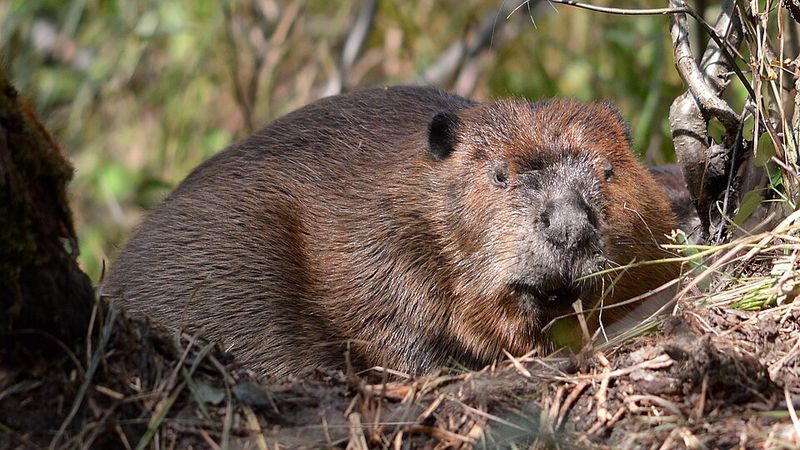
Image Credit: Ryan Hodnett.
Beavers do not just live in Washington landscapes – they redesign them. When a stream flows too fast, water drops too low, or a structure starts leaking, a beaver responds with a construction plan that would make many contractors proud.
Its work is practical, responsive, and surprisingly precise.
Calling beavers nature’s engineers is not a cute exaggeration. They choose sticks, mud, and branches for specific purposes, reinforce weak points, and keep repairing dams and lodges as water conditions shift.
That means they are not following a frozen script. They are constantly reading the environment and making useful adjustments.
What I love most is that their problem-solving leaves visible evidence across the whole habitat. A beaver solves shelter, safety, food access, and water control at the same time, often improving wetland conditions for other species too.
In Washington, where waterways change with season and terrain, that ability to adapt structures to real conditions is brilliant.
North American River Otter
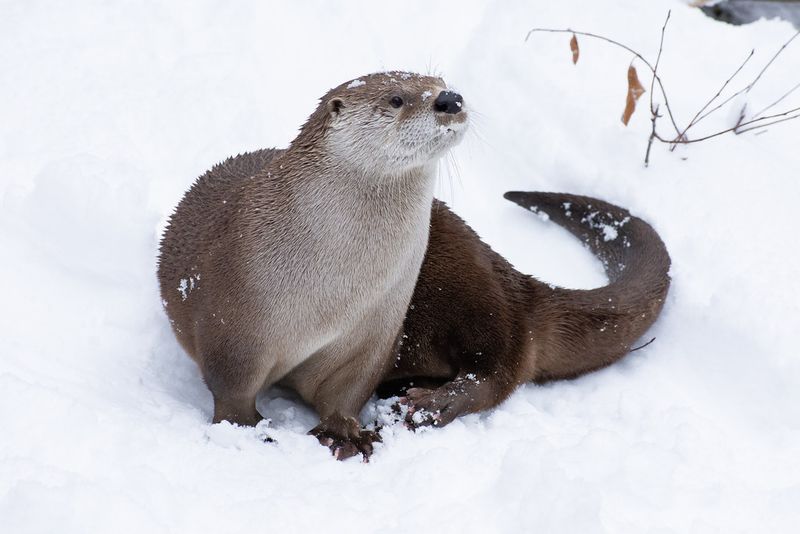
Image Credit: Jon Nelson
North American river otters look playful, but beneath that energy is a quick, adaptable mind. In Washington’s rivers, estuaries, and lakes, they chase fish, crayfish, and amphibians in ways that reward curiosity and fast learning.
An otter that experiments well usually eats well.
These animals constantly refine how they hunt. They use speed, surprise, and sharp observation, and when otters forage in groups, they can coordinate movements to corner prey more efficiently.
That kind of teamwork suggests more than random chaos. It shows awareness of what others are doing and how group effort can improve success.
Otters also solve the daily challenge of changing water conditions, shifting prey, and human disturbance without losing their edge. I think that flexibility is what makes them stand out.
They are not locked into one method or one environment. In Washington, where waterways range from quiet marshes to busy shorelines, river otters succeed by staying curious, responsive, and wonderfully hard to outsmart.
Orca
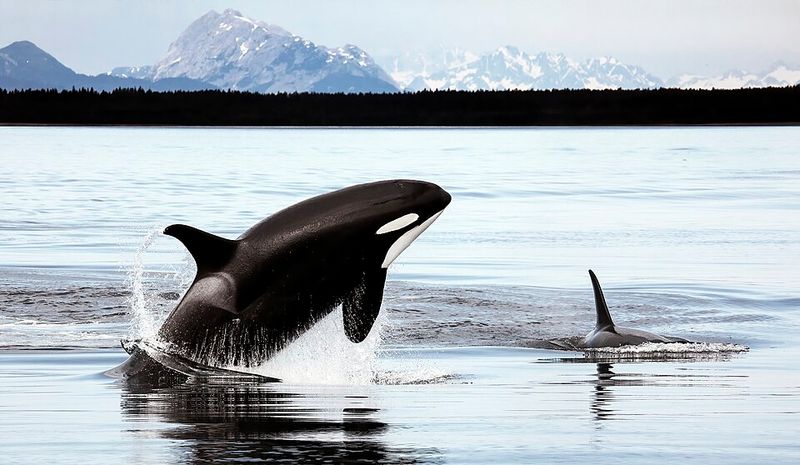
Image Credit: Christopher Michel.
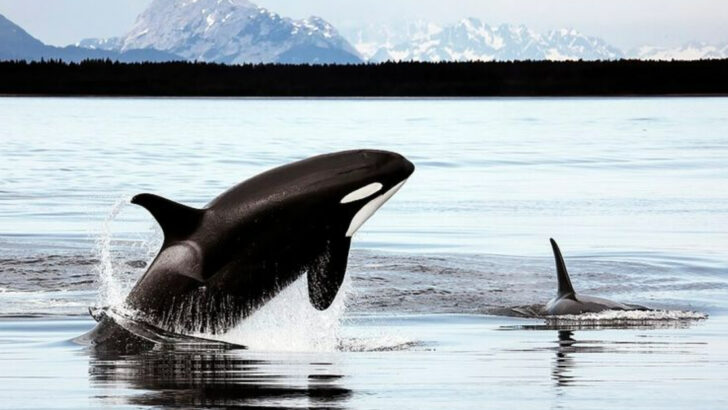
Washington’s orcas are powerful enough to dominate the sea, yet what truly sets them apart is how intelligently they live within it. These animals communicate constantly, coordinate with precision, and pass knowledge through family lines in ways that feel deeply cultural.
You are not just looking at predators – you are looking at societies.
Different orca populations in the Pacific Northwest have distinct vocal dialects and preferred prey, and those habits are taught across generations. Southern Residents, for example, are strongly tied to Chinook salmon.
Hunting is not simply a rush toward food. It often involves timing, spacing, and shared signals that help the pod work as a unit.
That mix of memory, communication, and inherited tradition is a remarkable form of problem-solving. Orcas must navigate changing currents, shifting prey availability, and increasing human pressures, all while maintaining social bonds.
In Washington waters, their intelligence is not hidden in a lab test. It is visible every time a pod moves like one thinking organism.
Raccoon
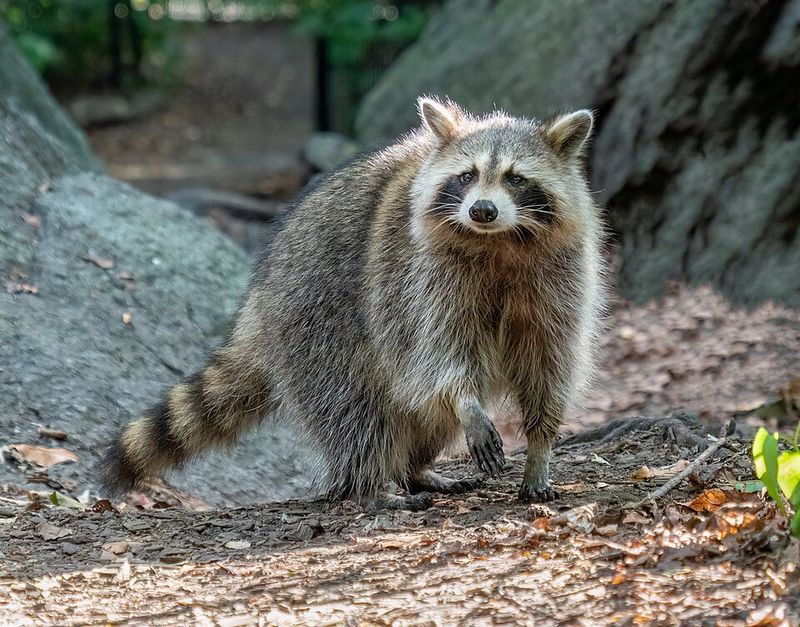
Image Credit: Rhododendrites.
Raccoons have a talent for making anything with a lid, latch, or loose edge look temporary. In Washington neighborhoods and woodlands, they thrive by treating the world as a hands-on puzzle box.
Their front paws are incredibly dexterous, and they investigate objects with the patience of a locksmith.
What makes raccoons especially impressive is not just that they solve tasks, but that they remember solutions for a long time. Studies have shown strong retention, which helps explain why one successful trick can become a repeat performance for years.
Garbage bins, pet doors, sheds, and containers all become opportunities to test what works.
I think their urban success says a lot about their intelligence. Cities constantly change, yet raccoons keep adapting to new barriers, new schedules, and new food sources without much drama.
They are curious for the sake of curiosity, not only hunger, and that trait often drives innovation. In Washington, raccoons prove that cleverness sometimes arrives with a ringed tail and suspiciously skilled fingers.
American Black Bear
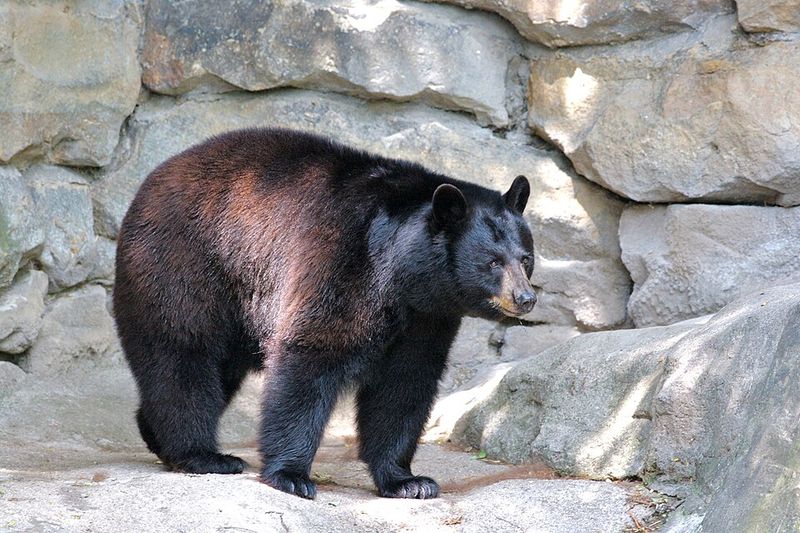
Image Credit: Ryan E. Poplin.
American black bears solve problems on a larger scale than many people realize. In Washington, they move through forests, meadows, river corridors, and mountain slopes while tracking seasonal food with impressive memory and timing.
A bear that remembers where berries ripen, salmon run, or nuts drop has a serious advantage.
These bears are constantly making practical decisions about energy. They must locate rich food sources, avoid unnecessary risk, and adapt when weather or competition changes the plan.
That means using memory, sensory awareness, and flexibility together. Finding insects under logs one week and shifting to fruit or fish the next is not random wandering.
What stands out to me is how efficiently black bears learn food patterns. If a place consistently pays off, they remember it, and if conditions shift, they adjust fast.
Washington’s varied landscapes demand exactly that kind of mental map. Their problem-solving may look quiet compared with crows or octopuses, but it is steady, strategic, and essential for thriving across big home ranges.
Giant Pacific Octopus
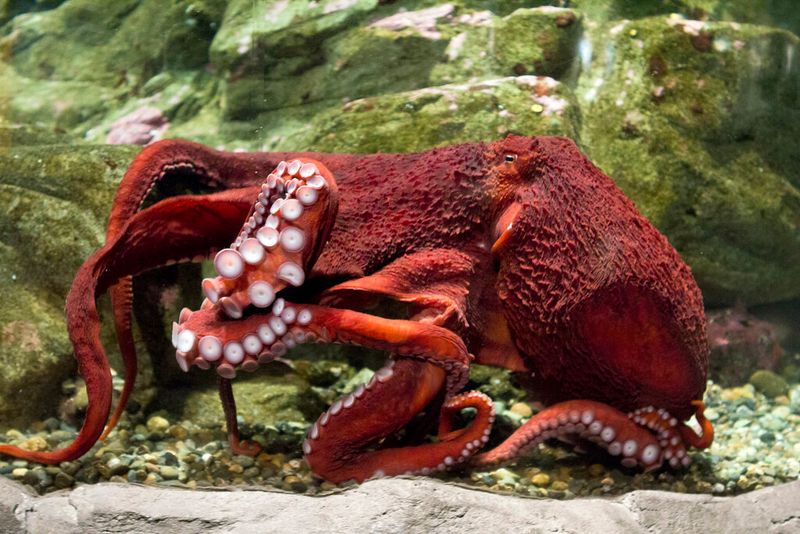
Image Credit: canopic.
The giant Pacific octopus feels like one of Washington’s most mysterious geniuses. Living in cold coastal waters and inland marine environments, it explores the world with eight flexible arms, hundreds of sensitive suckers, and a brain built for discovery.
Nearly everything around it can become something to test, open, move, or escape.
Octopuses are famous for solving mazes, unscrewing jars, and manipulating objects with astonishing precision. That matters because their intelligence is not just abstract.
It is deeply physical. They learn by touching, probing, pulling, and rearranging the environment, turning curiosity into practical knowledge about food, shelter, and danger.
I think that hands-on style of problem-solving makes the giant Pacific octopus especially compelling. It does not simply perceive challenges – it interacts with them directly until a solution appears.
In Washington waters, where hiding places, prey, and threats can all shift quickly, that experimental mindset is a survival superpower. Few animals combine flexibility, precision, and exploratory learning in such a strange and unforgettable package.
Gray Wolf
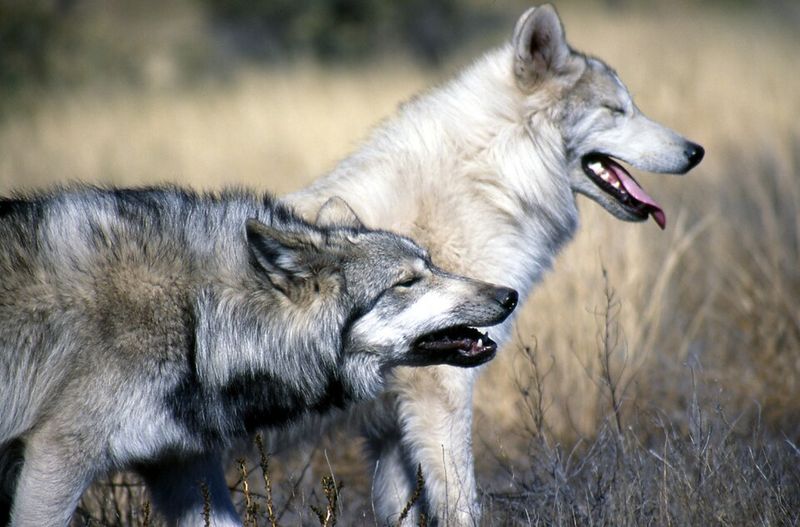
Image Credit: Caninest.
Gray wolves are problem-solvers because they rarely work alone. In Washington, successful packs depend on communication, timing, and role awareness, especially when pursuing prey that can outrun, outfight, or outlast any single wolf.
Their intelligence shows up in motion, with each member adjusting to what the others and the prey are doing.
Hunting demands constant decisions. Wolves may spread out, pressure from different angles, test a herd for weakness, or change tactics if terrain or prey behavior shifts.
That flexibility is crucial. A rigid strategy wastes energy, but coordinated adaptation gives the pack a real chance.
Their vocal and body signals help keep the group aligned under pressure.
What fascinates me most is that wolves solve social problems while solving hunting problems. Pack life requires cooperation, hierarchy, and learning, all of which influence survival.
In Washington’s mixed forests and open country, wolves succeed by combining communication with shared action. Their intelligence is less about one dramatic trick and more about many minds forming a smarter whole.
Steller’s Jay
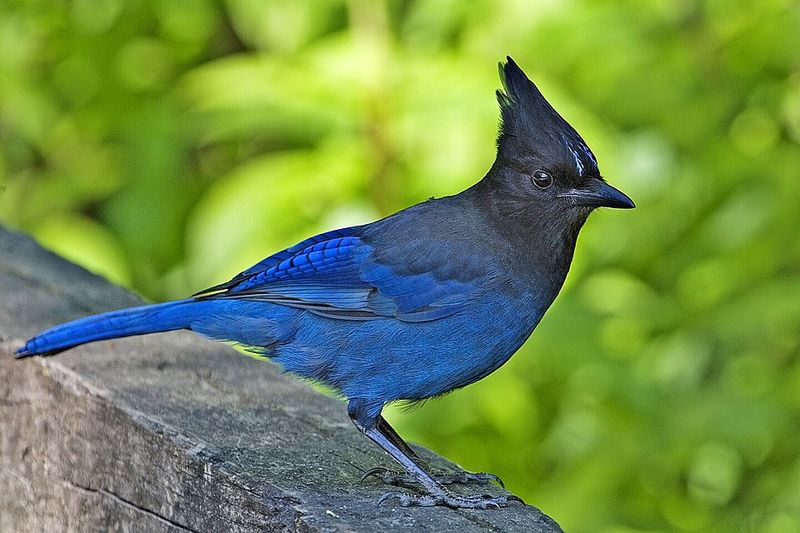
Image Credit: Alan D. Wilson.
Steller’s jays bring a flashy look to a very sharp mind. In Washington forests and campgrounds, they watch everything, react quickly, and seem almost delighted by novelty.
That curiosity matters because a bird that notices opportunities first often gets the best food, safest hiding spots, and strongest advantage.
These jays are excellent at caching seeds, often hiding thousands over time and returning to them with impressive accuracy. That level of memory is not simple luck.
It requires careful spatial tracking and a strong sense of place. When seasons turn lean, the birds that remembered well are the birds that prepared well.
I also love how bold they can be around people. Steller’s jays often investigate picnic tables, backpacks, and campsites with obvious confidence, as if they are testing every new situation for usable information.
In Washington’s evergreen landscapes, that blend of memory, nerve, and curiosity works beautifully. They may look decorative at first glance, but they think like practical strategists with feathers.
Douglas Squirrel
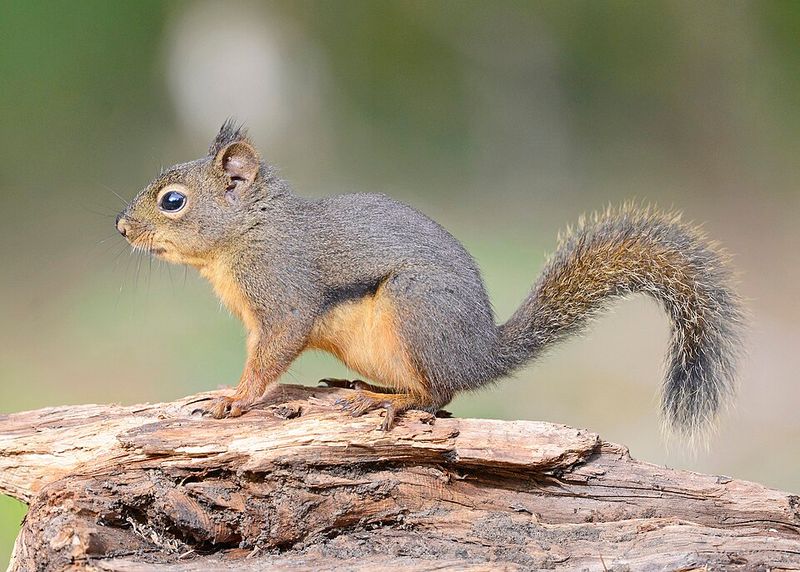
Image Credit: VJAnderson.
The Douglas squirrel may be small, but its winter planning is seriously impressive. In Washington’s conifer forests, this squirrel gathers and stores large numbers of cones, seeds, and even mushrooms with the urgency of an animal that understands scarcity very well.
Survival depends on organization, memory, and fierce follow-through.
Douglas squirrels are classic larder hoarders, building middens and defending them with loud determination. They must remember where food has been placed, which stores remain useful, and how to manage those supplies through the colder months.
Since they do not hibernate, mistakes carry real consequences. Every hidden cone and dried mushroom reflects a practical decision.
What makes them such effective problem-solvers is how tightly planning and defense work together. Collecting food is one challenge, but protecting it from theft is another entirely.
In Washington forests full of competitors, that means constant awareness and sharp memory. I think the Douglas squirrel deserves more credit, because few animals turn long-term storage into such an energetic, high-stakes strategy.
Bald Eagle
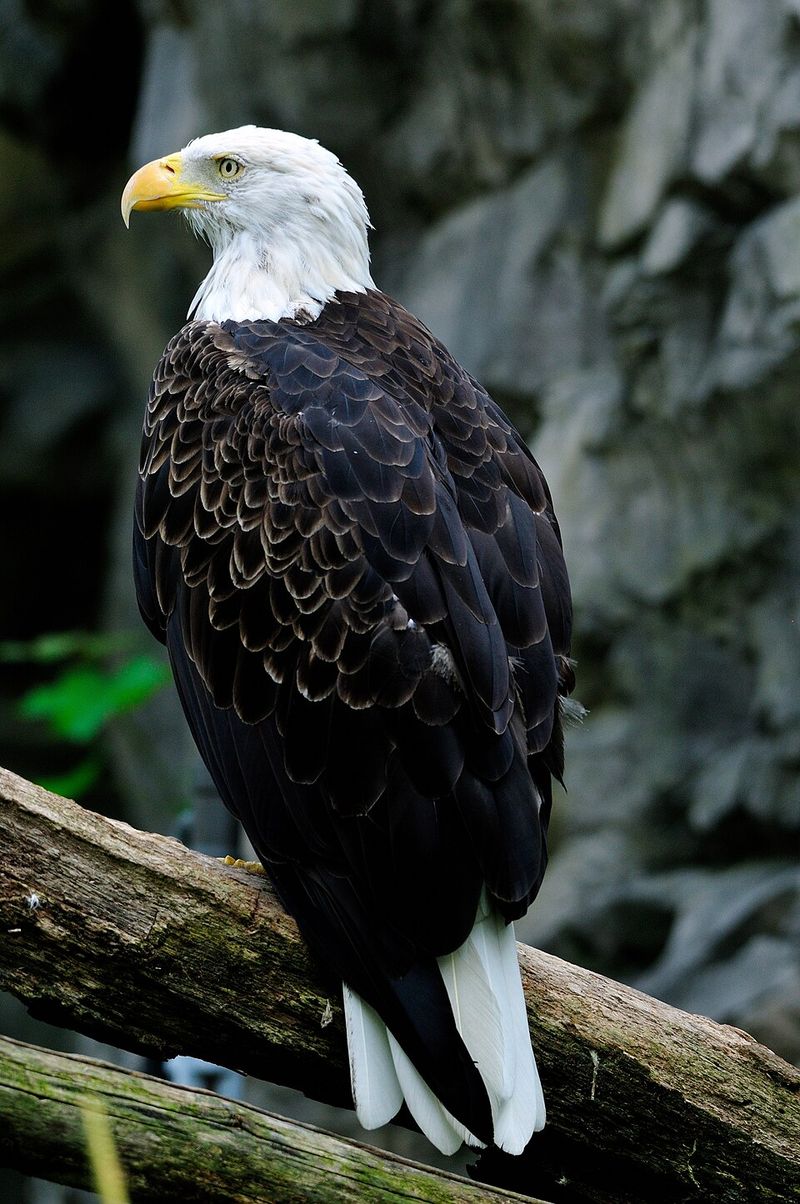
Image Credit: Gregory Moine.
Bald eagles solve problems with patience, timing, and a willingness to take the easiest winning option. In Washington, they hunt fish, watch other birds closely, and use wind conditions to improve their approach.
They are powerful, yes, but their success often depends on strategic choices rather than brute force alone.
An eagle may circle until the light, angle, or current favors a strike. It may also observe an osprey or another eagle and decide stealing a fresh catch is smarter than making its own difficult grab.
That opportunism is a kind of intelligence. It shows the bird can compare options and choose the most efficient path.
Strong memory adds another layer. Bald eagles can remember productive feeding areas and reliable nest sites for years, which helps them navigate Washington’s seasonal rhythms.
Young birds also learn by watching experienced adults, building skill through observation. I like that their problem-solving feels so practical: conserve energy, use conditions wisely, and never ignore an easier answer.