
Alaska can feel almost unreal – brutal cold, endless dark, crashing ice, and water that looks too frigid for life. Yet some of its wildest residents do not just survive there, they endure for decades and sometimes centuries.
A few of these animals age so slowly that their lifespans seem to belong in legend. If you love creatures that turn hardship into an advantage, this lineup is hard to forget.
Bowhead Whale
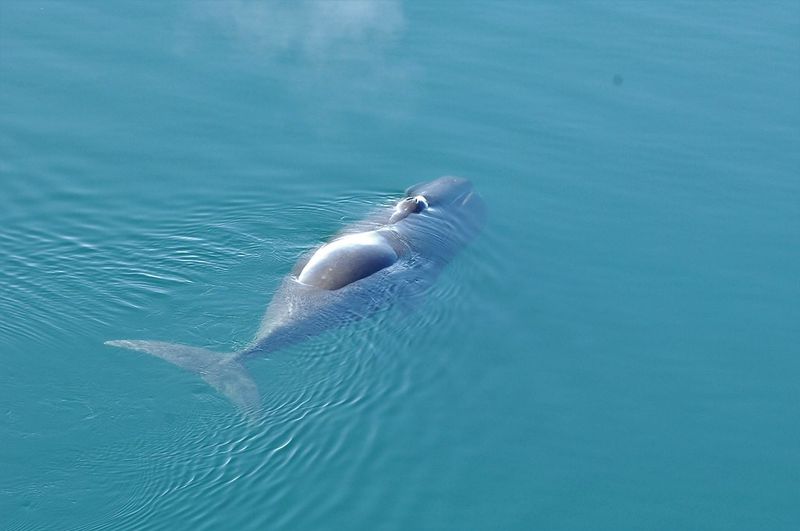
Image Credit: UW News
If you want a true elder of Alaska’s waters, the bowhead whale is impossible to ignore. Some individuals are believed to live more than 200 years, which makes this giant one of the longest-living mammals on Earth.
It spends its life in Arctic and sub-Arctic seas, including the Bering, Chukchi, and Beaufort waters off Alaska.
What amazes me most is how perfectly its body fits the cold. A huge layer of blubber helps it endure sea ice and brutal temperatures, while its slow metabolism appears to reduce wear over time.
Researchers have also linked bowhead longevity to unusually strong DNA repair and cancer resistance.
That means this whale is not just big – it is biologically resilient in ways scientists are still trying to understand. In Alaska’s frozen ocean, that quiet efficiency may be the secret to lasting through centuries.
You could call it a masterclass in patient survival.
Greenland Shark
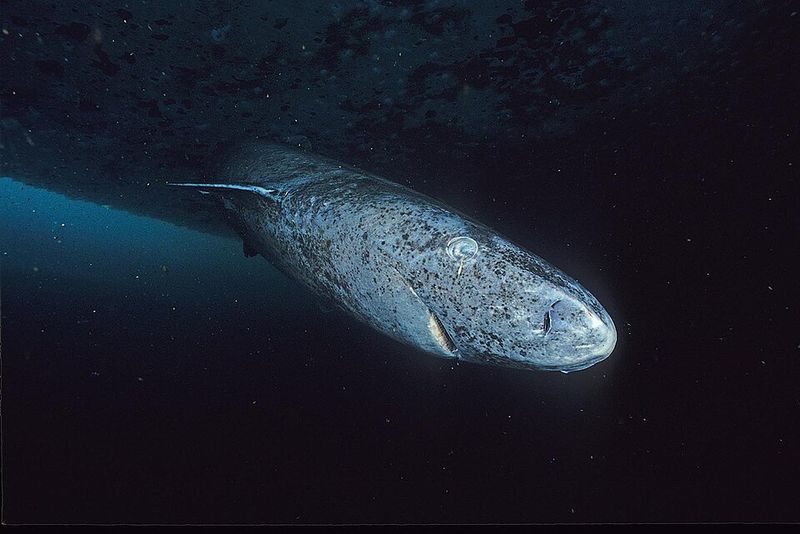
Image Credit: Hemming1952.
The Greenland shark feels less like a fish and more like a time capsule with fins. Scientists estimate it can live anywhere from roughly 250 to 400 years, and some research suggests even greater ages.
That makes it the longest-lived known vertebrate, which is wild to think about when you picture the dark waters off Alaska.
These sharks thrive in cold Arctic seas where temperatures stay low and life moves slowly. They can dive to incredible depths, and their sluggish pace seems tied to a very slow metabolism and growth rate.
In a place where speed is not always the best strategy, the Greenland shark wins by doing nearly everything in deliberate slow motion.
I find that almost poetic. While flashier predators burn bright and fade fast, this shark just keeps going through century after century.
Alaska’s icy marine world does not merely tolerate it – it seems built for its ancient rhythm.
Yelloweye Rockfish
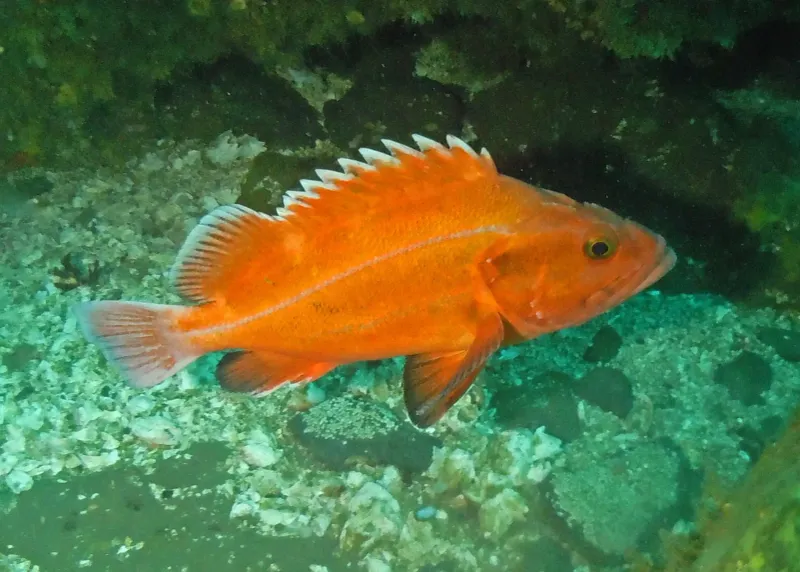
Image Credit: Oregon Department of Fish & Wildlife
The yelloweye rockfish is proof that a long life does not have to come in a giant package. This brilliantly colored fish can live more than 120 years, and some records push the age even higher.
Along Alaska’s coastal reefs, it often spends its life around deep rocky habitat that looks almost like an underwater fortress.
Its longevity comes with tradeoffs. Yelloweye rockfish grow slowly and do not reach maturity quickly, which means they take their time in nearly every stage of life.
Some may spend years tied to the same rocky area, turning one reef into a lifelong address.
That unusual stability makes the species feel almost stubbornly local. If you were expecting dramatic migrations or constant motion, this fish offers the opposite lesson – stay put, grow slowly, and let the cold ocean set the pace.
In Alaska, that strategy has produced one of the sea’s quiet champions of old age and endurance.
Lake Trout
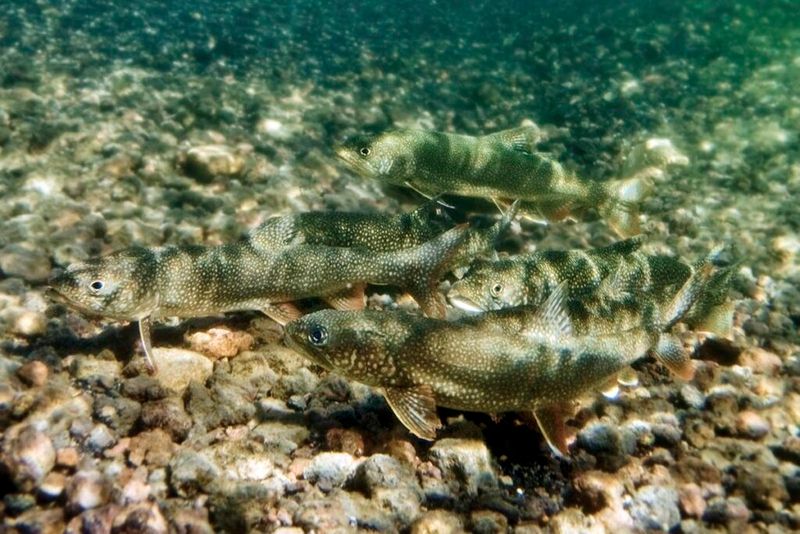
Lake trout may not look flashy at first glance, but in Alaska they are long-haul specialists. Many live beyond 40 years, and in especially favorable cold waters some can exceed 50 or even 60.
You find them in large, deep lakes where the water stays cold, clear, and rich in oxygen.
That environment matters more than you might think. Cold water slows metabolism, which can reduce the pace of aging and help these fish stretch life across decades.
They also tend to grow slowly, which sounds unexciting until you realize slow and steady is exactly what works in harsh northern ecosystems.
I like thinking of lake trout as the durable introverts of Alaska’s freshwater world. They are built for patience, depth, and consistency rather than spectacle.
In remote oligotrophic lakes surrounded by mountains and silence, they keep proving that a tough place can produce not only survivors, but animals with astonishing staying power.
Arctic Tern
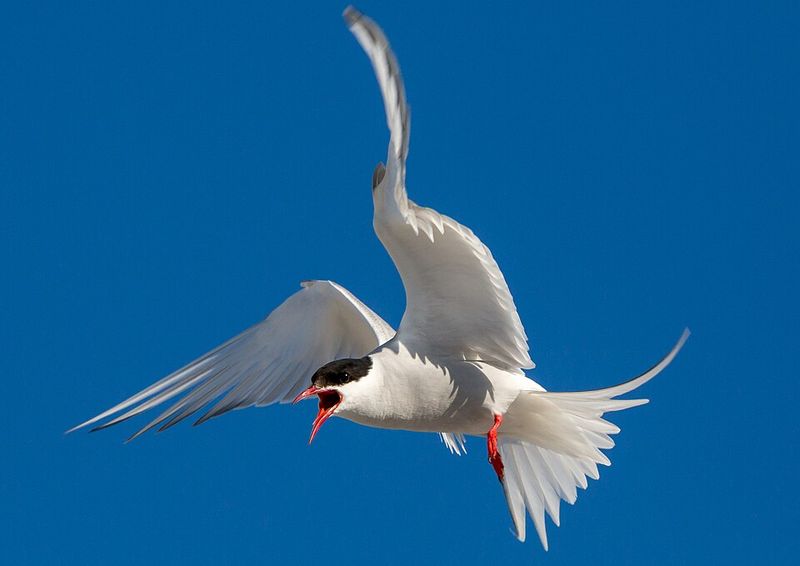
Image Credit: AWeith.
The Arctic tern earns its place here with a life story that feels almost impossible. It can live up to 30 years, and the oldest recorded birds have pushed beyond that.
During Alaska’s breeding season, this sleek seabird nests along coasts and tundra edges before launching into the longest migration known in the animal kingdom.
Each year, it travels from the Arctic to Antarctica and back, covering astonishing distances that can top 50,000 miles. That means the bird chases two summers annually, living in more daylight than almost any creature you can name.
For something so lightweight and graceful, it carries an outrageous amount of endurance.
What grabs me is the contrast. Alaska is only one chapter in the tern’s story, yet it remains a crucial seasonal home where new generations begin.
If longevity sometimes comes from slowing down, this bird proves another route exists too – survive by mastering movement, timing, and the entire planet’s changing seasons.
Musk Ox
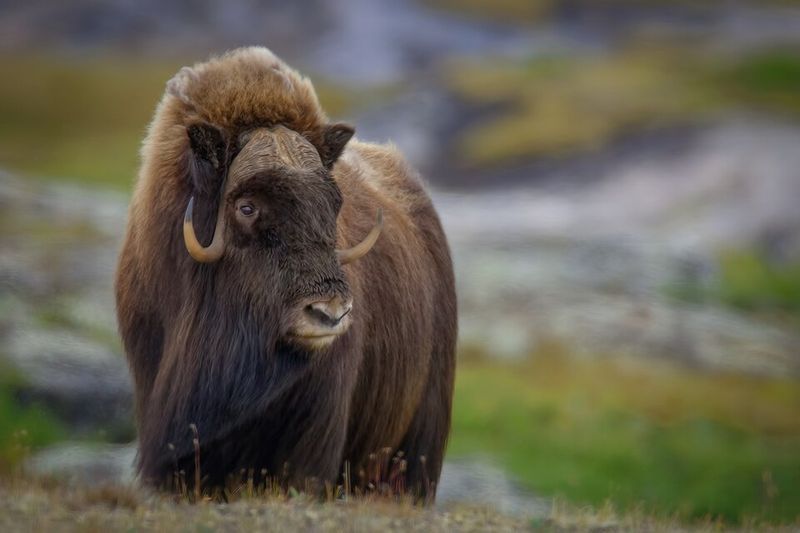
Image Credit: Alan D. Wilson.
The musk ox looks like it wandered out of prehistory and never felt the need to update. In Alaska’s Arctic tundra, it can live around 20 to 25 years in the wild, which is impressive for such an exposed environment.
Its secret is easy to spot the moment you see one – that extraordinary coat.
A musk ox wears a long outer layer and an incredibly soft underwool called qiviut, one of the finest insulators in the natural world. That heavy protection lets it stand against wind, snow, and cold that would overwhelm many other mammals.
In summer it uses wetter lowlands, then shifts to higher ground in winter to avoid deeper snow.
There is something wonderfully stubborn about its whole design. Rather than outrun the Arctic, the musk ox simply endures it with strength, insulation, and herd defense.
If you ever wanted a symbol of old-school toughness in Alaska, this shaggy survivor absolutely earns the title.
Bald Eagle
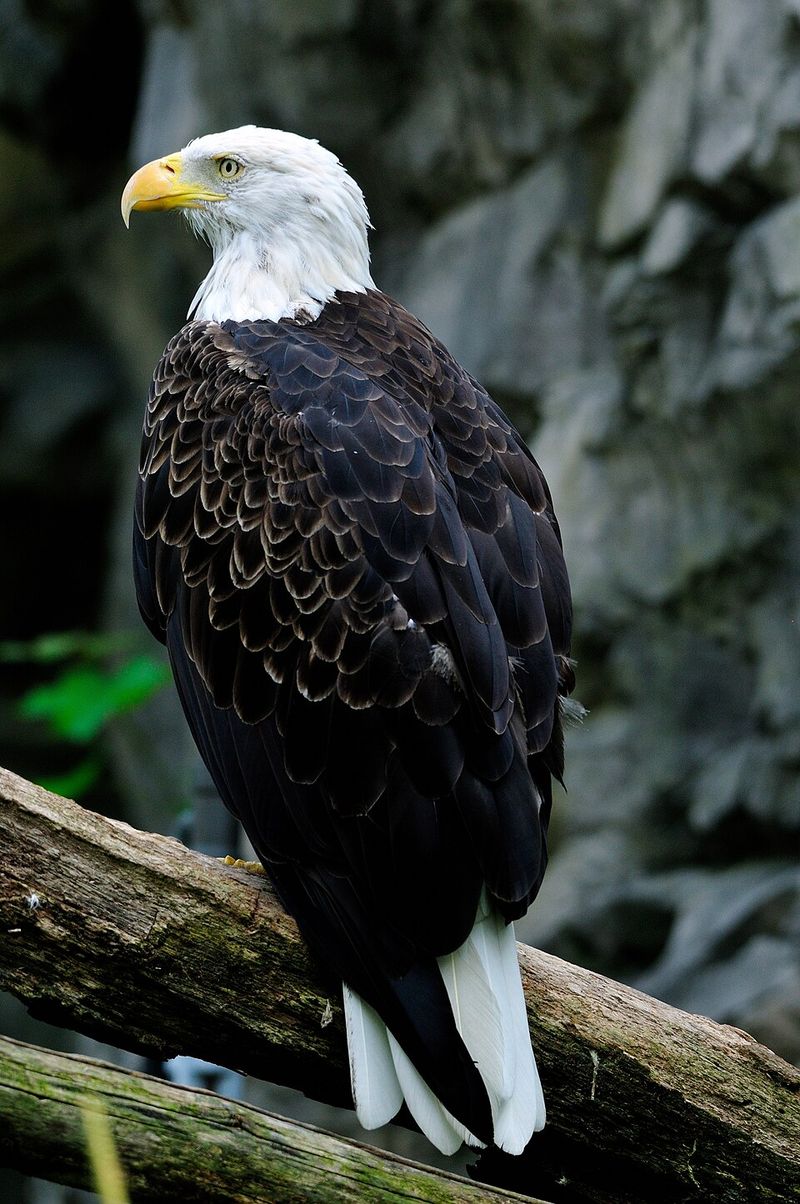
Image Credit: Gregory Moine.
Bald eagles feel almost inevitable in Alaska, and that abundance is part of why they do so well. In the wild, they often live 20 to 30 years, especially where food is plentiful and adult predators are scarce.
Across Alaska’s coasts, islands, rivers, and lakes, they have access to exactly the kind of landscape that rewards a powerful fish hunter.
Salmon runs are a major advantage. When food arrives in huge seasonal waves, bald eagles can feed efficiently and raise young in one of the richest eagle habitats on the continent.
Their size, sharp vision, and commanding presence help them hold onto that advantage year after year.
I think that is what makes Alaska’s eagles so memorable – they do not merely appear wild, they look completely at home in scale and attitude. In a state built on dramatic distances and cold abundance, the bald eagle thrives by combining patience, strength, and a menu that keeps returning.
Sea Otter
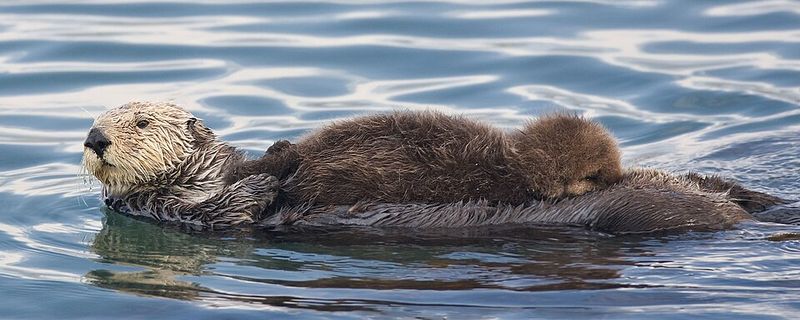
Image Credit: Mike Baird from Morro Bay, USA.
Sea otters bring a little personality to Alaska’s list of long-lived survivors. They usually live 15 to 20 years in the wild, spending most of that time in shallow coastal waters, bays, fjords, and kelp forests.
At first glance they look playful, but their daily life is serious work in icy ocean conditions.
Their greatest advantage is fur – unbelievably dense fur, the thickest of any mammal. Instead of relying on heavy blubber like many marine animals, sea otters trap warmth in that luxurious coat and constantly groom it to keep the insulation effective.
They also use tools, such as rocks, to crack shellfish, which adds a bit of cleverness to their survival strategy.
That combination of insulation and intelligence is hard not to admire. If you picture Alaska’s coast as a harsh, steel-cold place, the sea otter shows that survival can look agile and even charming.
Under the cuteness, though, is a remarkably well-adapted veteran of frigid water.
Polar Bear
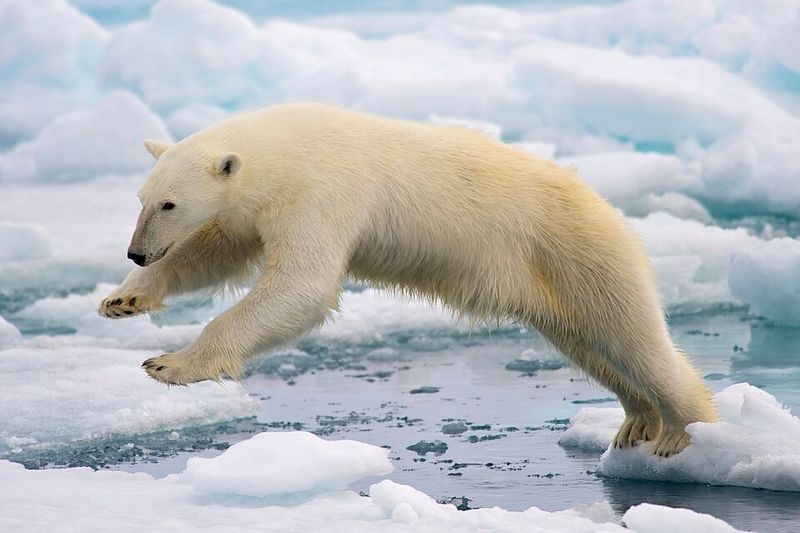
Image Credit: Arturo de Frias Marques.
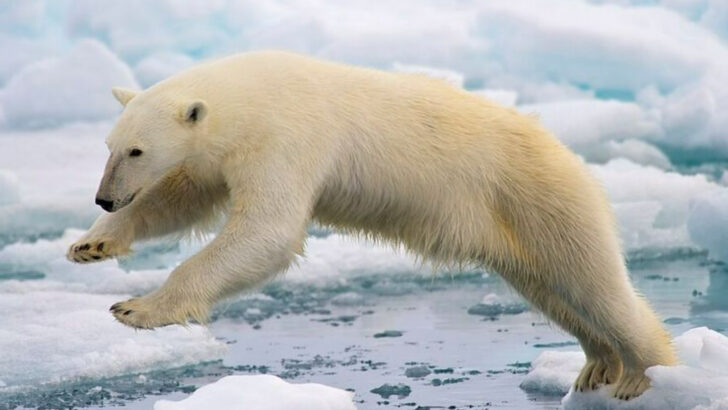
Polar bears are the heavyweight icons of Alaska’s Arctic edge, and their longevity reflects just how specialized they are. In the wild, many live around 20 to 25 years, though some individuals can reach their early 30s.
They depend on sea ice along Alaska’s northern coast, using it as a platform for hunting seals.
Everything about the polar bear is engineered for insulation and efficiency. A thick layer of body fat stores energy and blocks heat loss, while dense fur with hollow guard hairs helps trap warmth even in brutal wind and freezing water.
That design lets them move through one of the planet’s most punishing environments without losing their edge.
Still, what I find most striking is how tightly their survival is linked to ice. They are not just Arctic animals in a general sense – they are sea-ice specialists.
In Alaska, their long lives are built on patience, power, and an extraordinary ability to make the frozen coast feel like hunting ground.
Arctic Ground Squirrel
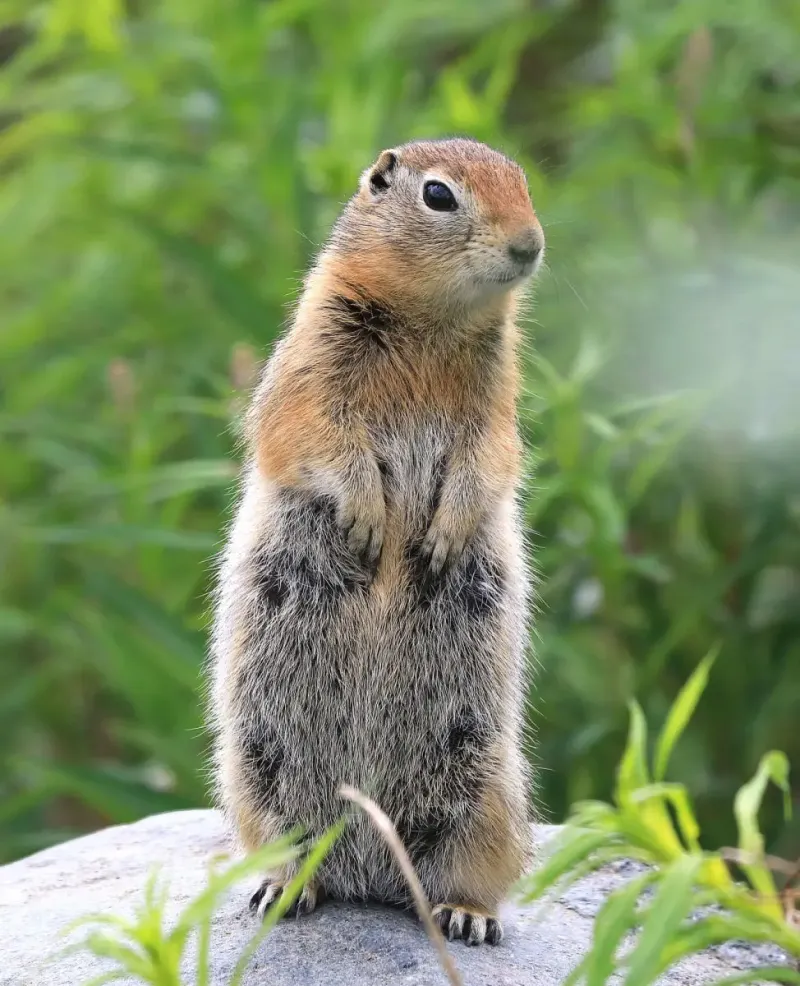
Image Credit: kuhnmi
The Arctic ground squirrel may be small, but it belongs on any list of Alaska’s survival experts. It can live up to about 10 years, which is notable for a little mammal facing predators, cold, and a very short summer.
You will find it in tundra, alpine meadows, riverbanks, and other open habitats with soil loose enough for burrows.
Its real superpower appears in winter. During hibernation, this squirrel can lower its body temperature below freezing without forming dangerous ice crystals in its cells.
By turning stored energy into compounds like glucose that act as natural cryoprotectants, it survives conditions that sound impossible for a warm-blooded animal.
That makes the species feel almost science fictional, yet it is right there in Alaska’s everyday landscape. I love that such an unassuming creature hides one of the most extreme physiological tricks in the North.
It does not outmuscle the cold – it biochemically negotiates with it and somehow wins.
Wood Frog
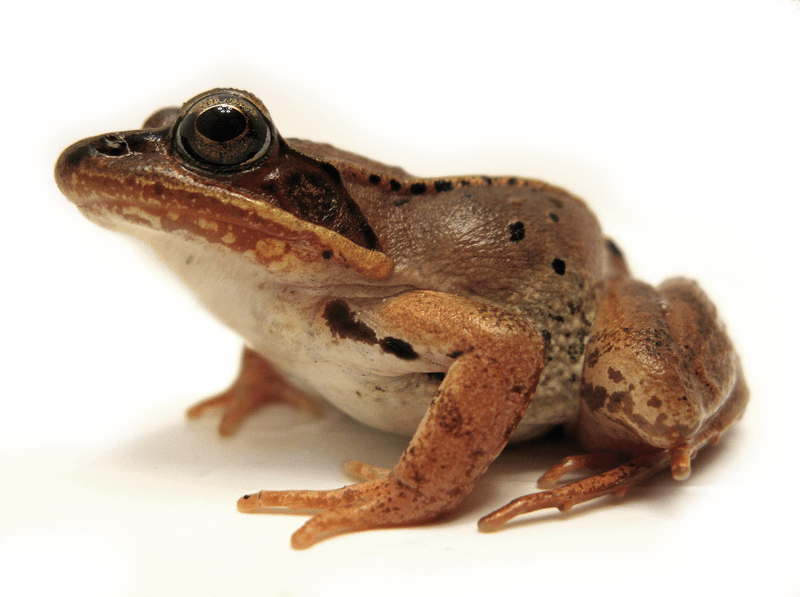
Image Credit: Dave Huth from Allegany County, NY, USA.
The wood frog might be the most improbable survivor in Alaska’s wilderness. It usually lives up to about 8 years, inhabiting boreal forests, wetlands, muskeg, and even areas north of the Arctic Circle.
For a small amphibian in such a cold region, that alone feels impressive, but its winter strategy is what makes it unforgettable.
When freezing temperatures arrive, the wood frog can let much of its body freeze. Its heart stops, breathing stops, and ice can form in parts of the body while protective chemicals like glucose and urea help shield cells from damage.
Then, when spring warmth returns, the frog thaws and resumes life as if it had merely pressed pause.
If you ever wanted a creature that truly turns Alaska’s brutality into a seasonal routine, this is it. The wood frog does not escape winter or overpower it.
Instead, it survives by becoming, for a while, almost a living ice sculpture and then waking back up.
Pacific Sleeper Shark
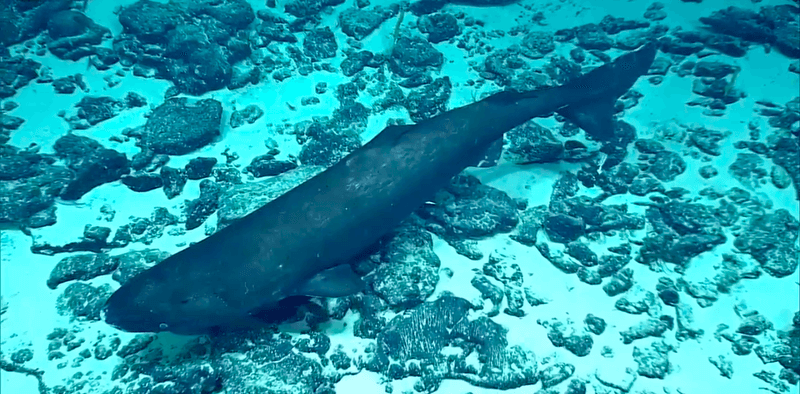
Image Credit: National Oceanic and Atmospheric Administration – NOAA’s Okeanos Explorer 2017 CAPSTONE Expedition
The Pacific sleeper shark is one of Alaska’s most mysterious long-living residents, and that mystery makes it even better. Scientists estimate it can exceed 100 years, with some researchers suspecting lifespans far longer based on its slow growth and similarity to the Greenland shark.
It inhabits deep, cold North Pacific waters, including the Gulf of Alaska and surrounding northern seas.
This is not a shark built for speed or showmanship. It lives in a world of dim light, low temperatures, and immense depth, sometimes far below the surface, where energy conservation matters.
A slow metabolism and very late maturity likely help stretch its life across decades and possibly centuries.
I think the Pacific sleeper shark captures something essential about Alaska’s wilderness – not everything dramatic is obvious. Some of the state’s greatest survivors move in silence through black water where few people will ever look.
That hidden endurance, more than flashy appearance, is what makes this shark unforgettable.