Florida still has wild corners that feel almost prehistoric, but some of its most unforgettable animals are slipping further out of sight. A few live in tiny ranges, others are hanging on in damaged habitats, and several are surviving against odds that get tougher each year.
If you have ever hoped to spot one of these creatures in the wild, now is the time to learn what makes them so special. Each one tells a bigger story about what Florida is losing, and what can still be protected.
Florida Panther
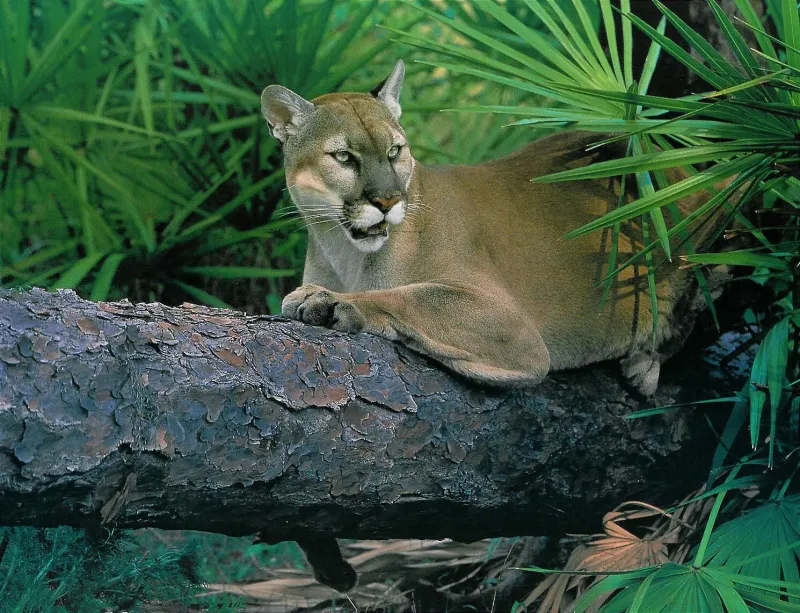
Image Credit: U.S. Army Corps of Engineers.
Seeing a Florida panther in the wild feels almost mythical now, which is part of what makes the species so haunting. These big cats still roam primarily in southwest Florida, slipping through pinelands, cypress swamps, and brushy cover that keeps them hidden from most people.
If you are lucky enough to glimpse one, you are looking at an animal whose survival has become tied to a shrinking, fragmented landscape.
Development keeps slicing habitat into smaller pieces, leaving panthers with fewer safe corridors to travel, hunt, and find mates. Roads are especially deadly, and vehicle collisions remain one of the biggest reasons these cats die before they can help rebuild the population.
The Florida panther is federally endangered, and every sighting feels like both a thrill and a warning that true wilderness in the state is getting harder to hold onto.
Key Deer
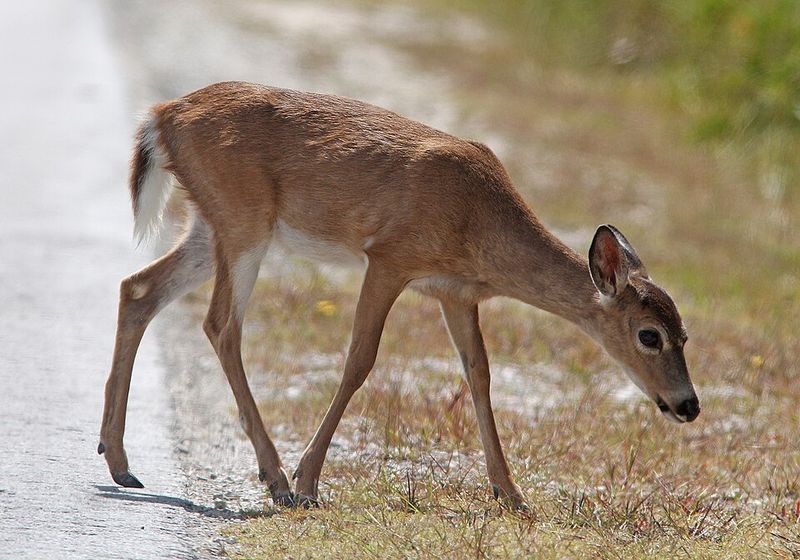
Image Credit: ALAN SCHMIERER.
The Key deer looks like a woodland creature designed on a smaller, gentler scale, and that makes spotting one feel instantly memorable. Found only in the Lower Florida Keys, this compact deer survives in a place where beauty and vulnerability live side by side.
You might see one near pine rocklands, freshwater wetlands, or roadside edges, but even that chance is becoming less certain over time.
Its range is tiny, which means every storm, development project, and busy road carries outsized consequences for the whole population. Hurricanes can wipe out food sources and freshwater, while vehicles kill deer that cross roads woven through island habitat.
The Key deer is endangered, and its future depends on protecting the scattered pockets of land that still allow this unusually small Florida native to browse, breed, and stay just a little bit wild.
Florida Bonneted Bat
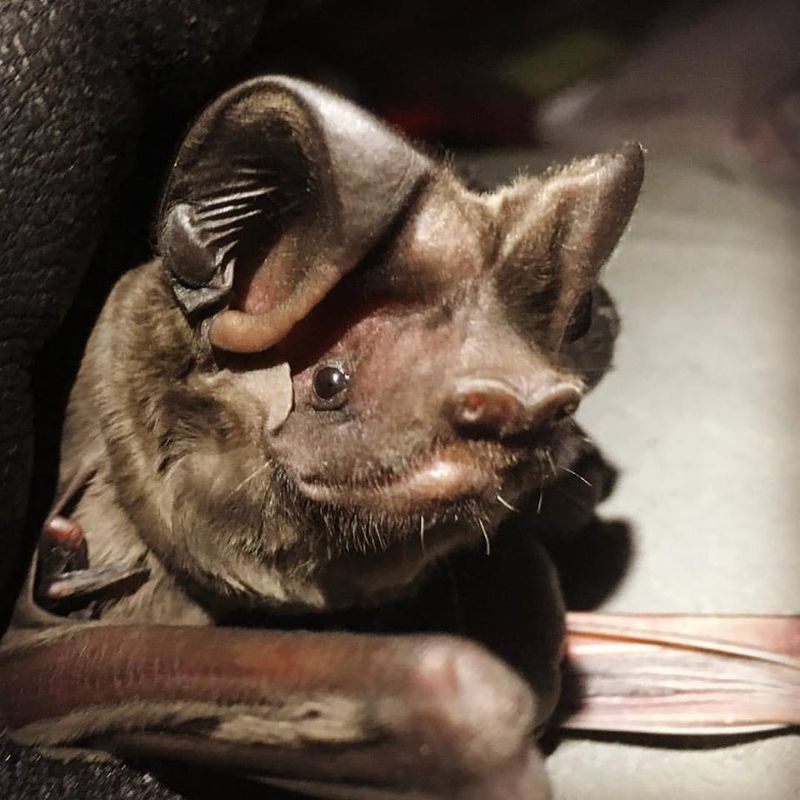
Image Credit: Shalana.gray.
The Florida bonneted bat is one of those animals you could live near for years and never realize it is there. It flies over south Florida after sunset, fast and high, with a presence that is easy to miss unless you know exactly when and where to look.
That mystery only adds to the urgency, because this species is not just uncommon, it is among North America’s rarest bats.
Roosting sites have disappeared as older trees vanish and development spreads across the landscapes where the bats once found shelter. Urban growth has also chipped away at foraging habitat, making it harder for the species to thrive even when a few roosts remain.
The Florida bonneted bat is endangered, and every protected cavity, quiet evening flight path, and intact patch of habitat matters if you want this remarkable bat to remain part of Florida’s nighttime world.
Whooping Crane
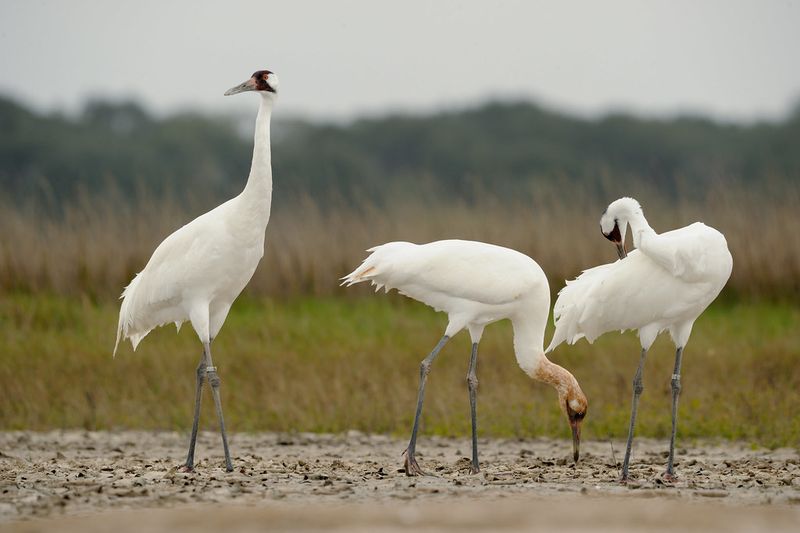
Image Credit: U.S. Fish and Wildlife Service Headquarters.
A whooping crane has the kind of presence that makes a marsh feel suddenly ceremonial, with its height, white plumage, and careful stride. Florida’s birds come from reintroduced populations in central parts of the state, so every sighting carries a layer of conservation history.
When you see one moving through open wetlands, it feels hopeful, but also fragile in a way that is hard to ignore.
The species still struggles with low reproductive success, and that means even surviving adults do not always translate into a steadily growing population. Habitat challenges also continue, from wetland conditions to disturbances that affect nesting and movement across the landscape.
The whooping crane is endangered, and while reintroduction has kept it present in Florida, spotting one remains rare enough to remind you how much effort it takes to return a vanished bird to suitable habitat.
Red-cockaded Woodpecker
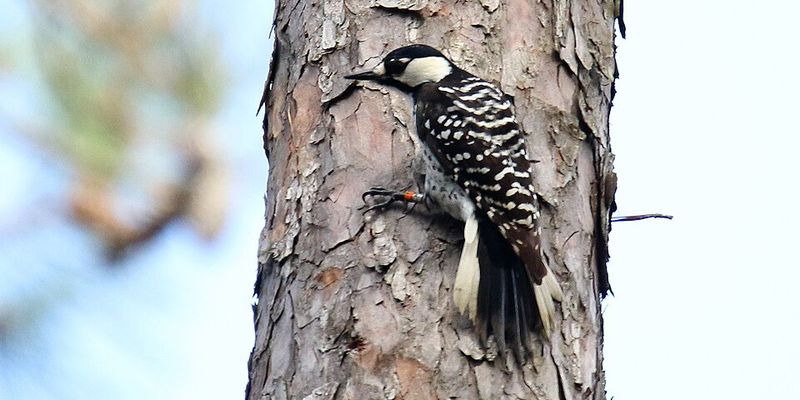
Image Credit: Dominic Sherony.
The red-cockaded woodpecker does not just live in longleaf pine forests, it depends on them in a very specific, old-fashioned way. This bird nests in living mature pines, carving cavities that take years to create, so you are really looking for a species tied to patience and healthy fire-shaped habitat.
If you wander through the right forest and hear its calls, you are hearing an ecosystem that has become far too uncommon.
Decades of logging removed the older pines this bird needs, while fire suppression allowed forests to grow too dense for the open structure it prefers. Once those conditions disappear, the woodpecker cannot simply shift to any nearby trees and carry on.
The red-cockaded woodpecker remains endangered, and its rarity says as much about the loss of Florida’s longleaf world as it does about one striking little bird pecking away in the pines.
Florida Scrub-Jay
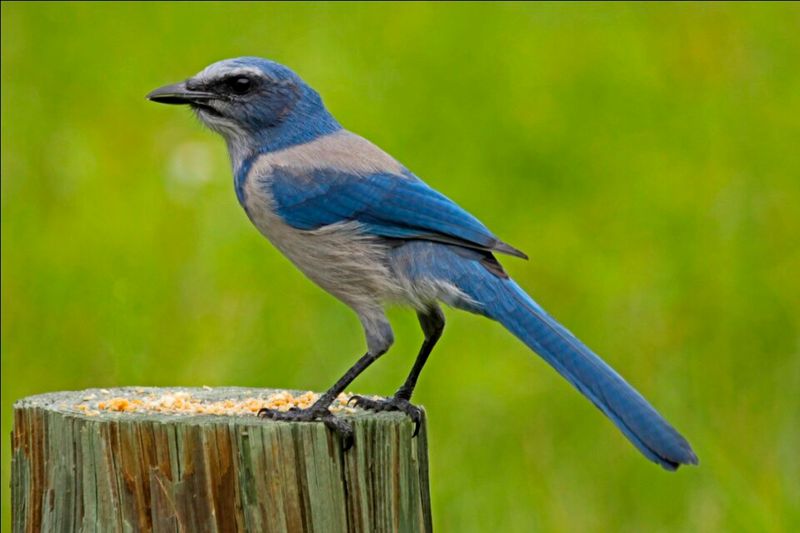
Image Credit: Judy Gallagher.
The Florida scrub-jay is the kind of bird that makes locals feel protective almost instantly, because it exists nowhere else on Earth. It lives in scrub habitats across the state, especially those sandy, sunbaked places filled with low oaks and open space.
If you ever watch one hop close with its curious, bold attitude, you understand why losing this bird would feel deeply personal.
Its problem is painfully simple: the habitat it needs keeps disappearing, breaking apart, or growing too dense when natural fire is suppressed. Development, agriculture, vehicle strikes, and even domestic cats add pressure to a species that has already declined dramatically over the last century.
The Florida scrub-jay is federally threatened, and every remaining patch of healthy scrub matters if you want future generations to hear that rasping call in a place it still truly belongs.
Smalltooth Sawfish
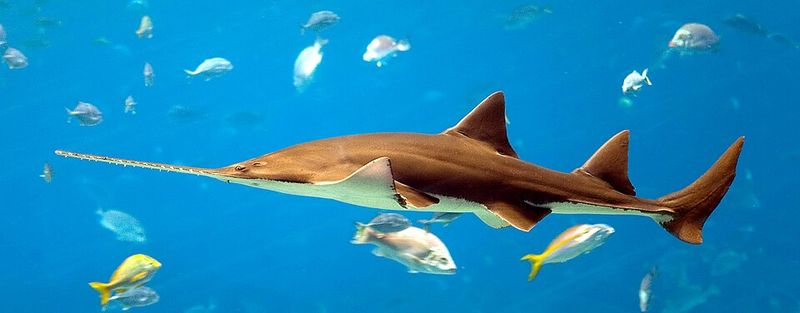
Image Credit: Diliff.
The smalltooth sawfish looks like something left over from another age, which makes its decline feel especially unsettling. In Florida, it lives in coastal waters and estuaries, places where murky shallows and mangrove-lined edges can hide one of the strangest silhouettes in the sea.
You are not likely to spot one casually, and that growing rarity reflects just how pressured these waters have become.
Its long rostrum makes the sawfish especially vulnerable to entanglement and accidental capture in fishing gear, a major reason populations crashed. Habitat degradation adds another layer of trouble, because nursery areas and coastal ecosystems are only useful when they remain healthy, connected, and productive.
The smalltooth sawfish is critically endangered globally, and every confirmed sighting in Florida feels like a reminder that ancient-looking species can still vanish quickly when modern coastlines stop working for them.
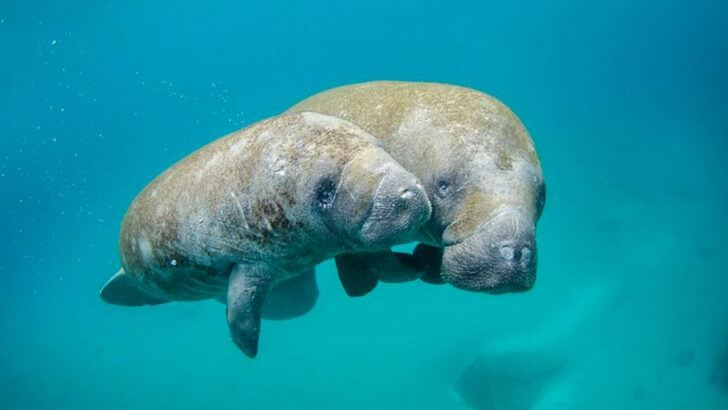
West Indian Manatee
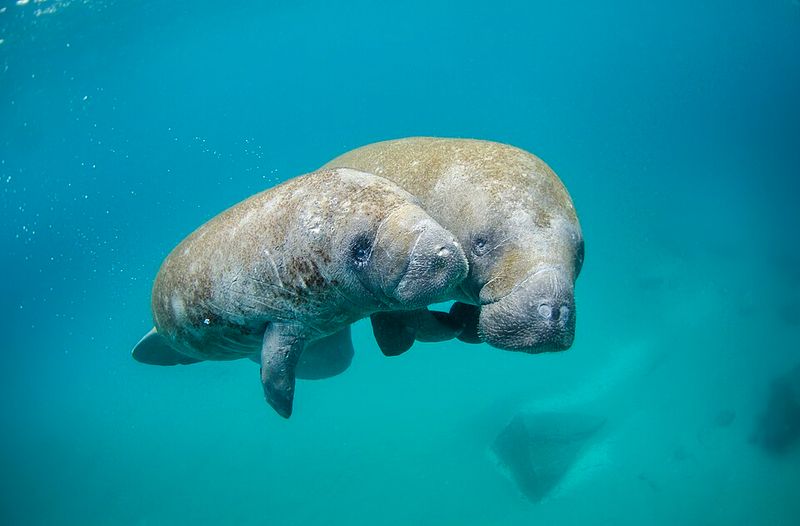
Image Credit: Sam Farkas (NOAA Photo Library).
The West Indian manatee is still one of Florida’s most beloved animals, yet it has become harder to spot in a carefree way. These slow-moving mammals use springs, rivers, and coastal waters, gathering in warm refuges when temperatures drop and drifting through seagrass habitat in calmer seasons.
When you see one now, the moment often carries more concern than nostalgia because recent years have been so punishing.
Seagrass loss has contributed to starvation events, while boat strikes and cold stress continue to kill animals that survive those food shortages. Harmful algal blooms, pollution, and uncertainty around warm-water habitat add pressure to a species that once seemed to be recovering more steadily.
The West Indian manatee is listed as threatened, but its current troubles show how quickly visible wildlife can become vulnerable again when the ecosystems supporting it begin to fail in multiple ways at once.
Eastern Indigo Snake
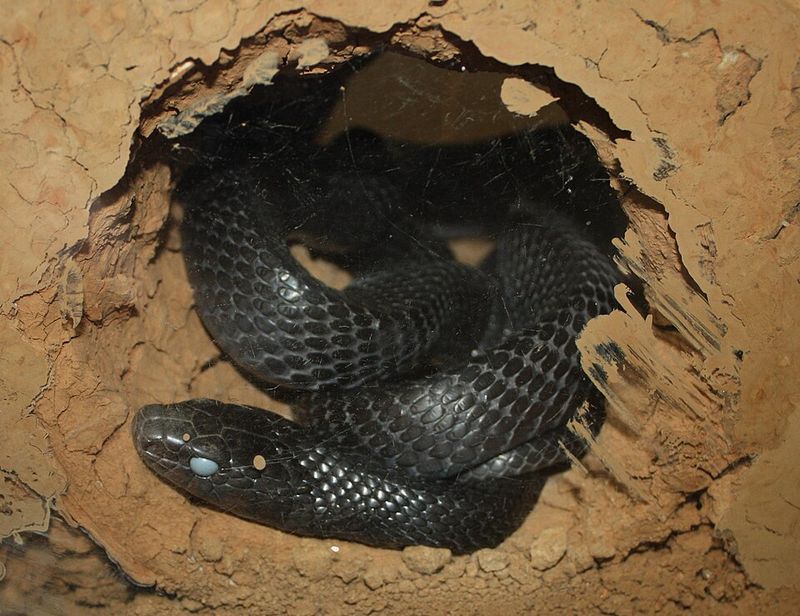
Image Credit: Ltshears.
The Eastern indigo snake has a quiet kind of charisma, all sleek muscle and blue-black shine moving through dry Florida landscapes. It lives in pine flatwoods and sandhills, where open ground, burrows, and healthy native plant communities give it room to hunt and shelter.
If you ever come across one, the experience feels almost ceremonial because this is the longest native snake in the United States.
Its rarity comes largely from habitat loss, which has chipped away at the broad, connected landscapes this wide-ranging reptile needs to survive. Historical collection for the pet trade also hurt populations, turning a naturally elusive animal into an even less common sight.
The Eastern indigo snake is federally threatened, and protecting it means valuing the less glamorous parts of Florida too, the sandy uplands and fire-shaped woods that many people overlook until one remarkable snake reveals how important they are.
American Crocodile
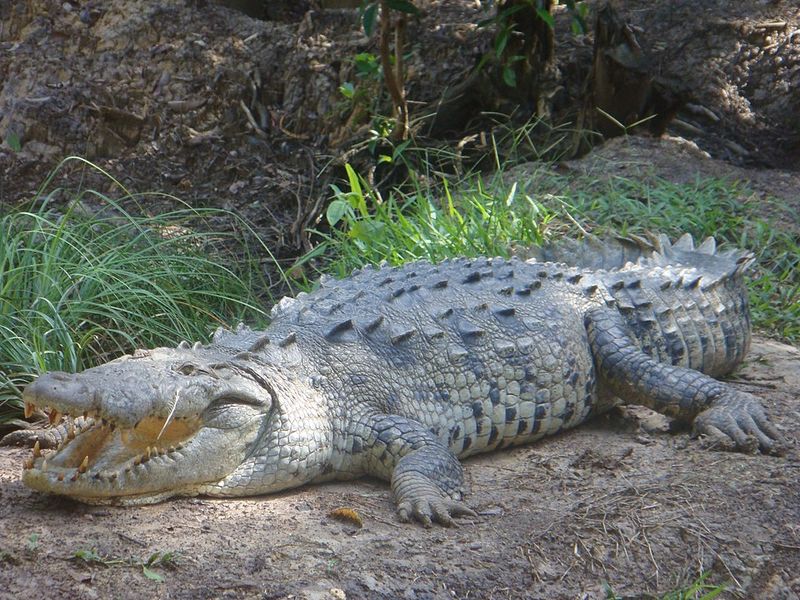
Image Credit: Ken_Mayer.
Spotting an American crocodile in Florida can feel surreal, like stumbling onto a creature that belongs in a much more distant wilderness. In the United States, it is found mainly in southern Florida, especially around coastal mangroves and brackish habitats that stay warm enough to support it.
That limited range means every sighting still feels special, even though conservation has improved the species’ outlook from its worst years.
Habitat loss once pushed the American crocodile dangerously close to extinction in the country, largely by destroying the coastal nesting and nursery areas it relies on. Protection and management have helped, but the animal remains tied to a relatively narrow slice of Florida that is constantly shaped by development and human activity.
It is still a protected species, and seeing one is a reminder that recovery is possible, though never guaranteed when habitat remains the core issue.
Schaus’ Swallowtail
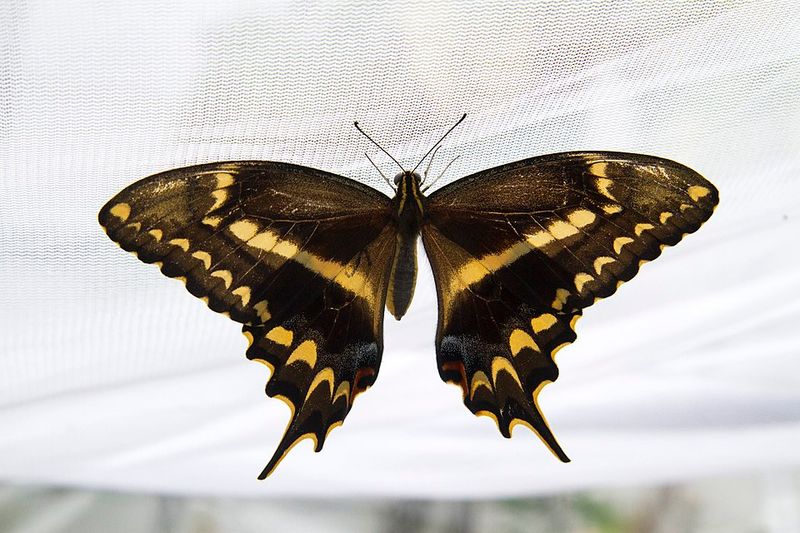
Image Credit: U.S. Fish and Wildlife Service Southeast Region.
Schaus’ swallowtail is the kind of butterfly that makes rarity feel almost unreal, as if a tropical fragment somehow kept fluttering through modern Florida. It lives in tropical hardwood hammocks in the Florida Keys and nearby mainland areas, with Biscayne National Park serving as an important stronghold.
If you were hoping to casually encounter one, the odds are slim, and that scarcity tells a much bigger story than a single elusive insect.
Habitat destruction, fragmentation, and pesticides have all cut into the places this butterfly needs to feed, breed, and persist. Hurricanes and droughts can also hammer already tiny populations, which means one bad season can undo years of careful recovery work.
Schaus’ swallowtail is endangered, and its continued survival depends on protecting those humid hammock forests that often seem overshadowed by beaches and marinas, even though they shelter some of Florida’s rarest living color.
Rice’s Whale
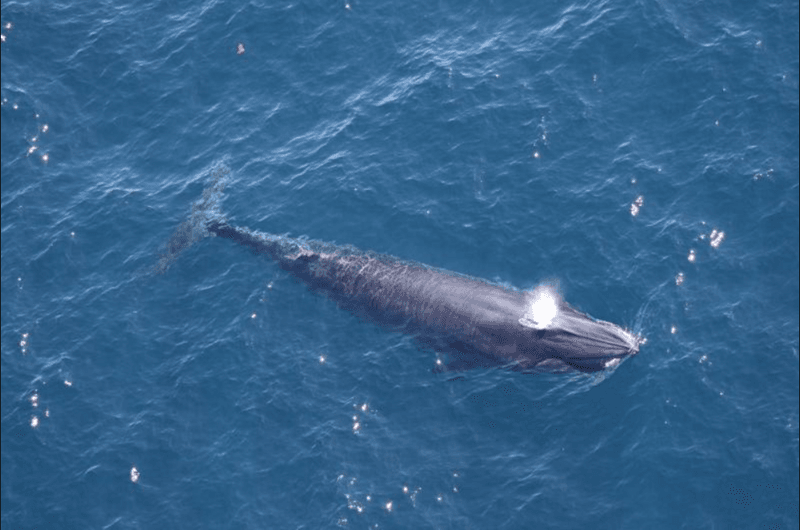
Image Credit: NOAA Fisheries/Paul Nagelkirk.
Rice’s whale may be the rarest Florida-linked animal on this list, and most people have never even heard its name. This whale lives year-round in the northeastern Gulf of Mexico, especially along a narrow stretch of deep habitat off western Florida near the De Soto Canyon.
Because it does not migrate away, every threat in that region matters constantly, which makes its story feel especially urgent.
Scientists believe only a few dozen may remain, and some estimates place the population frighteningly low, turning every individual into a major piece of the species’ future. Ship strikes, underwater noise, oil and gas activity, pollution, and entanglement all threaten an animal already hit hard by the Deepwater Horizon disaster.
Rice’s whale is endangered in the United States and critically endangered globally, and its rarity is a stark reminder that some of the most imperiled Florida wildlife is not on land at all, but offshore and largely unseen.