
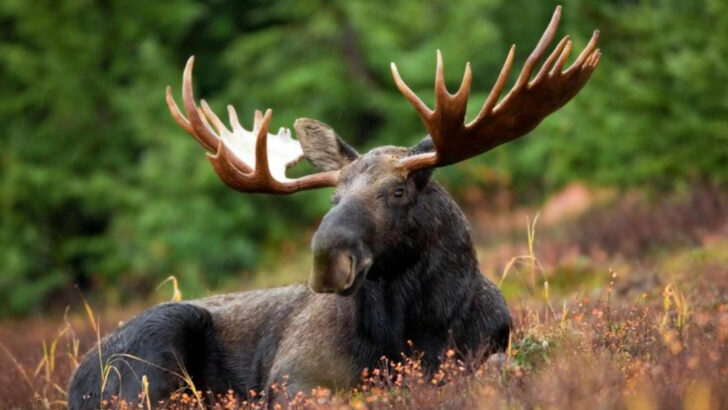
Montana’s wild country is breathtaking, but it comes with animals that deserve real distance and respect. Some look slow, calm, or even shy right before they turn dangerous.
If you hike, camp, fish, or road trip here, knowing which creatures to admire from afar can save you from a very bad day. These are 12 Montana animals I would never treat like a photo prop or a friendly trail companion.
Grizzly Bear
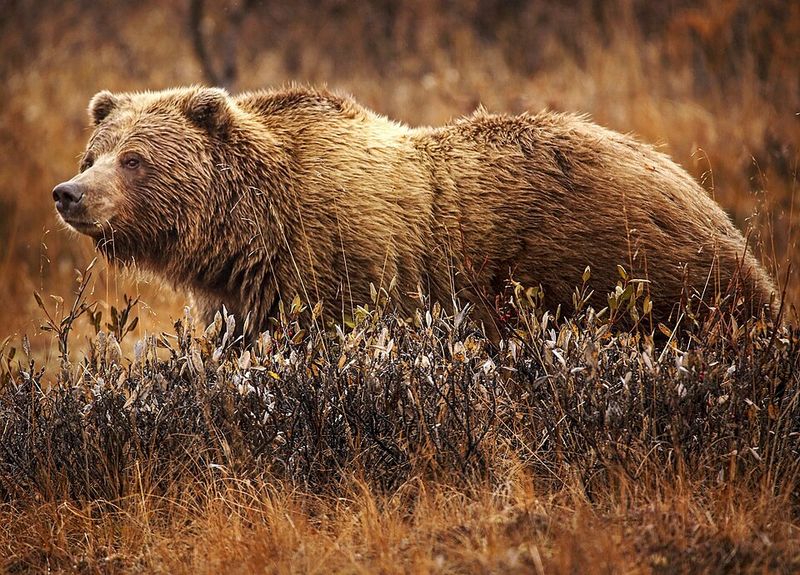
Image Credit: Jean Beaufort.
A grizzly bear is the kind of Montana animal that instantly changes the mood of a trail. One second you are enjoying big sky views, and the next you are thinking about claws, speed, and how small you suddenly feel.
Adult grizzlies are immensely strong, surprisingly fast, and fiercely defensive when food, cubs, or personal space are involved.
I would never test a grizzly’s tolerance, especially near a carcass, berry patch, or creek full of fish. Females with cubs can react in a heartbeat, and even a bear that seems uninterested can cover ground much faster than most people expect.
Running is a terrible idea, and trying to edge closer for a better photo is worse.
If you spot one, back away slowly, stay calm, and give it an escape route. Make noise when visibility is poor so you do not surprise one at close range.
In Montana, respecting grizzlies is not paranoia – it is plain common sense.
American Bison
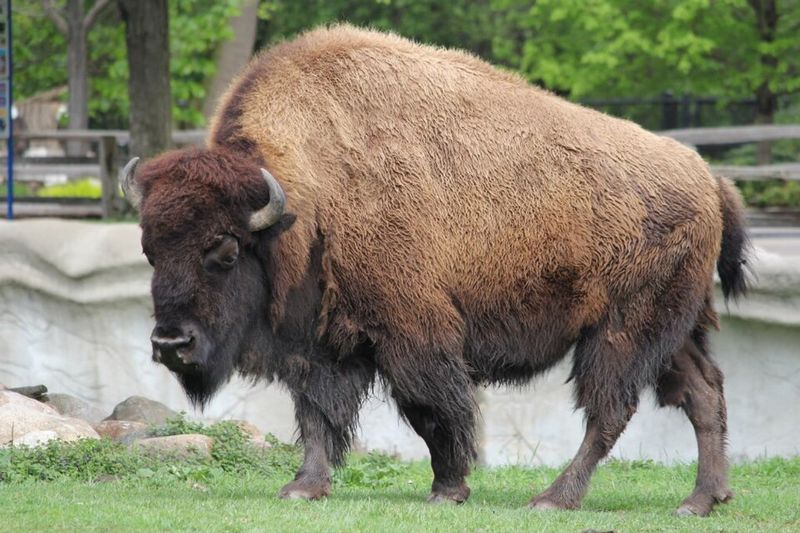
Image Credit: RedGazelle123.
Bison fool people because they often look like oversized lawn ornaments with fur. Then you notice the shoulders, the horns, and the sheer bulk packed into an animal that can run shockingly fast.
In Montana, especially around famous wildlife viewing areas, they injure people who mistake calm behavior for safe behavior.
I never trust a bison’s sleepy expression, because unpredictability is part of the problem. A bull can weigh close to a ton, pivot quickly, and charge with almost no warning if it feels crowded, irritated, or challenged.
People get too close for selfies every year, and the outcome can go from funny vacation story to ambulance ride in seconds.
If a bison lifts its tail, paws, snorts, or fixes attention on you, that is your sign to leave immediately. Give it far more room than feels necessary.
When an animal that big decides you are annoying, your opinion on the matter no longer counts.
Moose
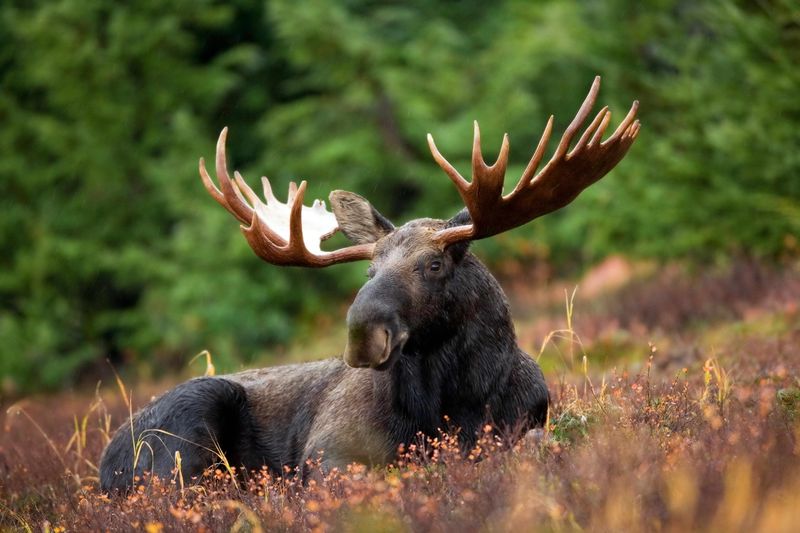
Image Credit: Hagerty Ryan
Moose have a strange talent for looking awkward and majestic at the same time, which makes people underestimate them. That is a mistake I would never recommend in Montana.
They are responsible for plenty of injuries because they can switch from calm browser to furious tank with very little warning.
A startled moose may charge, and a cow with calves can be especially defensive. Their long legs and heavy bodies are not just for show, because those sharp hooves can stomp and slash hard enough to do serious damage.
If a moose lays its ears back, licks its snout, or stares directly at you, you are already too close.
Dogs can make the situation worse because moose often react aggressively to them, then redirect that energy toward nearby people. I would back away behind a tree, vehicle, or other solid object instead of trying to outmaneuver one in the open.
With moose, distance is the smartest form of respect.
Gray Wolf
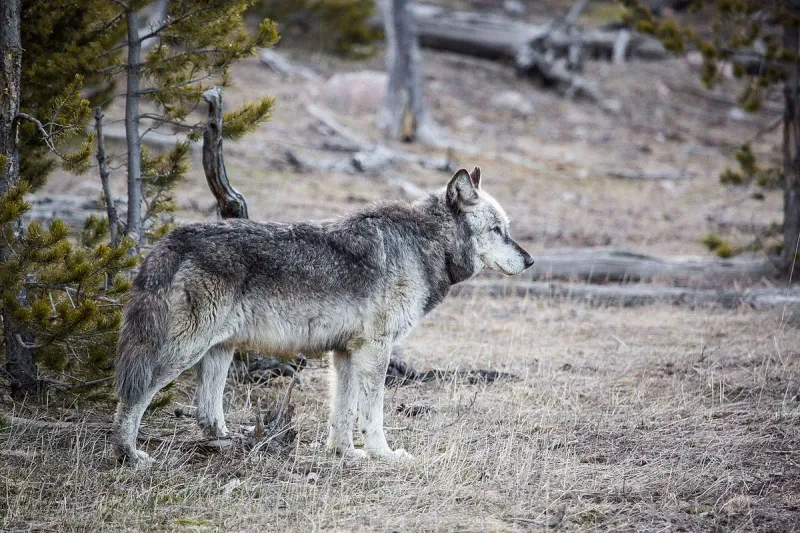
Image Credit: Yellowstone National Park.
Gray wolves are not the cartoon villains people imagine, but they are still wild predators that deserve a wide buffer. Most want nothing to do with humans, and that is exactly how I prefer the relationship to remain.
The problem starts when people treat wolves like approachable dogs or try to follow a pack for a better look.
A wolf that is cornered, injured, sick, or habituated to human food can behave unpredictably. Even when they keep their distance, their intelligence and pack structure should remind you that you are not dealing with a harmless woodland mascot.
If one approaches too closely, stand tall, act big, make noise, and do not run.
I would never feed a wolf, toss scraps, or linger around denning or rendezvous areas. Give wolves at least a hundred yards when possible and let them continue being wary of people.
In Montana, a healthy fear of humans is one of the best protections wolves and people both have.
Mountain Lion
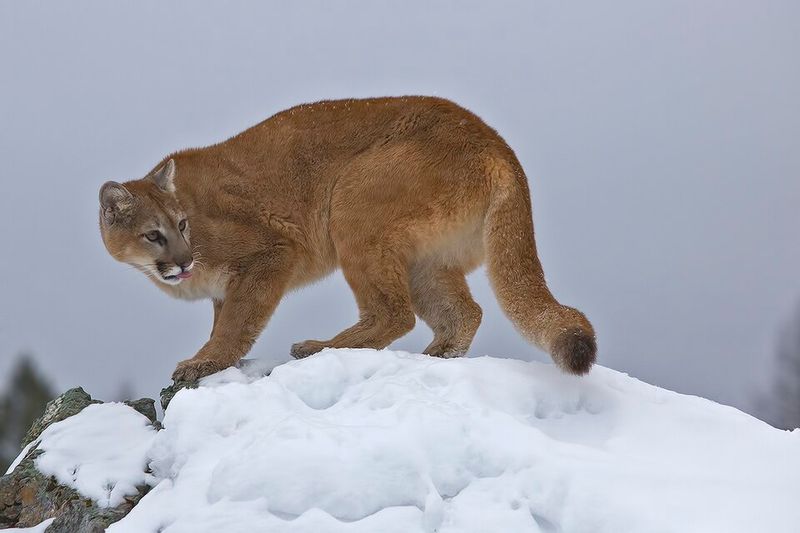
Image Credit: Elaine R. Wilson.
Mountain lions are the ghosts of Montana’s rough country, and that mystery can make them even more unsettling. You rarely see one, which means an encounter feels immediate and intense when it finally happens.
I would never approach a big cat built for silence, ambush, and explosive speed.
If you do spot one, the biggest mistake is acting like prey. Running can trigger chase instincts, while crouching or turning away can make you appear vulnerable.
The smarter response is to stay upright, keep eye contact, make yourself look larger, and back away slowly without panicking.
Children and pets deserve extra caution because they are smaller and move unpredictably. I also would not wander alone at dawn or dusk in lion country without paying close attention to tracks, scat, or the uneasy feeling that something is watching.
Most lions avoid people, but that is not an invitation to close the distance and test their nerves.
American Black Bear
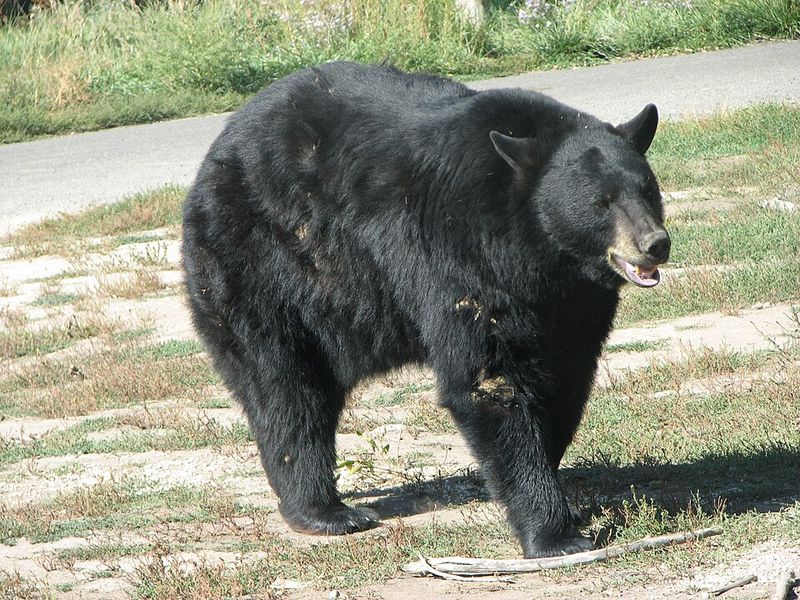
Image Credit: DaBler.
Black bears are more common than grizzlies in many parts of Montana, which can make people too casual around them. That familiarity is risky because a black bear is still a powerful wild animal with claws, teeth, and a strong interest in easy calories.
I never assume one will stay shy just because it is smaller than a grizzly.
Many conflicts begin with human food, unsecured trash, pet food, greasy grills, or fruit trees that pull bears into camps and neighborhoods. A surprised bear or a mother with cubs can react aggressively, and a food-conditioned bear may become bold in ways that feel downright eerie.
Once a bear learns people equal snacks, everyone loses.
I would store food carefully, keep a clean camp, and back away if I see one nearby. Giving a black bear space is not overreacting, it is how you avoid turning curiosity into confrontation.
In Montana, the smartest bear encounter is the one you quietly prevent.
Elk
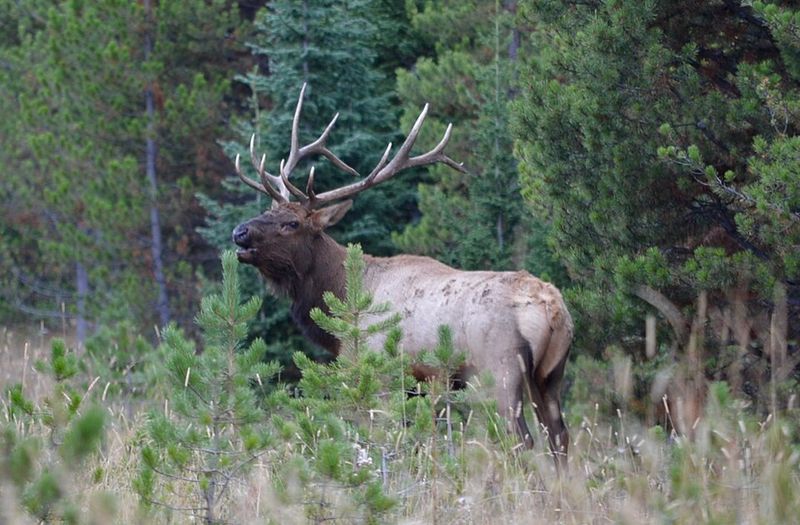
Image Credit: Venture West.
Elk look noble, photogenic, and almost storybook perfect until rut season flips the script. A bull elk pumped full of hormones can become territorial, erratic, and far less interested in your admiration than you are in giving it.
I would never stand close to one in autumn just because it seems busy bugling or showing off.
Those antlers are not decorative, and the body behind them is all muscle and momentum. Bulls may charge people, vehicles, or anything else that crowds them, while cows with calves can become aggressive in spring if they think you are too close.
Hidden calves in tall grass can make an innocent walk suddenly tense.
If an elk pins its ears, tosses its head, or starts moving your way, create distance immediately. Do not try to thread between animals for a better angle or let a dog provoke the situation.
Montana elk are magnificent, but they are not gentle park statues waiting for your camera roll.
Wolverine
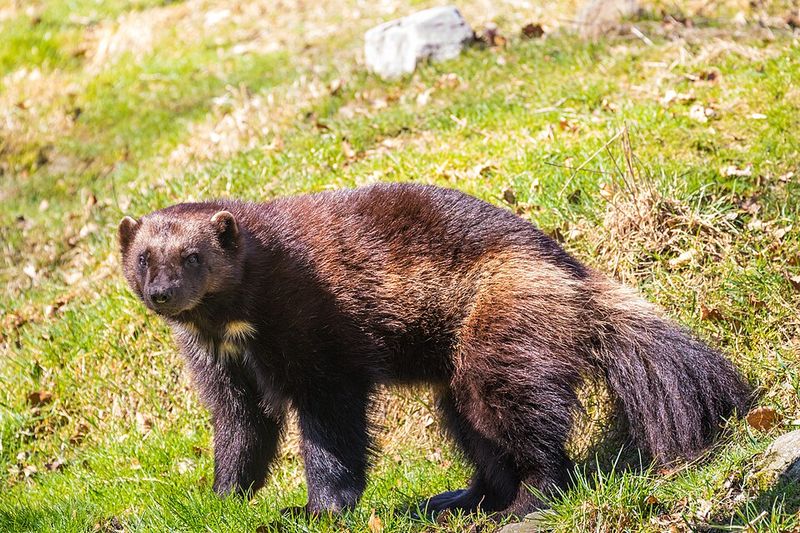
Image Credit: Susanne Nilsson.
The wolverine might be the most intimidating animal on this list relative to its size. It is not large, but it carries a legendary reputation for toughness that makes even bigger predators think twice.
If I were lucky enough to see one in Montana, I would admire it from far away and leave the legend undisturbed.
Documented attacks on humans are essentially nonexistent, which matters, but it does not make approaching one a smart idea. Wolverines are fiercely built, armed with sharp claws and powerful jaws, and known for defending food with astonishing confidence.
A cornered wild carnivore with that kind of attitude is not something you want testing your judgment.
Part of the wolverine’s mystique is how rarely people see it at all. That rarity should make any encounter feel like a privilege, not an invitation to get closer.
In my book, the safest and most respectful wolverine interaction is one where it barely notices you were ever there.
Prairie Rattlesnake
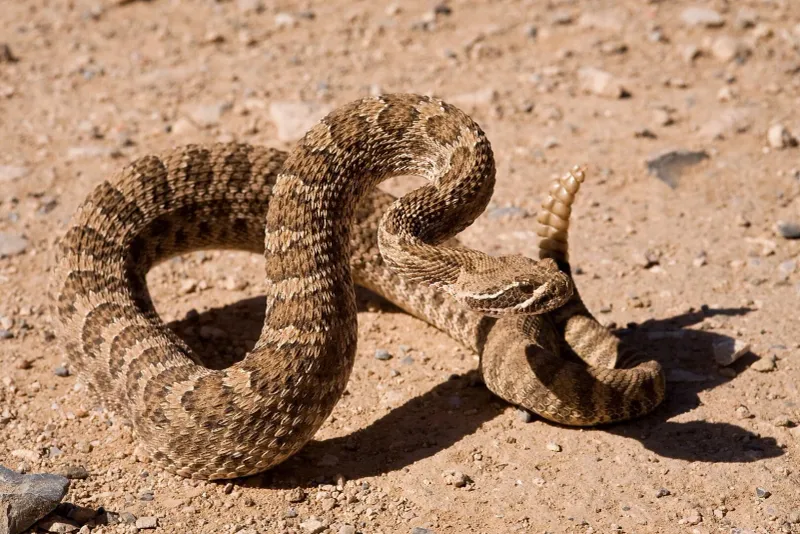
Image Credit: Patrick Alexander
The prairie rattlesnake is Montana’s only native venomous snake, which gives every dry trail and rocky hillside a little extra drama. You may not see it first, and that is exactly why approaching one is such a bad idea.
If I hear that dry buzzing rattle, my entire agenda changes immediately.
Rattlesnakes usually want to avoid trouble, but they will defend themselves if stepped on, grabbed, or crowded. Most bites happen when people try to handle the snake, move it, or get recklessly close for a photo.
Even though many bites are treatable, venom is never something you want to gamble with on a hike.
The right move is simple: stop, locate the snake if possible, and slowly back away. I would watch where I place my hands and feet around rocks, logs, and sunny patches where a snake might be resting.
In Montana, respecting that warning rattle is one of the easiest good decisions you can make outdoors.
Rocky Mountain Bighorn Sheep
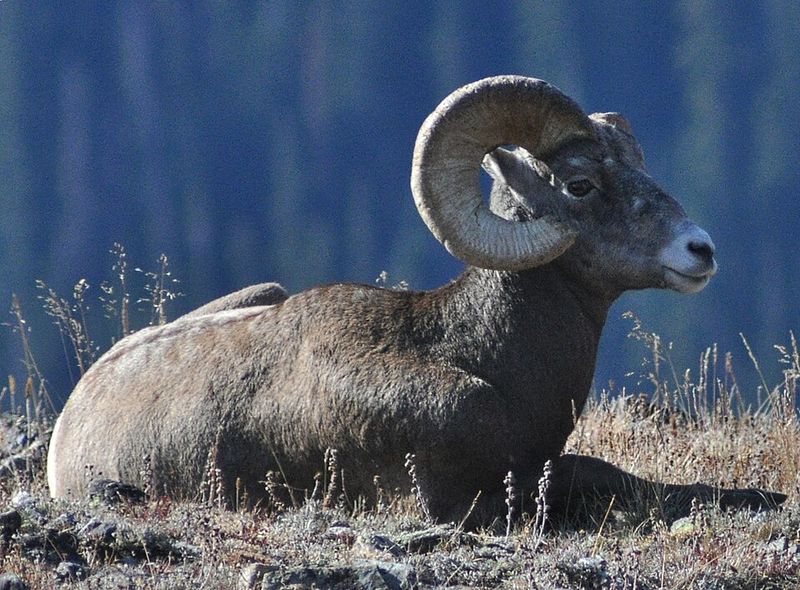
Image Credit: dw_ross.
Rocky Mountain bighorn sheep can seem like one of Montana’s more peaceful wildlife sightings, especially when they are perched dramatically on cliffs. Then you remember the rams spend breeding season smashing each other with bone-rattling force.
I would never assume an animal built like a battering ram will tolerate a close human audience.
During the rut, rams become more aggressive and focused on dominance, and that changes the energy around them fast. Their horns are massive, their necks are built for impact, and a headbutt from close range could cause catastrophic injuries.
Even outside breeding season, crowding any wild sheep is asking for a reaction you do not want.
If you see them on a roadside pullout or trail, enjoy the view without drifting nearer for scale. I would be especially cautious around narrow terrain where an animal might feel cornered.
In Montana, bighorns are best appreciated as wild mountain athletes, not as approachable symbols of the landscape.
Mountain Goat
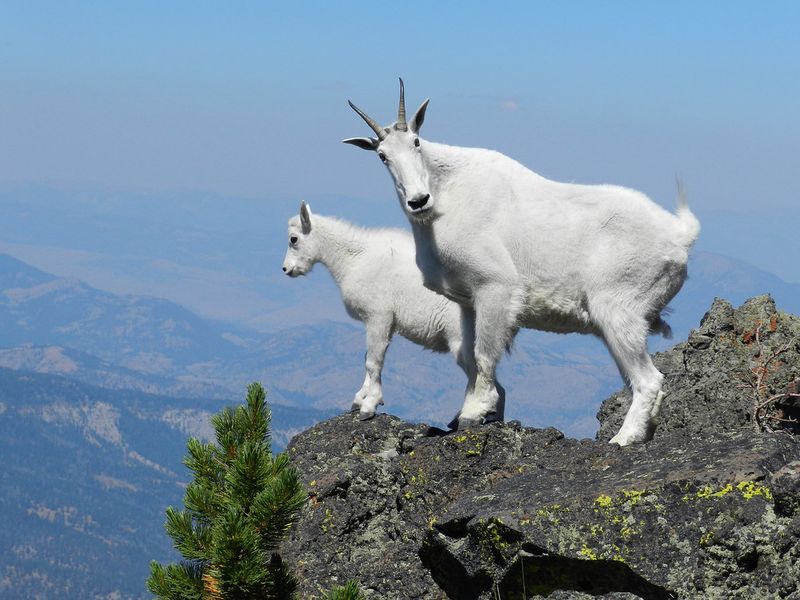
Image Credit: National Park Service
Mountain goats have a way of looking almost serene as they stand on impossible ledges, like gravity signed a special agreement with them. That calm appearance can fool people into edging closer than they should.
I would not forget that those black horns are real weapons attached to an animal that knows exactly how to hold its ground.
Goats can become defensive when they feel pressured, especially around kids or places where they seek salt and minerals. On busy trails, some grow too comfortable around humans, which can make their behavior bolder and less predictable.
An aggressive jab or sudden rush on steep terrain is a risk you do not need.
The danger is not only the animal itself but also the environment around it. One bad move near a cliff edge, loose rock, or narrow switchback can turn a tense wildlife encounter into a serious fall.
In Montana’s alpine country, the smartest move is to let mountain goats keep the mountain and your personal space.
Canada Lynx
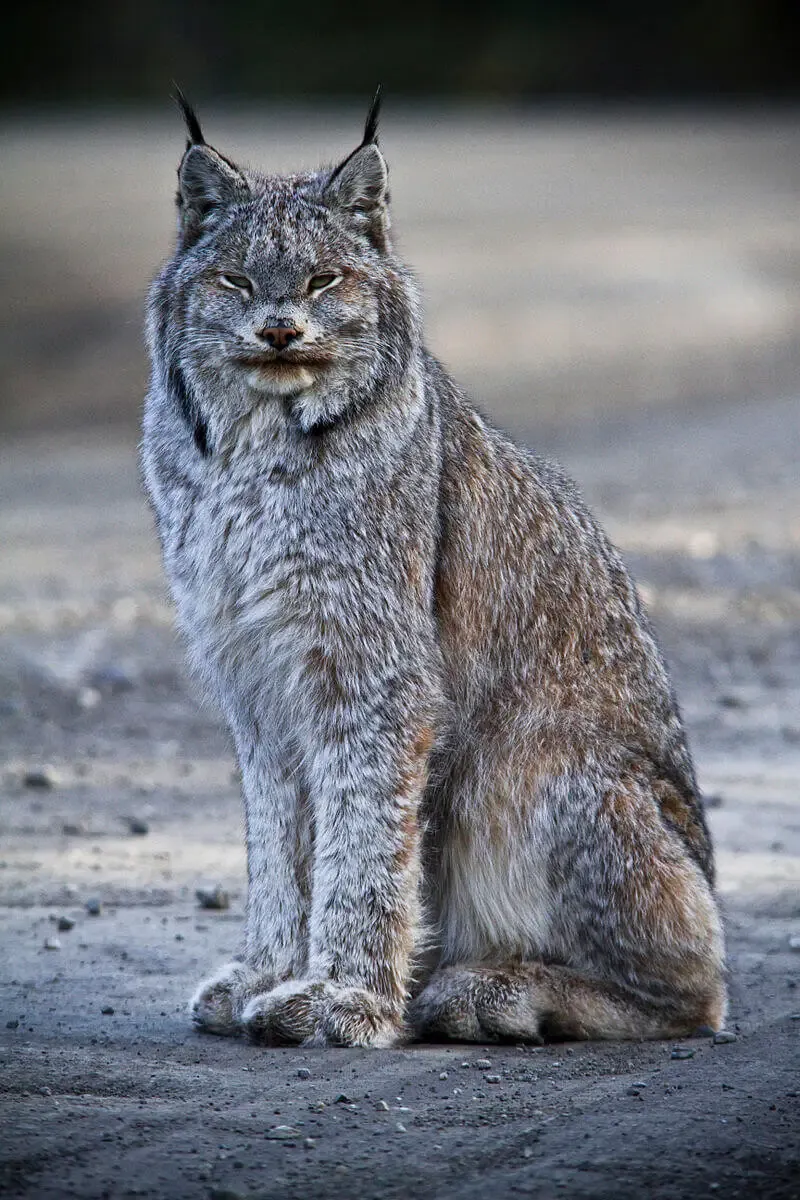
Image Credit: Denali National Park and Preserve
The Canada lynx is one of those animals that feels more like a rumor than a sighting in Montana’s northern forests. It is elusive, quiet, and generally uninterested in people, which is great news for everyone involved.
Still, I would never approach a secretive wild cat just because it appears calm or unusually tolerant.
Lynx pose little risk under normal circumstances, but wild carnivores can react badly when cornered, stressed, or denied an escape route. Their tufted ears and oversized paws may look charming, yet they still come equipped with claws, teeth, and the instincts of a predator.
That means the right response to a rare encounter is humility, not curiosity at close range.
If you ever see one, count yourself lucky and keep the moment brief and respectful. I would avoid following it through deep woods or trying to push in for a perfect picture.
In Montana, the best lynx story is the one where both of you disappeared from each other’s lives without a problem.