
Arizona can feel wild in the best possible way, but some of its most fascinating residents come with venom to match the drama. From quiet snakes in rocky canyons to insects that look almost unreal in the desert sun, these animals demand respect, not panic.
If you hike, camp, garden, or even just live near open land, knowing who shares the landscape with you can make every outing smarter and safer. Here are 11 venomous Arizona animals that stand out for their power, behavior, and unforgettable presence.
Western Diamondback Rattlesnake
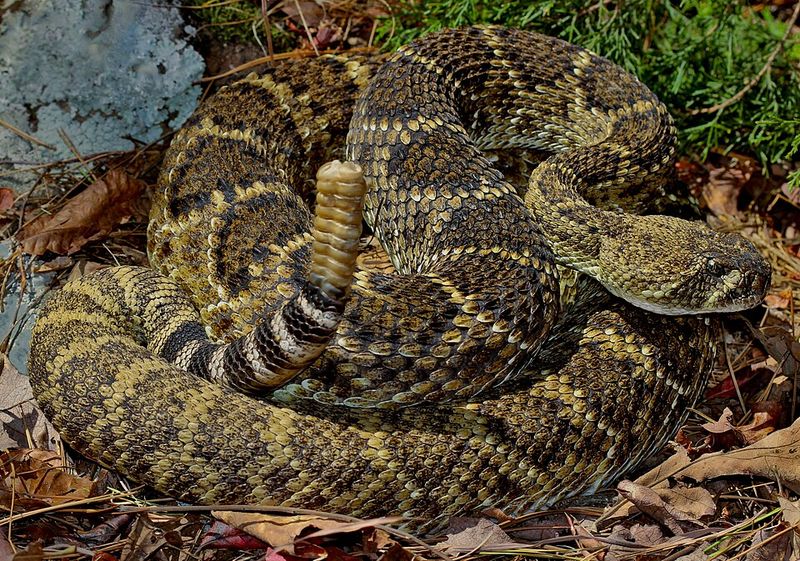
Image Credit: Peter Paplanus.
If you picture a classic Arizona danger zone, the western diamondback rattlesnake probably appears first. This heavy-bodied snake is famous for the dark diamond shapes along its back and the bold black-and-white bands near the tail.
I think what makes it especially important to know is how often it turns up, from open desert and grassland to rocky hillsides and edges of suburban neighborhoods.
Its venom is primarily hemotoxic, which means it can damage blood vessels, blood cells, and surrounding tissue while also interfering with clotting. Most bites happen when people and snakes accidentally surprise each other, not because the animal is actively hunting humans.
You may hear the warning rattle, but not every snake announces itself before striking, so watching where you step and place your hands really matters.
Given space, this species usually prefers retreat over conflict. That combination of camouflage, widespread range, and medically significant venom is exactly why it stays at the top of Arizona’s most notorious venomous animals.
Mojave Rattlesnake
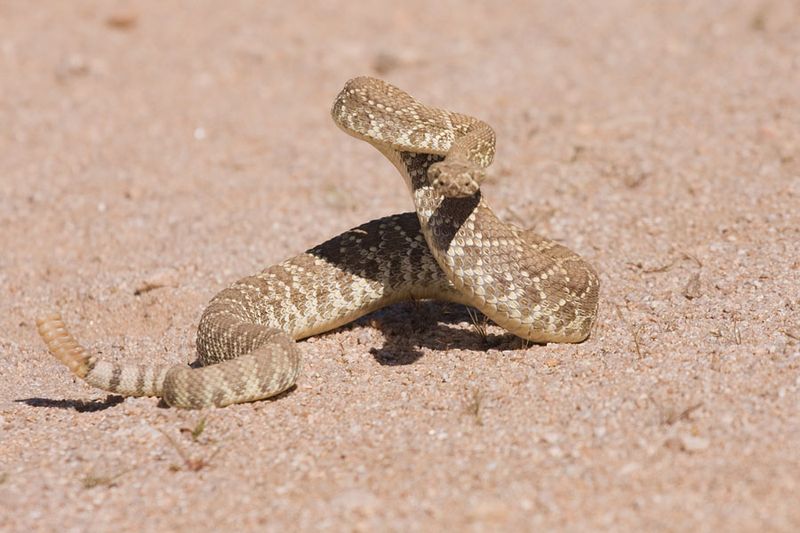
Image Credit: David~O.
The Mojave rattlesnake has a reputation that makes even experienced desert hikers pay attention. Often called the Mojave green, it can look frustratingly similar to a western diamondback, which means quick backyard identification is never something you should trust.
This snake favors Arizona’s arid scrublands, grasslands, and desert flats, where its muted colors let it blend into the ground almost perfectly.
What makes it so feared is its venom, which may contain powerful neurotoxins known to disrupt nerve signals and, in severe cases, affect breathing. Some populations also carry strong hemotoxic components, so the exact medical picture can vary depending on geography.
That unpredictable mix is one reason this species is often described as having some of the most potent venom of any rattlesnake in North America.
Despite that reputation, it is not a reckless attacker looking for people. If you are out in open desert, giving any rattlesnake plenty of room and never trying to identify it up close is the smartest move you can make.
Black-Tailed Rattlesnake
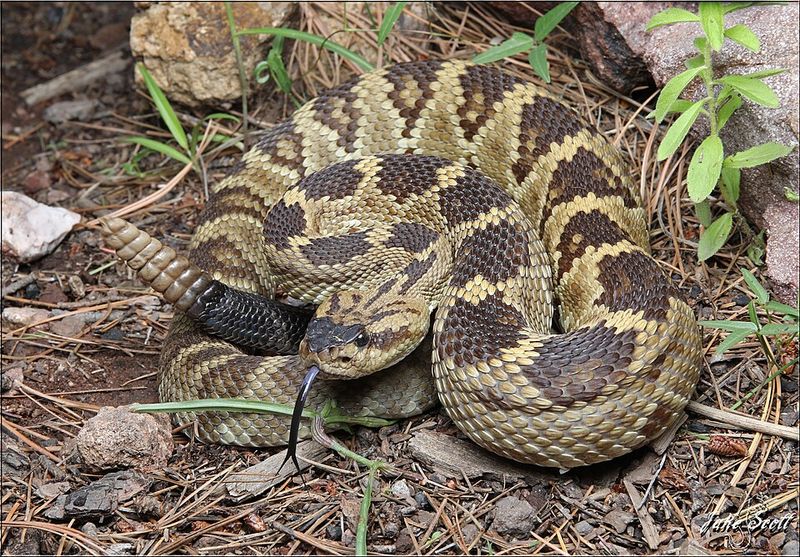
Image Credit: Caudatejake.
The black-tailed rattlesnake feels like one of Arizona’s quieter venomous residents, but it deserves serious respect. You are more likely to find it in rocky mountain canyons, foothills, woodlands, and grasslands, where it often stays so still that its camouflage does most of the work.
Its standout feature is the dark tail, a helpful clue when the rest of the body disappears into stone, shadow, and dry brush.
This species is often described as relatively docile, and that calm reputation is part of why people sometimes underestimate it. Its venom is medically significant and can cause intense pain, swelling, discoloration, and tissue damage, even though bites are less common than with some better-known rattlesnakes.
In more serious cases, complications can involve internal bleeding, muscle damage, or kidney problems, which is why prompt treatment matters.
I find this snake especially interesting because it often chooses stillness over drama. That means the real risk is not aggression, but accidentally getting too close before you realize a perfectly camouflaged rattlesnake is already there.
Arizona Coral Snake
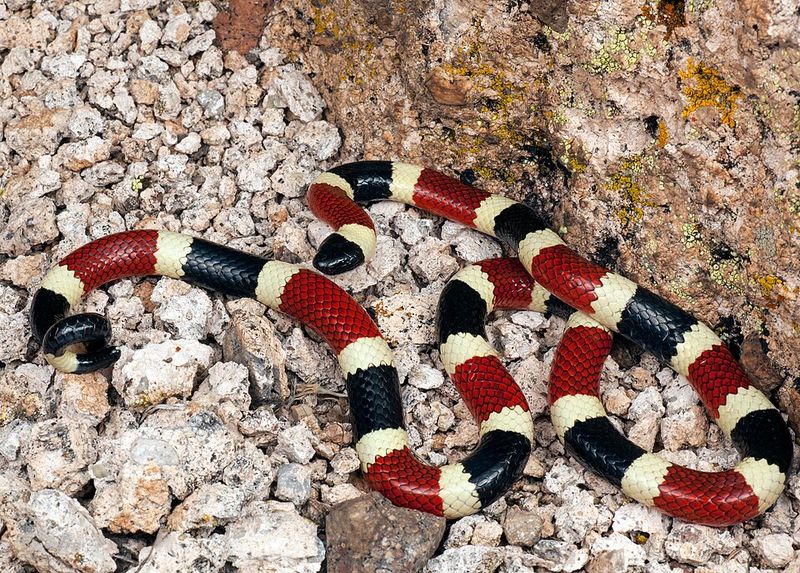
Image Credit: David Jahn.
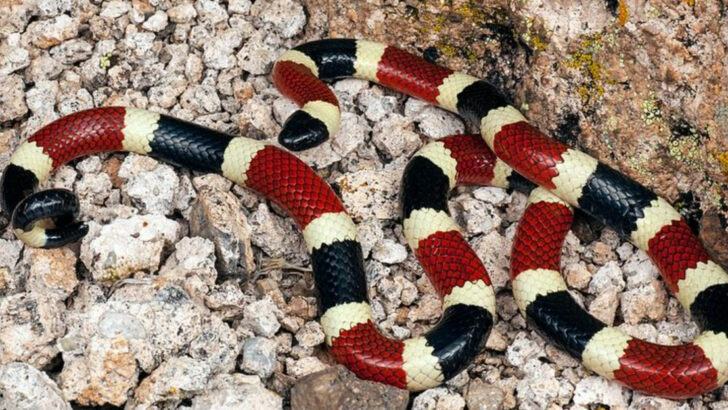
The Arizona coral snake looks almost too colorful to be real, which is part of what makes it unforgettable. With bright red, yellow or white, and black bands wrapping around its slender body, it advertises danger in a way few desert animals can.
Even so, this secretive snake is rarely seen because it spends much of its time hidden under rocks, loose soil, leaf litter, or old burrows.
Unlike rattlesnakes, it relies on potent neurotoxic venom rather than a dramatic warning display. A bite can affect the nervous system and potentially lead to weakness or breathing trouble, but encounters are uncommon because this species is shy and generally non-aggressive.
Most incidents happen only when the snake is handled, stepped on, or cornered, which makes simple awareness one of the best forms of prevention.
I think the coral snake is a good reminder that size means very little in the desert. It is small, reclusive, and easy to overlook, yet it belongs on any serious list of Arizona’s most venomous animals because its venom targets the body in a very different and dangerous way.
Arizona Bark Scorpion
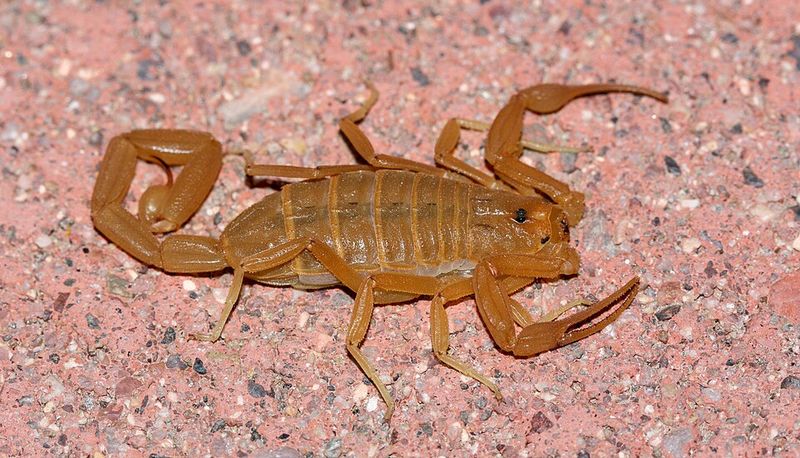
Image Credit: Andrew Meeds.
If there is one Arizona creature that can make a person check shoes, towels, and ceilings twice, it is the Arizona bark scorpion. This small but notorious scorpion is the most venomous in the United States, and it has a talent that makes it even more unsettling: it climbs.
Walls, trees, fences, and even ceilings are all fair game, which is why it sometimes turns up in homes and patios.
Its sting is intensely painful and often brings numbness, tingling, and muscle twitching that people describe as electric shock sensations. Healthy adults usually recover within a few days, but children, older adults, and medically vulnerable people can face more severe reactions, including breathing or swallowing difficulties.
That difference in risk is exactly why a sting should never be brushed off as just another desert nuisance.
During the day, bark scorpions hide in cracks, woodpiles, bark, and dark damp spots around buildings. I think what makes them so memorable is not just the venom, but how easily they cross from wild desert habitat into everyday human spaces.
Desert Centipede
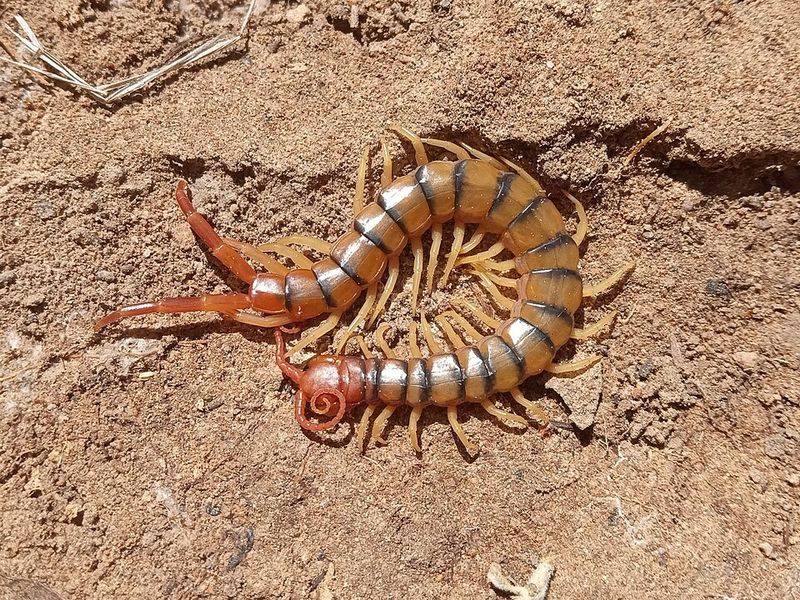
Image Credit: Jake N.
The giant desert centipede may not get the same headlines as rattlesnakes, but it earns its place on this list with pure nightmare energy. Long, fast, and armed with venom-delivering forcipules near the head, it looks like something the desert dreamed up after dark.
You will usually find it hiding under rocks, wood, or debris by day, then roaming at night in search of insects, lizards, rodents, and even other venomous creatures.
A bite from this centipede is famously painful, causing immediate burning pain, redness, swelling, and localized tissue irritation. It is rarely life-threatening for healthy adults, but the experience can be intense enough to leave a lasting impression, and some people may also experience nausea, dizziness, or allergic reactions.
In other words, it is not usually deadly, but it is definitely not an animal you want crawling across your boot.
I think the desert centipede is unconventional in the best and worst sense. It reminds you that Arizona’s venomous lineup is not just about snakes and spiders, but also about strange nocturnal hunters built for speed, ambush, and pain.
Brown Spider Wasp
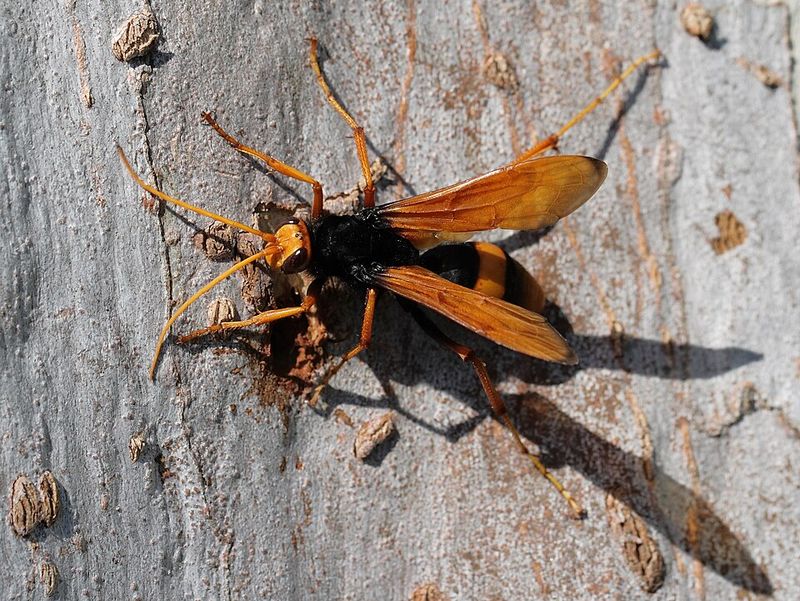
Image Credit: Toby Hudson.
The brown spider wasp feels like one of Arizona’s most underrated venomous specialists. At a glance, it may not seem as dramatic as a rattlesnake, but this wasp is an expert hunter that uses venom to paralyze spiders before hauling them to a nest for its larvae.
That behavior alone gives it a strangely cinematic place in the desert food web, especially if you ever spot one dragging prey across the ground.
For people, the good news is that brown spider wasps are not looking for trouble. They rarely sting humans unless directly handled or trapped, but when a sting does happen, it is known for severe, immediate pain that ranks impressively high on pain scales.
The pain is usually short-lived and does not tend to cause major long-term medical issues in healthy adults, which separates it from more medically dangerous venomous animals on this list.
I like including this species because it adds a more unconventional kind of desert menace. It is less about widespread human risk and more about astonishing biological precision, with venom used as a hunting tool rather than a frequent defense against people.
Tarantula Hawk Wasp
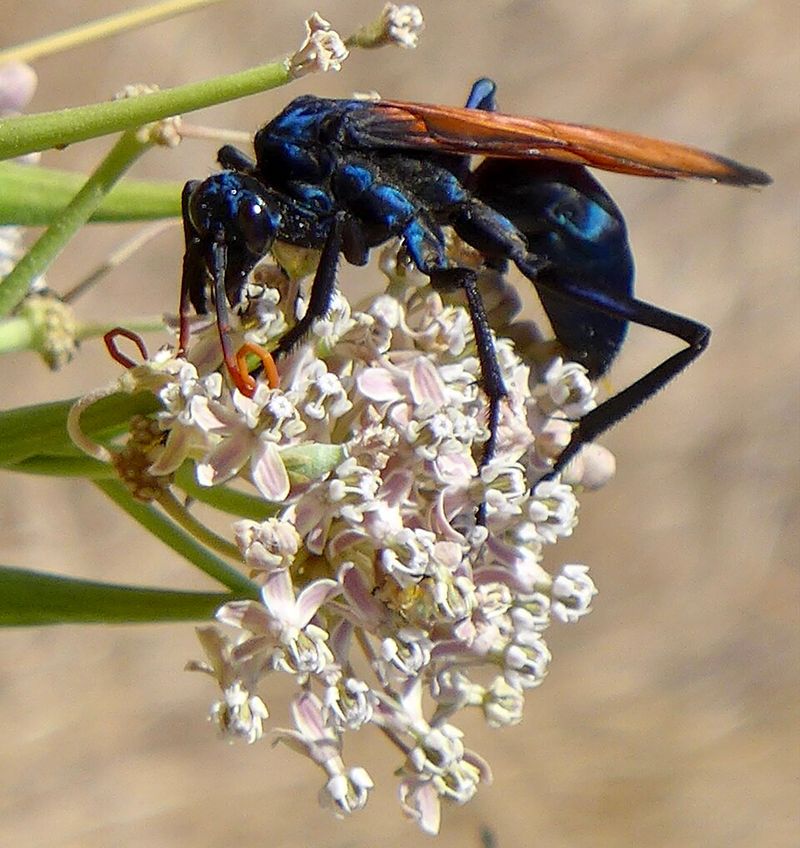
Image Credit: (c) icosahedron.
The tarantula hawk wasp looks like Arizona turned its volume all the way up. With a metallic blue-black body, blazing orange wings, and a hunting style centered on subduing tarantulas, it is one of the most visually spectacular insects you can encounter in the desert.
Females use venom to paralyze spiders, then drag them to a nest where the still-living tarantula becomes food for developing larvae.
Its sting has become legendary because the pain is considered among the most intense of any insect in the world. People describe it as sudden, electric, and overwhelming, yet the agony usually peaks briefly and does not cause lasting injury in healthy adults.
That strange combination of extreme pain and low long-term danger gives this wasp a reputation that feels almost mythical, even though it is a real and fairly visible part of Arizona’s warm landscapes.
What I appreciate about the tarantula hawk is how misunderstood it can be. Despite the fearsome look and infamous sting, it is generally docile toward people and far more interested in spiders than in starting a fight with you.
Desert Recluse Spider
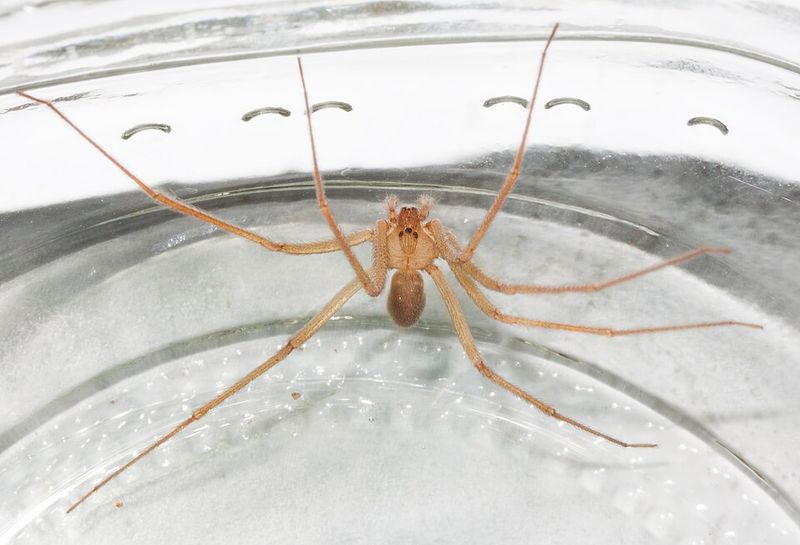
Image Credit: DesertTrip.
The desert recluse spider does not announce itself with bright colors or a rattle, which is exactly why it unsettles so many people. This shy spider prefers hidden, dry places such as woodpiles, dead cacti, wall crevices, storage spaces, garages, and undisturbed corners of desert structures.
In natural settings, it also uses rocks, rodent dens, and native vegetation for cover, making it more widespread than many people realize.
Its venom contains tissue-damaging components, including sphingomyelinase D, which can break down skin and underlying tissue in some bites. That sounds dramatic, but serious cases are actually uncommon, and most bites are minor, especially because the spider usually avoids contact whenever possible.
Problems typically happen when a recluse is accidentally pressed against skin by clothing, bedding, gloves, or stored items that have not been disturbed in a while.
I think the desert recluse belongs on this list because it represents a quieter kind of venom risk. It is not aggressive or flashy, but its hidden habits and medically notable venom make it a species you should absolutely know before reaching into dark, forgotten places.
Arizona Black Widow
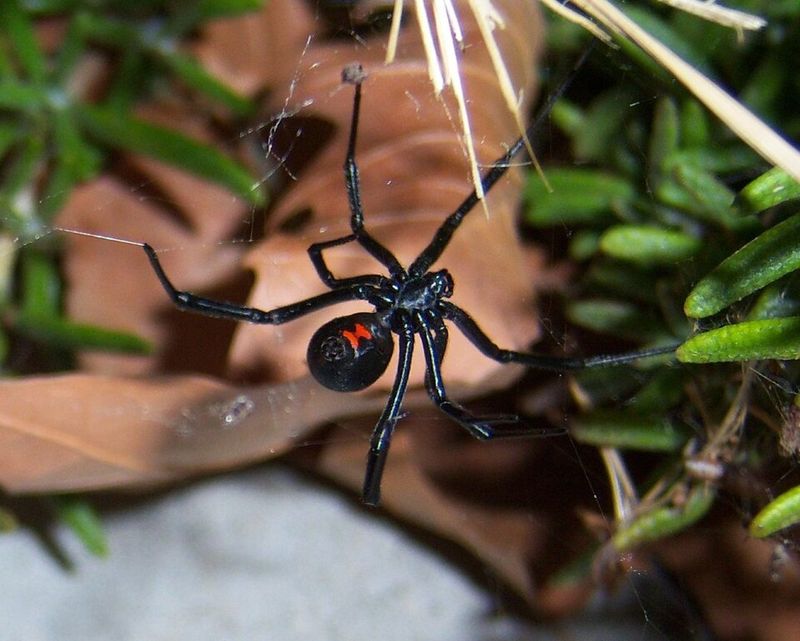
Image Credit: Konrad Summers .
The Arizona black widow is proof that some of the state’s most dangerous venomous animals can hide in plain sight. The glossy black female, marked with the familiar red hourglass on the underside of the abdomen, often lives in garages, sheds, block walls, woodpiles, and other dark undisturbed spaces close to the ground.
You may never see one until you move the wrong object, which is why caution around clutter matters so much.
Its venom is strongly neurotoxic and can trigger severe muscle cramps, abdominal pain, sweating, nausea, restlessness, and sometimes breathing difficulty. Fatalities are now extremely rare thanks to modern treatment, but a bite still deserves prompt medical attention because the symptoms can become intense and spread far beyond the bite site.
This is not a spider that chases people, though. Most bites happen in self-defense when the animal is pressed, trapped, or protecting eggs.
I think black widows are especially important to remember because they overlap so easily with human spaces. They are reclusive by nature, but their preferred hiding spots often line up perfectly with how people store tools, firewood, and outdoor supplies.
Desert Massasauga
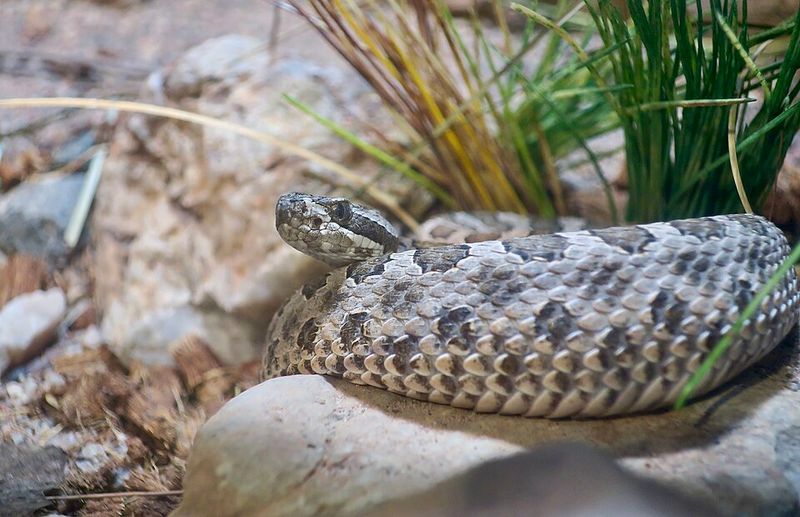
Image Credit: RatioTile.
The desert massasauga may be smaller than Arizona’s headline rattlesnakes, but size should not fool you here. This shy species usually lives in southeastern Arizona grasslands, low rocky bajadas, and scrubby foothills, where its gray-brown pattern blends beautifully into dry earth and sparse vegetation.
Because it is so well camouflaged and relatively uncommon, many people could walk near one and never realize it was present.
Its venom is medically important and can cause pain, swelling, and blood-clotting problems, even though bites are less frequently reported than with larger rattlesnakes. Like other members of its group, it generally wants to avoid conflict and may use its small rattle as a warning when disturbed.
Some people say the sound is more insect-like than the louder buzz of bigger rattlesnakes, which makes this species feel even more mysterious in the field.
I find the desert massasauga especially compelling because it represents hidden danger in miniature. It is rare, protected in Arizona, and easy to overlook, yet it still commands the same respect you would give any larger venomous snake on the trail.