
When the Texas sun drops below the horizon, a completely different cast of animals takes over. Some glide, some slink, some dig, and some practically turn the dark into their advantage.
If you have ever wondered what is rustling, hooting, hopping, or hunting after midnight, these twelve nighttime specialists will make Texas feel even wilder.
Nine-Banded Armadillo
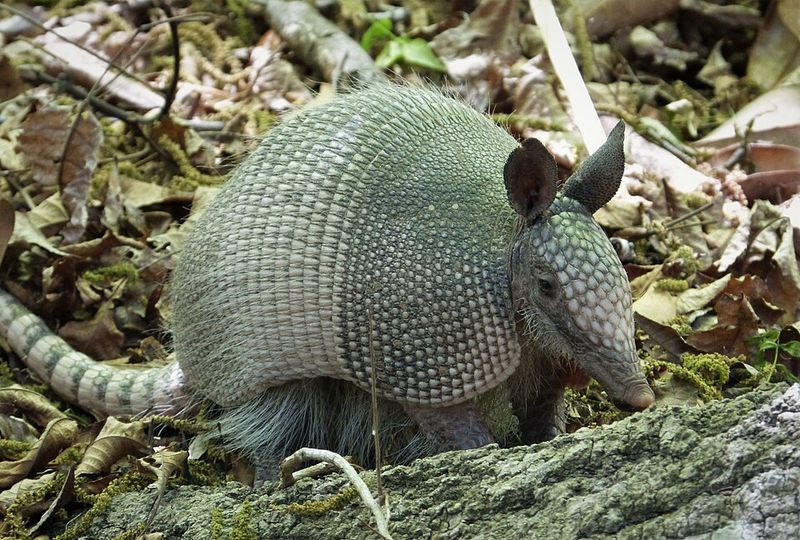
Image Credit: gailhampshire.
If you have spent time on Texas backroads after dark, you have probably seen a nine-banded armadillo nosing along the shoulder like a tiny armored tank. This unofficial mascot of Texas is mostly nocturnal, especially in warmer months, when cooler nighttime temperatures make digging and foraging easier.
Its eyesight is poor, but that barely matters because smell and hearing do most of the work.
An armadillo can detect insects and other prey beneath the soil, then root around for grubs, beetles, ants, worms, and snails with determined efficiency. It is also the only mammal with a true protective carapace, which somehow makes it look prehistoric and endearing at the same time.
You can think of it as a nighttime excavator built for persistence instead of speed.
In winter, activity may shift toward warmer daylight hours, but summer belongs to the dark. Listen for rustling in leaf litter, and you might realize Texas nightlife has a shell.
Ringtail
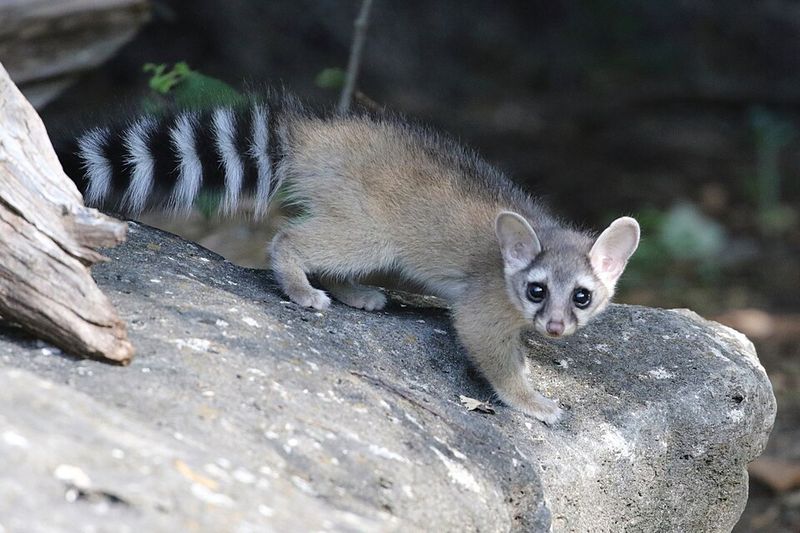
Image Credit: Brooke Smith.
The ringtail feels like one of Texas’s best-kept nighttime secrets, a creature so odd and elegant it almost looks invented. Related to raccoons, it has huge eyes, a foxlike face, and a striped tail that seems designed by someone who wanted extra flair.
Most of all, it is an expert nocturnal climber that comes alive when the rocks cool off.
Ringtails spend the day tucked into dens, then emerge to hunt rodents, insects, birds, reptiles, and even fruit. Their most impressive trick is the ability to rotate their hind feet nearly 180 degrees, which lets them descend cliffs, canyon walls, and steep rock faces headfirst.
If you imagine a gymnast crossed with a thief, you are getting close.
They prefer rocky habitats like canyons and talus slopes, where balance matters as much as boldness. Spotting one is rare, but that rarity makes the ringtail feel almost mythical, like Texas keeping a moonlit mascot to itself.
Coyote
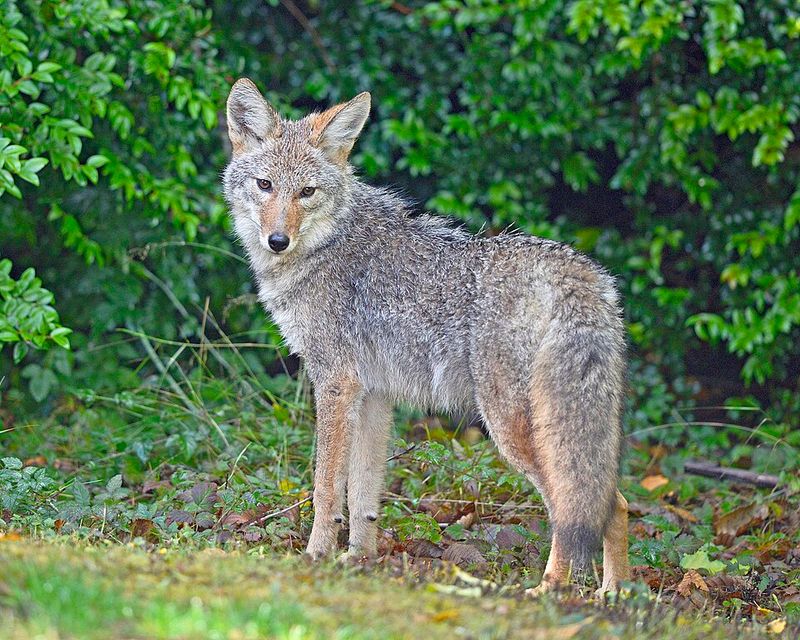
Image Credit: VJAnderson.
The coyote is one of those Texas animals that seems to belong equally to open ranchland and the edge of suburbia. You may hear it before you see it, especially after sunset, when its yips and howls carry across fields, creek bottoms, and greenbelts.
That nighttime soundtrack is one of the most recognizable wild sounds in the state.
Coyotes are often active at dawn and dusk, but they become more strongly nocturnal where people are nearby. Darkness gives them safer passage through brush, pasture, and even neighborhoods, where they can travel with surprising stealth.
Their adaptability is the real story, because few predators handle changing landscapes as confidently as they do.
At night they hunt small mammals, search for opportunities, and patrol territory with sharp senses and efficient movement. You might think of a coyote as a wilderness survivor, but it is also a strategist.
In Texas, the night often belongs to whatever animal learns fastest, and the coyote rarely falls behind.
Mexican Free-Tailed Bat
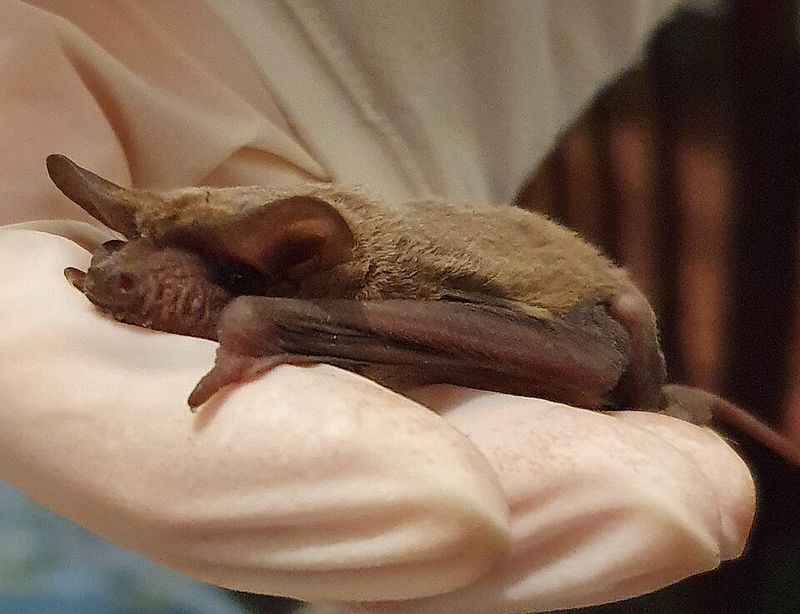
Image Credit: Chloe Johnson.
Few Texas night scenes are more unforgettable than a river of bats pouring into the sky at dusk. The Mexican free-tailed bat turns evening into spectacle, especially in Austin, where the colony beneath Congress Avenue Bridge is the largest urban bat colony in North America.
Watching that swirling launch feels less like birdwatching and more like witnessing weather with wings.
These bats head out after dark to hunt flying insects, using echolocation to navigate and detect prey with astonishing precision. During active hunting, they can emit rapid calls that help them track movement in the dark while scooping up moths and other insects on the wing.
In practical terms, that means enormous pest control, with massive colonies consuming tons of insects in a single night.
Across Central Texas and the Hill Country, countless caves and roosts shelter millions more. They may look chaotic in flight, but their nightly exodus is purposeful, efficient, and deeply beneficial.
Texas nights would be much buzzier without them.
Great Horned Owl
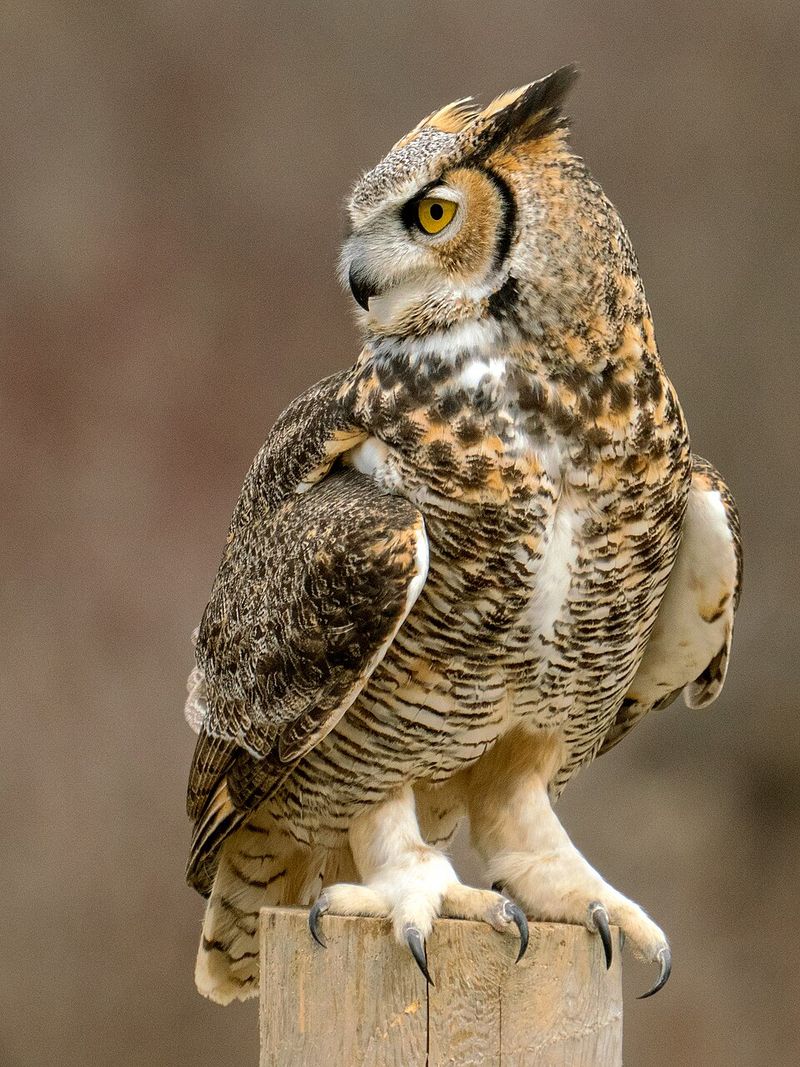
Image Credit: Peter K Burian.
The great horned owl has the kind of presence that makes a quiet Texas night feel instantly ancient. Its deep hoots roll through forests, ranch country, and even suburban neighborhoods, sounding calm and eerie at the same time.
If any bird seems built to own the dark, it is this one.
Great horned owls are formidable nocturnal predators with exceptional night vision and nearly silent flight. They can hunt surprisingly large prey, including rabbits, skunks, and even other owls, striking with speed that feels almost unfair.
You rarely hear the approach, which is exactly the point.
Their feathered silhouette, ear-like tufts, and steady stare give them an unmistakable look, but their real power is efficiency. They patrol after dark with the confidence of an animal that knows most other creatures are at a disadvantage.
In Texas, hearing one hoot from a live oak or neighborhood pine can make the whole landscape feel wilder, as if the darkness itself just cleared its throat and answered back.
Virginia Opossum
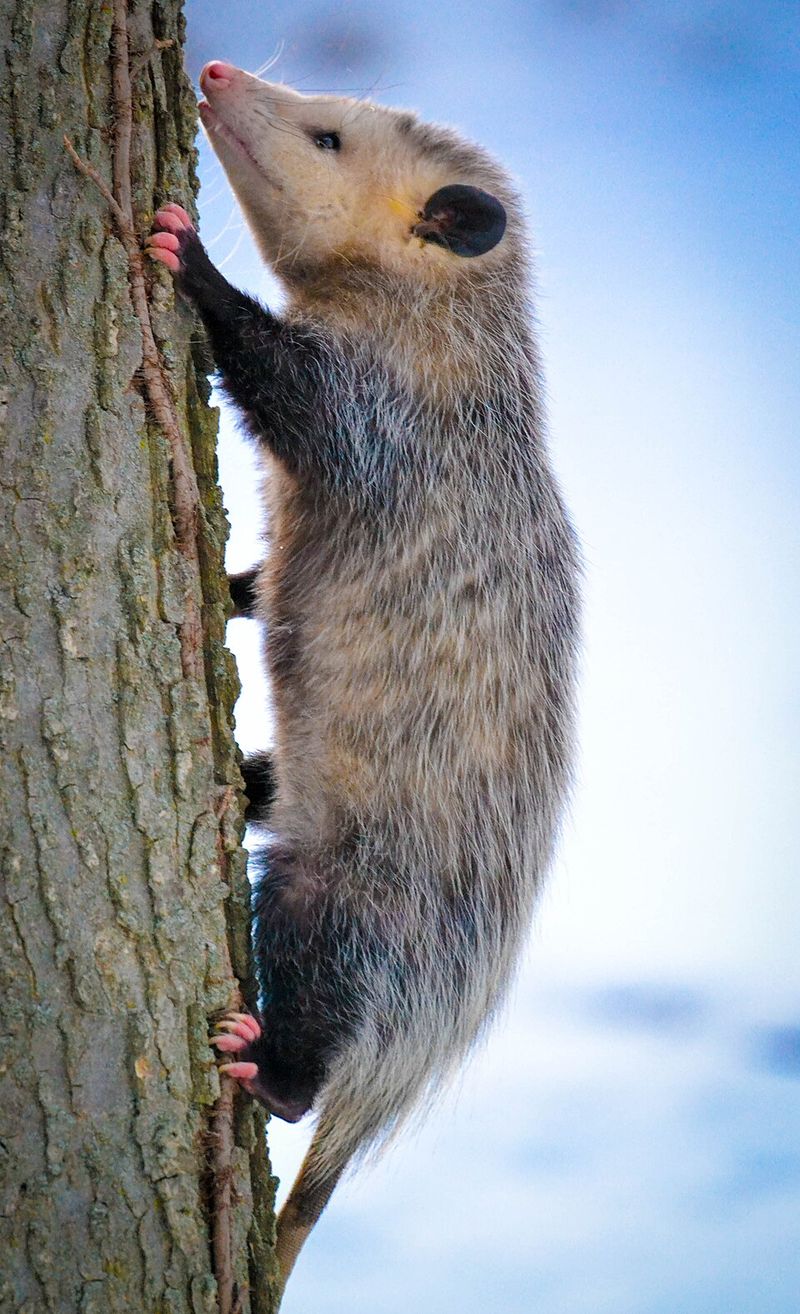
Image Credit: Andrew C.
If you have walked outside on a Texas night and caught two eyes in the porch light, there is a good chance a Virginia opossum was passing through on business. This adaptable scavenger spends its hours after dark, sniffing out insects, fruit, pet food, and carrion with patience.
It may look clumsy at first glance, but it moves with purpose and can climb, swim, and squeeze through spots.
When danger closes in, its famous habit of playing possum is not a performance but an involuntary stress response. That strange survival tactic makes this nighttime neighbor more fascinating to watch from a respectful distance.
Kangaroo Rat
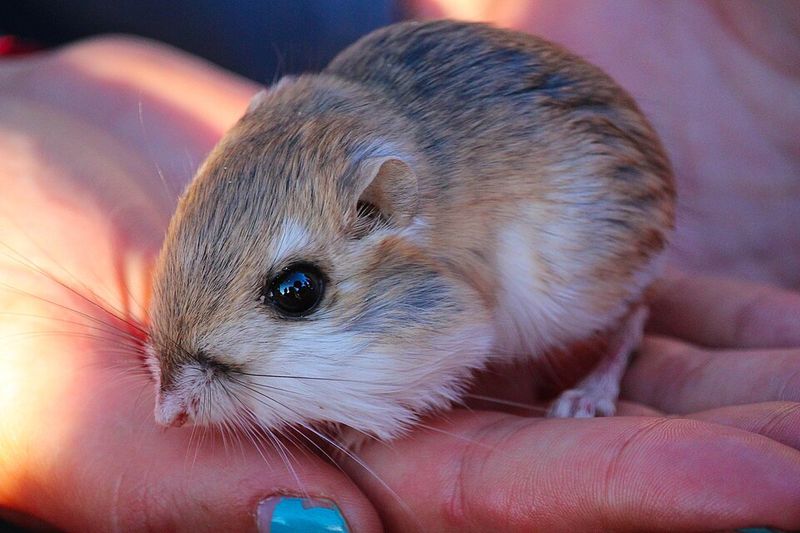
Image Credit: Connor Long.
The kangaroo rat looks like a tiny desert athlete built specifically for the Texas night shift. In the arid regions of West Texas, it waits until darkness brings cooler air, then bursts into motion on powerful hind legs.
Its hopping gait is both efficient and strangely charming, like a miniature spring-loaded survivor.
What makes this rodent especially fascinating is that it does not need to drink water in the usual way. It gets the moisture it needs from seeds, an extraordinary adaptation for life in dry country where every drop matters.
Staying nocturnal helps it avoid daytime heat and dangerous water loss, turning the night into a life-saving schedule.
As it moves across the desert floor, the kangaroo rat searches for seeds while remaining alert to predators. Its large hind legs and quick bounds help it cover ground fast and unpredictably.
You might overlook an animal this small in daylight, but in West Texas darkness, it becomes one of the desert’s smartest specialists.
Western Diamondback Rattlesnake
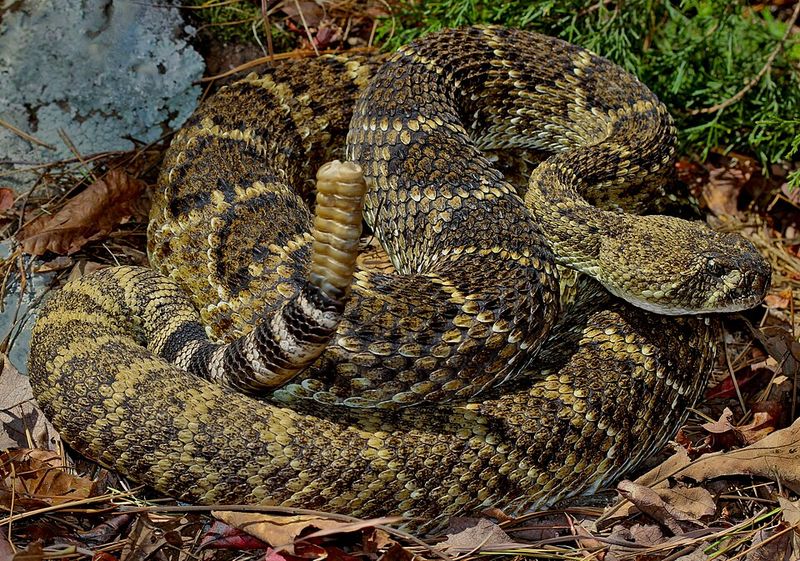
Image Credit: Peter Paplanus.
The western diamondback rattlesnake becomes even more effective when the Texas summer heat fades and night takes over. Instead of baking in brutal daytime temperatures, it often shifts activity into the cooler darkness, when both the snake and its prey can move more comfortably.
That timing makes nighttime a perfect hunting window.
This rattlesnake has specialized pit organs between the eyes and nostrils that detect heat, allowing it to sense warm-bodied prey in darkness. In practical terms, it can locate rodents even when visibility is poor, giving it a remarkable advantage on summer nights.
Add patience, camouflage, and a fast strike, and you have a predator perfectly suited to low light.
The famous rattle is a warning, not a challenge, which is useful to remember if you are out on evening walks or desert trails. Cooler nights often bring more rodent activity, and the diamondback knows it.
In Texas after dark, the ground itself can be watching more carefully than you are.
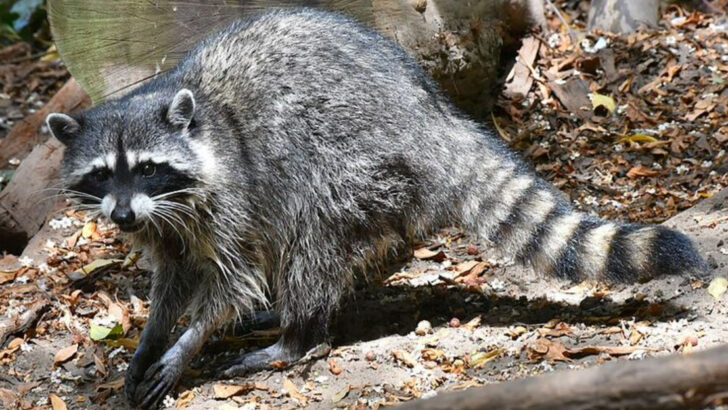
Raccoon
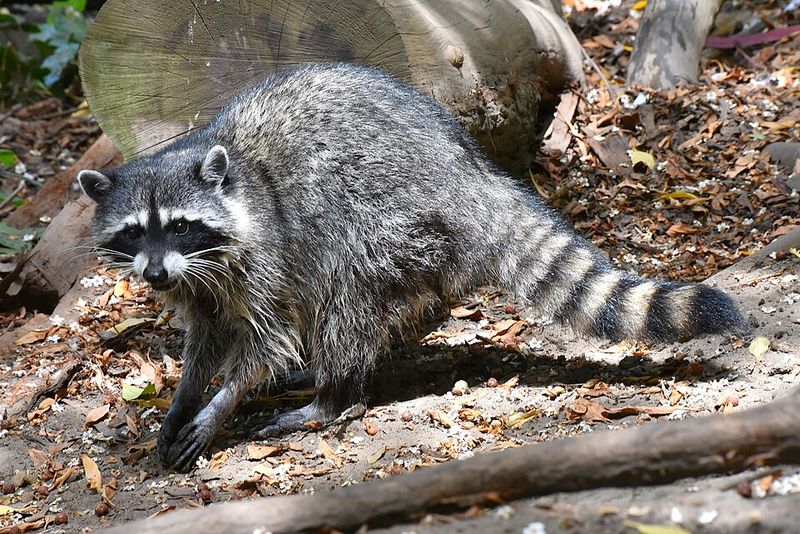
Image Credit: Don Loarie.
Raccoons are the masked opportunists of the Texas night, equally comfortable along creek bottoms, forest edges, and city storm drains. If any animal seems born to investigate every loose lid, half-open gate, or suspicious rustle, it is this one.
Their intelligence and adaptability make them feel like clever neighbors you did not exactly invite.
These nocturnal mammals forage after dark across almost every kind of Texas habitat. Their front paws are astonishingly dexterous, allowing them to manipulate latches, containers, and food sources that many other animals cannot access.
That talent explains why raccoons can thrive in both remote bottomlands and busy neighborhoods with equal confidence.
At night they search for insects, fruits, eggs, small animals, and whatever else looks useful or edible. They are curious, persistent, and often bolder than you expect once the sun is down.
You may only catch a quick glimpse of a ringed tail disappearing over a fence, but that is usually enough to know a raccoon has already inspected the area first.
Common Nighthawk
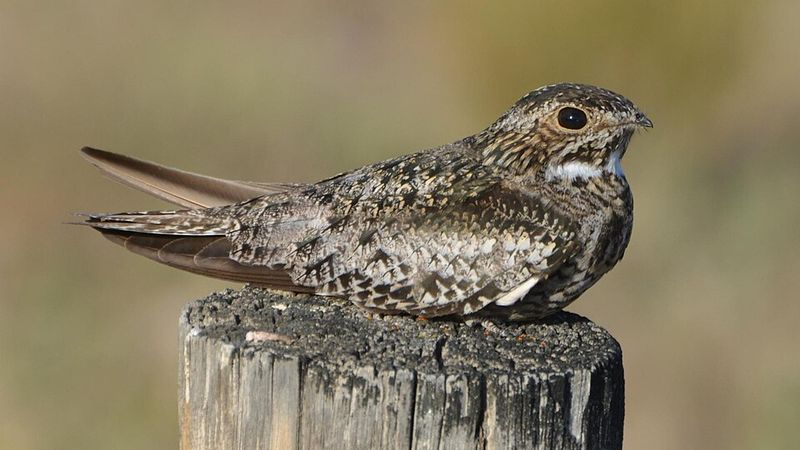
Image Credit: Andy Reago & Chrissy McClarren.
The common nighthawk is one of those birds that can make an ordinary Texas evening feel suddenly alive. Despite its name, it is not a hawk at all, but an aerial insect-hunter built for low light, open sky, and fast turns.
If you have heard a buzzy nasal call over a parking lot, pasture, or neighborhood at dusk, a nighthawk may have been overhead.
These birds become active in the evening, swooping through the air with wide mouths open to catch moths, beetles, and other insects on the wing. Their flight can seem erratic at first glance, but it is highly skilled, with quick changes in direction that match the movement of tiny prey.
Summer nights in Texas give them a buffet in motion.
Nighthawks often hunt over towns as readily as fields, which gives them an unexpectedly modern feel for a wild bird. They do not perch dramatically like raptors, yet they own the dusk in their own way.
Watch the sky carefully, and you may notice twilight has feathers.
Tarantula
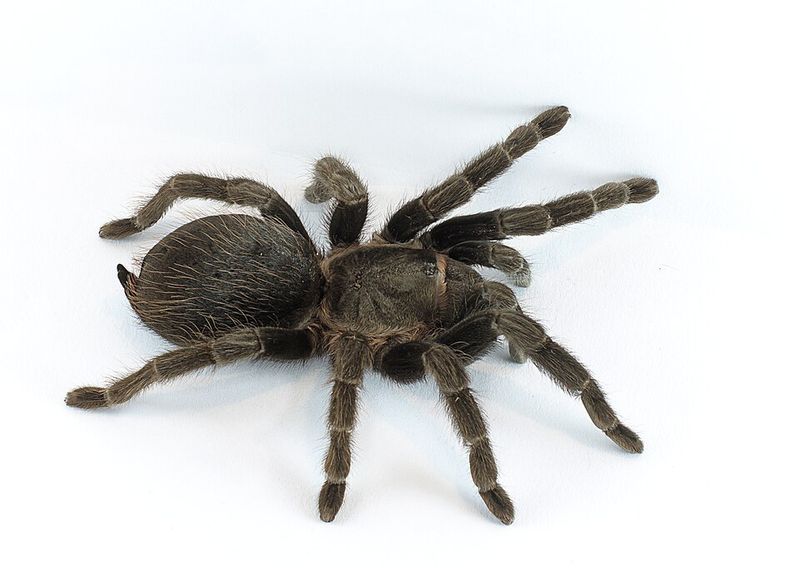
Image Credit: Carlos Valenzuela.
A tarantula crossing a Texas road at night can stop you in your tracks, even if it is moving with total calm. These large, hairy spiders are mostly nocturnal, spending the hottest parts of the day hidden away and becoming active after dark.
In late summer and early fall, males often wander in noticeable numbers while searching for mates.
That seasonal movement is why people suddenly feel like tarantulas are everywhere, though they are usually around long before anyone notices. Most nights, they are not charging after prey but waiting near burrows to ambush insects and other small invertebrates.
Their style is deliberate, patient, and far less dramatic than their reputation suggests.
Seen up close, a tarantula can be intimidating, but it also has a strange dignity, as if it knows rushing is unnecessary. The nighttime landscape suits that slow confidence perfectly.
If you encounter one under a porch light or on a quiet rural shoulder, you are watching one of Texas’s most misunderstood night walkers.
Striped Skunk
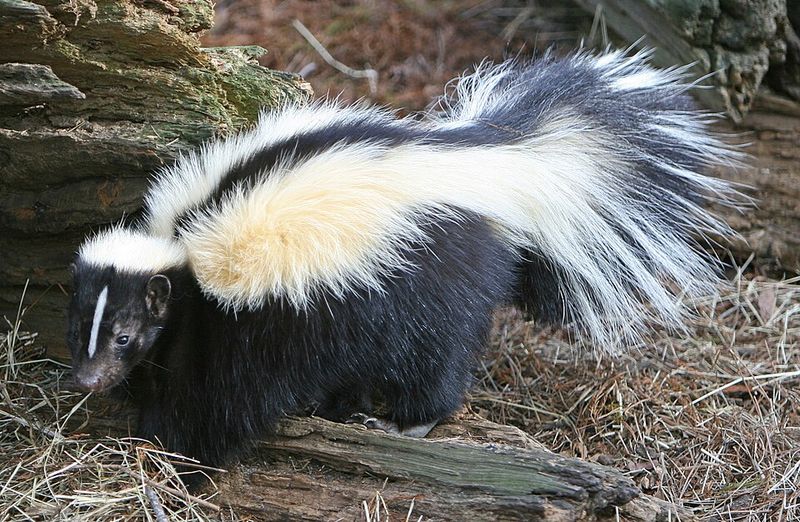
Image Credit: http://www.birdphotos.com.
The striped skunk is one of the few animals that seems to wear its warning label out in the open. That bold black-and-white pattern is not meant for hiding, but for broadcasting a very clear message even in low light.
At night, when many creatures rely on quick visual cues, that message matters.
Skunks forage almost entirely after dark, using an excellent sense of smell to locate grubs, insects, and small rodents. They move with a calm, purposeful style, nosing through grass, leaf litter, and loose soil in search of easy meals.
Because their defense is so memorable, they do not need the same kind of panic-driven speed many smaller animals rely on.
That does not make them careless, only confident in a way few nocturnal mammals can afford to be. Predators learn quickly that ignoring a skunk’s warning is a terrible idea.
If you spot one under moonlight, the contrast of its fur almost seems brighter than the night around it, which is exactly the point.